
In this article:
2. Decide Which Windows Actually Need Replacing
3. Choose the Window Configuration Before Obsessing Over Specifications
4. Understand What Makes One Window Better Than Another
5. Do Not Judge a Window by the Profile Brand Alone
6. Choose the Glazing for the Job
7. Look at the Frame as Part of the Complete System
8. Pay Attention to Hardware Before You Buy
9. Compare the Finished Window, Not Individual Features
10. Expect Replacement Window Quotes to Differ
11. Compare Quotes Line by Line Before Comparing Totals
12. Do Not Assume the Cheapest Quote Is Automatically Wrong
13. Watch for the Common Comparison Mistakes
14. Ask Every Supplier the Same Core Questions
15. Treat Installation as Part of the Window Purchase
16. Check Performance Information in Context
17. Read the Warranty Beyond the Number of Years
18. Get Important Decisions in Writing
19. Do a Final Check Before You Place the Order
20. A Simple Way to Think About the Whole Process
21. Choosing Replacement Windows Is About the Complete Result

You see a frame, glass, handles and perhaps a flyscreen. Behind that finished window, however, are decisions about the profile system, glazing, opening configuration, hardware, manufacturing, installation and warranty. Two windows that look almost identical in photographs can therefore be quite different once you examine what is actually being supplied.
That is why choosing replacement windows should not begin with a brand name or the cheapest quote.
Start with your home instead.
What are the existing windows failing to do? Which rooms are uncomfortable? Is outside noise a problem? Does strong afternoon sun make one side of the house difficult to cool? Are you replacing old windows because they no longer seal or operate properly, or are you planning a larger renovation?
Once those questions are clear, the technical choices become much easier to put into context.
This guide walks through the whole buying process, from deciding what you need through to checking the final order before it goes into production.
Start With the Reason You Are Replacing the Windows
Before comparing frames or glass, write down what you want the project to improve.
For one homeowner, the main concern may be traffic noise. For another, it may be winter comfort or excessive heat in a west-facing room. Someone else may simply have old windows that are difficult to open, no longer seal properly or do not suit a renovated home.
Those are different problems and they may require different specifications.
If noise is the priority, the glazing and sealing strategy deserves particular attention. If thermal comfort is the main concern, the complete window – frame, glazing and installation – needs to be considered. If ventilation is important, the opening style becomes part of the performance decision rather than just an aesthetic choice.
Replacement windows work best when the specification starts with the problem rather than with a catalogue.
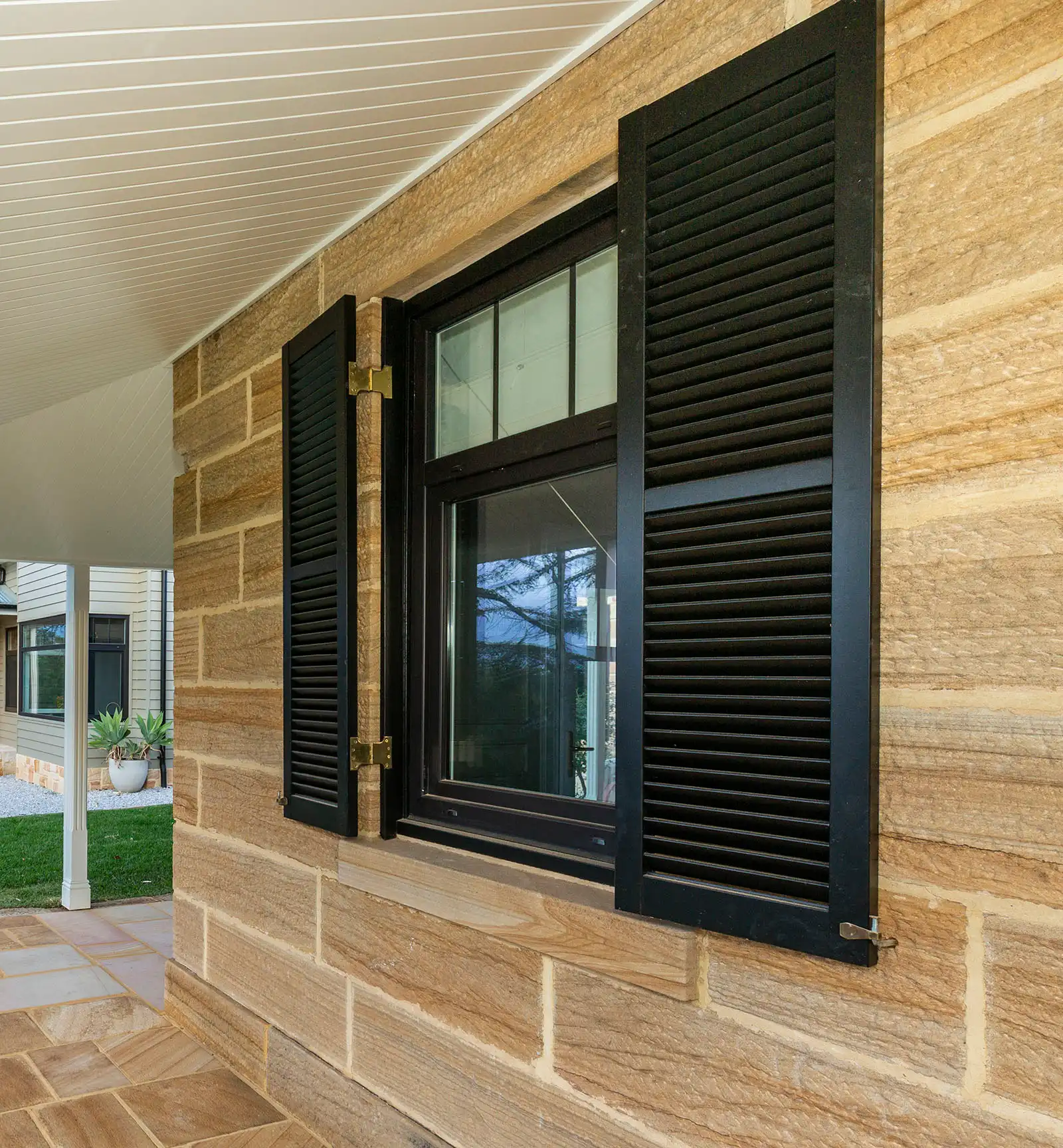
Decide Which Windows Actually Need Replacing
Not every project has to involve every window in the property.
Walk through the home and look at each opening separately.
Does the window operate properly?
Are there draughts around the frame or sash?
Is the problem limited to one room?
Does the existing configuration provide enough ventilation?
Would a different opening style make the room easier to use?
A house may contain several windows of the same age but with very different priorities. A street-facing bedroom may need more attention to acoustic performance, while a living area facing strong afternoon sun may have a different glazing requirement.
This room-by-room approach also helps later when you compare quotations. You are less likely to overlook a different opening configuration or a glass upgrade that applies only to one part of the project.
Choose the Window Configuration Before Obsessing Over Specifications
Homeowners often start by comparing technical features before deciding how the window should actually work.
Configuration comes first.
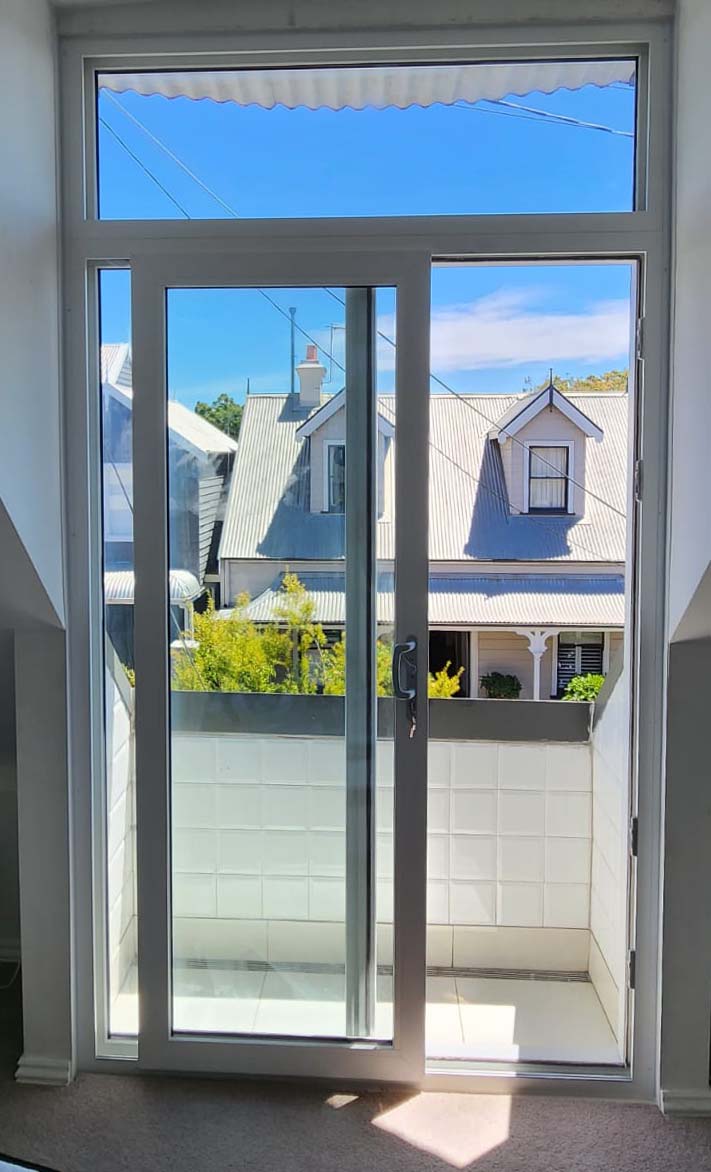
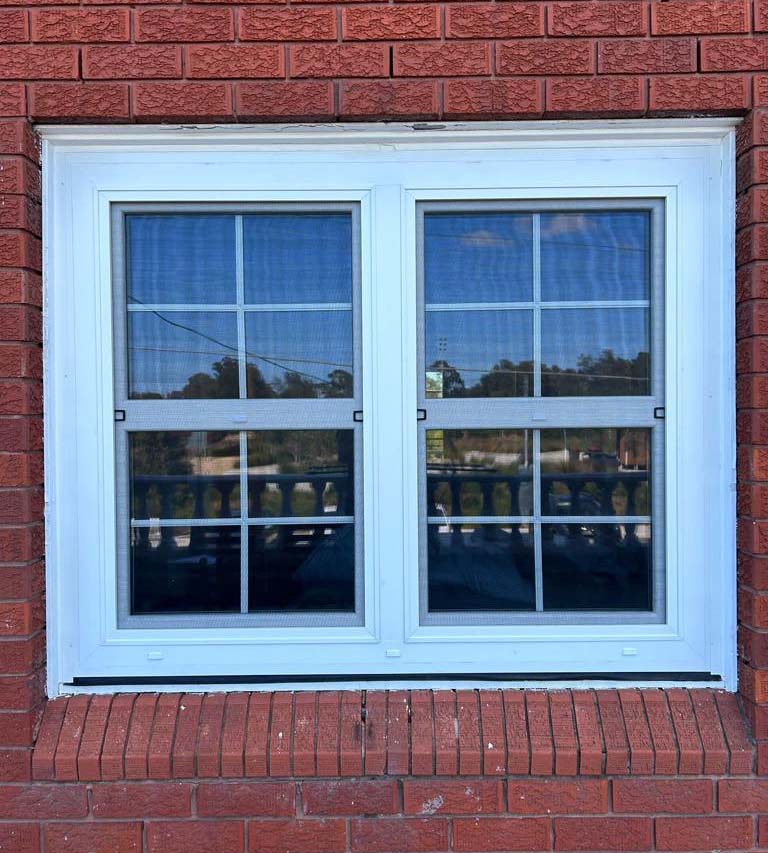
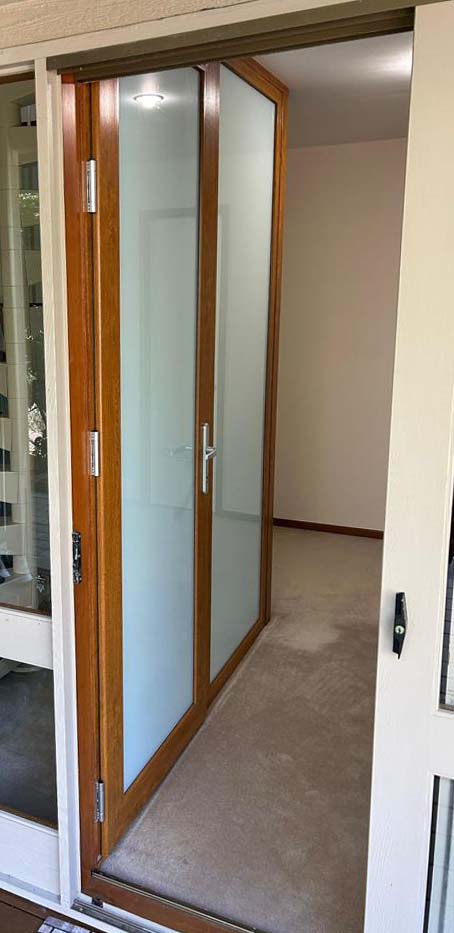
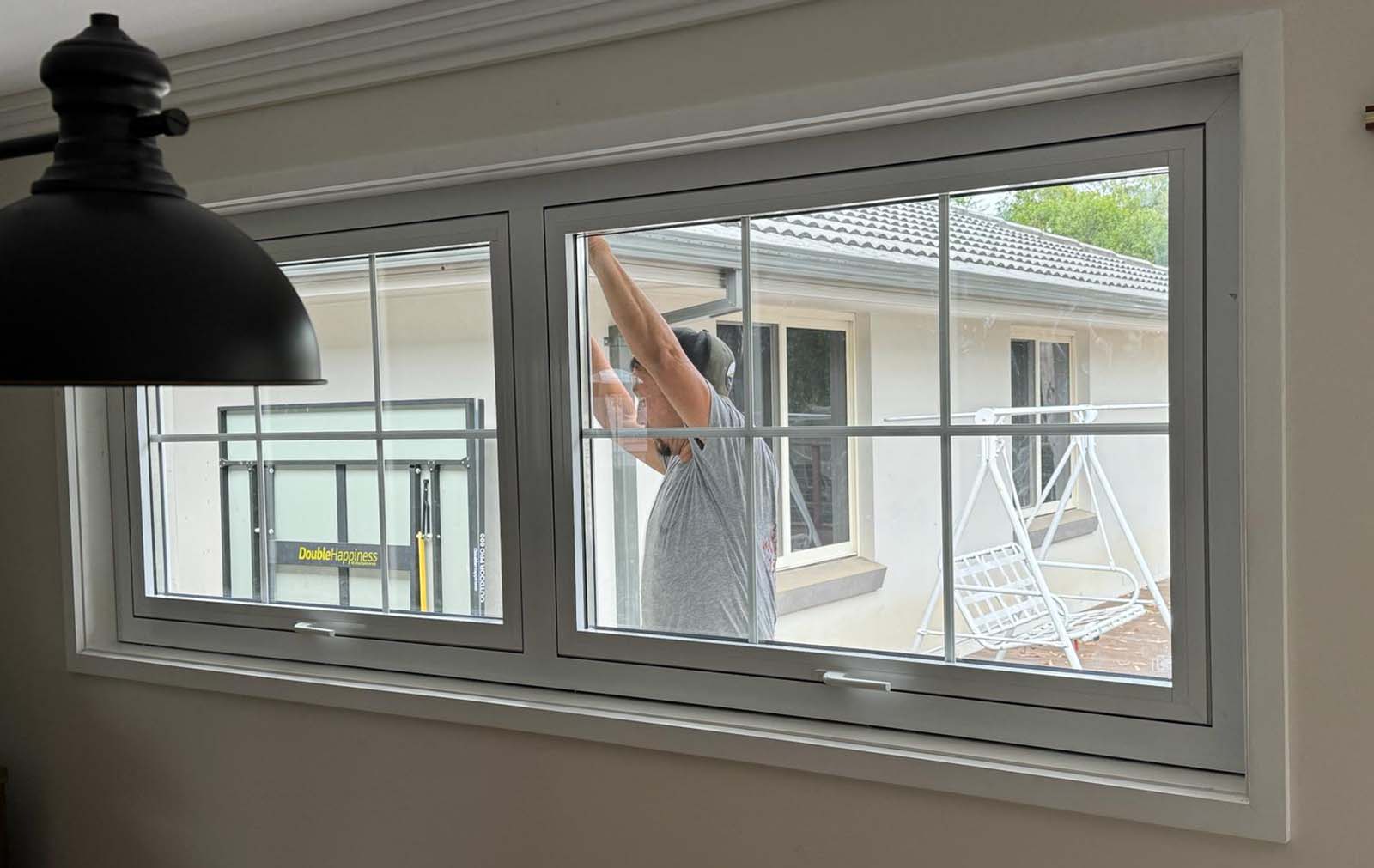
A fixed window has no opening hardware and can be appropriate where ventilation is unnecessary. An awning, casement, sliding or tilt-and-turn window behaves differently in everyday use. The right choice depends on available space, airflow, access for cleaning, furniture placement and how the room is used.
The same principle applies to doors and larger combinations.
Think about where the sash will move, whether a window needs to stay partly open in light rain, how easy it will be to operate and whether you need clear space around it.
If you are still deciding between styles, do that before comparing fine technical details. A technically impressive window can still be inconvenient if the configuration does not suit the room.
Understand What Makes One Window Better Than Another
There is no single component that decides the quality of a finished window.
The profile matters, but so do the glass, seals, hardware, fabrication and installation.
A premium profile combined with unsuitable glazing does not create an ideal window. Expensive hardware cannot compensate for poor manufacturing. High-performance glass will not deliver its intended result if the installed window is poorly sealed.
Our guide to what actually makes one window better than another looks at these components in more detail.
For the initial buying decision, ask whether the complete window makes sense for the opening and the problem you are trying to solve.
Do Not Judge a Window by the Profile Brand Alone
Recognised component brands can be useful. They tell you what system or product family is being discussed and make it easier to identify what a supplier is proposing.
They are not the complete specification.
Two manufacturers may start with the same profile system and produce finished windows with different glazing, hardware, dimensions, configurations and fabrication quality.
The same applies to glass brands and hardware.
When comparing proposals, ask for enough information to understand the finished window rather than treating one familiar name as proof that everything else is equivalent.
We explore this distinction in Why Window Specifications Matter More Than Brand Names.
Choose the Glazing for the Job
“Double glazing” describes a broad category, not one identical product.
Different combinations of glass thickness, coatings, laminated panes, safety glass and other options can change how the finished window performs.
That does not mean every homeowner needs the most complicated glazing available.
Focus on what the glass needs to do.
For thermal performance, solar exposure and the complete window design matter. For noise reduction, glass thickness and configuration can be important, but so are airtight seals and installation. Bathrooms or other areas may require privacy or safety considerations. Some openings may need a different glazing specification from the rest of the house.
If you are considering double glazed windows, ask what glass configuration is being proposed rather than stopping at the words “double glazed”.
The best glazing is not automatically the option with the longest feature list. It is the one that addresses the requirements of that particular opening.
Look at the Frame as Part of the Complete System
Frame material influences maintenance, insulation, appearance and the way the window is constructed.
For homeowners considering uPVC windows, the frame system should be considered together with the glazing and hardware it needs to support.
Profile depth, internal design, seals and the ability to accommodate the intended glazing can all matter. At the same time, specifications such as chamber count or frame width should not be treated as simple quality scores.
A larger number is not automatically better.
What matters is whether the frame system is suitable for the window size, configuration, glazing and performance requirements.
Pay Attention to Hardware Before You Buy
Hardware receives less attention than frames and glass because much of it is hidden inside the finished window.
You will use it every day.
Open the showroom sample.
Close it.
Lock it.
Try the handle more than once.
Look at how the sash meets the frame and whether the movement feels controlled.
The appearance of the handle alone does not tell you much about the hardware system behind it. Ask what is being supplied and whether there are different requirements for larger sashes or doors.
Article How to Spot a High-Quality Window Before You Buy, covers the practical things you can inspect and ask about before committing to a product.
Compare the Finished Window, Not Individual Features
Window sales conversations can easily become dominated by one specification.
One company talks about profile chambers.
Another focuses on glass.
A third promotes a hardware brand.
Those details may all be relevant, but they should not replace comparison of the finished product.
A good comparison should gradually answer:
- What frame system is being supplied?
- What glazing is included?
- Which sections open?
- What hardware is used?
- Who manufactures the windows?
- What does installation cover?
- What warranty applies?
When these details are visible, differences between products become much easier to understand.
Expect Replacement Window Quotes to Differ
Homeowners are often surprised when quotations for apparently similar projects vary substantially.
Sometimes that difference reflects product quality. Sometimes it reflects different glazing or opening configurations. Installation scope, finishing, hardware, exclusions and warranty can also change the total.
In other cases, two suppliers simply operate differently.
Price differences therefore need to be investigated rather than interpreted automatically.
Article Why Do Similar Replacement Window Quotes Vary So Much?, explains where those differences usually come from.
Do not assume that every quote describes the same job.
Compare Quotes Line by Line Before Comparing Totals
Once you have two or three proposals, put the total prices aside temporarily.
Start with the openings.
Does each company quote the same number of windows and doors?
Are the opening sections the same?
Is the glazing equivalent?
Are screens, finishing or removal included?
Is installation described clearly?
Are there exclusions?
Only after that should you return to the final price.
Our guide to comparing replacement window quotes provides a more detailed method for doing this.
A quotation with the lowest total may genuinely offer excellent value. It may also simply describe less work or a different specification.
Without comparing the details, you cannot know which explanation applies.


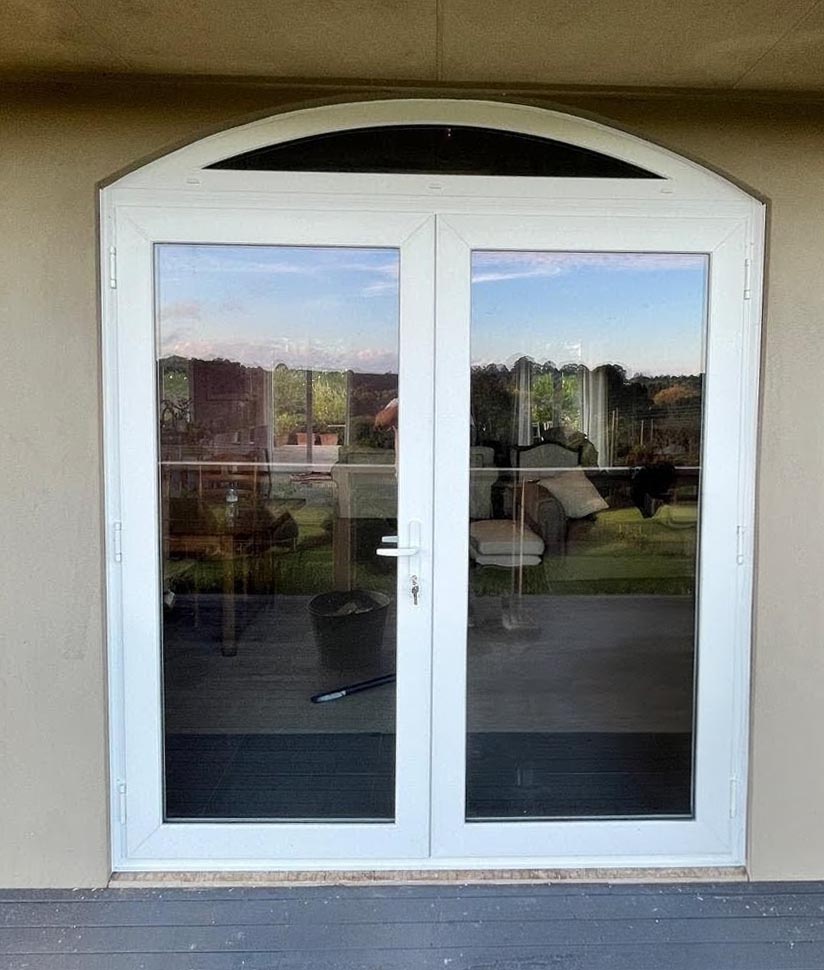
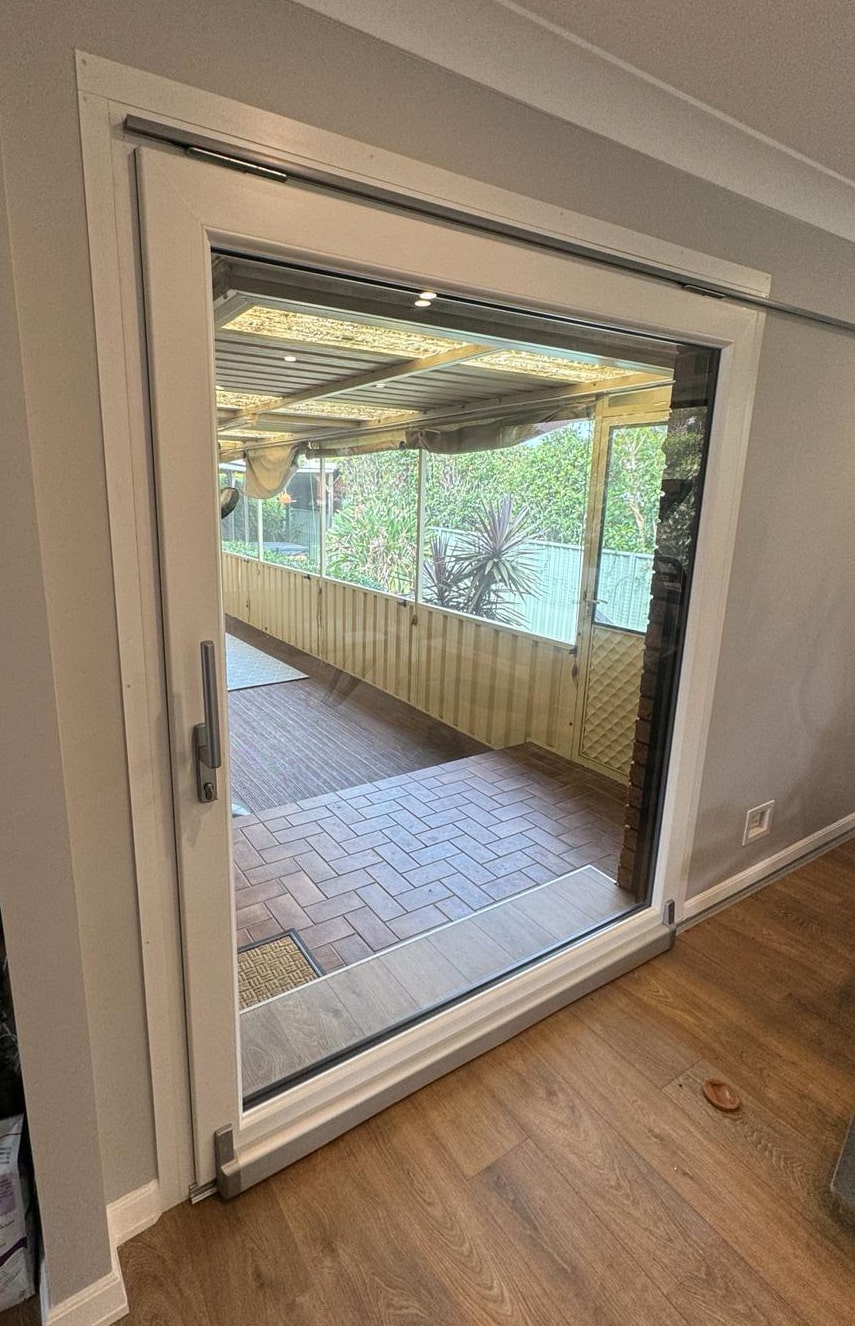
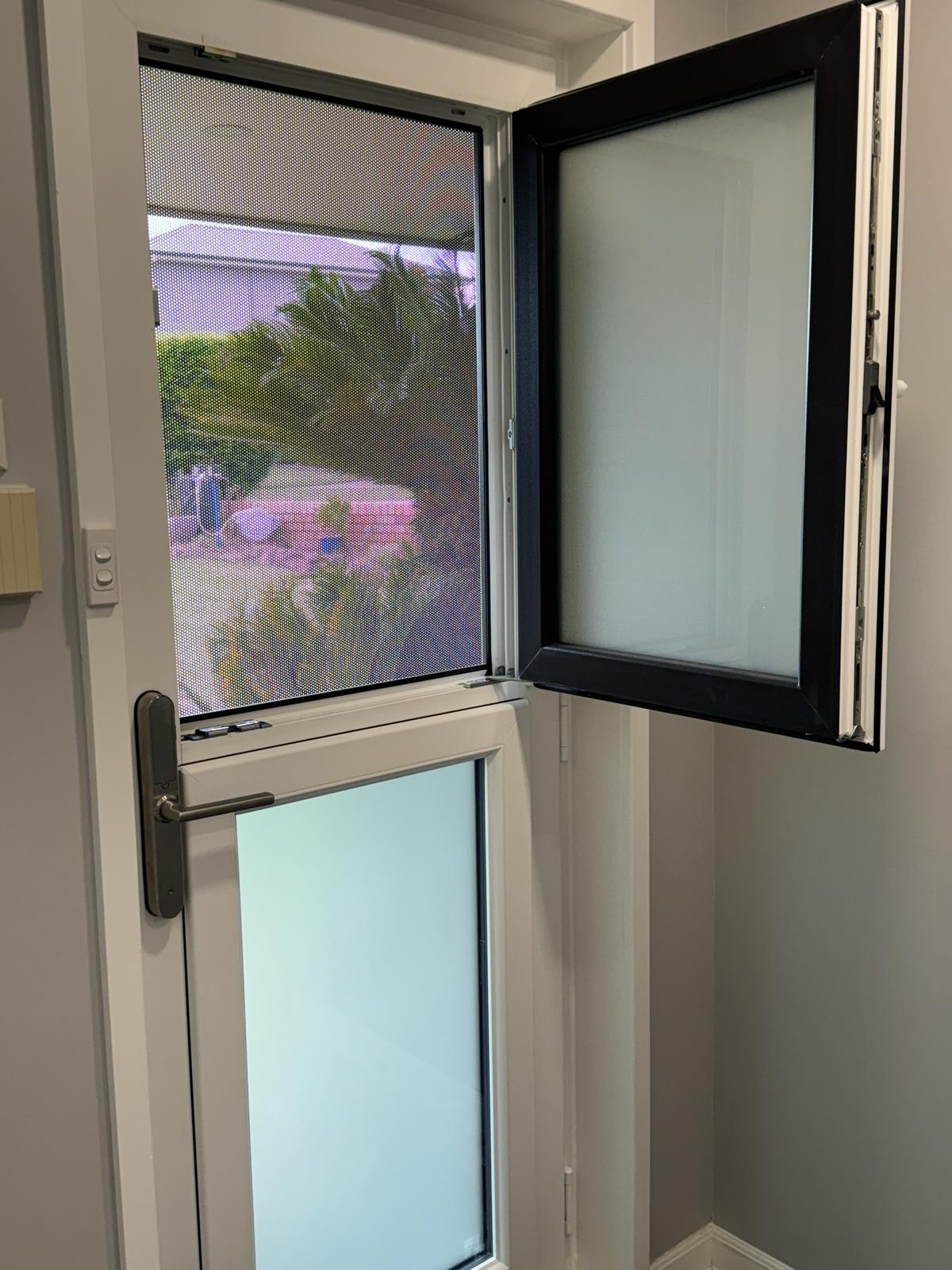







Do Not Assume the Cheapest Quote Is Automatically Wrong
There is a temptation to simplify window buying into “cheap equals poor quality”.
That is not reliable.
A competitive supplier may have efficient manufacturing, lower overheads or simply price the project aggressively. If the product, glazing, installation and warranty are genuinely comparable, a lower price can represent good value.
The problem arises when a saving comes from something you did not realise was different or excluded.
Article Why the Cheapest Window Quote Can Cost You More Later, explains how to tell the difference.
The same caution applies in reverse: paying more does not automatically guarantee a better finished window.
Watch for the Common Comparison Mistakes
Some purchasing mistakes appear repeatedly because they are easy to make.
Homeowners compare prices before checking that the job is the same. They remember a verbal promise that never appears in the written quote. They ask different suppliers different questions and then struggle to compare the answers.
Sometimes one impressive specification becomes the deciding factor even though it tells only part of the story.
These are comparison problems rather than product problems.
Article Common Mistakes When Comparing Replacement Windows, covers these traps in detail.
Using the same basic questions with every supplier avoids many of them.
Ask Every Supplier the Same Core Questions
You do not need a technical interrogation.
You need consistent information.
Ask what window system is being supplied, what glazing is included, where the windows will be made, what installation covers, what is excluded, what the warranty covers and who provides support afterwards.
The answers should be understandable.
A supplier does not need to overwhelm you with engineering terminology. They should, however, be able to explain what they are proposing and why it is appropriate for your home.
Our 7 Questions to Ask Before Buying Replacement Windows gives you a ready-made framework for those conversations.
Treat Installation as Part of the Window Purchase
A replacement window is not finished when it leaves the factory.
It still has to become part of your house.
Existing frames need to be removed, openings prepared, new units positioned, fixed, sealed, adjusted and finished. Problems at this stage can undermine a very good manufactured product.
Before signing, ask who will install the windows and what “installation included” actually covers.
Will the old windows be removed and disposed of?
Who handles finishing around the opening?
What happens if hidden damage is discovered after removal?
Who returns if a sash needs adjustment?
These are not minor administrative details. They affect the finished result.
Our detailed guide, Why Window Installation Quality Matters More Than Most People Think, explains what to look for.
Need a consultation?
Our operators will answer any questions
Check Performance Information in Context
Technical performance data is useful when it helps answer a real requirement.
Energy performance, wind and water resistance, acoustic performance or safety requirements may matter depending on the property and the opening.
Homeowners should not have to interpret engineering documentation themselves. The supplier should be able to explain which information is relevant to the proposed windows and why.
For Australian projects, it is also worth asking whether appropriate performance or compliance information is available where required.
If wind, water, acoustic or energy performance has influenced your decision, make sure the documentation you were shown applies to the actual window size and configuration being ordered.
If documentation has been provided for a particular configuration, check that later changes to glass, dimensions or opening type have not changed what is actually being ordered.
Specifications are useful only when they describe the product you will receive.

Read the Warranty Beyond the Number of Years
“10-year warranty” sounds clear until you ask what it covers.
Frame?
Glass?
Hardware?
Installation?
Different components may have different conditions or exclusions.
Ask who is responsible for handling a claim and what happens if adjustment is required after installation.
At Prestige Plus, we provide a 10-year product and installation warranty. Regardless of supplier, a buyer should understand what the written warranty covers before the project begins.
After-sales support matters for the same reason. A window contains moving components, and the ability to contact someone who knows the product can be valuable later.
Get Important Decisions in Writing
Many window purchases involve several conversations.
A glass option is changed.
One fixed section becomes opening.
A colour is updated.
A different door configuration is selected after measurement.
Someone agrees to additional finishing.
The final written proposal should contain those decisions.
Do not rely on the assumption that something discussed verbally has automatically made its way into the production order.
Before paying a deposit or approving manufacture, work from the latest version of the written specification.
Do a Final Check Before You Place the Order
By this stage you should no longer be trying to decide which supplier gives the best sales presentation.
You should be confirming exactly what will be made and installed.
Check the windows room by room.
Confirm the opening directions, glazing, colours, hardware, installation, exclusions, payment terms and warranty.
If one room has a special requirement, make sure that difference appears against the correct window.
Article, our Complete Replacement Window Buyer’s Checklist, is designed specifically for this final step.
If you cannot explain what you are buying and why the proposal is different from the alternatives, there is probably still something worth clarifying.
A Simple Way to Think About the Whole Process
Choosing replacement windows becomes much easier when the process is handled in the right order.
First, identify the problem.
Then choose the configuration.
Understand the complete window system.
Choose glazing for the actual requirement.
Compare written specifications.
Compare quotations on an equivalent basis.
Ask the same questions of every supplier.
Check manufacturing, installation, warranty and support.
Finally, verify the written order before paying the deposit or approving production.
That sequence is more reliable than starting with a brand, a price or one impressive technical feature.
Choosing Replacement Windows Is About the Complete Result
A good replacement window is not simply a good frame or a good piece of glass.
It is a properly specified combination of frame, glazing, hardware and configuration, manufactured accurately and installed correctly.
The right solution can also vary from one opening to another within the same property.
That is why the goal of the buying process is not to find a universal “best window”. It is to understand what your home needs and then check that the supplier’s proposal actually delivers it.
Get a quote
At Prestige Plus, we manufacture uPVC windows in our Sydney factory and can explain the available frame, glazing, hardware and installation options for your project.