
In this article:
Quote A, Quote B and Quote C: What Are You Actually Comparing?
Compare the Frame System, Not Just the Word “uPVC”
Next, Compare the Actual Glazing Specification
Don’t Forget the Windows That Open
Look Closely at What “Installation Included” Means
Check for Exclusions and Possible Additional Costs
Compare the Warranty in Parts
Ask What Happens After the Installer Leaves
Now Go Back to the Price
A Simple Window Quote Comparison Checklist
The Best Quote Isn’t Necessarily the Cheapest or the Most Expensive
You’ve received three quotes for your replacement windows. One comes in at $16,500, another at $20,800 and the third at $23,200. At first glance, choosing between them seems straightforward: compare the products, decide whether the more expensive options offer anything worthwhile, and choose the one that makes sense for your budget.
Then you start reading the quotes.
One lists every window separately but gives almost no information about the glass. Another includes several pages of technical specifications. The third mentions things that don’t appear anywhere in the other two. Even the installation descriptions are different.
This is where comparing window quotes becomes more difficult than comparing their totals.
We often find that homeowners aren’t actually choosing between three prices for the same job. They’re choosing between three different combinations of windows, glazing, hardware, installation and after-sales support. Until those differences are identified, it is difficult to know whether the cheapest quote represents good value or whether the most expensive one offers anything you genuinely need.
The solution is to temporarily ignore the number at the bottom of the page and compare each quotation in the same order.
Start by Checking Whether the Quotes Cover the Same Job
Before comparing window specifications, make sure every company has actually quoted for the same scope of work.
Suppose you’re replacing twelve windows and two doors. Quote A includes all fourteen units, removal of the old frames and disposal. Quote B covers the same windows but excludes one door. Quote C includes everything but lists removal and disposal as a separate charge.
Comparing only the headline totals would immediately give you the wrong impression.
Go through the property room by room and check that every window and door appears on each quotation. Look at quantities, opening styles, colours and any special requirements. A fixed window quoted where you expected an opening window can change the price, as can a different door configuration.
This sounds obvious, but a surprisingly large price difference sometimes turns out to have a very simple explanation: the suppliers aren’t pricing exactly the same job.
Quote A, Quote B and Quote C: What Are You Actually Comparing?
A simple comparison table is often more useful than reading three quotations back and forth.
Imagine the following example:
| Quote A | Quote B | Quote C | |
| Total price | $16,500 | $20,800 | $23,200 |
| uPVC system identified | Yes | Yes | Yes |
| Detailed glazing specification | Basic | Detailed | Detailed |
| Hardware identified | No | Yes | Yes |
| Removal of old windows | Included | Included | Included |
| Disposal | Unclear | Included | Included |
| Internal/external finishing | Unclear | Included | Included |
| Installation warranty | Unclear | Included | Included |
| After-sales service | Not specified | Specified | Specified |
This isn’t intended as a template for what every window company should include, nor does the most detailed quote automatically win. It simply demonstrates how quickly the comparison changes once you stop looking only at the total.
Quote A is still the cheapest, but now there are questions to ask before deciding whether it is genuinely equivalent.
The same exercise works with your own quotes. Create one column for each supplier and compare the same categories line by line. Any blank or unclear field becomes a question for the supplier rather than an assumption.
Compare the Frame System, Not Just the Word “uPVC”
If every quotation says “uPVC windows”, you still don’t know whether the frame systems are equivalent.
Ask which profile system is being supplied and look at the actual specification. Modern uPVC windows use engineered profiles, but profile depth, internal construction, sealing arrangements and reinforcement requirements can vary between systems and configurations.
You don’t need to understand every technical detail in a profile drawing. What you want to establish is whether Quote A, B and C are actually specifying comparable products.
Two windows can meet the same basic description and still differ considerably in their construction and specification. Our guide to what makes one window better than another looks at the frame, glazing, seals, hardware, manufacturing and installation as parts of the complete window system.
If one supplier clearly identifies the profile system and another simply writes “white uPVC windows”, ask the second supplier for more information. A quotation should give you enough detail to understand what you’re buying.
Our guide to Why Modern uPVC Windows Perform Better Than Older PVC Systems explains some of the differences within modern uPVC window construction.
Next, Compare the Actual Glazing Specification
This is probably the area where the phrase “double glazed” creates the most confusion.
Two suppliers can both quote double glazed windows without necessarily quoting the same insulated glazing unit. The glass type and thickness, Low-E coatings, cavity and spacer system can differ, and some units may use a gas such as argon in the cavity.
Instead of putting a tick beside “double glazing” and moving on, write down the glazing specification from each quotation.
If Quote A doesn’t provide enough information to do that, ask for it.
The specification should also make sense for what you’re trying to achieve. If outside noise is the main reason you’re replacing the windows, tell the suppliers that. If your concern is thermal comfort in rooms with large areas of glazing, make that clear as well.
A more expensive glass specification isn’t automatically better for your particular home. What matters is whether you’re comparing equivalent products and whether the proposed glazing addresses the problem you actually want to solve.
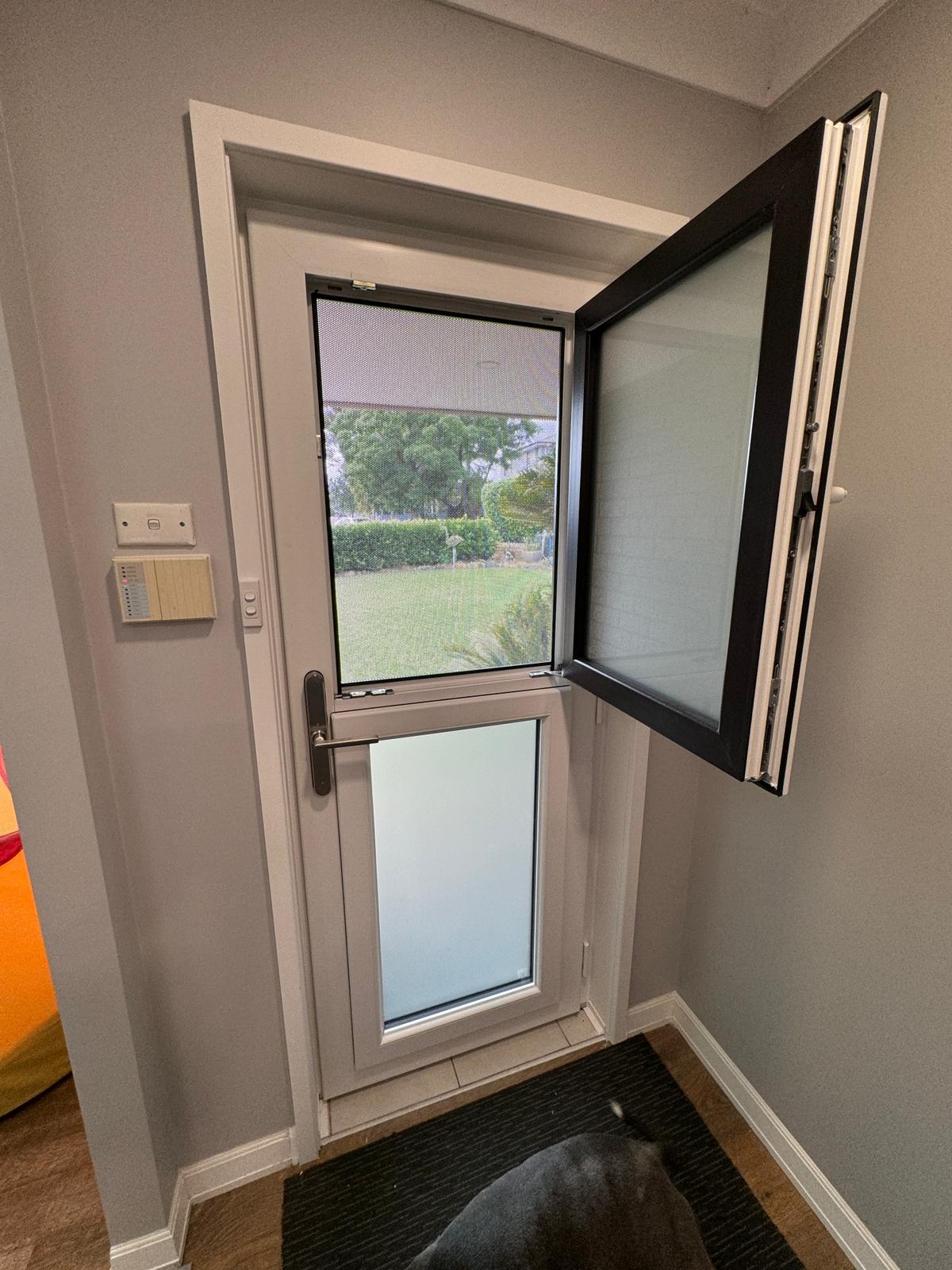
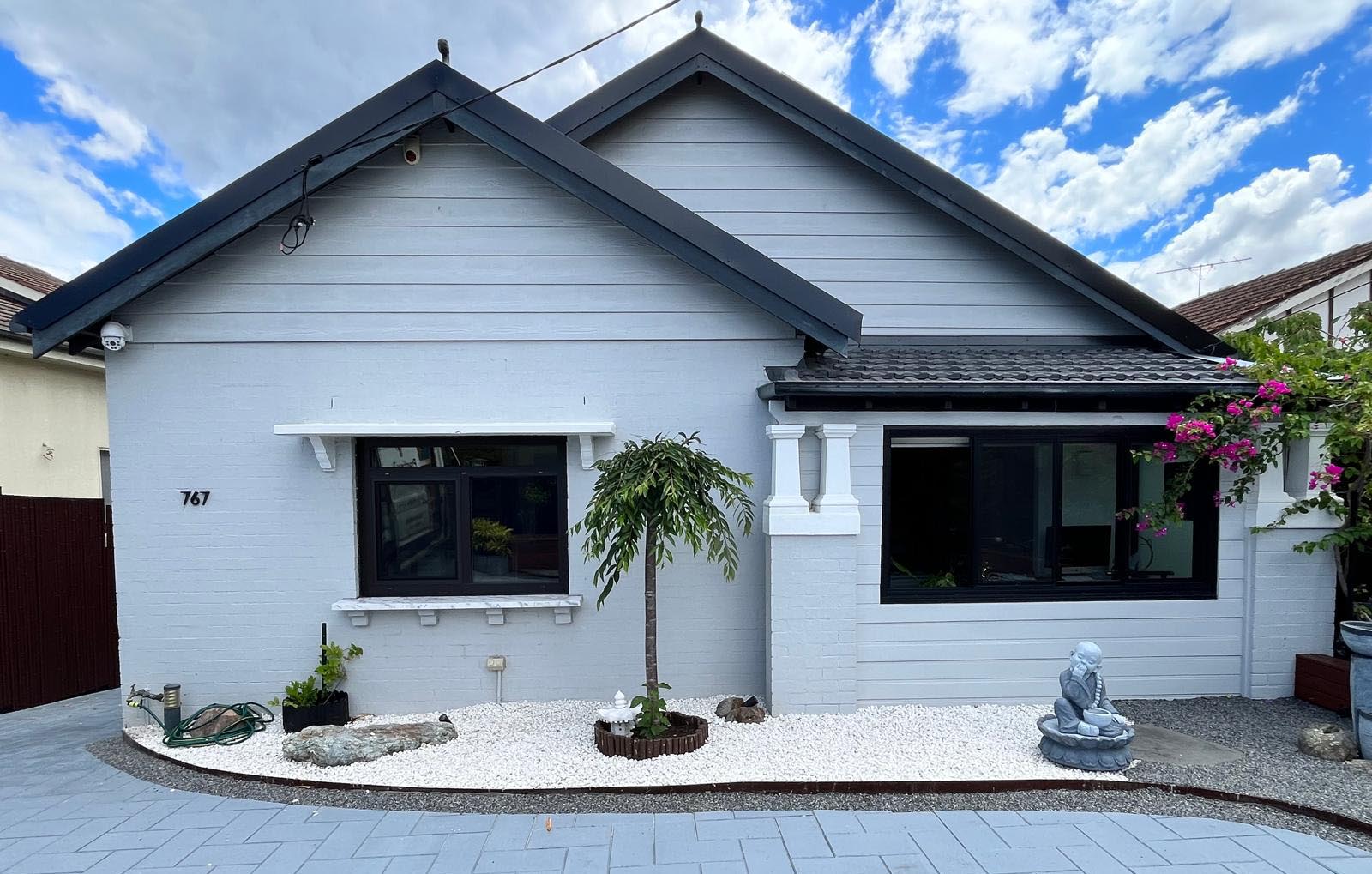
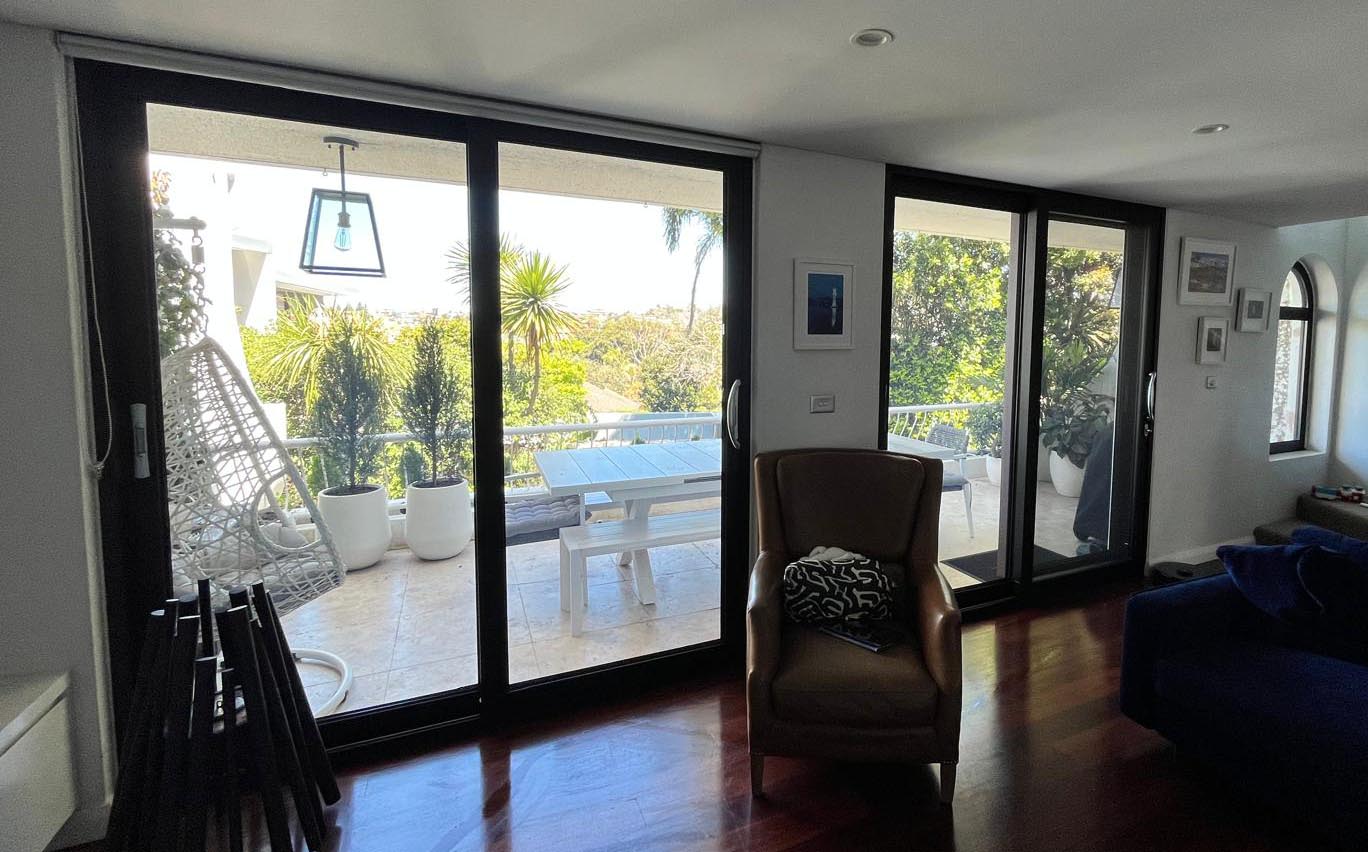
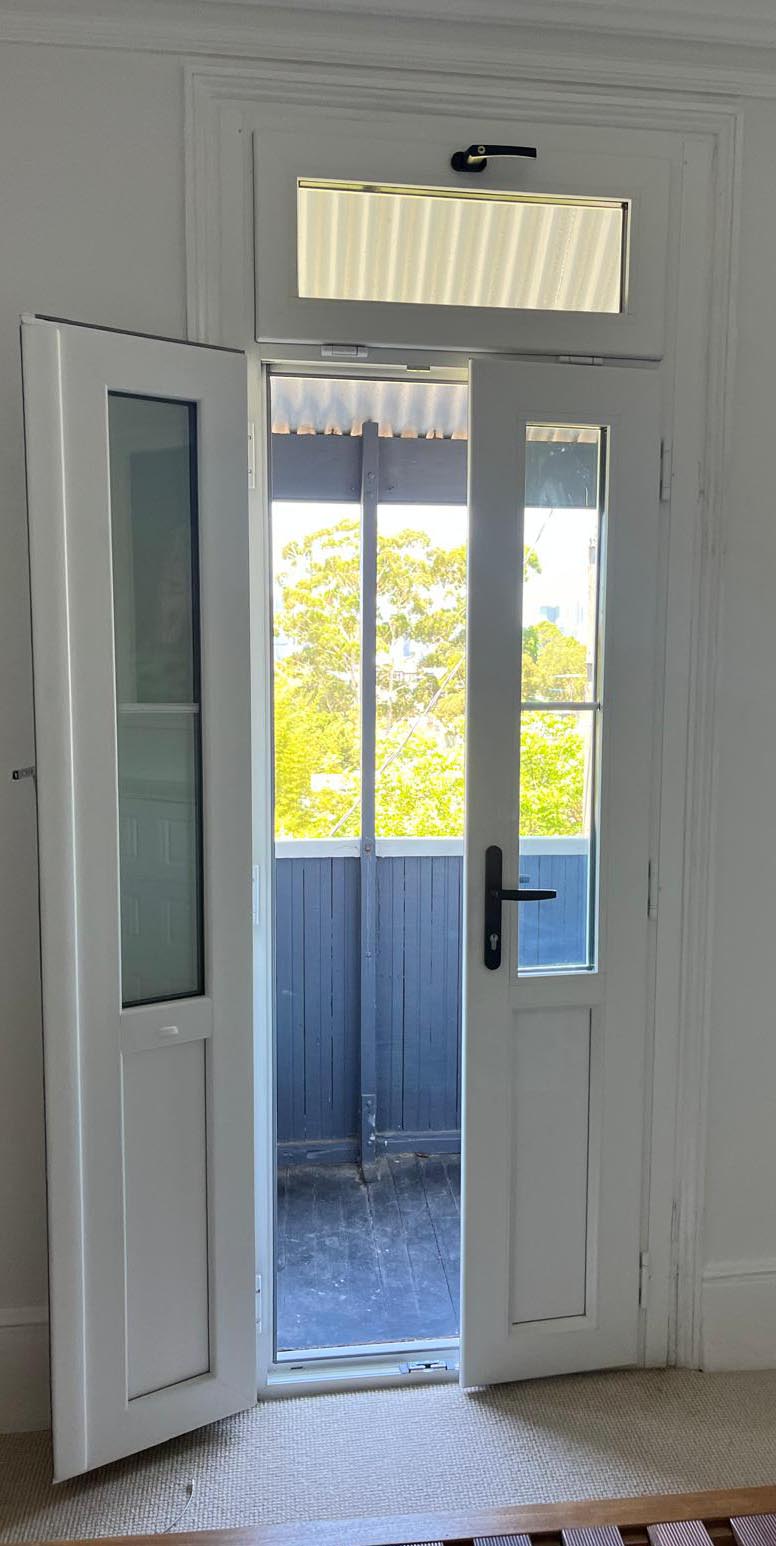
Don’t Forget the Windows That Open
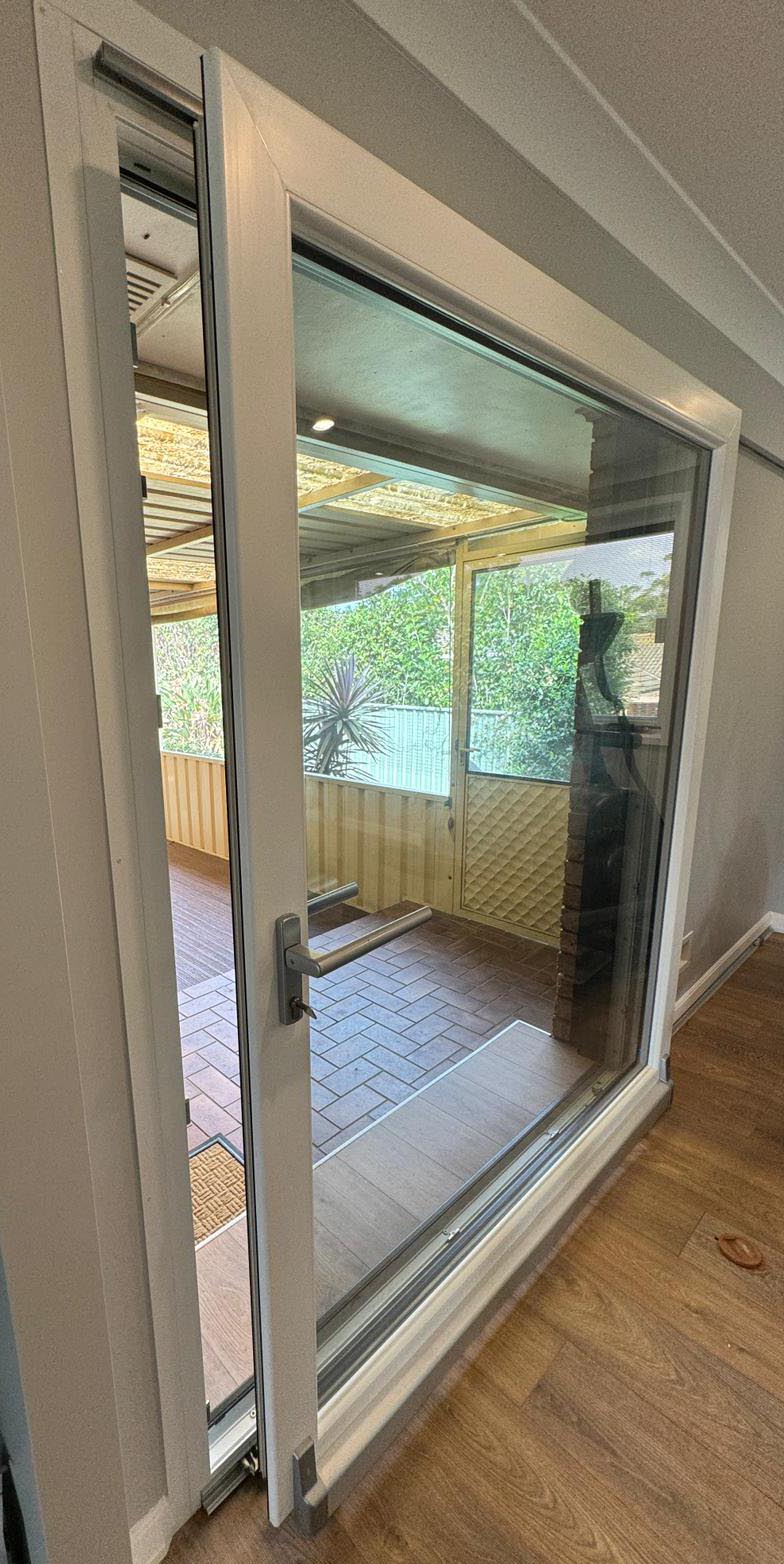
It’s easy to spend most of your time comparing frames and glass, but opening windows also rely on hardware.
Look for information about handles, hinges and locking systems. If the hardware isn’t identified, ask what is being supplied and what happens if a component needs adjustment or replacement later.
This matters because hardware isn’t simply decorative. It controls how the window opens and closes and helps the sash engage correctly with the sealing system.
Again, the objective isn’t to find the quote containing the longest list of branded components. It is to establish whether the three prices include comparable hardware and whether future servicing is practical.
Look Closely at What “Installation Included” Means
This is one of the most important parts of a replacement window quote and one of the easiest to compare incorrectly.
All three quotations may say “installation included”, but that phrase can cover different scopes of work.
Does the price include removing the existing windows? Disposal? Preparation of the openings? Fixing and sealing the new frames? Internal finishing? External finishing? Making good around the openings?
If any of these items are important to the project and aren’t mentioned, ask before accepting the quote.
At Prestige Plus, we look at the window and its installation as one system because a good frame and glazing specification still need to be installed correctly to perform as intended. Replacement projects can also reveal conditions around the existing openings that aren’t obvious while the old windows are still in place.
This is one reason a very short quotation can be difficult to compare with a more detailed one. The lower number may genuinely be cheaper, or it may simply leave more questions unanswered.
Need a consultation?
Our operators will answer any questions
Check for Exclusions and Possible Additional Costs
The bottom of a quotation deserves as much attention as the product description at the top.
Look for words such as excluded, additional, subject to, not included and if required.
These don’t necessarily indicate a problem. Some work genuinely cannot be confirmed until the existing windows are removed or site conditions are known. What matters is understanding those possibilities before the project starts.
For example, ask whether the quoted price includes disposal, access requirements, trims and finishing, and whether there are circumstances that could result in additional charges.
If Quote A is $3,000 cheaper but excludes work that Quotes B and C include, it isn’t really $3,000 cheaper.
It is simply a different quote.
Compare the Warranty in Parts
A quotation that says “10-year warranty” may sound straightforward, but you still need to know what the ten years applies to.
Treat the warranty as several questions rather than one:
What is the coverage for the frame and window system? What applies to the insulated glazing units? Is the hardware treated differently? Is installation workmanship covered? Who handles the claim if there is a problem?
You should also look at the conditions and exclusions rather than comparing only the largest number.
For Prestige Plus customers, for example, our product and installation warranty is an important part of the complete offer rather than something we view separately from the installed window. When comparing suppliers, check whether the warranties you’re being offered cover the same parts of the project.
Ask What Happens After the Installer Leaves
After-sales service rarely receives much attention when people first request quotes, but it can become important later.
A newly installed operable window may occasionally require adjustment after it has settled into use. Hardware can eventually require servicing. If a problem arises, you want to know who to contact.
Ask each supplier what their process is.
Do they handle service themselves? Who deals with warranty issues? Are replacement hardware components available? How do you request an adjustment?
A quotation is not only an offer to supply a product. For a replacement project, you’re also choosing the company that will manufacture or supply the windows, install them and potentially support them afterwards.
That relationship has value, even though it is difficult to represent as a single line on a price comparison.
Now Go Back to the Price
Only after you’ve compared the scope, frame, glazing, hardware, installation, exclusions and warranty does the total price become genuinely useful.
Let’s return to our hypothetical quotes:
Quote A — $16,500
Quote B — $20,800
Quote C — $23,200
Perhaps Quote A turns out to include everything you need and uses a specification comparable to the others. In that case, the lower price may represent excellent value.
Perhaps it doesn’t include the same glazing, finishing or installation scope. The apparent $4,300 saving against Quote B may then become much smaller.
Quote C deserves the same scrutiny. If it is $2,400 more expensive than Quote B, ask what the additional money buys. If the answer is relevant to your home, the premium may be worthwhile. If there is no meaningful difference for your project, it may not be.
This is why there isn’t a universal rule that says “avoid the cheapest quote” or “buy the middle quote”. Neither is a sensible buying strategy on its own.
If you’re wondering why prices can be so different even when the proposed windows initially appear similar, read Why Do Similar Replacement Window Quotes Vary So Much?. It explains the hidden product and installation differences behind those numbers.
A Simple Window Quote Comparison Checklist
Before making your final decision, you should be able to answer the following questions about every quotation:
- Are exactly the same windows and doors included?
- Are the opening configurations the same?
- Which uPVC profile system is being supplied?
- What is the complete glazing specification?
- What hardware is included?
- What exactly does installation cover?
- Are removal and disposal included?
- Are internal and external finishes included?
- Are there exclusions or possible additional costs?
- What does the warranty cover?
- Who provides after-sales service?
- What is the final price once comparable items are included?
If you can’t answer one of these questions, don’t guess. Ask the supplier.
A good quotation should become clearer when you ask questions, not more confusing.
The Best Quote Isn’t Necessarily the Cheapest or the Most Expensive
The purpose of comparing quotes isn’t to justify spending more money. It is to make sure you’re comparing the same things before deciding how much to spend.
Sometimes the cheapest quote will be the right choice. Sometimes a higher quotation will include a better-suited glazing specification, more installation work or stronger warranty coverage. And sometimes two quotes will turn out to be far more similar than their prices initially suggested.
If the lowest price is significantly below the other offers, it is worth understanding where the saving comes from. Our guide to why the cheapest window quote can cost you more later looks at the situations where a lower initial price can lead to additional costs – and when the cheapest quote may actually be good value.
Once you compare them line by line, you’re in a much better position to decide which differences matter to your home and which ones don’t.
That is how you avoid both kinds of expensive mistake: paying extra for something you don’t need, or saving money by unknowingly removing something you actually wanted.
Need Help Understanding a Replacement Window Quote?
If you’re comparing replacement window quotes and aren’t sure whether the specifications are genuinely equivalent, talk to the Prestige Plus team.
We can explain the frame, glazing and installation options in practical terms and help you understand what is included in a proposed window system before you make your decision.
FAQ
What should be included in a replacement window quote?
A useful quotation should clearly identify the windows and doors being supplied, their configurations, relevant frame and glazing specifications, installation scope, major exclusions, warranty and total price. If important details aren’t shown, ask the supplier before comparing the quote with another offer.
How do I compare two window quotes?
First check that both quotes cover the same windows and scope of work. Then compare the frame system, glazing, hardware, installation, finishing, exclusions, warranty and after-sales service before comparing the final prices.
Is the cheapest window quote usually the worst?
No. A cheaper quotation can offer good value. The important question is whether it includes a comparable product and scope of work. A lower price shouldn’t automatically be considered either better or worse.
Why can two double glazing quotes be so different?
The words “double glazing” don’t define the complete window specification. Differences in the frame, insulated glazing unit, hardware, installation, warranty and included work can all affect the price.
Should the glazing specification appear on the quote?
You should be able to establish what glazing is being supplied. If the quotation only says “double glazing”, ask the supplier for the relevant specification so that you can make a meaningful comparison.
What installation details should I compare?
Check whether removal and disposal of existing windows, fixing and sealing, internal and external finishing and any other required work are included. Also ask whether there are circumstances that could lead to additional installation charges.
How important is the window warranty when comparing quotes?
It is important, but don’t compare warranty length alone. Check what is covered for the window system, glazing, hardware and installation, along with exclusions and the process for making a claim.
Should I ask which uPVC profile system is being used?
Yes. Simply stating “uPVC windows” doesn’t necessarily mean different suppliers are quoting equivalent frame systems. Knowing the system being supplied makes the quotations easier to compare.
What if a window quote doesn't provide enough detail?
Ask the supplier to clarify it in writing. It is better to resolve unclear specifications, exclusions or installation details before accepting a quotation rather than making assumptions.
Is it worth paying more for replacement windows?
It can be, if the additional cost provides something valuable for your project, such as a more appropriate specification or a different installation scope. A higher price alone, however, isn’t evidence that the quote represents better value.