
In this article:
2. The Glazing Unit Can Change the Window Completely
3. Seals Matter More Than They Look
4. Hardware Isn’t Just About the Handle
5. Manufacturing Quality Connects All the Components
6. A Good Window Still Needs Good Installation
7. The Best Window Is the One Specified for the Job
How Can You Compare Window Quality Before You Buy?
Quality Is the Complete Window, Not One Feature
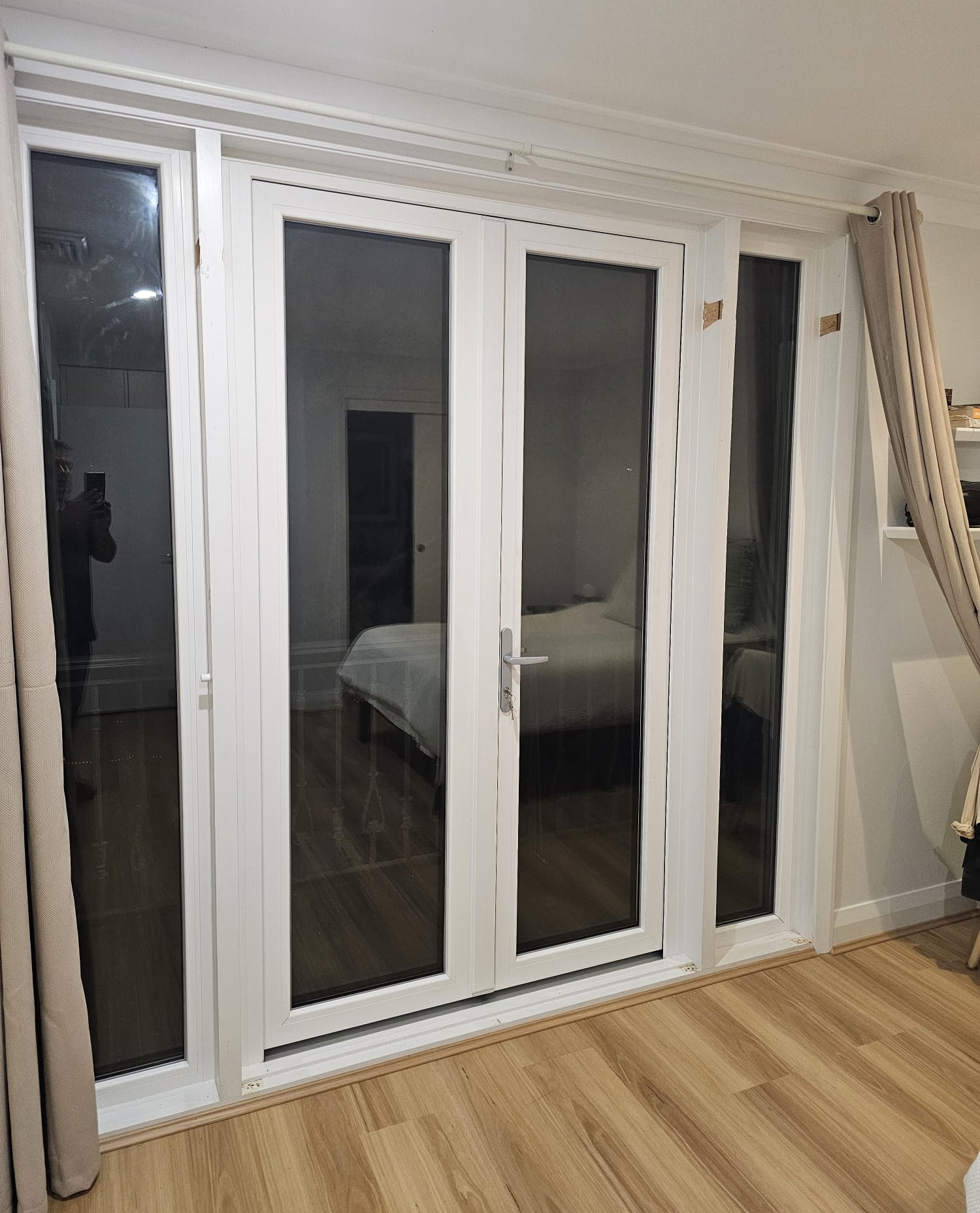
Put two new windows next to each other in a showroom and the differences may seem surprisingly small. Both have white uPVC frames. Both are double glazed. Both open and close smoothly. From a few metres away, they may look almost identical.
Yet their performance over the years can be quite different.
The reason is that most of what determines the quality of a window isn’t immediately obvious from its appearance. The profile system matters, but so do the glazing unit, seals, hardware, manufacturing and installation. More importantly, these components have to work together.
This is why judging a window simply by the number of panes, the appearance of the frame or the price can be misleading.
When we look at a window at Prestige Plus, we look at the complete system. Here are the seven areas worth examining if you want to understand what you’re actually buying.
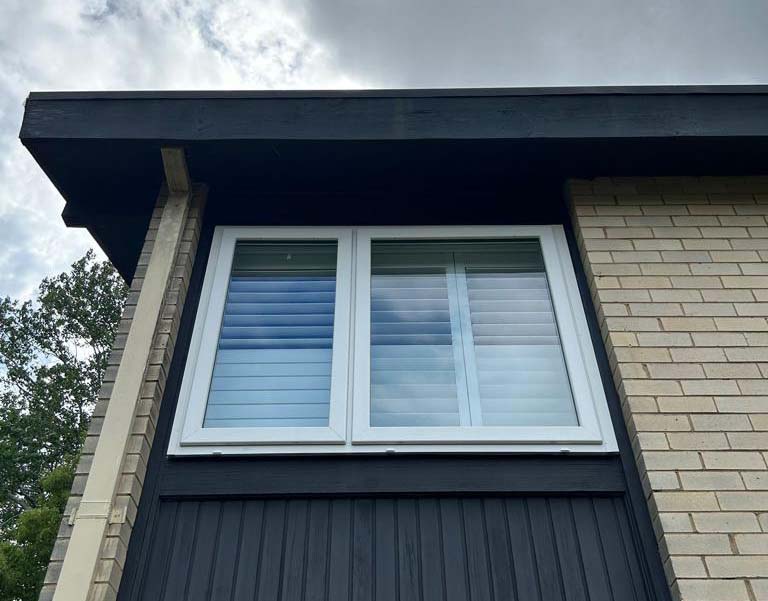
1. Start With the Frame System
The frame is the most visible part of a window, so it is a natural place to start. But comparing frames by colour and appearance tells you very little.
Modern uPVC windows use engineered profiles with internal chambers. Profile systems can differ in their depth, internal geometry, wall construction, sealing arrangements and the way they accommodate glazing and hardware.
These differences influence how the finished window is designed to manage structural loads, heat transfer, weather sealing and everyday operation.
The profile also has to suit the window being manufactured. A small fixed window and a large opening sash don’t place the same demands on the frame, which is why looking for one specification that supposedly makes every window “better” can be misleading.
Material quality matters as well. uPVC windows spend years exposed to sunlight, temperature changes and weather, so the formulation and manufacture of the profile are important considerations for long-term performance.
This is one of the areas where modern systems have moved considerably beyond the reputation associated with some older PVC windows. We discuss that development in more detail in Why Modern uPVC Windows Perform Better Than Older PVC Systems.
2. The Glazing Unit Can Change the Window Completely
A good frame doesn’t automatically mean the window has the right glass.
The term double glazed windows simply tells you that the glazing unit contains two panes separated by a sealed cavity. It doesn’t tell you the complete specification.
Glass thickness can vary. Different glass types can be used. Low-E coatings may be incorporated. The cavity and spacer system can differ, and some insulated glazing units use a gas such as argon within the cavity.
Those choices matter because different homes have different priorities.
A house affected by road noise may require a different glazing approach from a home where the main concern is thermal comfort. Large areas of glass exposed to strong sun create another set of considerations. Security requirements can influence the choice again.
We regularly discuss the problem the homeowner is trying to solve before discussing a particular glass configuration. Starting with “I want double glazing” is useful, but it is only the beginning of the specification.
There is no single glass configuration that is automatically best for every window in every house.
3. Seals Matter More Than They Look
Seals are not the most exciting component of a new window, and they are easy to overlook in a showroom.
They are also essential to the way an operable window closes.
When the sash is shut, the frame, hardware and sealing system have to work together. The seals need to make appropriate contact around the opening while the hardware holds the sash in the intended position.
This is one reason window quality should be considered as a system rather than as a collection of independent components. A sophisticated glazing unit doesn’t compensate for a window that doesn’t close or seal correctly.
When comparing windows, look at how the sash meets the frame and how consistently it closes around the perimeter. Don’t judge the seal simply by how thick or substantial it looks.
4. Hardware Isn’t Just About the Handle
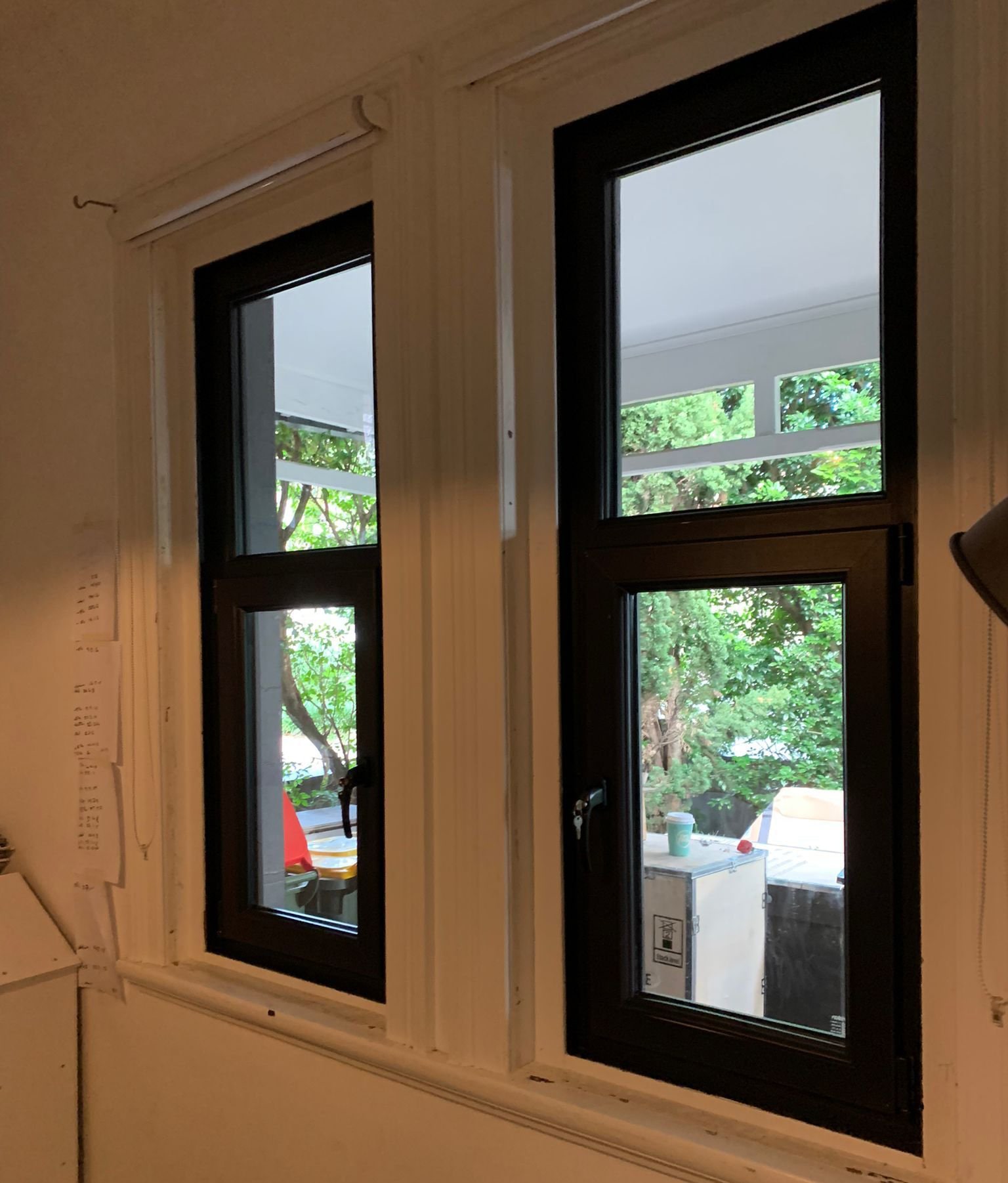
The handle is the part of the hardware you see and touch, but there is considerably more happening around an opening sash.
Depending on the window design, the hardware system can include hinges, locking points and other mechanisms responsible for supporting, closing and securing the sash.
This equipment is used repeatedly throughout the life of the window.
Good hardware should therefore be considered alongside the frame and glazing rather than treated as an accessory added at the end. It also needs to be suitable for the size, weight and opening configuration of the sash.
There is a practical consideration here too: servicing.
Ask what happens if a window requires adjustment in the future or if a hardware component eventually needs replacement. A system that can be serviced and supported has an advantage that may not be obvious when the windows are brand new.
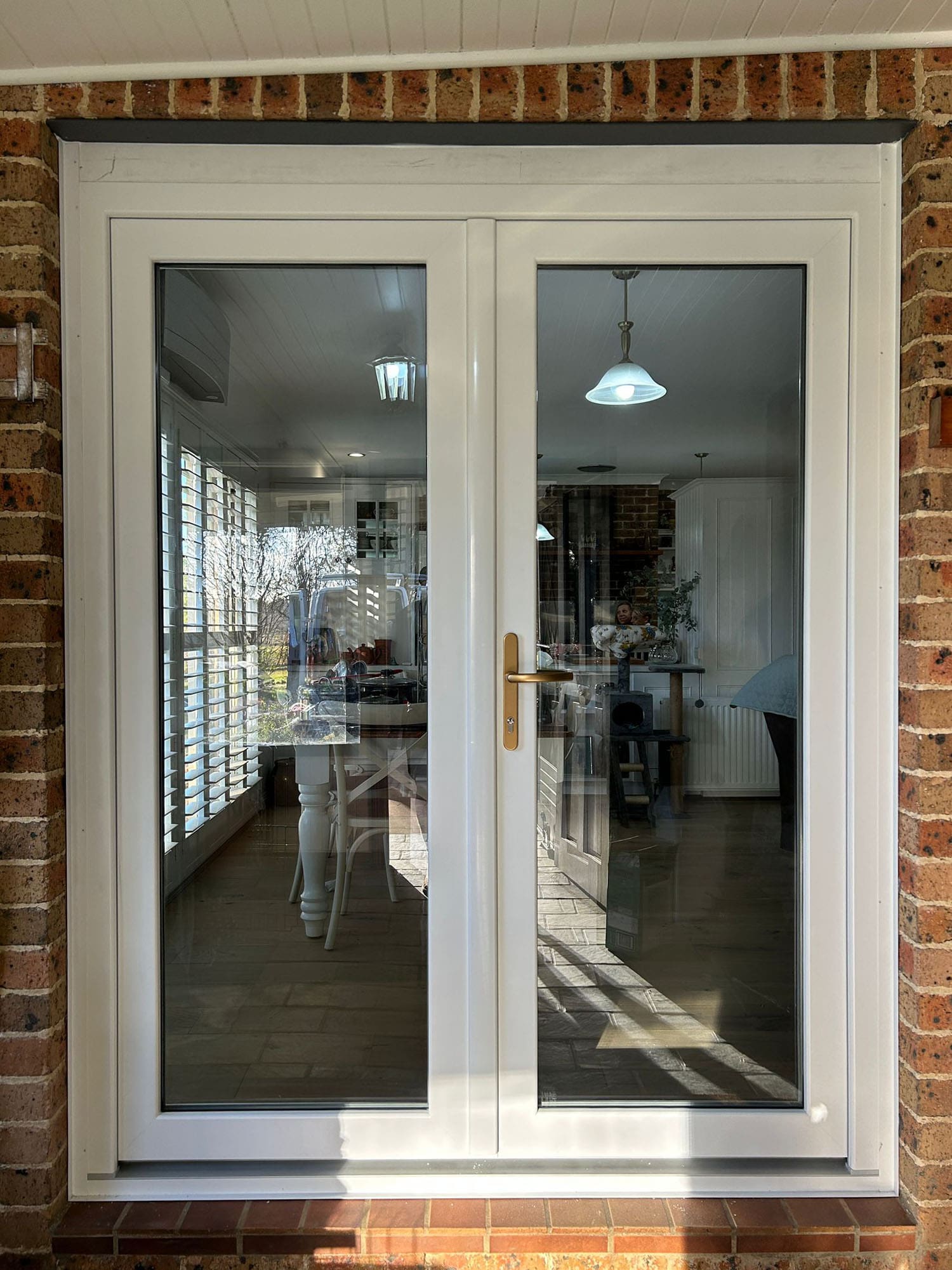
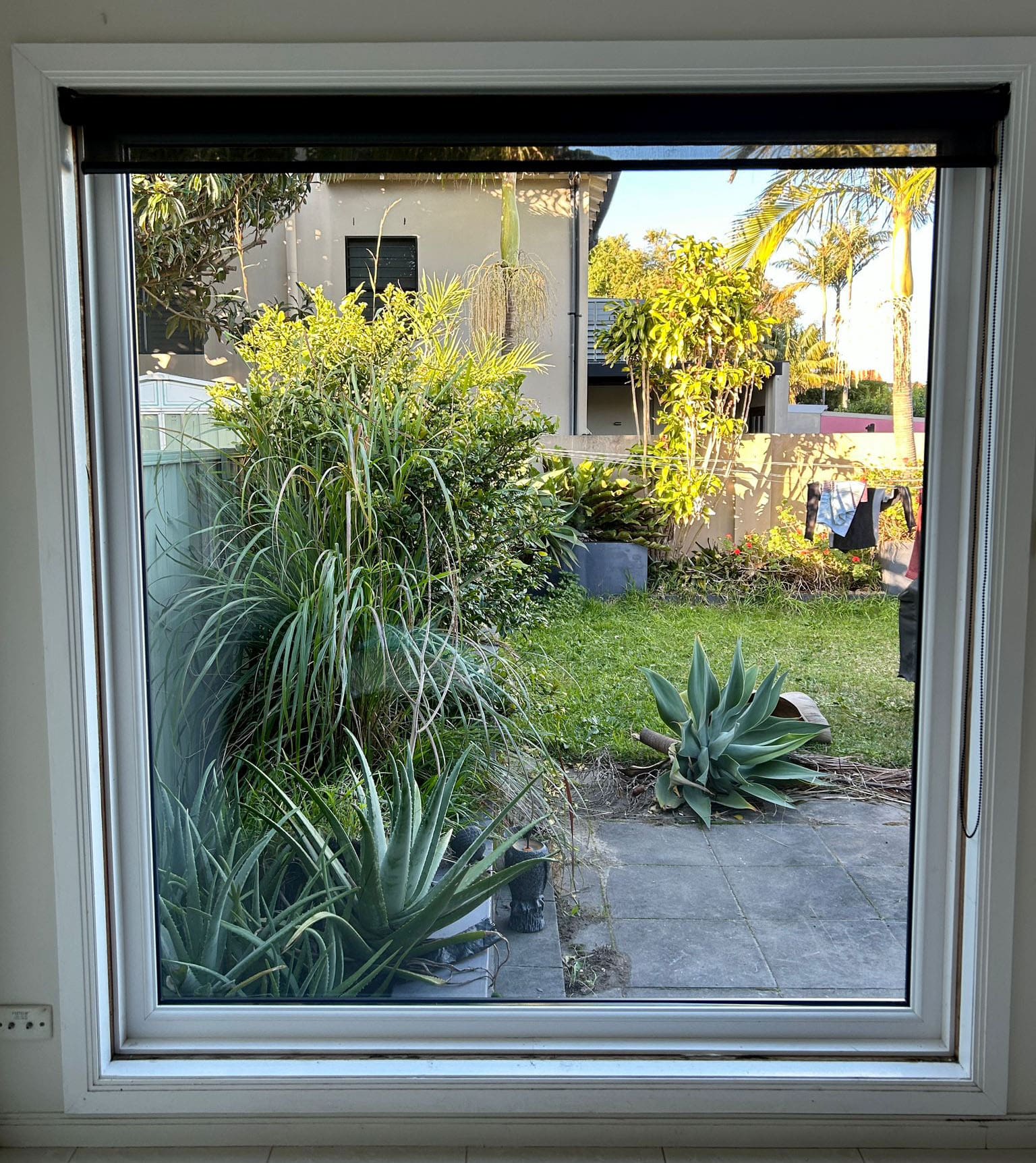
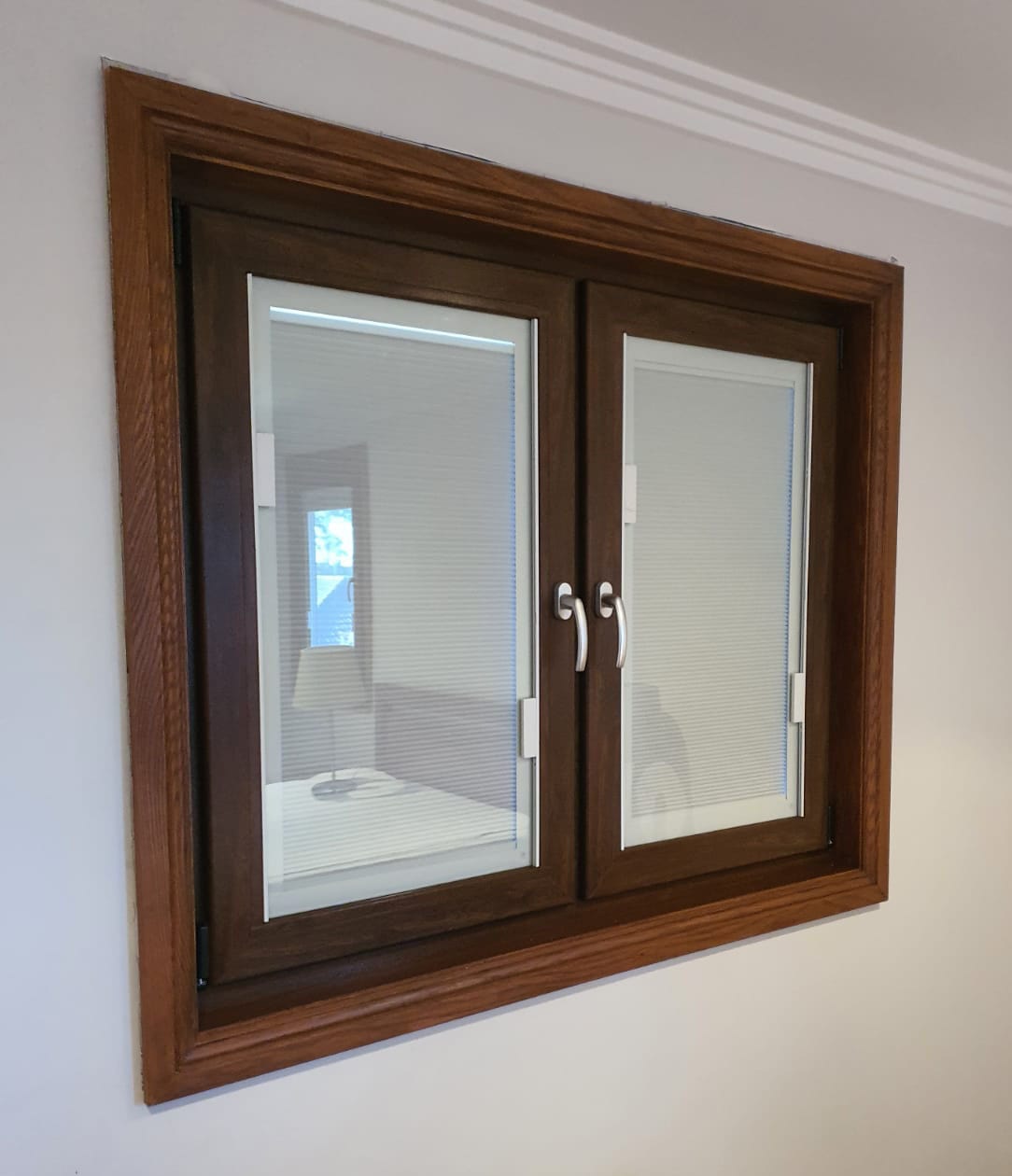

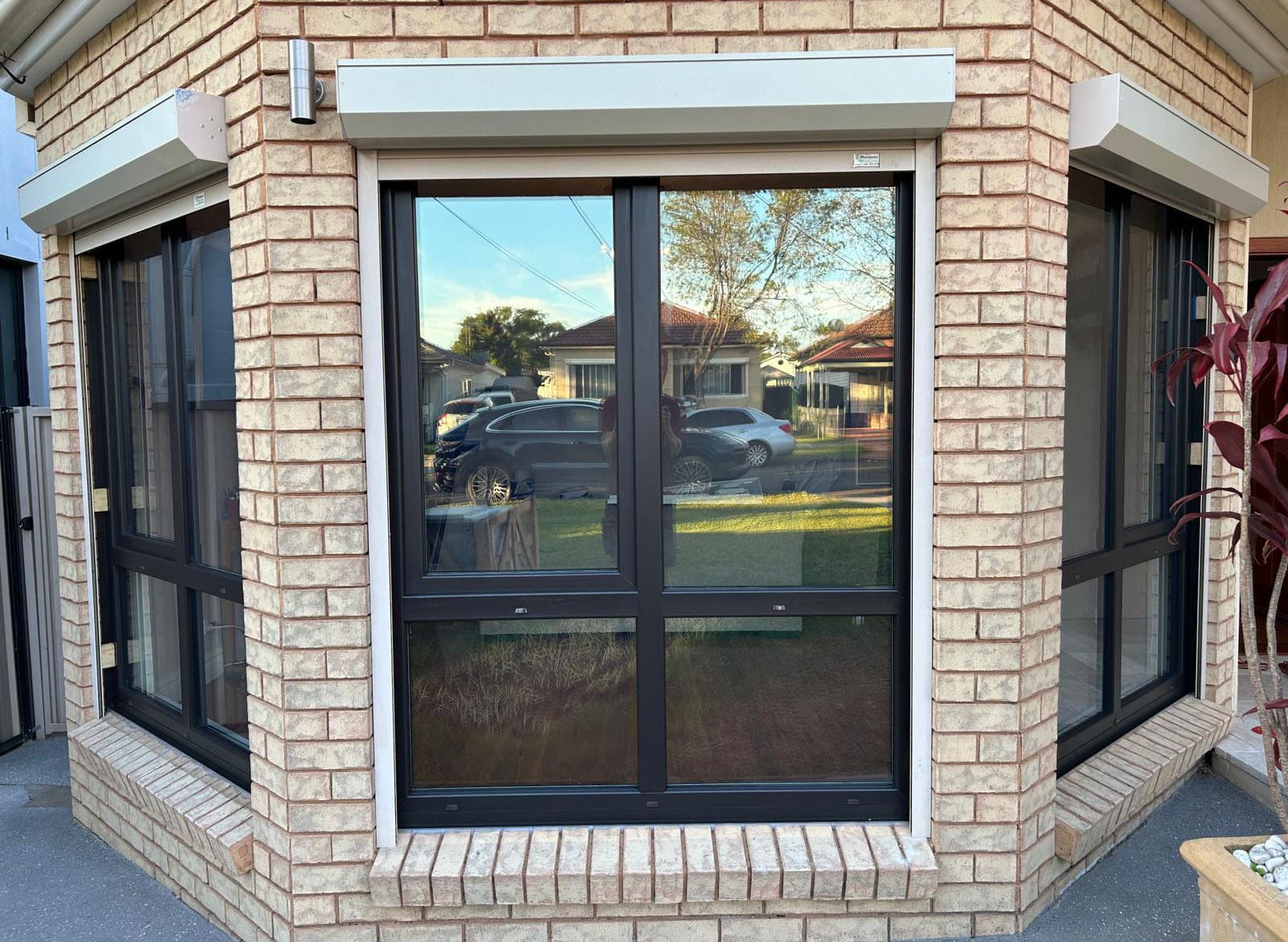
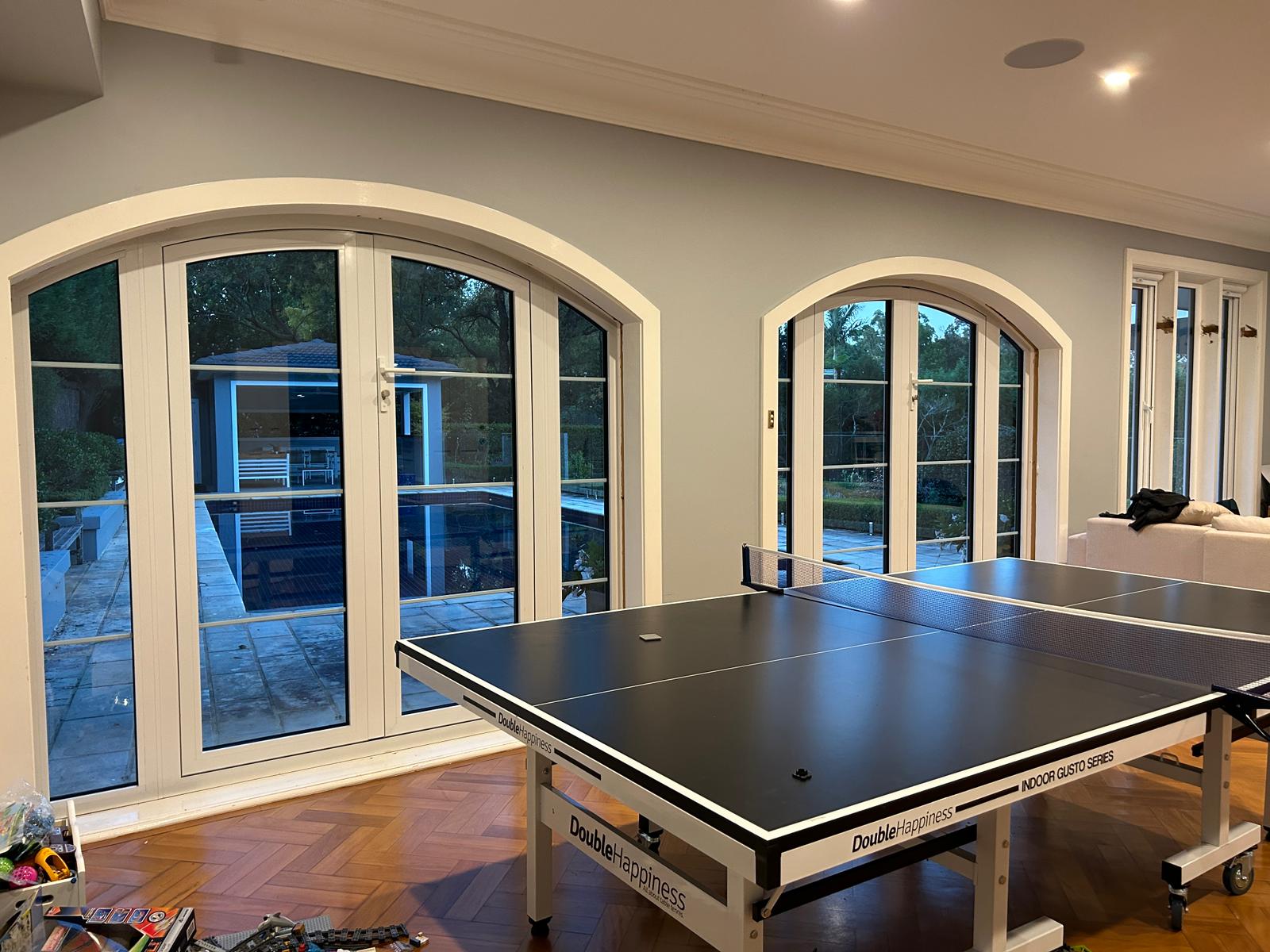
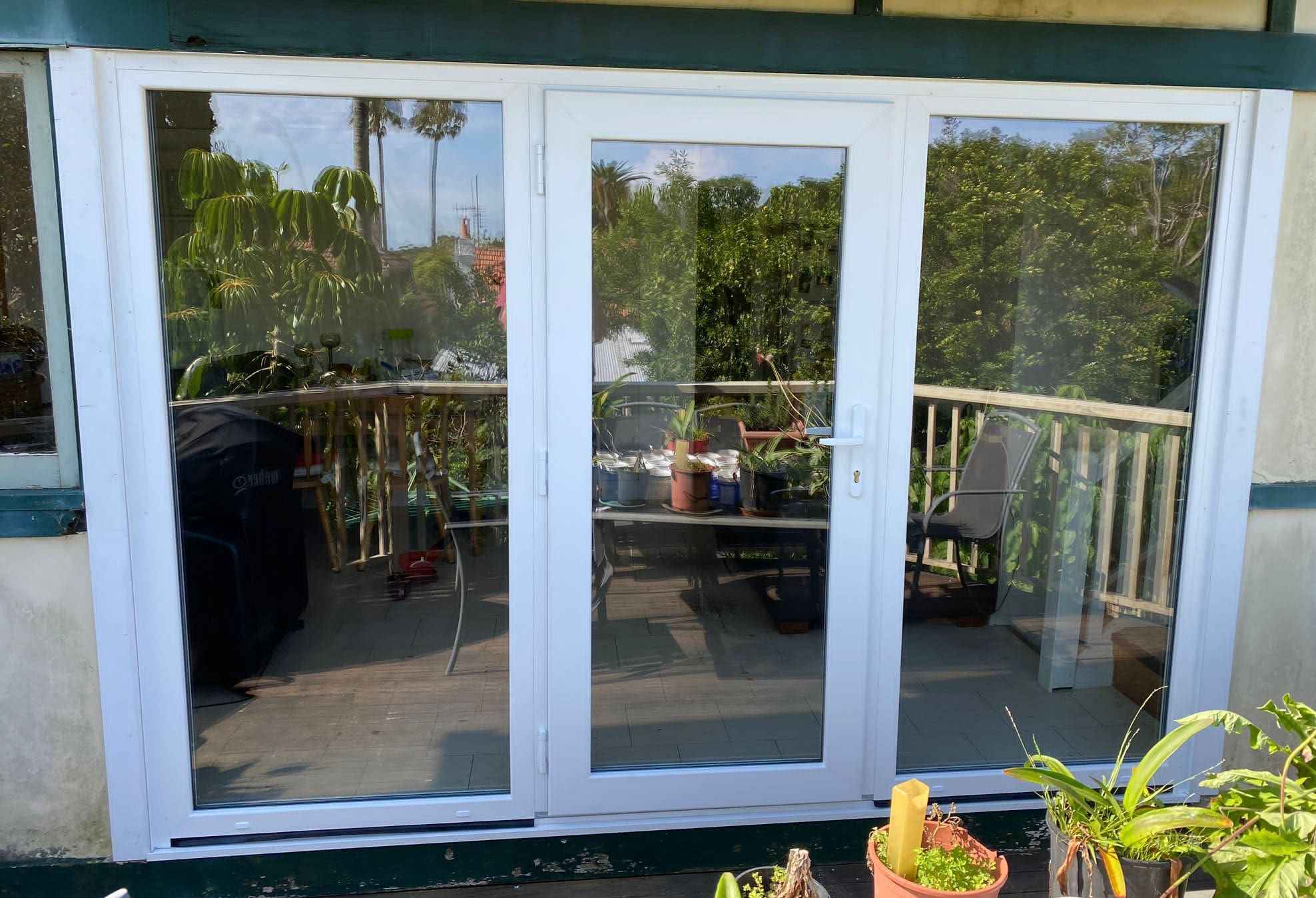
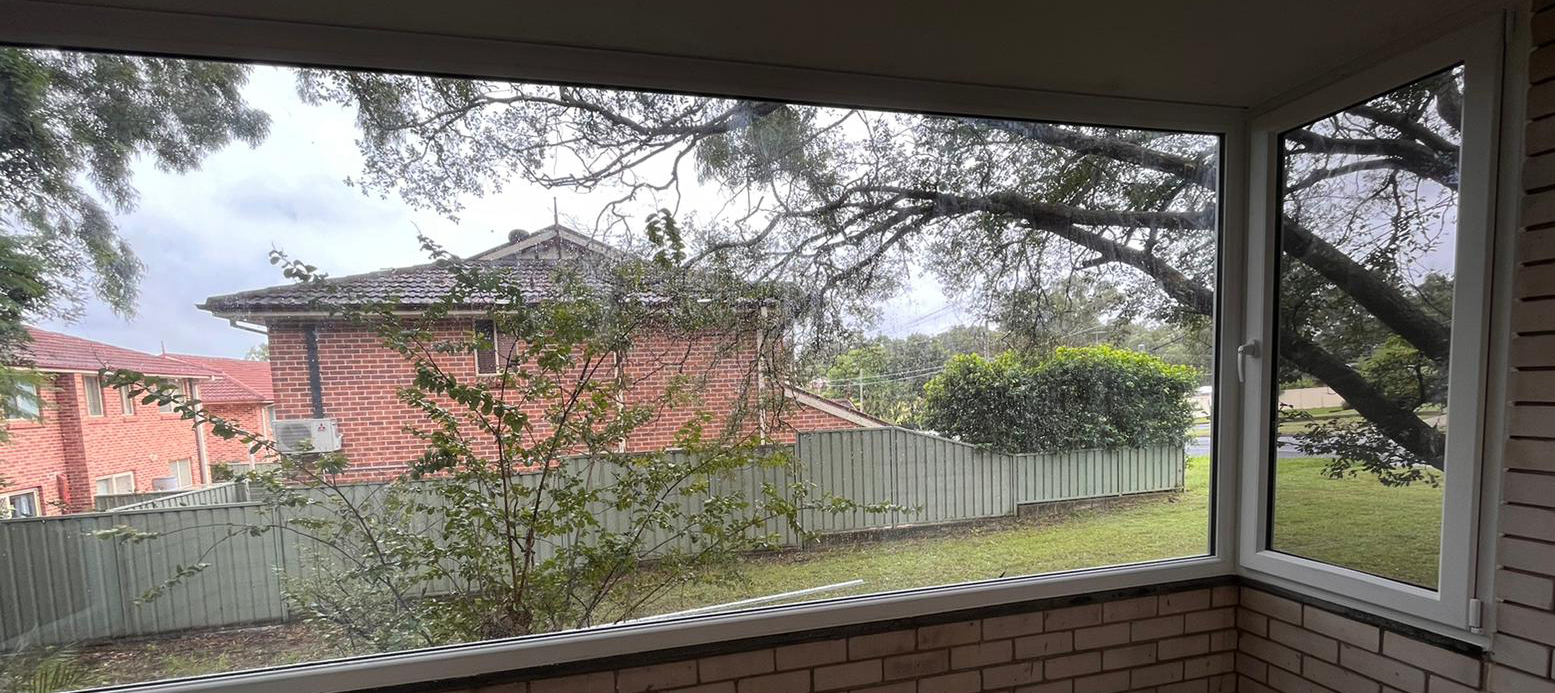
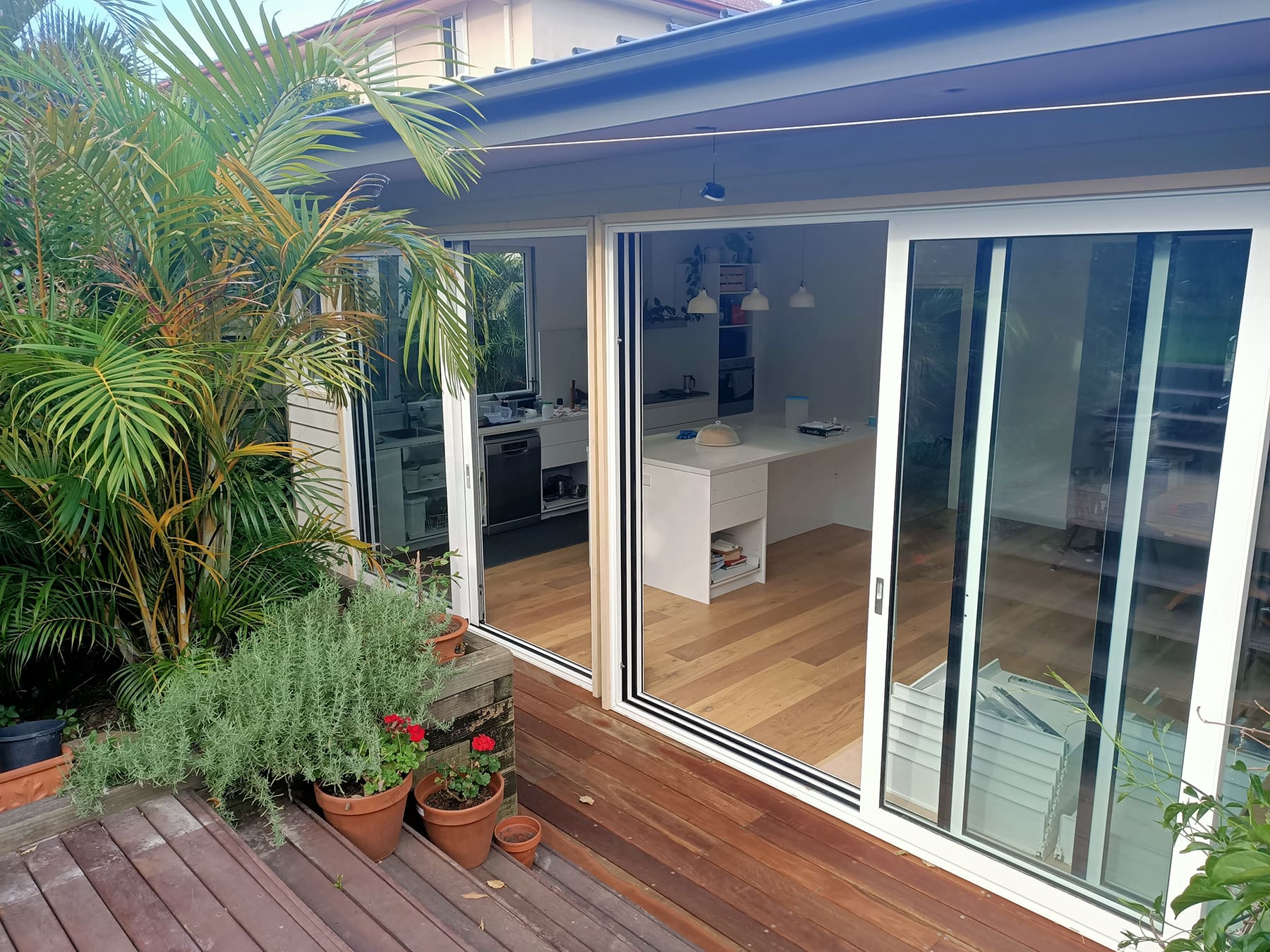

5. Manufacturing Quality Connects All the Components
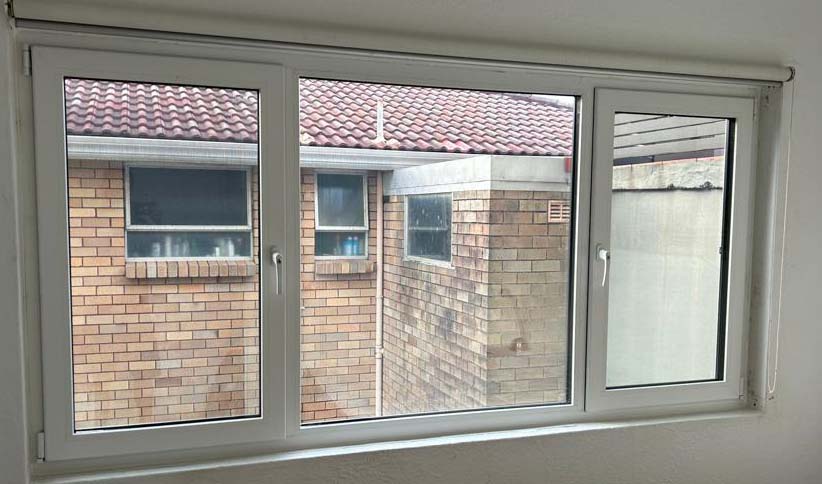
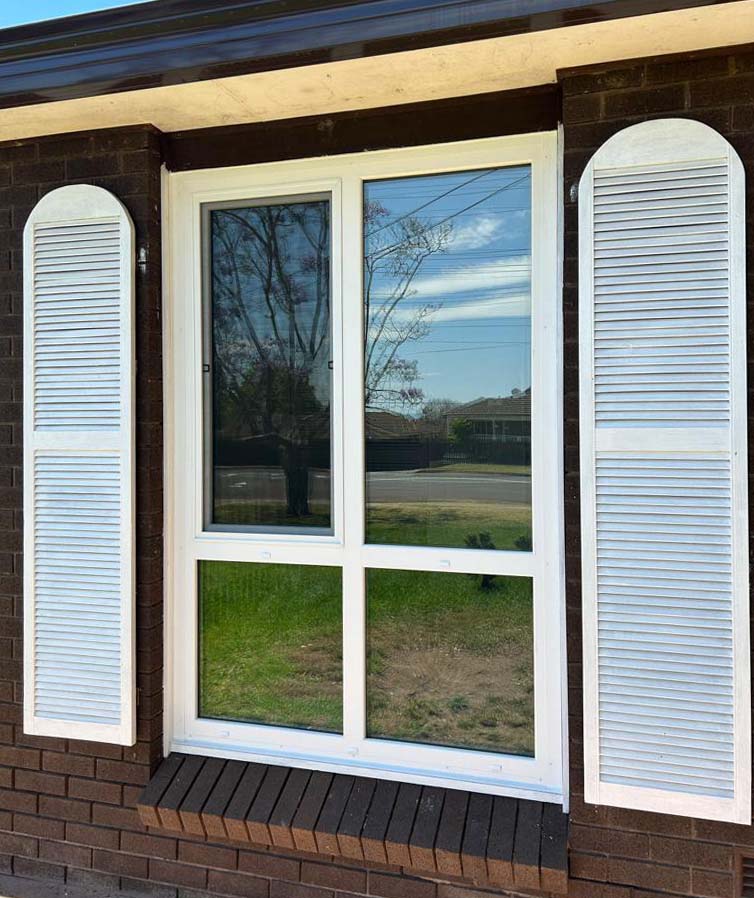
A window can be made from recognised components and still depend heavily on how those components are turned into a finished product.
Frames have to be fabricated to the required dimensions. Corners and joints need to be properly produced. Glazing has to be installed correctly. Hardware must be positioned and adjusted so the opening sections operate as intended.
Small inaccuracies can affect the finished window even when the individual components are good.
This is particularly relevant with custom-made replacement windows because the units have to correspond to the openings for which they were measured and manufactured.
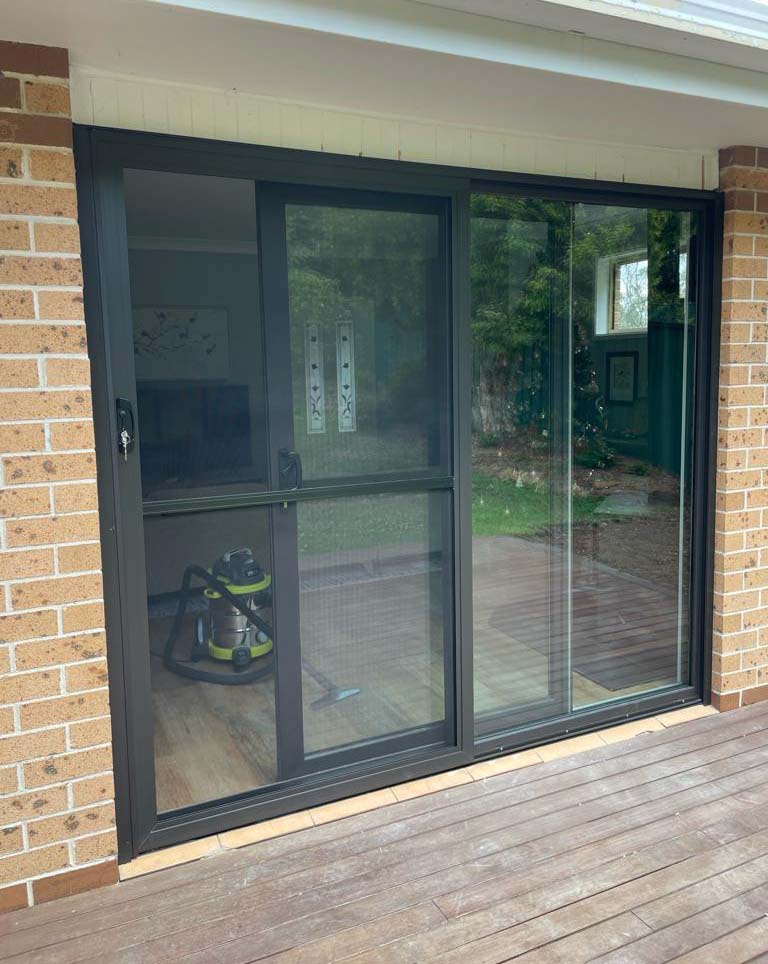
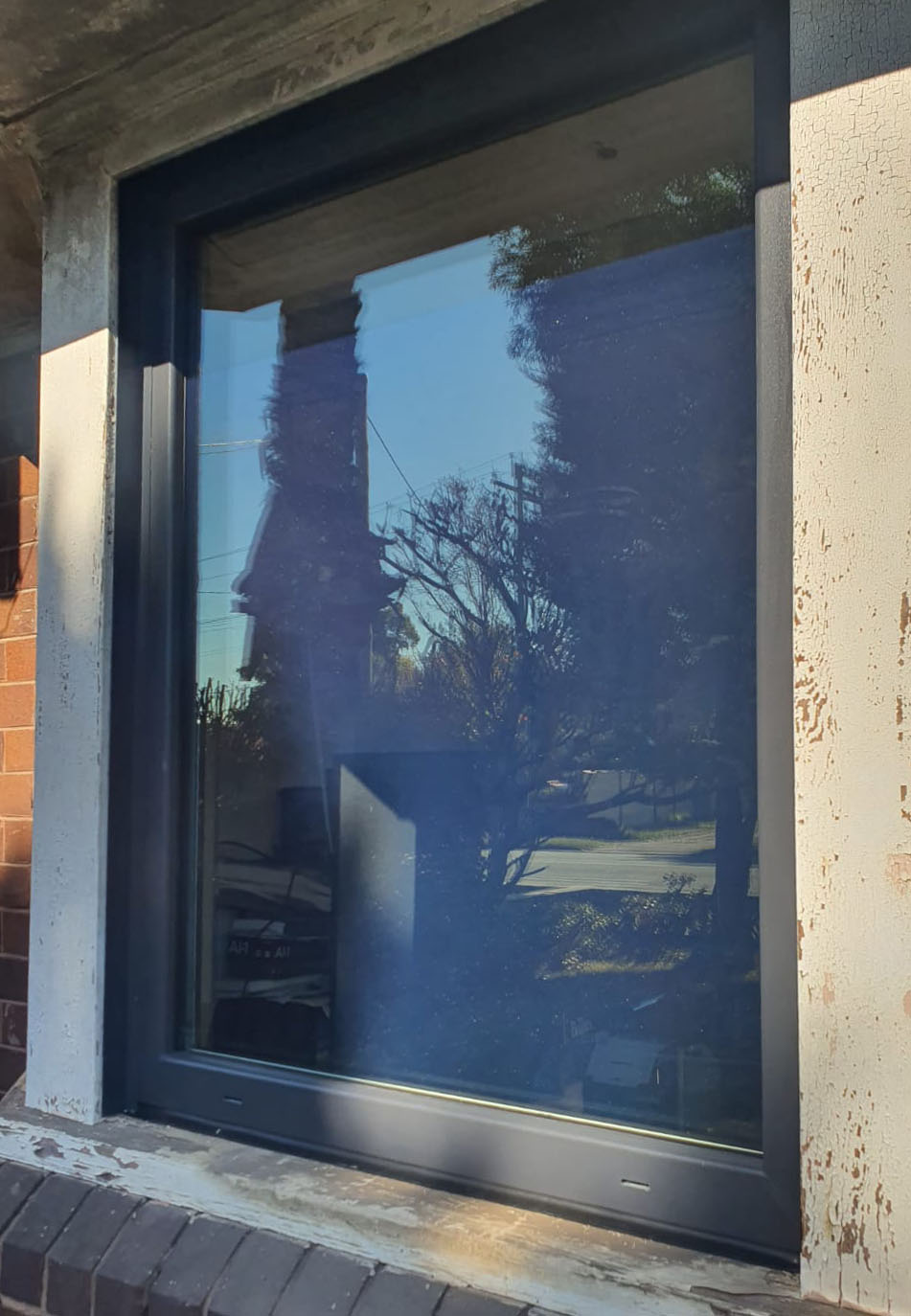
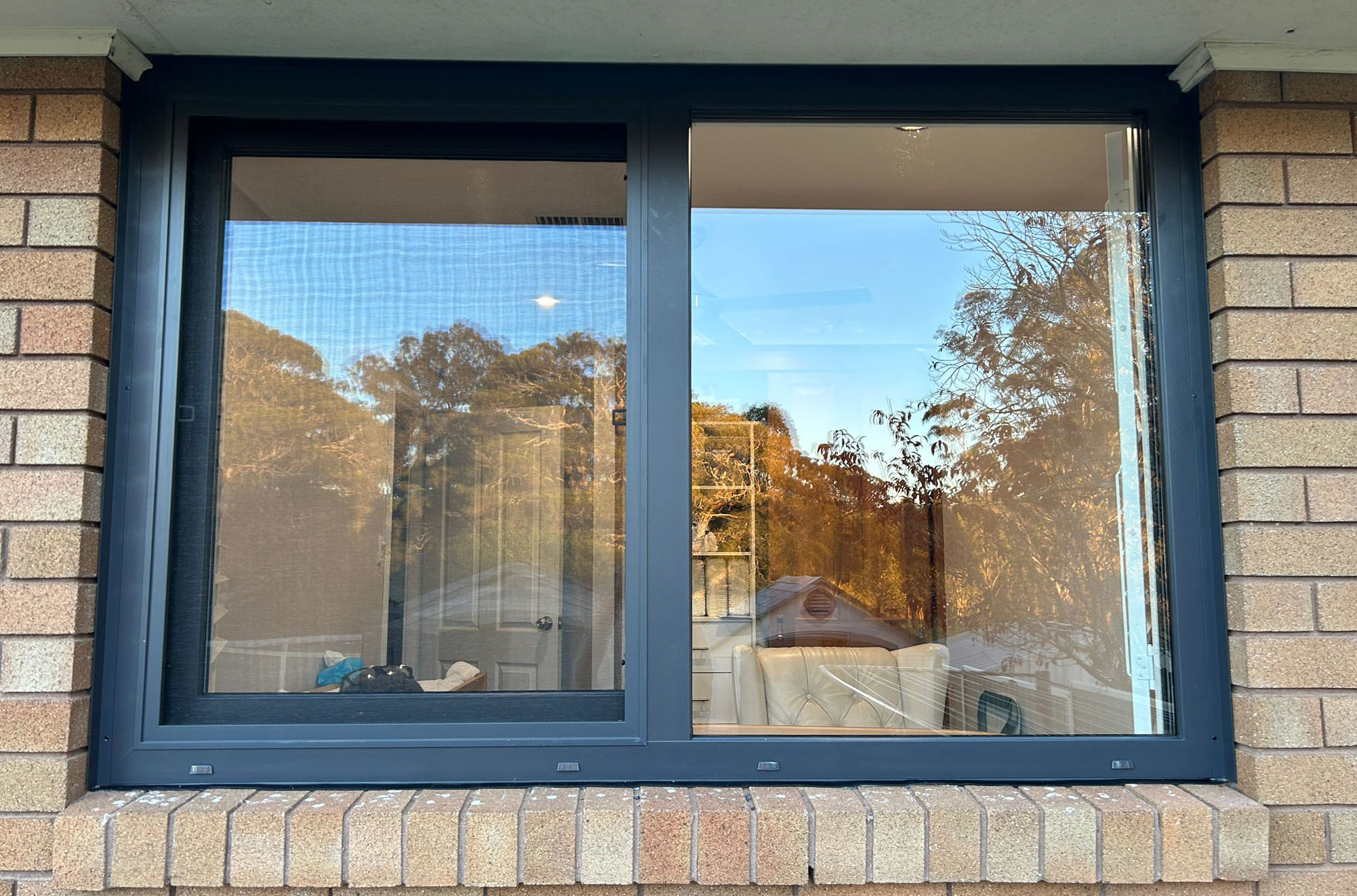
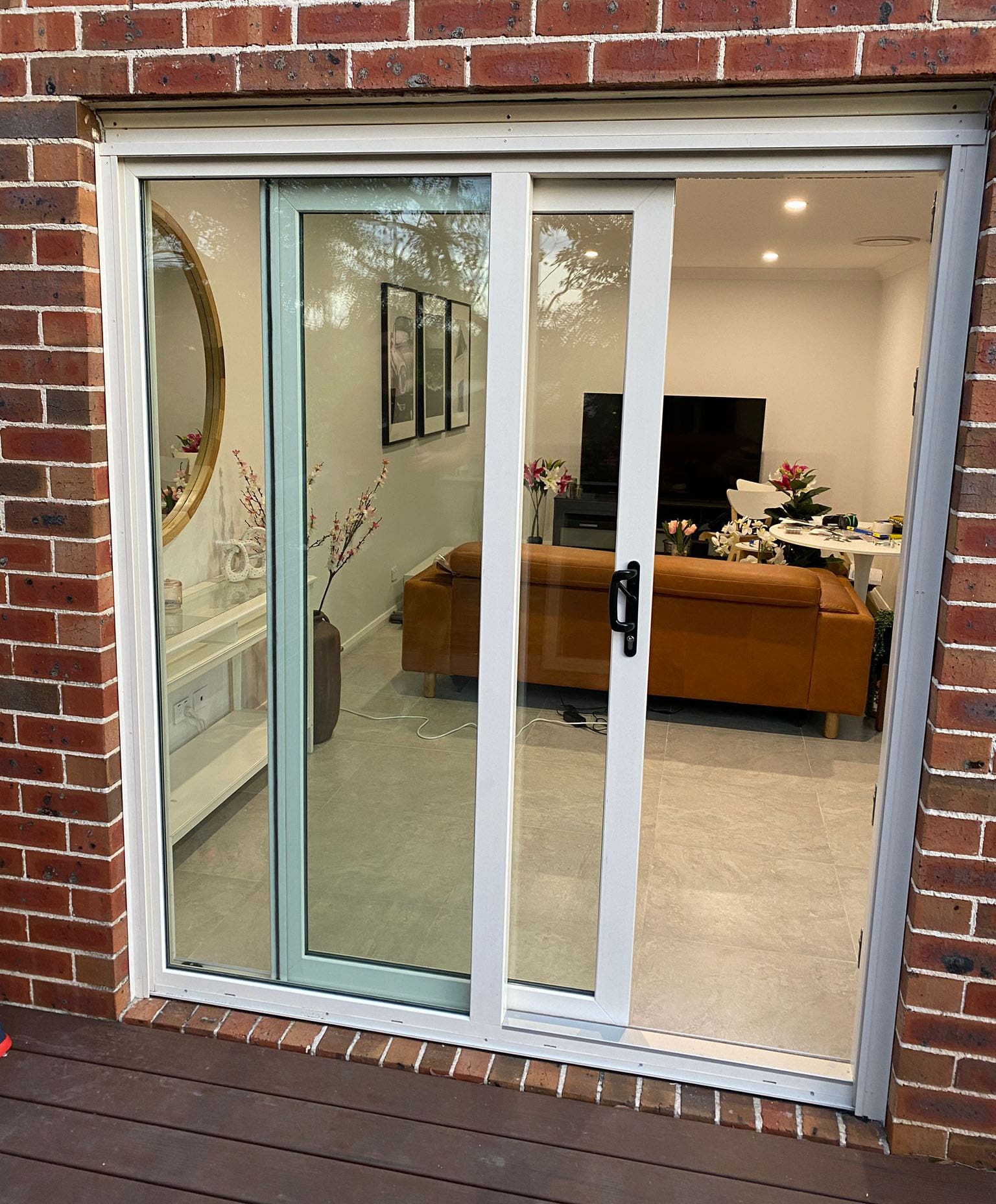
At Prestige Plus, our windows are manufactured in our Sydney factory. Having control over manufacturing is important to us because fabrication isn’t a separate detail between choosing a profile and installing a window; it is part of the finished system.
When you’re comparing products, it is therefore reasonable to ask where and how the windows are manufactured rather than focusing only on the brand names printed on individual components.
6. A Good Window Still Needs Good Installation
Once a window leaves the factory, there is still one major stage left.
Installation.
The opening in an existing house may not be perfectly square or uniform. Removing an old frame can also reveal conditions that weren’t visible beforehand. The replacement window has to be positioned, fixed, sealed, adjusted and finished appropriately within that opening.
This means installation can influence the performance of an otherwise well-specified window.
It is also why we don’t think it makes much sense to separate the product completely from the installation when evaluating a replacement window project. The homeowner ultimately lives with the installed window, not the window as it looked before it left the factory.
When you’re evaluating a supplier, ask who will install the windows, what the installation includes and who is responsible if an adjustment is needed afterwards.
7. The Best Window Is the One Specified for the Job
It is tempting to look for one feature that identifies the “best” window.
More chambers. Thicker glass. A particular brand. A particular frame depth. A more expensive glazing unit.
In practice, individual specifications need context.
For example, spending more on a particular glazing configuration makes sense when it addresses a real requirement of the property. The same upgrade may offer little practical value in another situation.
Window size and configuration matter too. The requirements for a large sliding door are not identical to those for a small bathroom window. Orientation, exposure, ventilation, security, thermal comfort and outside noise can all influence the specification.
A better question is therefore not simply “Which window has the highest specification?”
It is:
Is this window properly specified for this opening and for what I want it to achieve?
That question usually leads to a much more useful conversation.
Need a consultation?
Our operators will answer any questions
How Can You Compare Window Quality Before You Buy?
You obviously can’t install three competing window systems in your house for ten years and then decide which one performed best.
So before buying, concentrate on what can actually be checked.
Ask which profile system is being supplied. Request the glazing specification rather than accepting “double glazing” as the complete description. Ask about hardware, seals, manufacturing, installation and warranty support.
Then consider whether the supplier can explain why the proposed specification is appropriate for your particular project.
If you’re already comparing several proposals, our guide to comparing replacement window quotes provides a step-by-step method for putting the specifications, installation details, exclusions and warranties side by side.
And if the prices you’re receiving are very different despite the windows appearing similar, Why Do Similar Replacement Window Quotes Vary So Much? explains some of the reasons behind those differences.
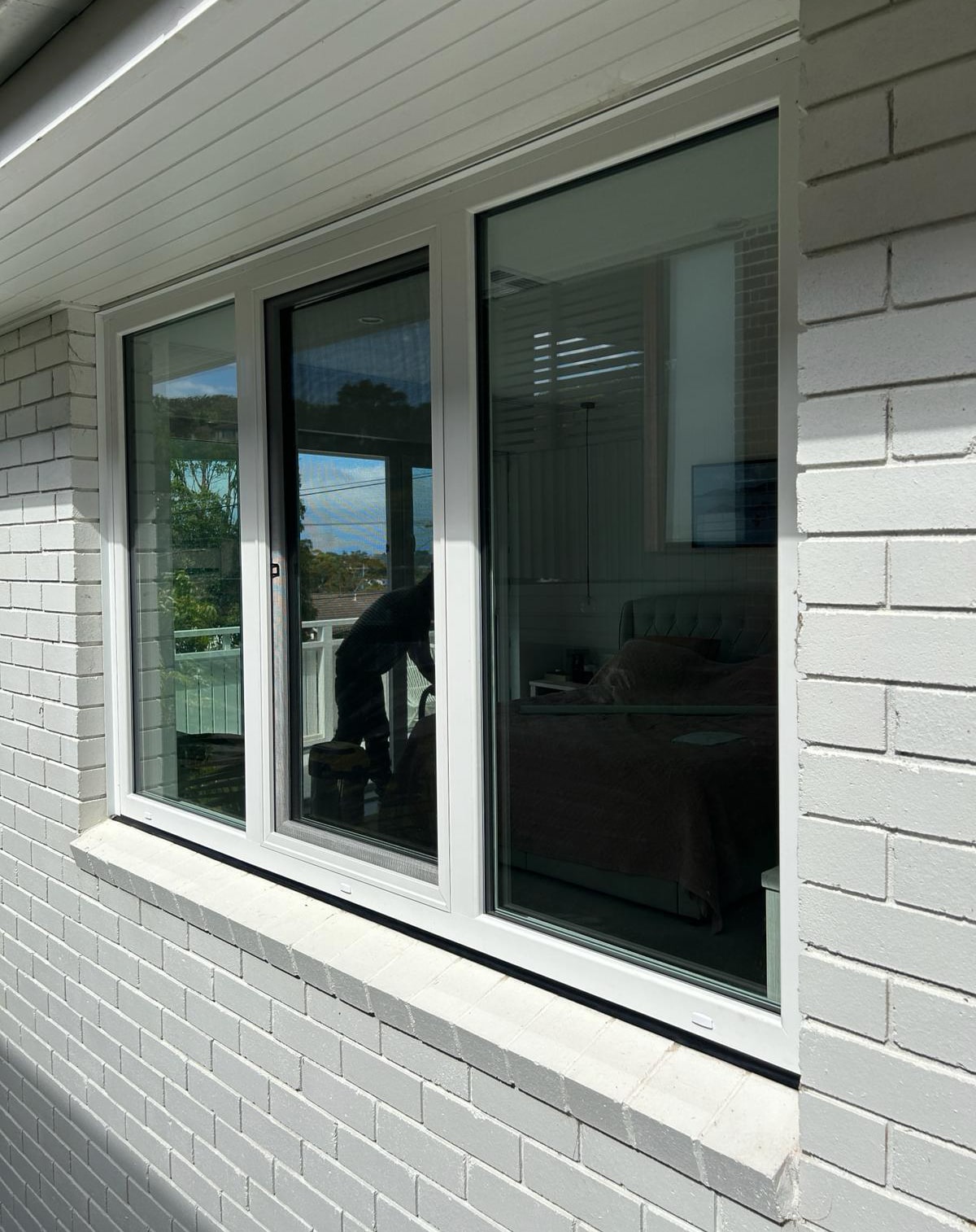
Quality Is the Complete Window, Not One Feature
A high-quality window isn’t created by one impressive component.
The frame matters. So does the glass. Seals and hardware matter. Manufacturing matters. Installation matters.
More importantly, they need to work together.
That is why two windows can look very similar when they’re new yet represent quite different products once you examine how they’re specified, manufactured and installed.
For homeowners, this also makes buying windows simpler in one respect. You don’t need to become a window engineer or memorise every technical specification.
You need to ask enough questions to understand what you’re buying, why it has been specified that way and who will be responsible for the finished result.
Looking for New Windows?
If you’re planning to replace your windows and want to understand which frame, glazing and opening configurations are suitable for your home, talk to the Prestige Plus team.
We manufacture uPVC windows in Sydney and can explain the available options in practical terms based on the requirements of your project.