
In this article:
The Existing Window Opening Matters More Than You Might Expect
Why Frame Alignment Affects Everyday Use
Sealing Is About More Than Keeping Rain Out
Poor Installation Can Undermine Noise Reduction
Installation Quality Also Influences Thermal Comfort
The Finish Around the Window Is Part of the Job
Why Installation Problems Can Become Expensive Later
What Should You Ask About Installation Before Accepting a Quote?
How Can You Recognise a Well-Installed Window?
A Good Installation Starts Before Installation Day
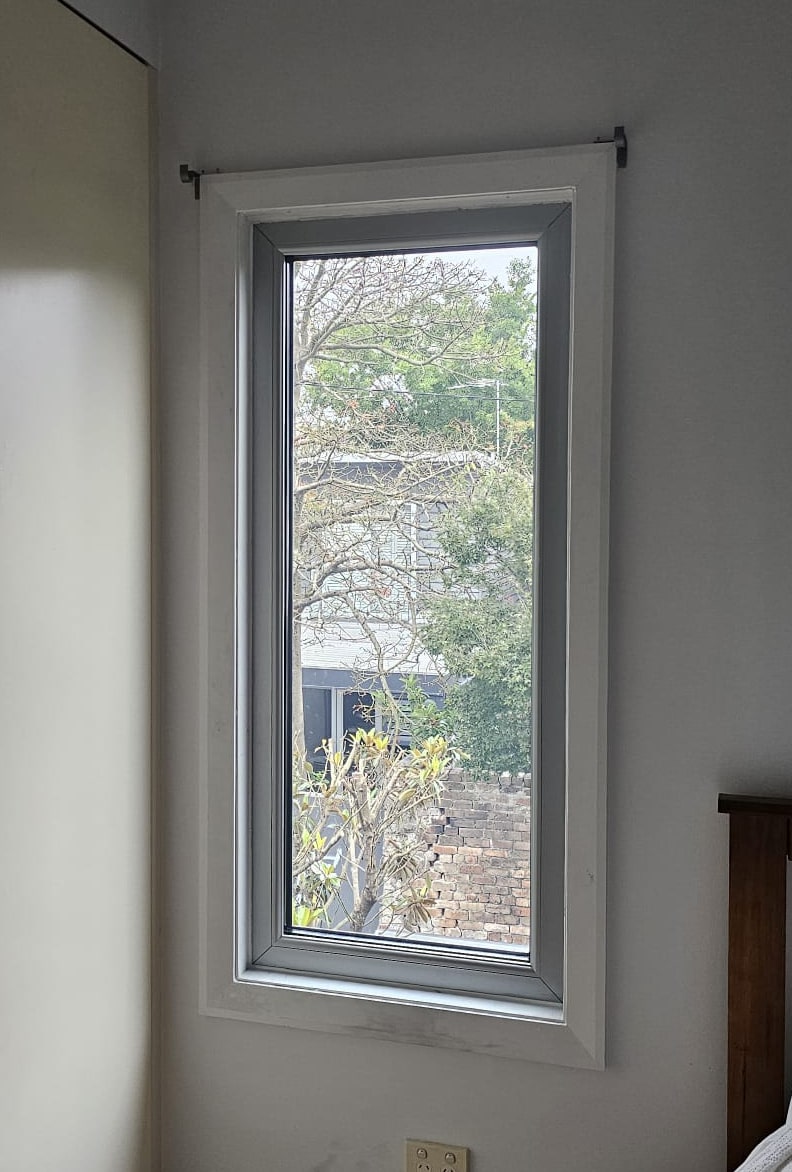
When homeowners compare replacement windows, most of the attention goes to the product. They look at frame materials, glazing options, energy efficiency, hardware and price. Installation often receives much less attention, particularly when the quotation simply says that fitting is included.
Yet the way a window is installed can have a considerable effect on how it performs once it’s part of the house.
A well-made window can still develop draughts, become difficult to operate or allow unwanted noise through gaps around the frame if it hasn’t been fitted correctly. Some installation problems are immediately noticeable. Others may only become apparent after months of opening and closing the window or during particularly wet, windy or hot weather.
Understanding what good installation involves can help you compare suppliers more effectively and avoid problems that may be difficult to correct later.
A Good Window Can Still Perform Poorly After Installation
A replacement window arrives with certain characteristics already built into it. Its frame system, glazing, seals and hardware have been selected to deliver a particular level of performance.
Those characteristics matter, but the window doesn’t operate independently of the building.
Once installed, the frame becomes part of the wall opening. The connection between the two must be secure, properly aligned and appropriately sealed.
Consider a double-glazed window selected to reduce outside noise. The glass may offer good acoustic performance, but a poorly sealed gap around the frame can provide another route for sound to enter the room.
The same principle applies to thermal comfort. A window designed to reduce heat transfer cannot deliver its intended performance if uncontrolled air leakage develops around its perimeter.
This is why window quality needs to be considered as a complete system, from manufacturing through to installation.
Our guide to what makes one window better than another examines the different components that contribute to the finished product.
The Existing Window Opening Matters More Than You Might Expect
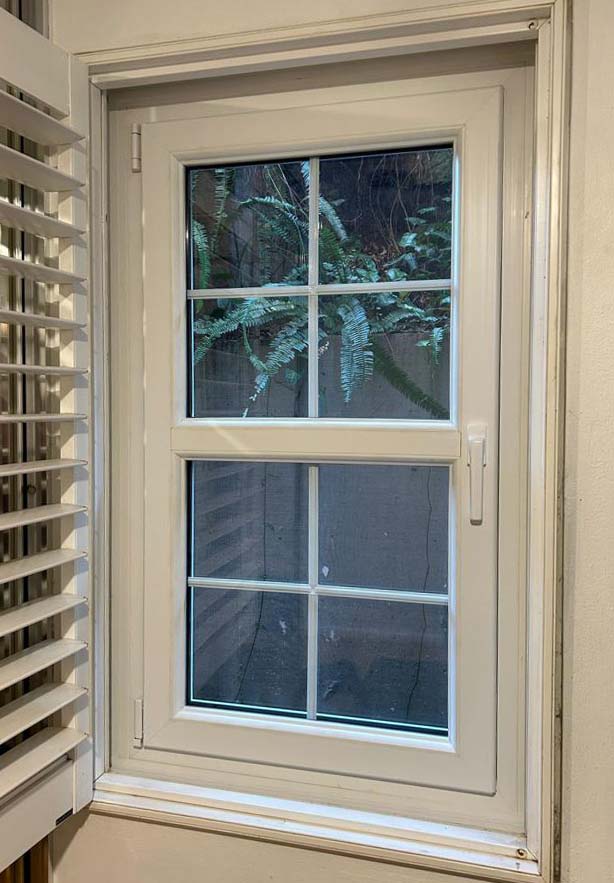
Replacement projects are different from installing windows in a new building.
The installer is working with an existing opening, and that opening may not be perfectly square, level or consistent in size.
Older buildings can present additional challenges. Previous repairs, changes to wall finishes or earlier installation methods may affect the condition of the surrounding structure.
A window should therefore be measured and specified with the actual opening in mind.
This is one reason professional measurement is an important stage of a replacement project. The installer needs to understand the dimensions and condition of the opening, not simply record the approximate width and height of the old window.
At Prestige Plus, we manufacture our uPVC windows at our Sydney factory. Accurate measurements and clear installation requirements are important because each replacement window must suit the opening for which it has been manufactured.
If an opening requires additional preparation or repair, that work should be identified and discussed rather than overlooked.
A small difference in dimensions may seem insignificant on paper, but the way the frame fits within the opening affects the installation process and the finished result.
Why Frame Alignment Affects Everyday Use
One of the clearest signs of installation quality is how the window operates.
An opening sash should move smoothly, close correctly and engage its locking points as intended.
If the frame is distorted during installation or isn’t properly aligned, the moving parts may not operate as designed.
A handle might become difficult to turn. A sash may rub against the frame. The locking mechanism might require excessive force to engage.
These symptoms aren’t always caused by poor installation. Hardware adjustment, wear or an issue with an individual component can produce similar results.
However, correct alignment and support during installation are essential to ensuring the window begins its working life in the right condition.
This is particularly important for larger opening sections, where the weight of the glazing and repeated operation place demands on the hardware.
A homeowner shouldn’t need to understand every fixing method, but it’s reasonable to expect the installer to check that each opening section operates correctly before completing the job.
Sealing Is About More Than Keeping Rain Out
When people think about sealing a window, they often imagine a bead of sealant around the outside of the frame.
The actual connection between a window and the surrounding wall can be more complicated.
The installation needs to account for air leakage, water management, movement between materials and the conditions of the particular opening.
A poorly sealed perimeter may allow draughts to develop even when the window itself closes tightly.
Water management is equally important. Rainwater needs to be directed away appropriately, and the installation must not obstruct drainage features designed into the window system.
The correct sealing approach depends on the window, wall construction and exposure conditions. A method suitable for one installation may not be appropriate for another.
This is also why simply applying more sealant isn’t necessarily a solution to a poorly fitted window.
The underlying connection must be properly designed and executed.
For homeowners, the practical question is whether the installation company can explain how the window will be secured, sealed and finished for the particular building.
Poor Installation Can Undermine Noise Reduction
Outside noise is one of the reasons many homeowners consider replacing older windows.
Traffic, neighbouring properties and general street activity can make certain rooms uncomfortable, particularly bedrooms and home offices.
Glazing selection is important when noise reduction is a priority, but the performance of the complete installed window matters too.
Sound can travel through gaps and other weak points in the building envelope. If the window perimeter isn’t adequately sealed, the acoustic benefits of an upgraded glazing unit may be reduced.
This doesn’t mean that every noise problem is caused by window installation. Walls, roofs, ventilation openings and other parts of the building can also transmit sound.
It does mean that a window should be assessed as an installed assembly rather than as an isolated piece of glass.
If you’re investing in upgraded acoustic glazing, ask the supplier how the installation will support the performance you’re paying for.


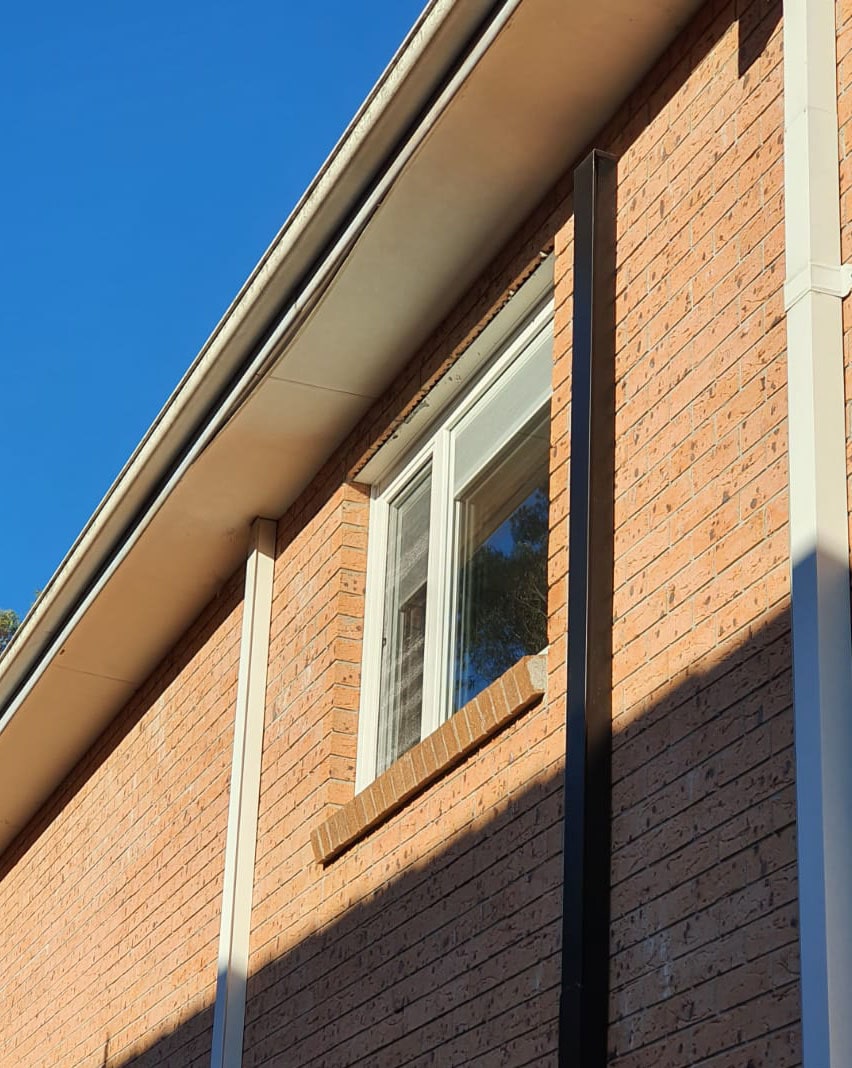
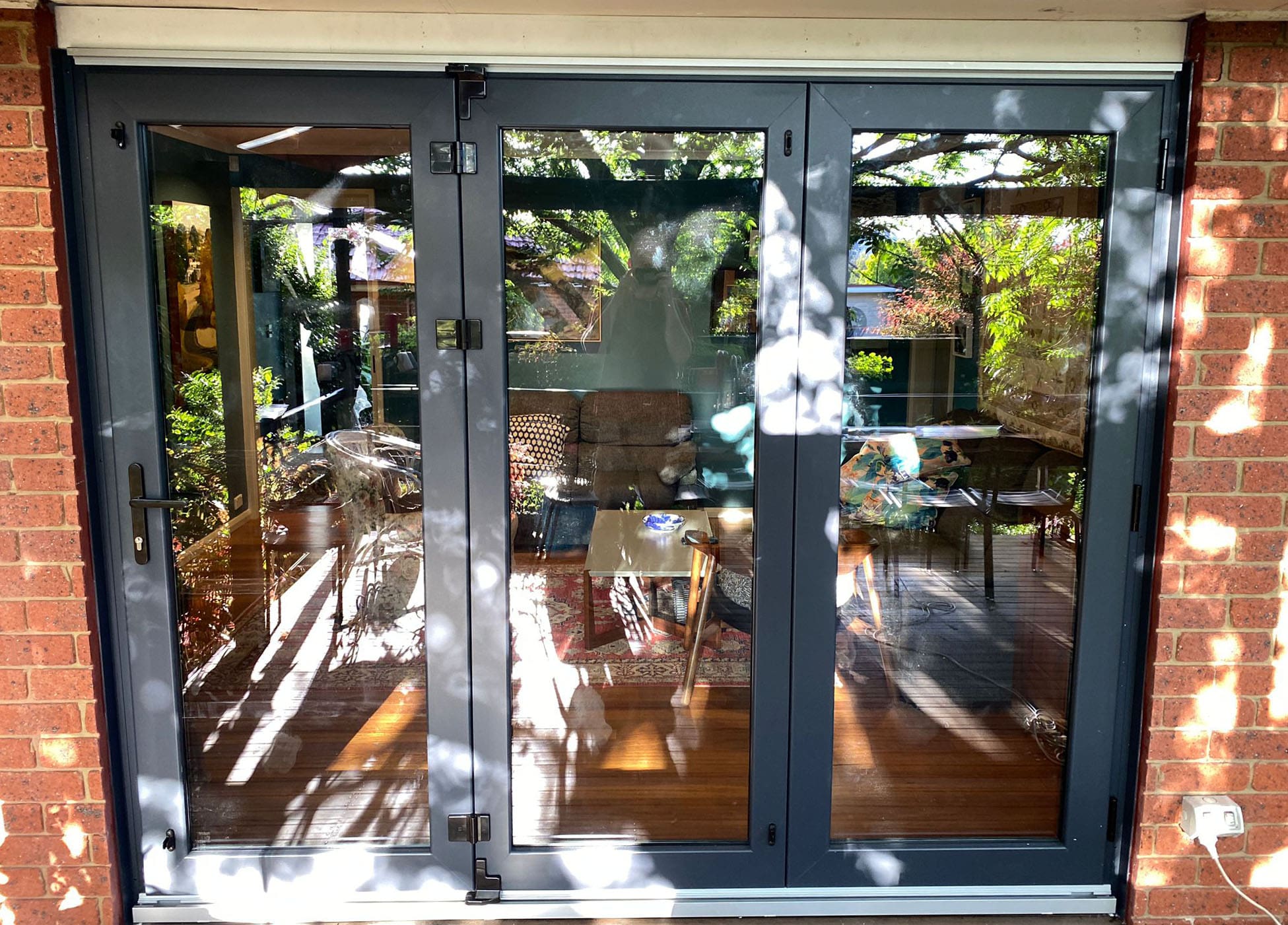
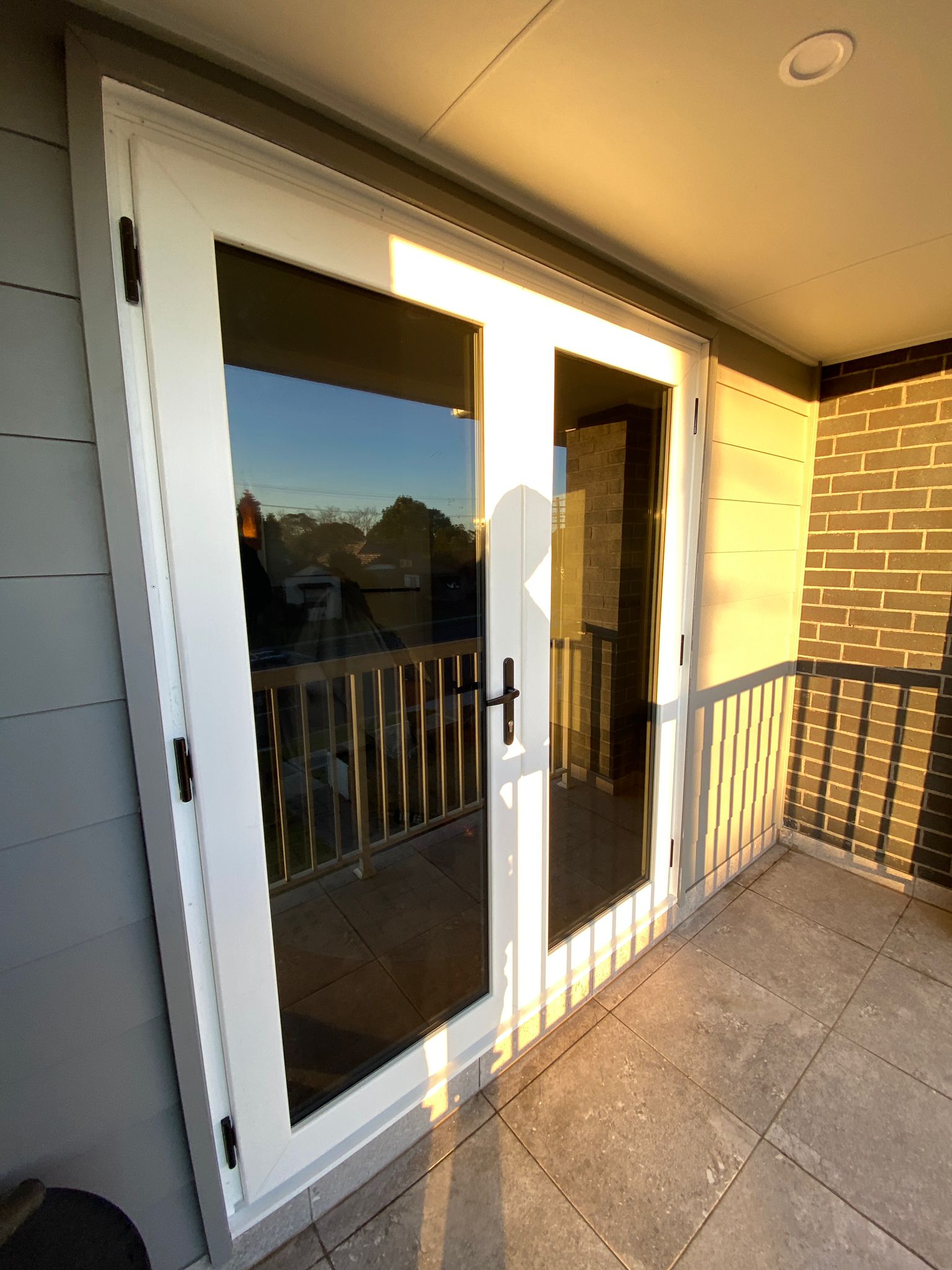
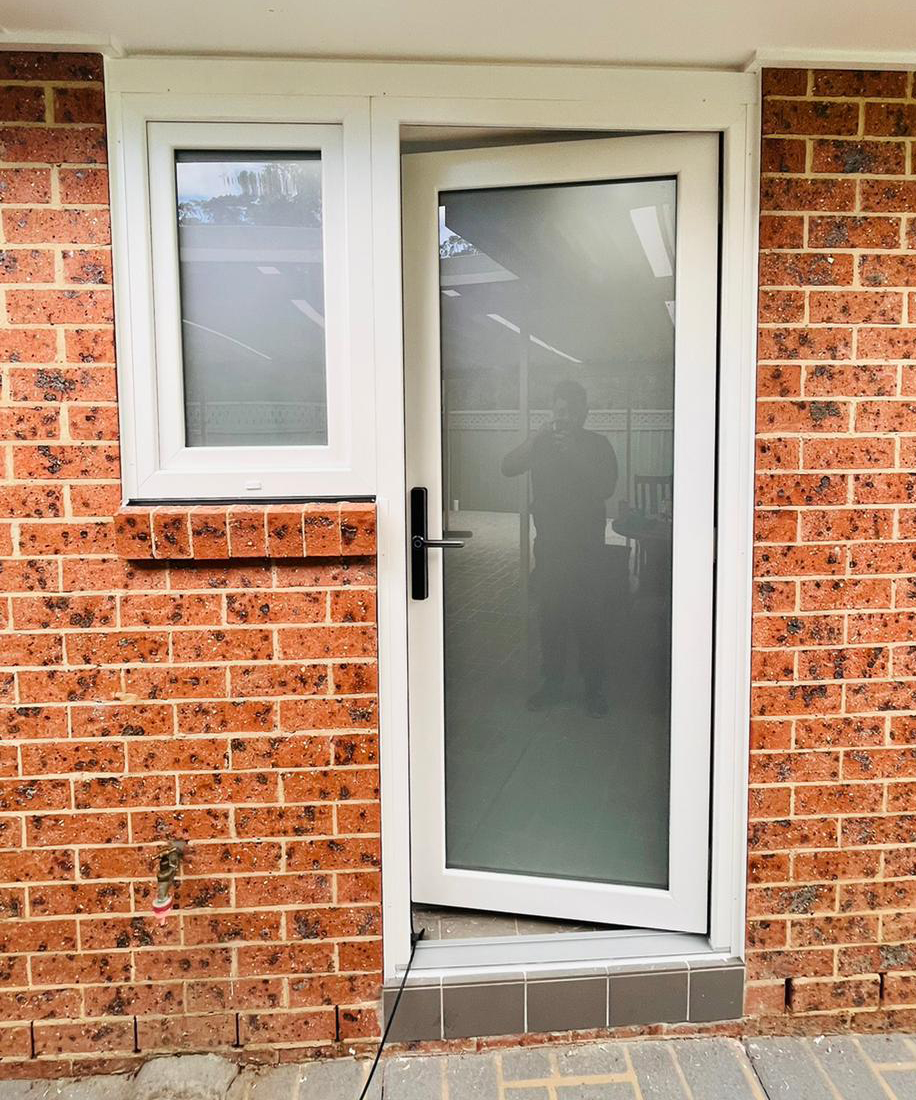

Installation Quality Also Influences Thermal Comfort
A similar relationship exists between installation and energy efficiency.
Modern double glazed windows can help reduce heat transfer through the glazing and frame, depending on their specifications.
However, unwanted air movement around the window can undermine those benefits.
A room may still feel draughty despite having new glazing. In some cases, temperature differences near the opening can make occupants feel uncomfortable even when the heating or cooling system is operating normally.
Thermal performance also depends on the surrounding building, including insulation, orientation, shading and ventilation.
Correct installation cannot compensate for every weakness in a home’s thermal design, but it helps ensure that the new window doesn’t introduce avoidable problems.
This is particularly relevant when homeowners are replacing windows primarily to improve comfort rather than appearance.
The installation should support the intended performance of the product.
The Finish Around the Window Is Part of the Job
Homeowners naturally judge installation by what they can see.
Are the frames straight? Are the surrounding surfaces neat? Does the window look properly integrated into the room?
These details matter, but the finish should be considered alongside the less visible installation work.
Removing an old window can disturb plaster, trims, tiles or other surrounding materials. The amount of finishing required depends on the existing construction and the agreed scope of work.
Some projects may require additional repairs or specialist trades.
The important point is that the customer understands what is included before installation begins.
A quotation that includes fitting but excludes substantial finishing work may still be perfectly reasonable. Problems arise when those exclusions aren’t clear.
If you’re comparing suppliers, our guide to comparing replacement window quotes explains how to examine installation scope alongside the product specification and price.
Why Installation Problems Can Become Expensive Later
Not every installation defect leads to a major repair.
Some issues can be corrected through adjustment or relatively straightforward remedial work.
Others may be more difficult to address, particularly when the problem involves the connection between the frame and the surrounding structure.
Accessing concealed fixing or sealing details may require removal of trims or finishes. More serious problems can involve additional building work.
There is also the inconvenience of arranging inspections, repairs and further visits.
This is why the cheapest installation option isn’t necessarily the most economical over the life of the window.
A lower quotation may reflect an efficient installation process, a different business model or perfectly reasonable savings. It doesn’t automatically indicate poor workmanship.
The important question is whether the supplier has allowed for the work required to install the windows correctly.
Saving money by reducing unnecessary costs is sensible. Saving money by leaving essential work unspecified is much riskier.
Need a consultation?
Our operators will answer any questions
What Should You Ask About Installation Before Accepting a Quote?
You don’t need to supervise every technical decision or tell an experienced installer how to do the job.
You should, however, understand the main stages of the work and who is responsible for them.
Before accepting a quotation, ask whether the company will carry out a detailed site measurement and assess the existing openings.
Find out whether removal and disposal of old windows are included, how the new frames will be fitted and sealed, and what finishing work forms part of the agreed price.
It’s also worth asking what happens if the installers uncover damaged surrounding materials or another unexpected condition.
A clear answer doesn’t mean the supplier can predict every issue in advance. It means there is an agreed process for identifying additional work and discussing any resulting costs.
Finally, ask who checks the completed installation and who you should contact if something needs attention afterwards.
These questions help establish what you’re buying beyond the window itself.
How Can You Recognise a Well-Installed Window?
Most homeowners won’t be able to inspect concealed fixings or assess every technical detail of a completed installation.
There are, however, several practical things worth checking.
Look at the overall alignment of the frame and the finish around the opening. Operable windows should open and close smoothly, without scraping, binding or requiring unusual force.
Handles and locking mechanisms should work as intended. The seals should make appropriate contact when the window is closed.
Check that visible finishing work has been completed according to the agreed scope and that the installers have explained any remaining work or limitations.
These checks don’t replace a professional inspection, and a visually neat finish doesn’t prove that every concealed detail is correct.
They do provide an opportunity to identify obvious concerns while the installation team is still available.
If something doesn’t seem right, ask for an explanation rather than assuming it will improve with use.
A Good Installation Starts Before Installation Day
One of the less obvious aspects of installation quality is how much depends on earlier decisions.
Accurate measurements, suitable window specifications, clear communication between manufacturing and installation, and a properly defined scope of work all contribute to the result.
By the time an installer arrives at the property, many important decisions have already been made.
This is why we believe homeowners should discuss installation while choosing their windows, rather than treating it as a separate detail to consider after agreeing on the product.
At Prestige Plus, manufacturing and installation form connected parts of the replacement window process. The objective is to supply windows that suit the property and install them in a way that supports their intended performance.
A good window should look right, operate properly and continue doing its job long after installation day.
That requires attention to both the product and the work that connects it to your home.
Planning to Replace Your Windows?
We manufacture our windows in Sydney and provide a 10-year product and installation warranty.