
In this article:
2. Check the Exact Window and Door Configurations
3. Confirm the Frame System Being Supplied
4. Verify the Glazing Specification
5. Check Opening Hardware and Important Accessories
6. Check Colours, Finishes and Visual Details
7. Confirm Who Is Manufacturing the Windows
8. Read the Installation Scope Carefully
9. Look for Exclusions and Possible Extra Costs
10. Confirm the Final Price and Payment Terms
11. Read the Warranty as Coverage, Not Just a Number
12. Ask What Happens After Installation
13. Check Relevant Performance and Compliance Information
14. Make Sure Verbal Changes Made It Into the Final Quote
15. Do One Last Room-by-Room Check
16. Your Final Replacement Window Checklist

By the time you are ready to order replacement windows, you may already have looked at several products, spoken with different companies and compared more than one quotation.
That is usually the point where the process becomes deceptively simple.
You have a preferred supplier. The price looks reasonable. The window style is decided. All that seems left is to approve the quote.
Before you do, it is worth checking the details one final time.
Most problems at this stage are not caused by something dramatic being wrong. More often, a detail was discussed but never written down, two people understood an inclusion differently, or an assumption was made about glazing, finishing or warranty coverage.
This checklist is designed for that final review.
Confirm What Problem the New Windows Are Supposed to Solve
Start with the reason you are replacing the windows.
Is the priority outside noise?
Winter comfort?
Summer heat?
Security?
Ventilation?
Maintenance?
Or simply replacing windows that are old and no longer operate properly?
This matters because the proposed specification should reflect the reason for the project.
If traffic noise was one of your main concerns but the final quote contains no clear information about the glazing being supplied, that is worth clarifying before you order.
Likewise, if a west-facing room becomes uncomfortable in the afternoon, make sure that issue was actually considered when the glass was selected.
The final specification should still make sense when you compare it with the original problem.

Check the Exact Window and Door Configurations
Look at each opening rather than just the total number of windows.
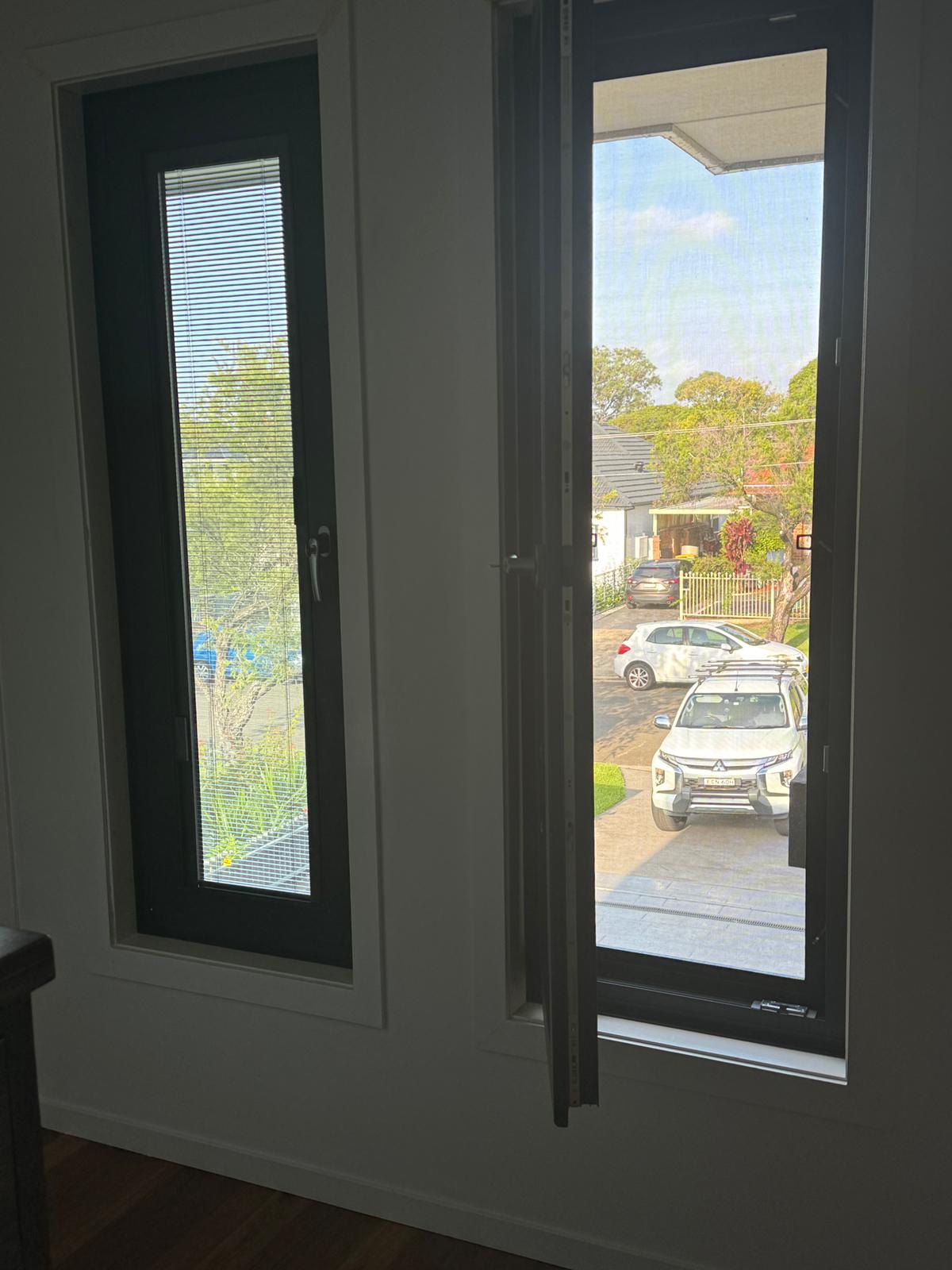
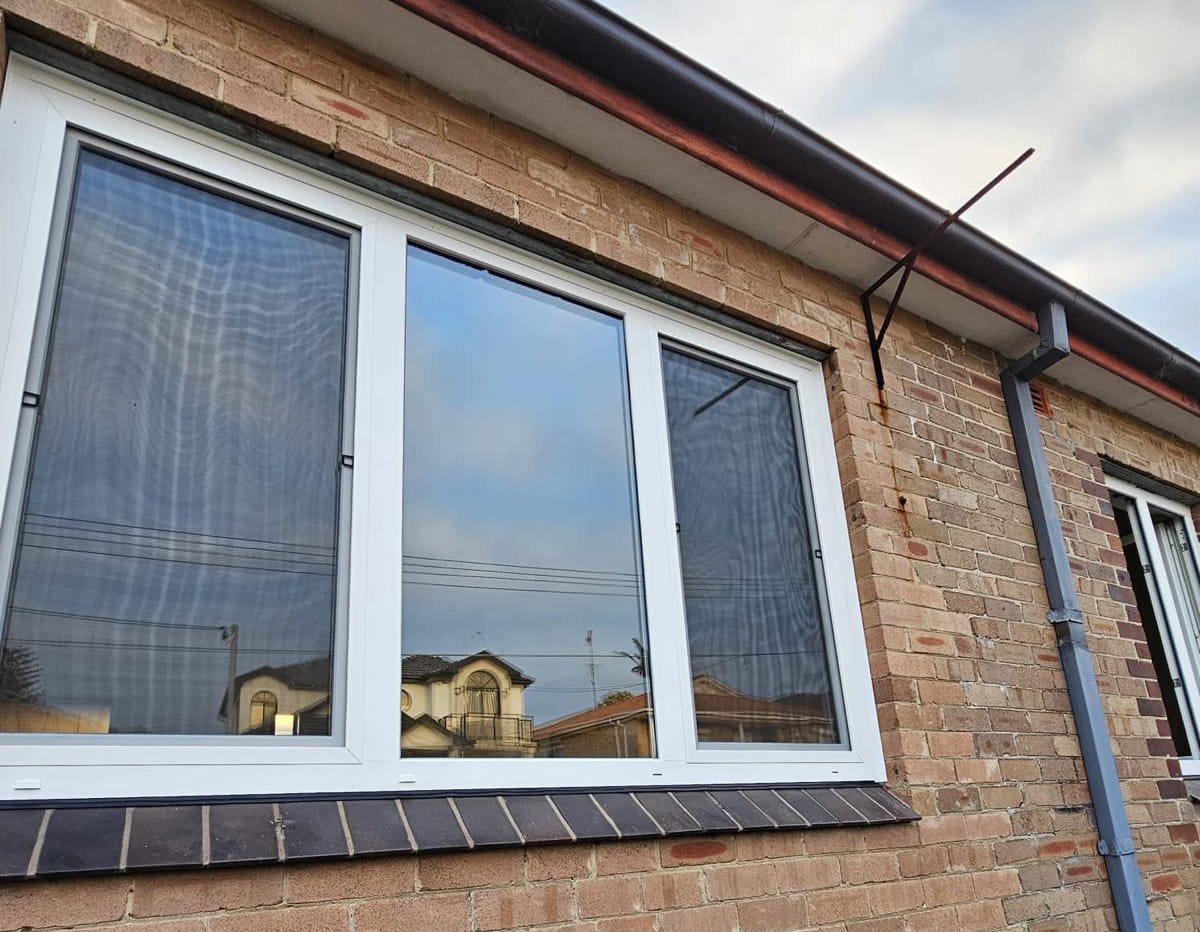
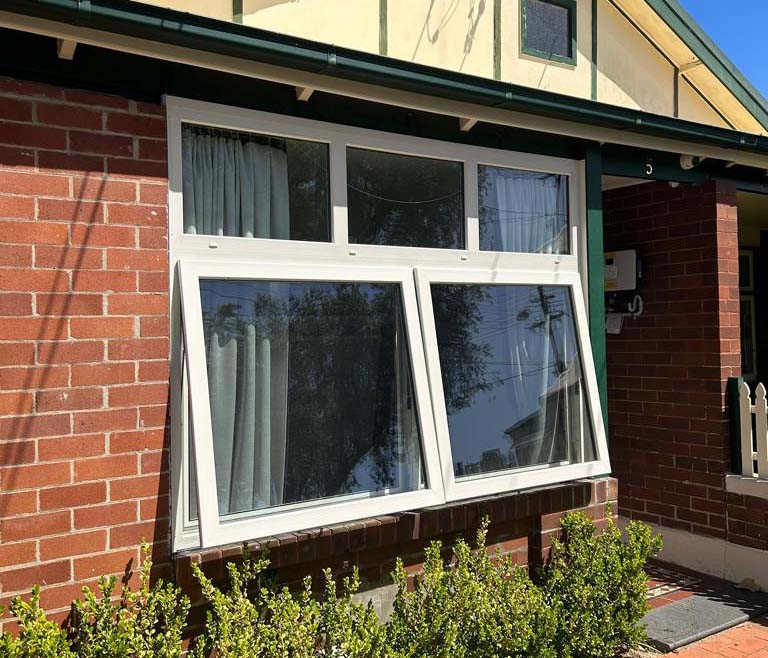
Confirm which sections are fixed, which open, the opening direction, window style, door configuration and any unusual divisions or shapes.
A fixed pane and an opening sash may look similar on a simple quotation drawing, but they are not the same product.
If a window has several sections, make sure the configuration shown is the one you agreed to.
This is particularly useful for bedrooms, kitchens and other rooms where ventilation or furniture position can affect how practical an opening window will be.
Confirm the Frame System Being Supplied
A quotation that simply says “uPVC windows” does not tell you very much about the frame system.
You should be able to identify what is being supplied and, where relevant, whether different openings use different systems.
The profile name itself is not the whole specification, but it gives you a clear reference point.
If you’re choosing uPVC windows, also check that the frame system is being considered together with the glazing, hardware and opening configuration.
Our guide to why window specifications matter more than brand names explains why the complete specification is more useful than the logo on one component.
Verify the Glazing Specification
“Double glazed” is not enough for a final order check.
Confirm the actual glazing that has been quoted.
Depending on the project, that may include glass thicknesses, Low-E coatings, laminated or safety glass, tinted glass or another specific configuration.
You do not need to memorise every technical detail. You simply want the written quote to reflect what was discussed.
This is especially important if glazing was selected for a specific reason such as noise reduction, solar control, privacy or security.
If one room requires different glass from the rest of the property, make sure that difference appears against the correct opening.
Check Opening Hardware and Important Accessories
Most homeowners naturally focus on the frame and glass.
Do not forget the parts you will actually use.
Confirm relevant hardware and accessories such as handles, locking systems, opening mechanisms, restrictors where required, screens if included and any special hardware discussed during the quotation.
Not every project needs every hardware detail listed individually. The important point is that any feature that influenced your decision should be clearly included.
If you selected a particular opening mechanism or security option, do not rely on memory from the showroom visit.
Check Colours, Finishes and Visual Details
Colour is an easy detail to assume everyone remembers.
Confirm it anyway.
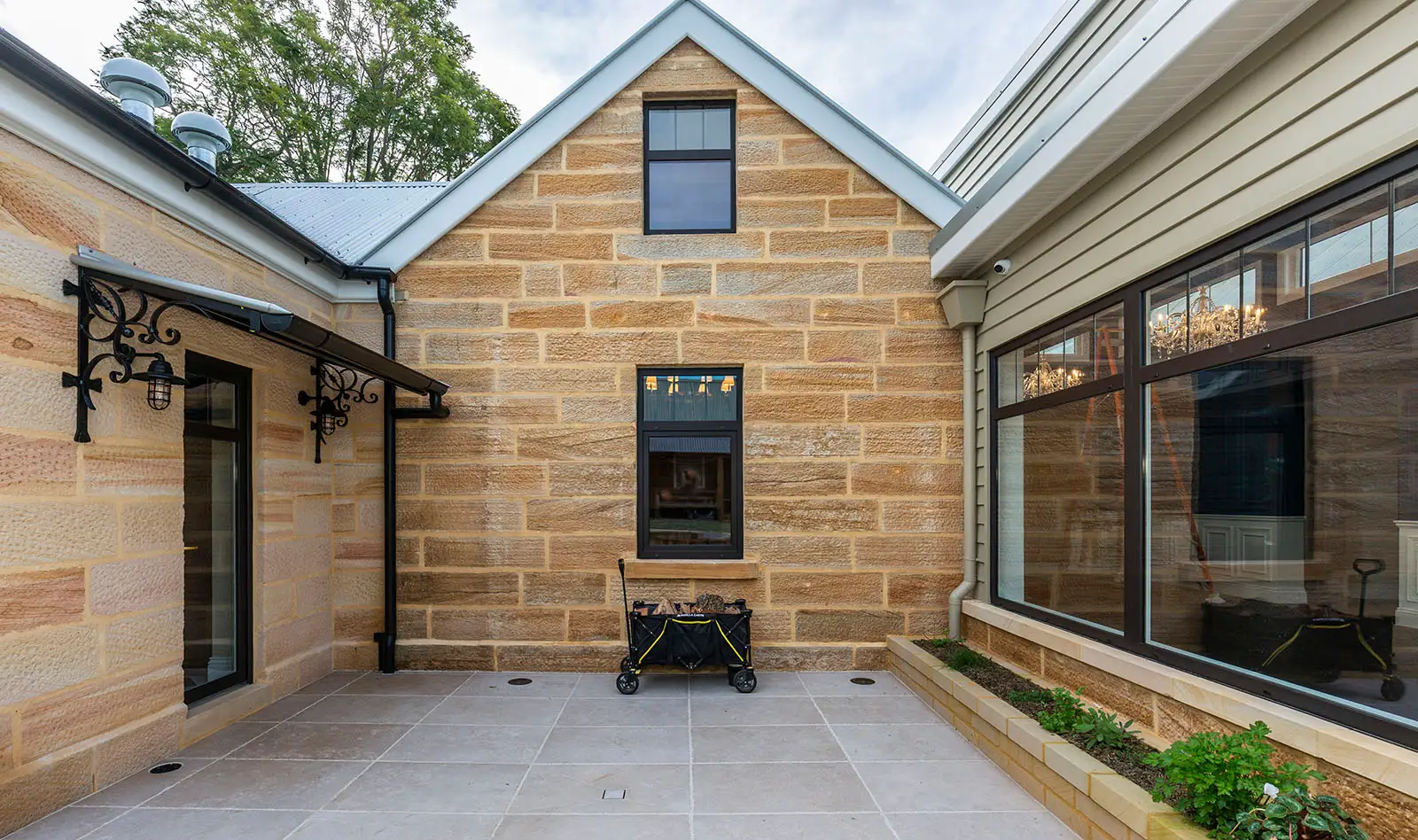
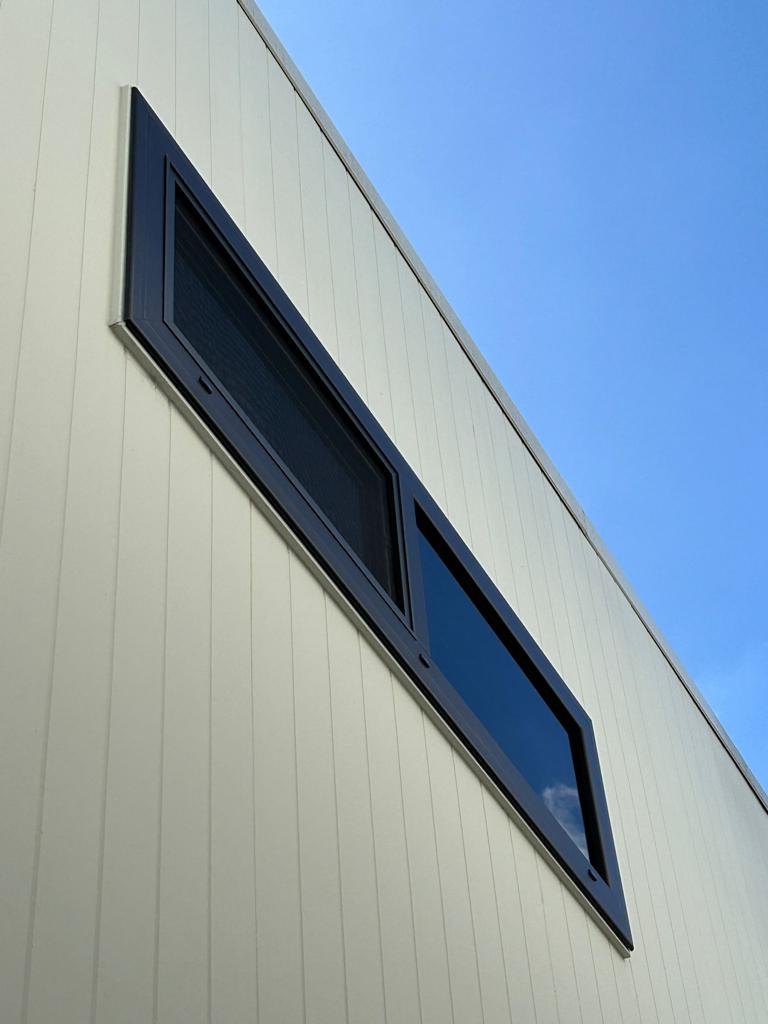
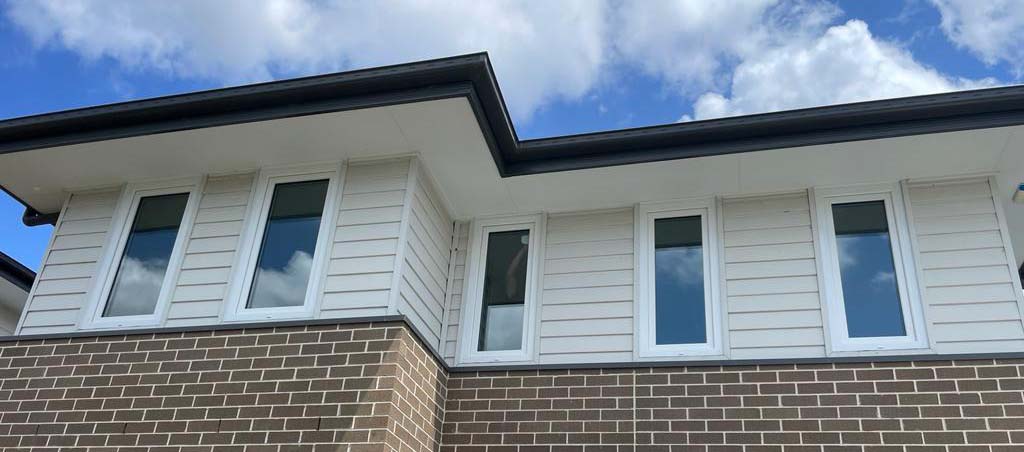
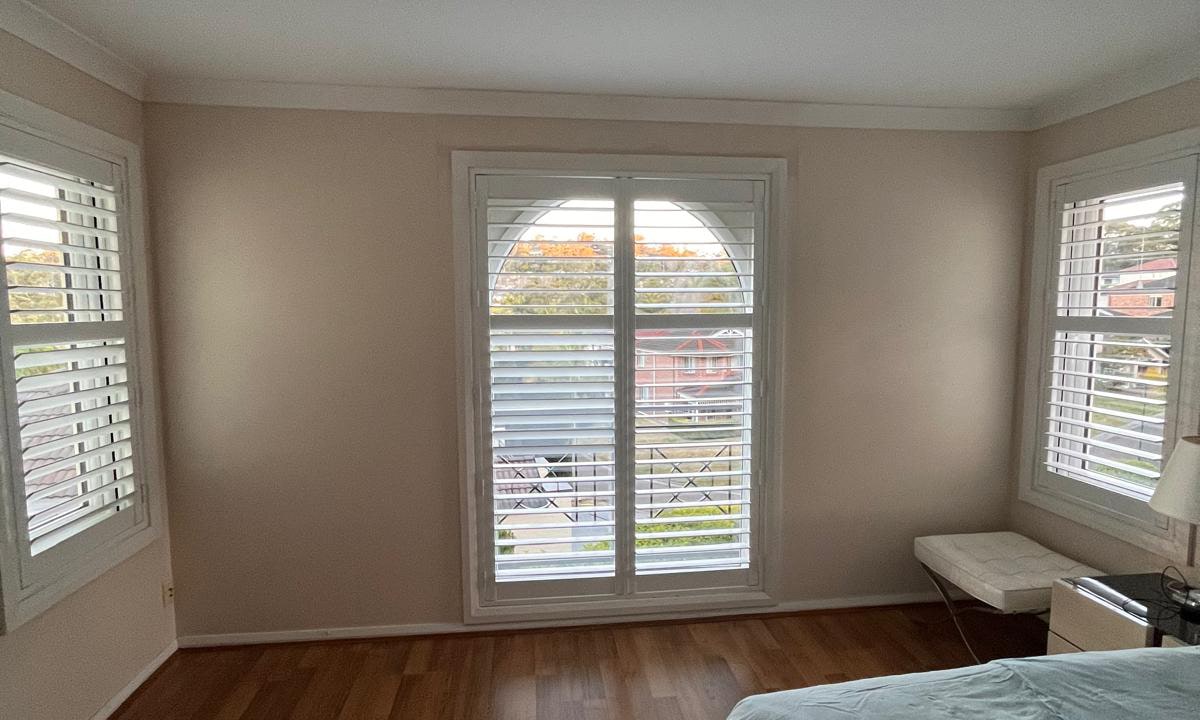
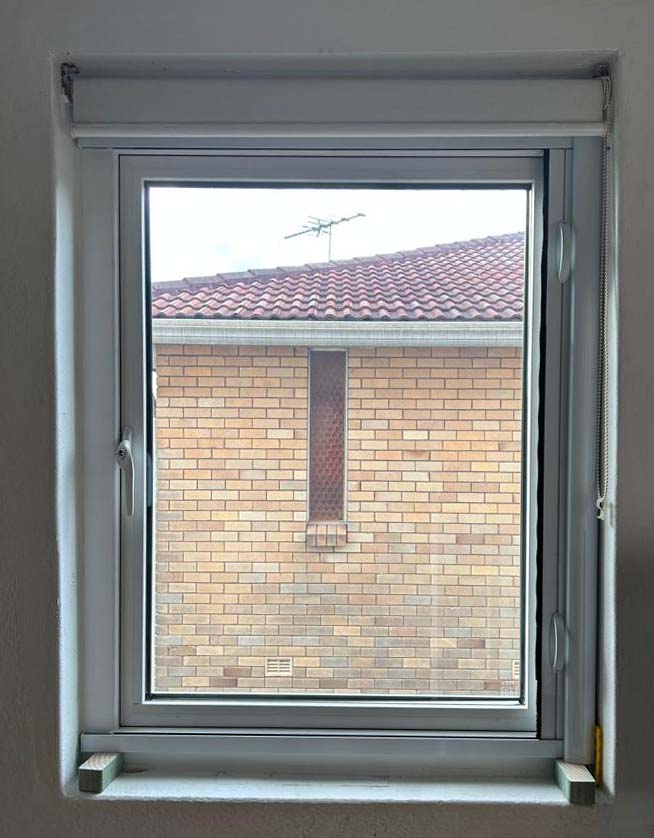
Check internal and external frame colours, especially where different finishes were discussed.
Also verify any decorative or visual choices such as grids, special glass, hardware colours, unusual frame divisions, door panels, integrated blinds or other options.
On a large replacement project, one incorrect colour or configuration can affect several windows.
It is much easier to correct the paperwork than a finished product.









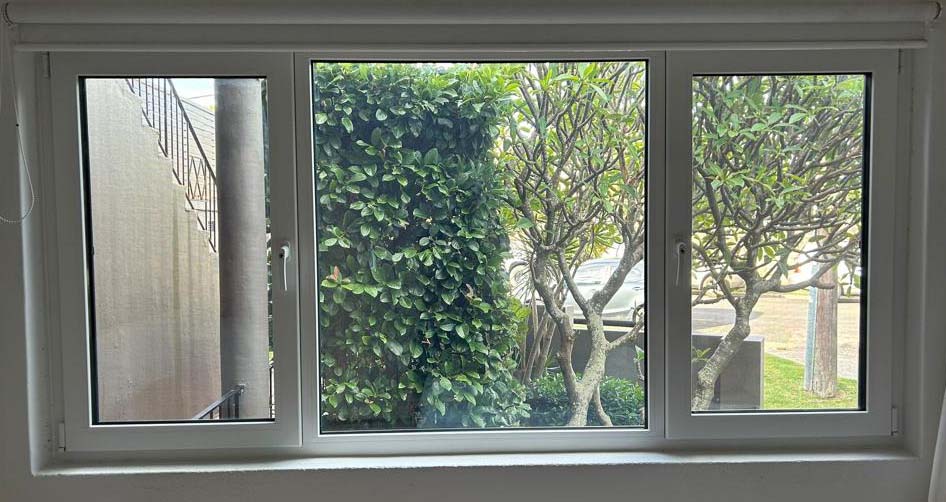
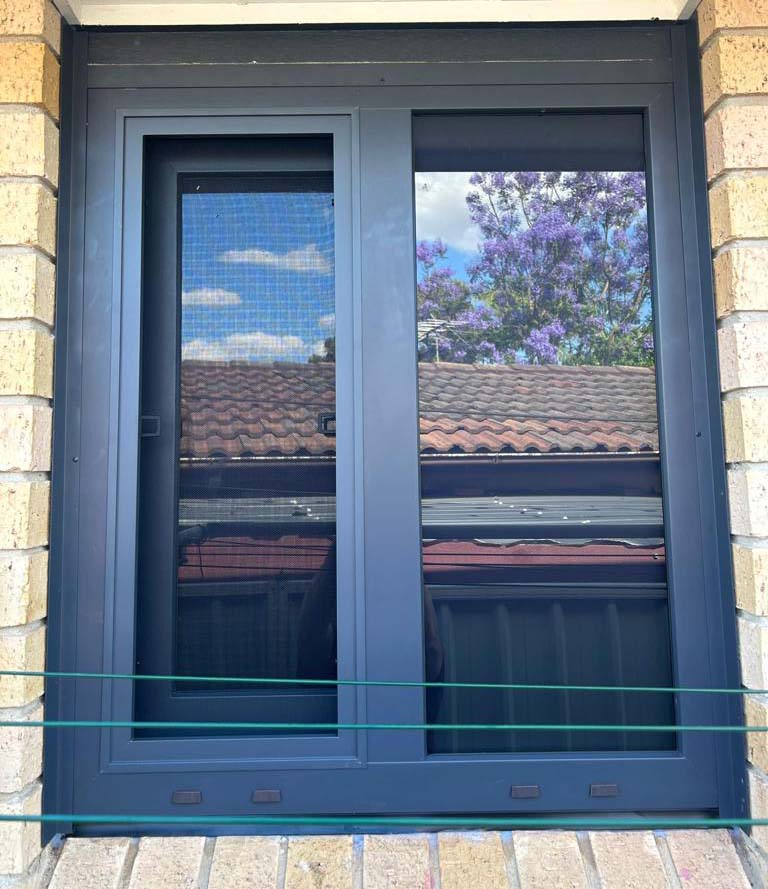
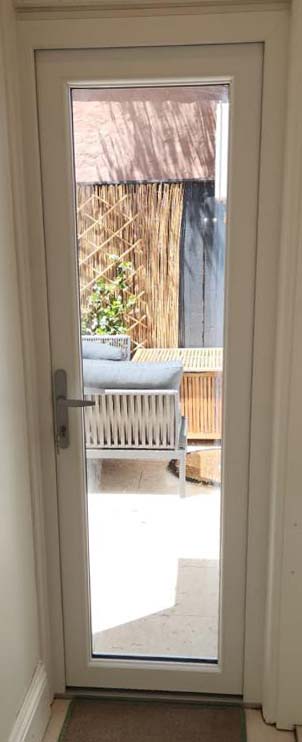
Confirm Who Is Manufacturing the Windows
It is useful to know who is responsible for turning the specification into the finished windows.
At Prestige Plus, our uPVC windows are manufactured in our Sydney factory.
Regardless of which supplier you choose, the important point is having a clear line of responsibility.
Who confirms the measurements?
Who manufactures the windows?
Who checks the order?
Who deals with an issue if a finished unit does not match the approved specification?
You should not have to work this out after installation has started.
Read the Installation Scope Carefully
Do not stop at the words “installation included”.
Check what that means.
Depending on the project, the installation scope may cover removal of existing windows, disposal, preparation of the openings, fixing, perimeter sealing, adjustments and finishing work.
If internal or external finishing is important, make sure it is clear who is responsible.
Replacement projects can also uncover problems after old frames are removed. Ask how unexpected work would be handled and whether there are circumstances where additional charges could arise.
Our article Why Window Installation Quality Matters More Than Most People Think explains why this part of the project deserves the same attention as the window itself.
Look for Exclusions and Possible Extra Costs
This is one of the most useful checks you can make before accepting a quotation.
Look for phrases such as “not included”, “by others”, “additional cost”, “if required” and “subject to site conditions”.
An exclusion is not automatically a problem.
Some work genuinely cannot be confirmed until the existing windows are removed.
The issue is whether you understand the exclusion before committing to the project.
If something appears unclear, ask how it would be priced if required.
Confirm the Final Price and Payment Terms
Once the product and scope are clear, go back to the total.
Confirm the final quoted price, deposit, any progress payments, final payment and any conditions that may change the price.
Do not assume that a cheaper quotation is automatically worse, or that a more expensive one is automatically better.
The price should be considered alongside what is actually included.
If you are still deciding between several offers, Article Common Mistakes When Comparing Replacement Windows covers the differences that are most commonly overlooked.
Need a consultation?
Our operators will answer any questions
Read the Warranty as Coverage, Not Just a Number
A warranty is not just “10 years” or “7 years”.
Check what it covers.
Does it include the frame?
Glazing?
Hardware?
Installation workmanship?
Are there different periods for different components?
Also check who handles a claim and how the process works.
At Prestige Plus, we provide a 10-year product and installation warranty. Whatever company you choose, the important thing is to know what its warranty actually means before you need to use it.

Ask What Happens After Installation
After-sales support can feel unimportant while you are still placing the order.
It becomes much more important if an opening sash later needs adjustment or you have a question about the hardware.
Confirm who you contact once the project is complete.
Will the same company deal with adjustments?
Are replacement hardware components available?
How are warranty requests submitted?
If you have not asked these questions yet, Article 7 Questions to Ask Before Buying Replacement Windows is a useful final prompt before approving the order.
Check Relevant Performance and Compliance Information
For Australian projects, the proposed windows and glazing may need to satisfy performance or compliance requirements related to their location and application.
You are not expected to interpret technical standards yourself.
What you should be able to do is ask the supplier whether the proposed products are appropriate for the project and what supporting information is available where required.
This may be particularly relevant for larger openings, exposed locations, safety glazing or projects with specific performance requirements.
If the supplier has provided performance certificates or project-specific documentation, check that the final order still refers to the same window and glazing configuration.
If compliance or performance documentation was an important part of the discussion, make sure the final order still corresponds to that specification.
Make Sure Verbal Changes Made It Into the Final Quote
This deserves its own check because changes often happen during the sales process.
Perhaps you changed a window from fixed to opening.
You upgraded the glass in one bedroom.
You selected a different handle colour.
The installer discussed additional finishing.
A door configuration changed after the site measure.
Before signing, compare the latest quotation with your notes and previous discussions.
The final version should contain the final decisions.
Do not assume a verbal change automatically made its way into the order.
Do One Last Room-by-Room Check
For larger projects, review the order room by room.
Stand in each room if necessary and compare what is there now with what is shown on the quotation.
Bedroom: is the correct sash opening?
Living room: is the glazing configuration correct?
Kitchen: will the opening window interfere with anything?
Door: does it open in the agreed direction?
This takes a little time, but it is often easier than trying to interpret a large order as one long list of dimensions.
Your Final Replacement Window Checklist
Before approving the order, you should be able to tick each of these off:
- The purpose of the replacement project is clear.
- Every window and door configuration is correct.
- Frame/profile system is confirmed.
- Glazing specification is confirmed.
- Opening hardware and important accessories are included.
- Colours and finishes are correct.
- Manufacturer/responsibility is clear.
- Installation scope is clear.
- Exclusions and possible additional costs are understood.
- Final price and payment terms are clear.
- Warranty coverage is understood.
- After-sales contact is clear.
- Relevant performance/compliance requirements have been addressed where applicable.
- Performance documentation still corresponds to the final window and glazing configuration where applicable.
- All verbal changes appear in the final written order.
- The complete order has been checked room by room.
If you cannot tick one of these boxes, it does not necessarily mean there is a problem.
It usually means there is one more question worth asking before you approve the order.
Ready to Finalise Your Replacement Window Project?
We manufacture uPVC windows in Sydney and can help make sure the proposed configuration suits your property and priorities.