
In this article:
Where Can a Cheaper Window Quote Save Money?
The Saving May Be in the Window Specification
A Cheaper Quote Can Have a Different Installation Scope
Installation Isn’t a Good Place for Hidden Compromises
Hardware and Moving Parts Matter Later
What Happens When Something Needs Attention?
A Warranty Is Only Useful If You Understand It
Cheap Becomes Expensive When You Have to Pay Twice
There Are Also Costs That Don’t Arrive as an Invoice
Paying More Doesn’t Guarantee Better Value Either
Calculate the Real Saving Before You Decide
Five Questions to Ask About the Cheapest Window Quote
The Cheapest Quote Can Be the Best Quote
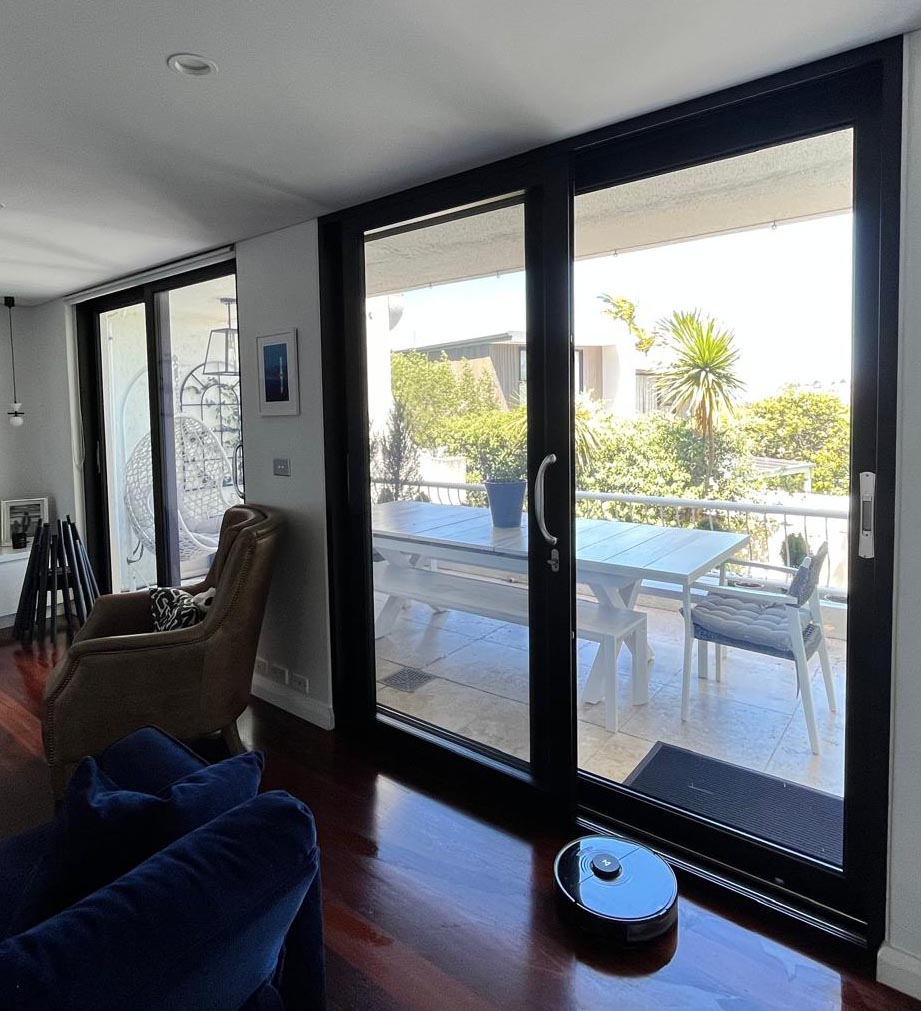
You have three replacement window quotes on the table and one is noticeably cheaper than the others.
Choosing it can feel like the obvious decision. If the windows look similar and every supplier is offering uPVC frames and double glazing, why spend several thousand dollars more?
Sometimes there is no reason to.
A lower quote can represent excellent value. A company may operate more efficiently, have different margins or simply be offering a competitive price for a window system that does everything your home requires.
The problem isn’t that a quote is cheap.
The problem starts when the saving comes from something important being reduced, excluded or left unspecified — and you don’t discover that until after you’ve made your decision.
That distinction matters. The aim isn’t to avoid the cheapest quote. It is to understand why it is cheaper and whether the difference has consequences for the finished project.
A Lower Price Isn’t Automatically a Warning Sign
There is a tendency in home improvement to treat the middle quote as the safe option: don’t buy the cheapest because it must be inferior, but don’t buy the most expensive because you might be overpaying.
There isn’t much logic in that approach.
If three suppliers are offering genuinely equivalent products, installation and warranty coverage, choosing the least expensive one may be entirely sensible.
The difficulty is establishing whether they really are equivalent.
This is why we recommend comparing replacement window quotes before deciding which price represents the best value. A quote only becomes meaningfully cheaper when you know you’re comparing the same scope and specification.
If the specifications are different, the totals alone don’t tell you very much.
Where Can a Cheaper Window Quote Save Money?
There are legitimate reasons for one supplier to charge less.
Different companies have different operating costs. One business may manufacture its own windows while another buys finished products from elsewhere. Suppliers can negotiate different material prices, use different production processes or simply work with different margins.
A company may also be running a promotion or have capacity available at a particular time.
None of these things makes the lower quote suspicious.
There is also no benefit in paying for specifications you don’t need. A more expensive glazing option, for example, isn’t automatically a better purchase if it doesn’t address a requirement of your home.
The useful question is therefore not:
Why is this quote so cheap?
It is:
What is different about this quote, and does that difference matter to me?
The Saving May Be in the Window Specification
Two quotes can both say uPVC windows and still describe different window systems.
The profile system can differ. The glazing can differ. Hardware and sealing arrangements can differ. Even when the basic descriptions look similar, the complete specifications may not be equivalent.
This doesn’t mean the cheaper specification is necessarily inadequate.
Perhaps it is exactly what your project needs.
But if you choose it because you believe it is identical to the more expensive option when it isn’t, you aren’t really making an informed price comparison.
The same issue applies to glazing. The words double glazed windows tell you that the insulated glazing unit contains two panes separated by a sealed cavity, but they don’t tell you the complete glass specification.
If one proposal includes a glazing configuration selected for a particular thermal or acoustic requirement and another doesn’t, the price difference needs to be considered in that context.
Our guide to why replacement window quotes vary explains these hidden specification differences in more detail.
A Cheaper Quote Can Have a Different Installation Scope
This is where an apparently straightforward saving can become more complicated.
Imagine one quotation includes removal of the existing windows, disposal, installation, sealing and finishing around the openings.
Another simply says:
Supply and installation included.
The second quote may be cheaper, but what exactly does “installation” include?
Will the old windows be removed and disposed of? Are internal and external finishes included? What happens if additional work is required around an existing opening?
You don’t need to assume that something has been excluded. You need to ask.
If the lower quote includes exactly the same work, excellent. If some items are charged separately, add them back into the comparison before deciding how much you’re actually saving.
A $2,000 difference at quotation stage is less meaningful if part of that difference later has to be spent completing work that another supplier had already included.
Installation Isn’t a Good Place for Hidden Compromises
The window itself is only part of a replacement project.
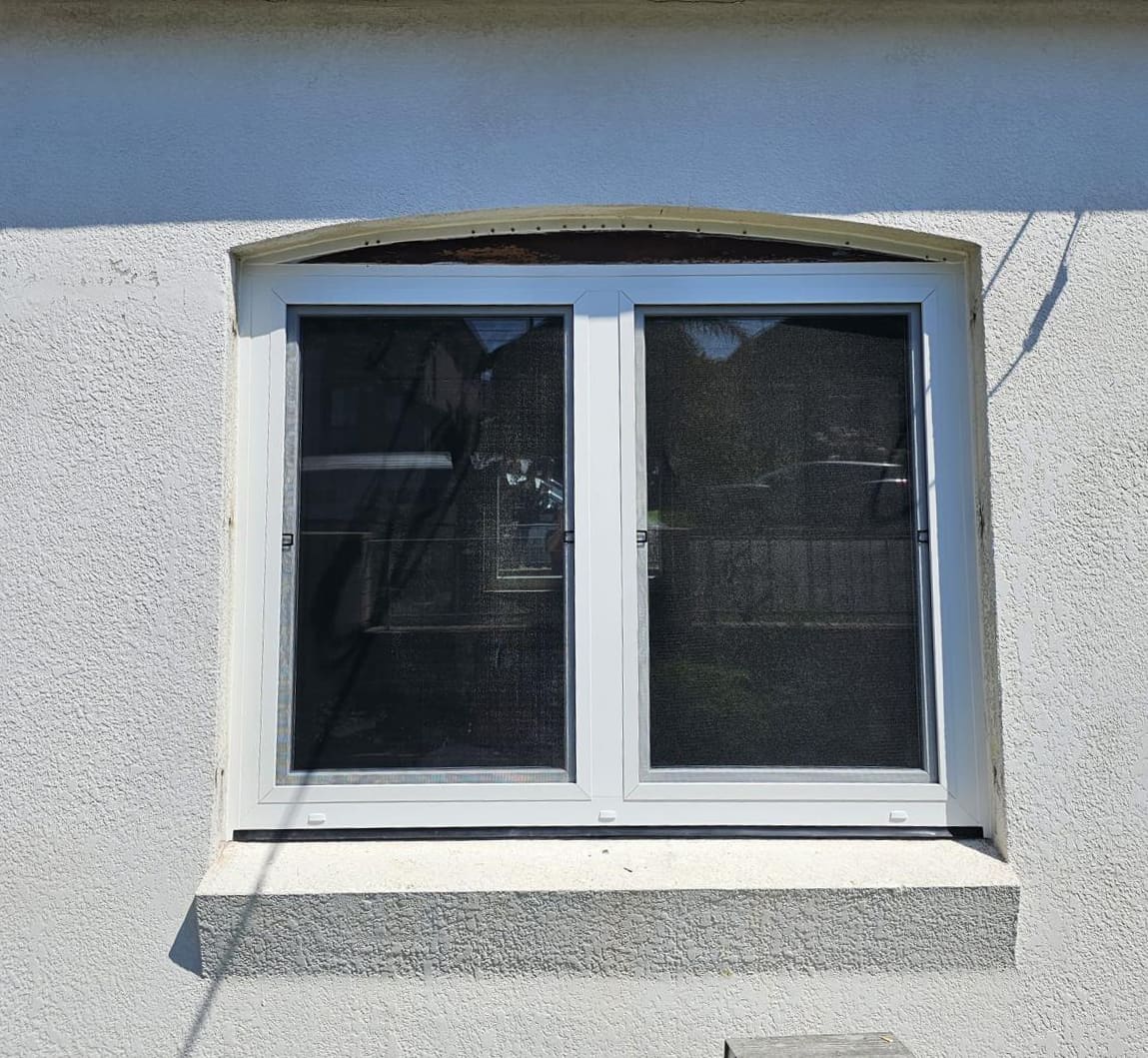
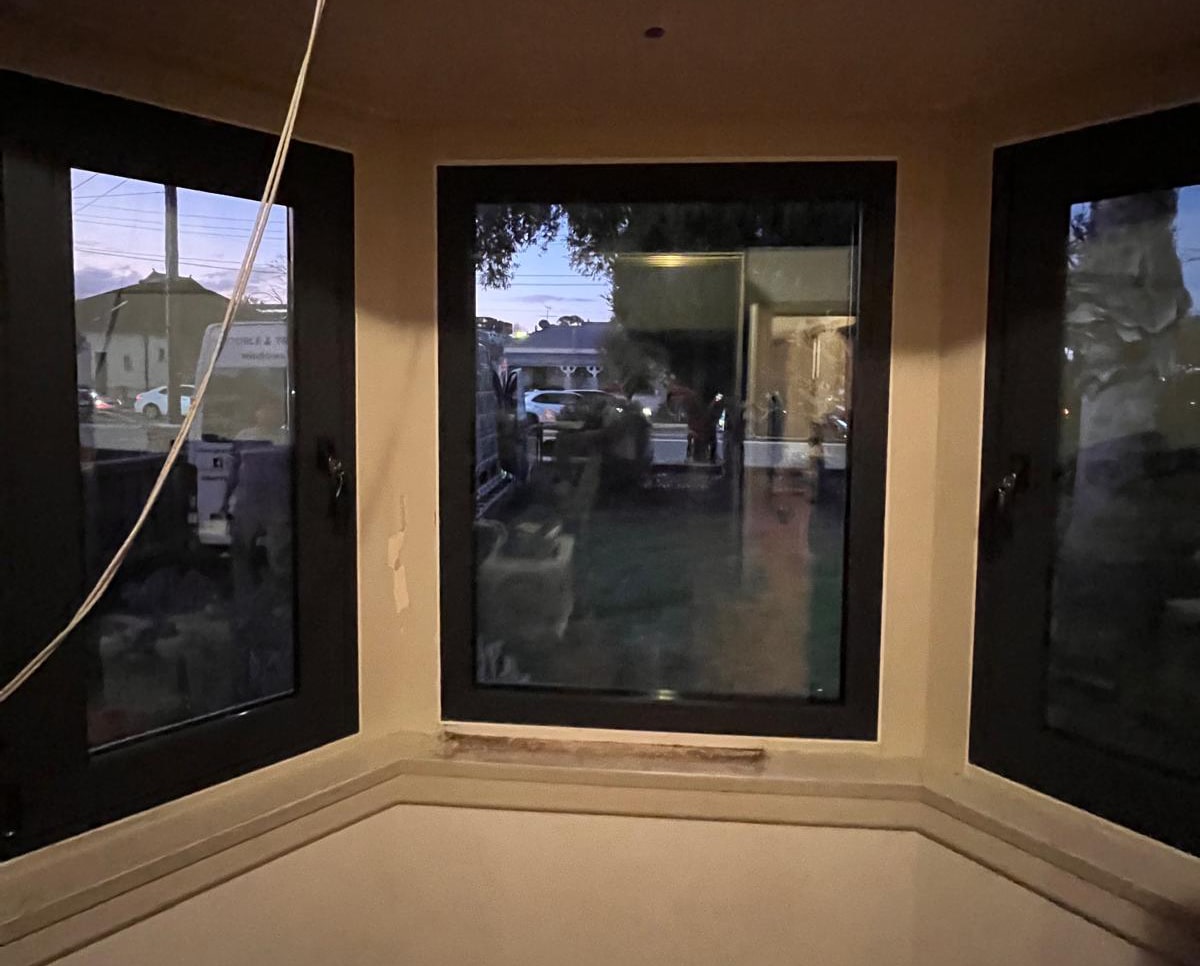
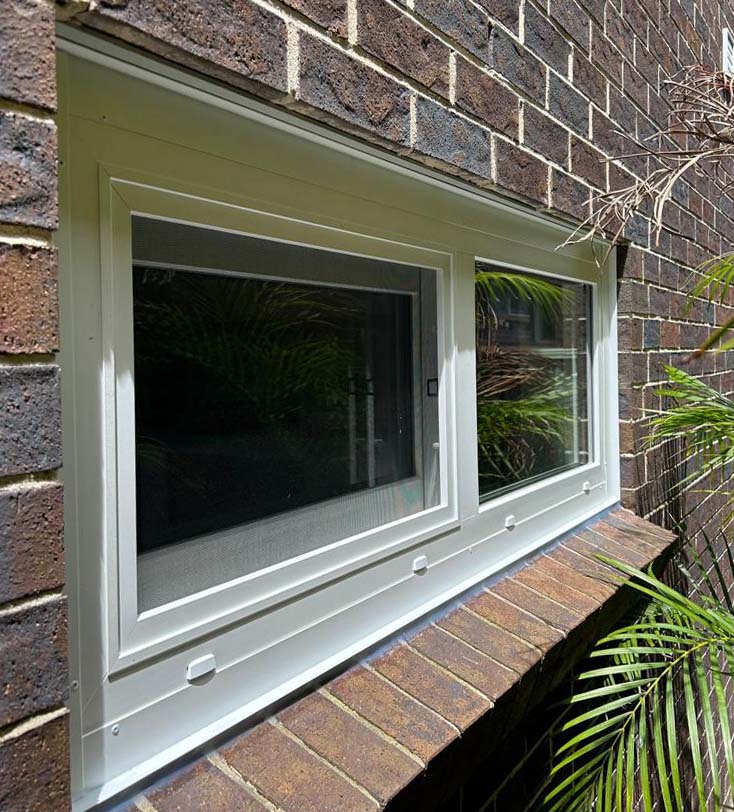
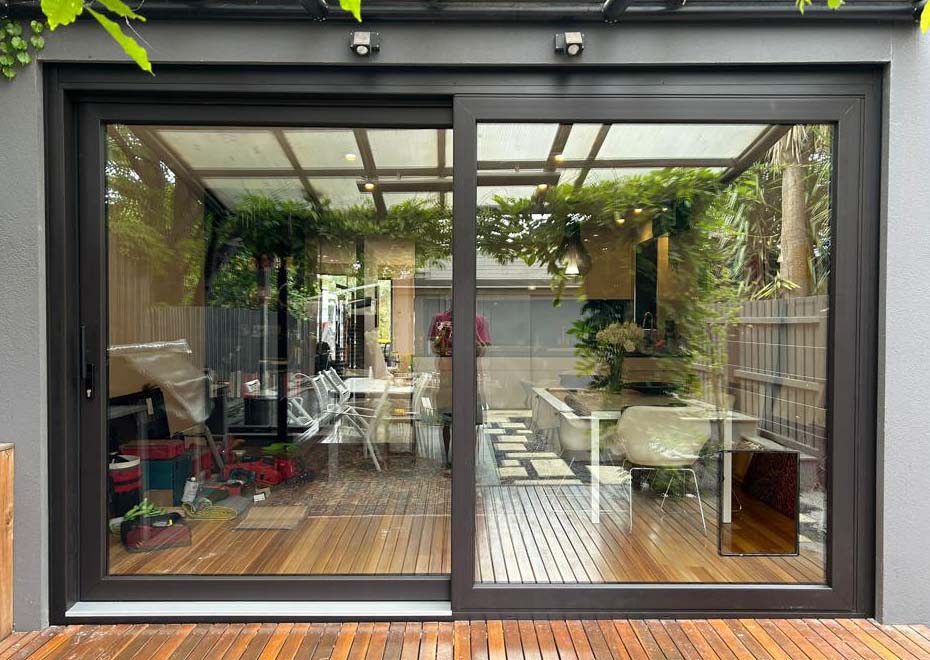
Once the old unit has been removed, the new window still has to be positioned, fixed, sealed, adjusted and finished in the existing opening.
This work matters because even a well-made window needs to be installed correctly to perform as intended.
Existing homes also aren’t factory environments. Openings can be uneven, previous work may be discovered during removal and the condition around one window can be different from another.
For that reason, it is worth understanding who will carry out the installation and what happens if something unexpected is found.
A cheaper quote based on an efficient installation process can be perfectly good value. A cheaper quote achieved by leaving necessary work outside the quoted scope is a different proposition.

Hardware and Moving Parts Matter Later
When windows are new, handles and opening mechanisms tend to receive less attention than frames and glass.
Over time, however, these are the components you interact with every day.
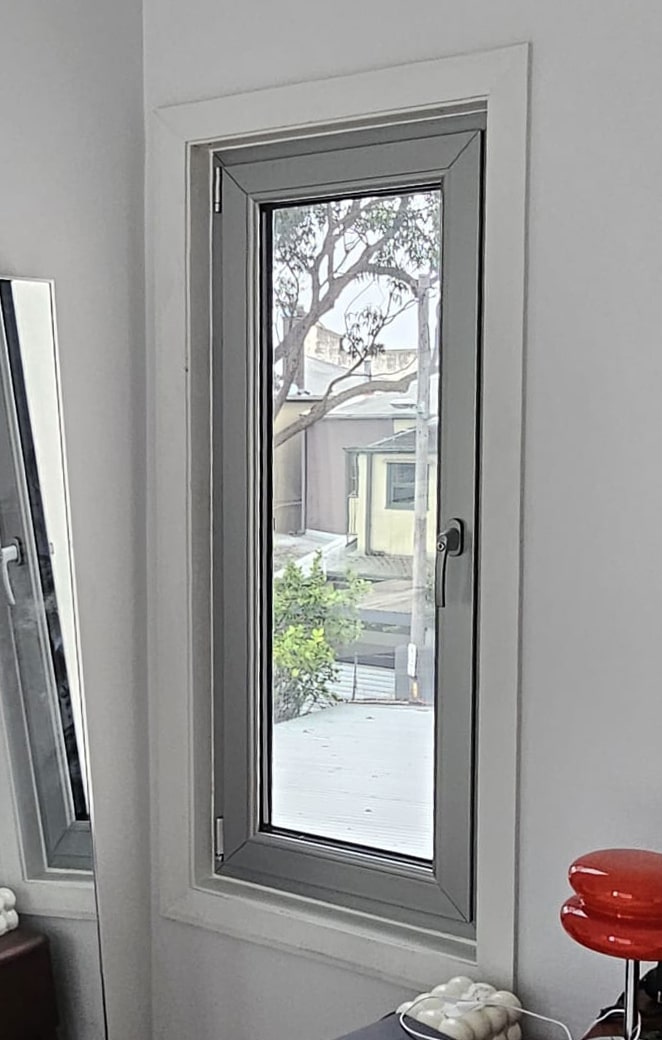
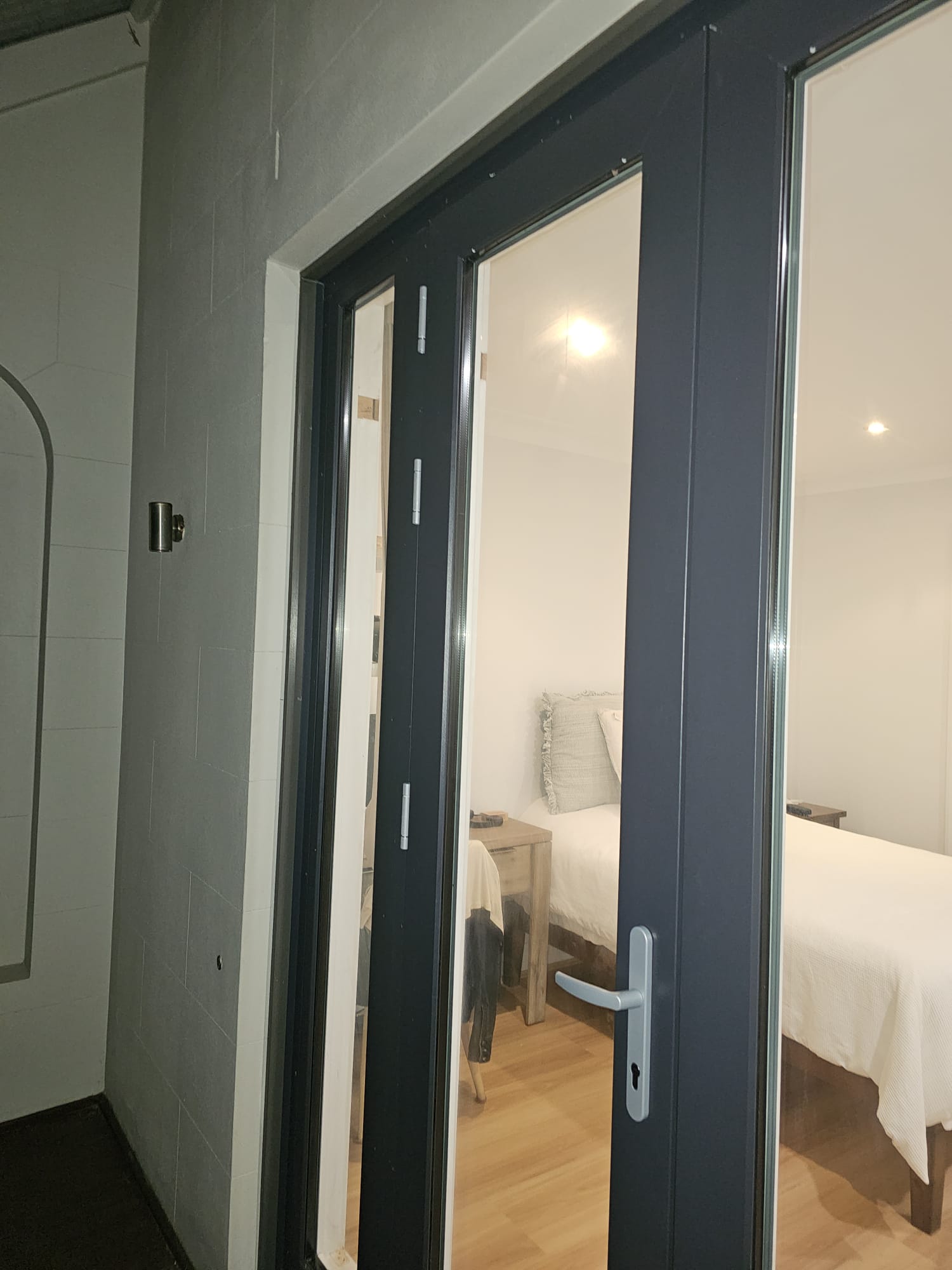
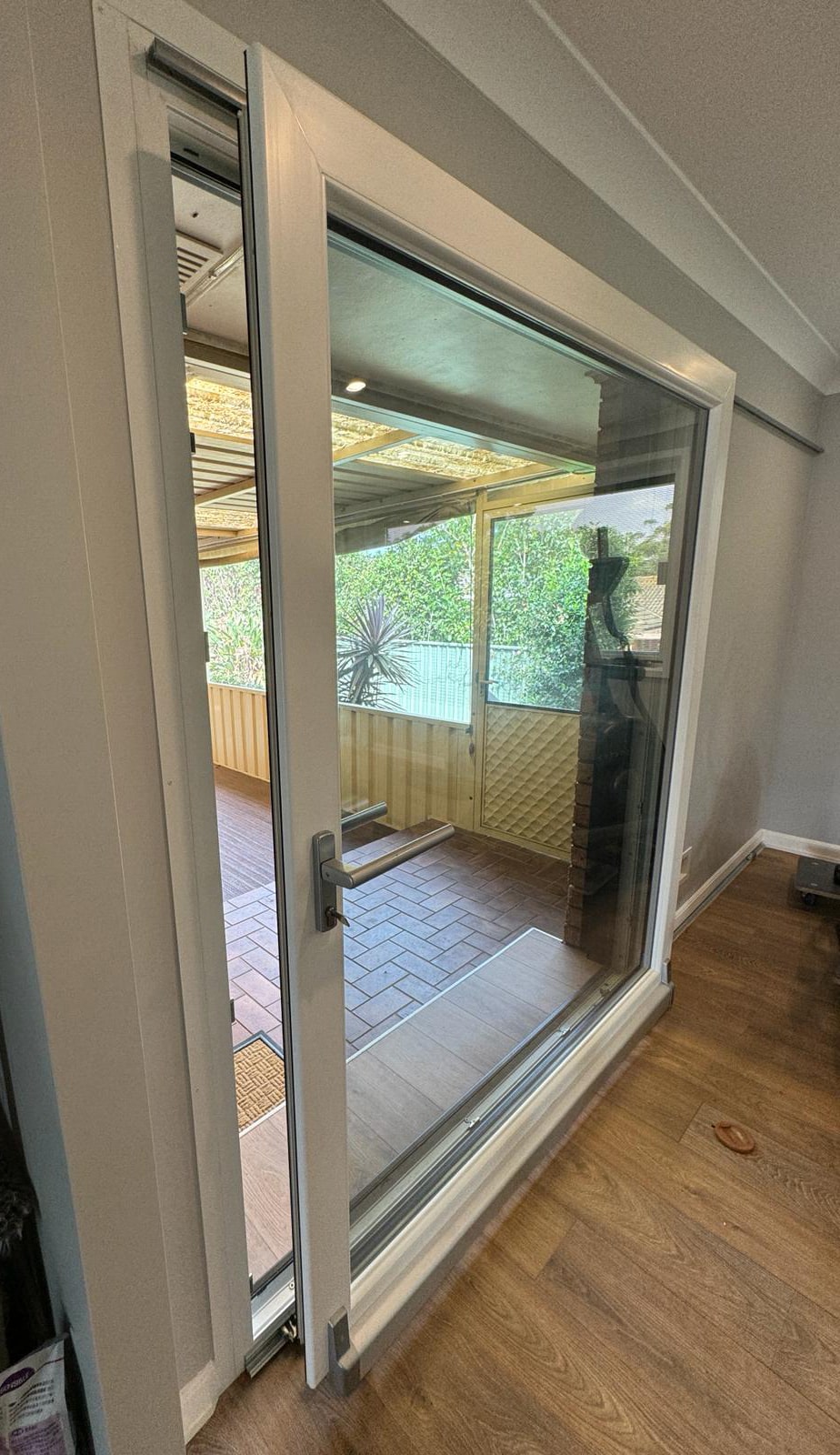
Opening sashes rely on hardware to move, close and lock correctly. The hardware also works with the sealing system when the window is closed.
When comparing quotes, ask what hardware is being supplied and what support is available if an adjustment or replacement component is needed later.
This doesn’t mean choosing the most expensive hardware available. It means knowing what you’re buying and whether the system can be serviced.
A small saving is less attractive if an inexpensive component becomes difficult to adjust, repair or replace later.
What Happens When Something Needs Attention?
Most homeowners understandably focus on getting their new windows installed.
It is also worth thinking about what happens afterwards.
Who do you call if an opening sash needs adjustment? What happens if there is a problem with a glazing unit? Who handles a warranty claim? Can replacement hardware be obtained?
These questions don’t appear as a separate physical component in a window, but they can affect the long-term value of the purchase.
A supplier that manufactures, installs and supports its windows has an ongoing relationship with the project. Another quotation may divide those responsibilities between several businesses.
Neither arrangement should be judged purely from the price. What matters is knowing who is responsible if you need help.
A Warranty Is Only Useful If You Understand It
A long warranty sounds reassuring, but the number of years isn’t the only thing worth comparing.
Check what the warranty actually covers.
The frame, glazing, hardware and installation workmanship may have different terms. There may also be conditions or exclusions that matter to your project.
You should also know who provides the warranty and how a claim is handled.
At Prestige Plus, product and installation warranty form part of the overall window offer. When you’re comparing quotations from different suppliers, compare the coverage rather than simply looking for the largest number of years.
The cheapest quote may have perfectly adequate warranty protection. If it does, that is another reason not to reject it simply because the price is lower.
The important thing is to establish this before choosing the supplier.
Cheap Becomes Expensive When You Have to Pay Twice
The most obvious long-term cost occurs when work has to be corrected or completed after the original installation.
That doesn’t mean every cheaper window will require repairs, nor does paying more guarantee that nothing will ever go wrong.
The principle is simpler.
If an important part of the project has been omitted to reduce the initial price, you may eventually have to pay for it separately.
If the glazing doesn’t address the problem you wanted to solve, replacing it later is more expensive than specifying it appropriately from the beginning.
If finishing wasn’t included, someone still has to complete it.
If a hardware component can’t easily be serviced, a relatively small problem can become more inconvenient than expected.
If poor installation requires corrective work, the original saving can disappear quickly.
This is where price and value stop being the same thing.
Need a consultation?
Our operators will answer any questions
There Are Also Costs That Don’t Arrive as an Invoice
Not every consequence of choosing the wrong specification produces an immediate bill.
Suppose the main reason for replacing your windows was traffic noise, but the selected glazing wasn’t appropriate for that objective. The windows may be perfectly functional, yet the problem that motivated the project remains.
Or perhaps a room with a large area of glazing continues to be uncomfortable because the proposed specification wasn’t selected with that room in mind.
In these situations, the window hasn’t necessarily “failed”. It simply wasn’t the right specification for what the homeowner wanted to achieve.
That can be particularly frustrating because replacement windows aren’t products most people expect to change again in a few years.
Getting the specification right the first time has value even when that value can’t be expressed as a line on the original quote.
Paying More Doesn’t Guarantee Better Value Either
Everything above can be reversed.
A higher price isn’t evidence of better quality.
An expensive quote may include features you don’t need. It may use a more costly specification that offers little practical benefit for your particular home. Or the supplier may simply charge more for an otherwise comparable product.
This is why “buy the most expensive you can afford” is no better as a strategy than “always choose the cheapest”.
If Quote B costs $4,000 more than Quote A, ask what the additional $4,000 buys.
Perhaps it gives you glazing that is much better suited to your property, a broader installation scope and stronger after-sales support.
Perhaps it doesn’t.
Only the details can tell you.
Calculate the Real Saving Before You Decide
Before accepting the lowest quote, put the competing proposals side by side one last time.
Check that they cover the same windows and doors. Compare the frame and glazing specifications. Look at the hardware, installation scope, finishing and disposal. Read the exclusions and warranty.
Then add any known extras to the quoted total.
You may find that the cheapest proposal remains comfortably cheaper after everything is compared. In that case, you’ve identified genuine value rather than simply choosing the lowest number.
Alternatively, the gap may become much smaller once equivalent work and specifications are considered.
The important part is that you now know what the saving represents.
Five Questions to Ask About the Cheapest Window Quote
Before making your decision, ask:
- Is the product specification genuinely comparable?
Check the frame, glazing and hardware rather than relying on descriptions such as “uPVC” and “double glazing”. - Does the price include the same installation work?
Look at removal, disposal, fixing, sealing and finishing. - Are there exclusions or likely additional charges?
An exclusion isn’t automatically a problem, but it needs to be included in your comparison. - What warranty and after-sales support are provided?
Establish what is covered and who you contact afterwards. - Does the proposed window actually address the reason you’re replacing the old one?
Saving money on a specification that doesn’t solve your problem isn’t necessarily a saving.
If the answers are clear and the cheapest quote still comes out ahead, there is no reason to dismiss it simply because it costs less.
The Cheapest Quote Can Be the Best Quote
A low price isn’t the enemy.
An unexplained low price is simply something worth investigating.
Once you know what is included, what is excluded and why the specification has been proposed, you can decide whether the saving is genuine or whether some of the cost has merely been moved somewhere else.
The best replacement window quote isn’t automatically the cheapest, the most expensive or the one in the middle.
It is the one that provides the right product and scope of work for your home at a price you understand.
Want to Understand What You’re Paying For?
If you’re planning to replace your windows and want to understand the available frame, glazing and installation options, talk to the Prestige Plus team.
We manufacture uPVC windows in Sydney and can explain what is included in the proposed window system and why particular options may be suitable for your project.