In this article:
1. Comparing Price Before Checking Whether the Job Is the Same
2. Assuming Every Double-Glazed Window Is Equivalent
3. Using the Profile Brand as a Shortcut for Window Quality
4. Letting One Impressive Specification Decide the Whole Comparison
5. Ignoring Compliance and Performance Information
6. Forgetting About the Parts That Move
7. Treating “Installation Included” as a Complete Description
8. Reading the Inclusions but Skipping the Exclusions
9. Comparing Warranty Years Instead of Warranty Terms
10. Forgetting About After-Sales Support
11. Assuming the Cheapest Quote Must Be Poor Quality
12. Comparing Verbal Promises Instead of Written Specifications
13. Asking Each Supplier Different Questions
14. Choosing Features Before Explaining What You Want the Window to Fix
15. Deciding Before You Can Explain Why the Quotes Are Different
16. Compare the Complete Offer
Comparing replacement windows sounds fairly straightforward. You collect a few quotes, look at the products, check the prices and choose the option that seems to offer the best value.
In practice, it is rarely that simple.
Two quotations can look similar while describing quite different windows. Two suppliers may both offer uPVC frames and double glazing, yet use different glass specifications, hardware, installation methods or warranty terms. One quote may include most of the work needed to complete the job, while another leaves several items to be discussed later.
From our experience, homeowners usually don’t make poor decisions because they failed to research. More often, one obvious difference gets most of the attention – usually price – while several less visible differences are missed.
These are the mistakes worth watching for.
Comparing Price Before Checking Whether the Job Is the Same
This is probably the most common problem.
A homeowner receives three quotes:
- $18,000
- $21,000
- $24,000
The natural reaction is to ask why the third company is $6,000 more expensive.
But price is only meaningful once you know the quotations describe the same job.
Check the number of windows and doors. Check which sections open and which are fixed. Look at the door configurations, glazing, hardware and installation scope.
A change that appears small on a drawing can still alter the product being manufactured and the amount of work required on site.
We regularly find that quotations which initially look far apart become much easier to understand once the configurations and inclusions are placed side by side.
If you need a structured way to do that, our guide to comparing replacement window quotes covers the process step by step.
Assuming Every Double-Glazed Window Is Equivalent
“Double glazing” is a description, not a complete specification.
It tells you that the insulated glass unit contains two panes, but it doesn’t tell you everything about those panes or the unit between them.
Glass thicknesses may differ. One quotation may include Low-E glass while another does not. Different configurations may also be chosen for thermal performance, solar control, safety or noise reduction.
We often see homeowners comparing two quotations that both say “double glazed”, even though there isn’t enough information on the paperwork to confirm that the glass is actually equivalent.
Ask for the glazing specification.
You don’t need to become a glass engineer. You simply need enough detail to know whether you are comparing like with like.
When looking at double glazed windows, the actual specification matters more than the label alone.
Using the Profile Brand as a Shortcut for Window Quality
A recognised profile manufacturer can be useful information.
It still doesn’t tell you whether two finished windows are equivalent.
The profile has to work with the glazing, seals and hardware. The window then has to be fabricated accurately, configured correctly for the opening and installed properly.
So a comparison such as:
“Company A uses Brand X and Company B uses Brand Y”
only tells you part of the story.
Ask which profile system is being supplied and what the complete window specification includes.
If you have access to a showroom sample, our guide to how to spot a high-quality window before you buy explains what you can inspect yourself.
Letting One Impressive Specification Decide the Whole Comparison
Window sales discussions can easily become focused on one feature: a wider profile, more chambers, thicker glass, a special coating, a particular hardware brand or a long warranty.
Any of these may be useful. None of them automatically makes one complete window better than another.
Suppose one quotation includes thicker glass. The important question is why that glass has been specified.
Is it intended to help with noise?
Is it required because of the size of the opening?
Is it part of a safety requirement?
Or is it simply one component in a broader glazing configuration?
The same applies to frames and hardware. A specification only becomes useful when you understand what it is intended to achieve.
Ignoring Compliance and Performance Information
Appearance and marketing descriptions are not the only information available when comparing windows.
For Australian projects, it is reasonable to ask the supplier what compliance and performance information applies to the proposed windows and glazing.
Depending on the application, relevant requirements can include window performance under AS 2047 and glass selection and installation under AS 1288.
Homeowners are not expected to interpret these standards themselves. What matters is whether the supplier can explain that the proposed product is suitable for the location and provide the relevant documentation where required.
This becomes particularly useful where wind exposure, larger openings, safety glazing or other project-specific conditions affect the specification.
Terms such as “premium window” may sound reassuring, but performance information gives you something more concrete to compare.

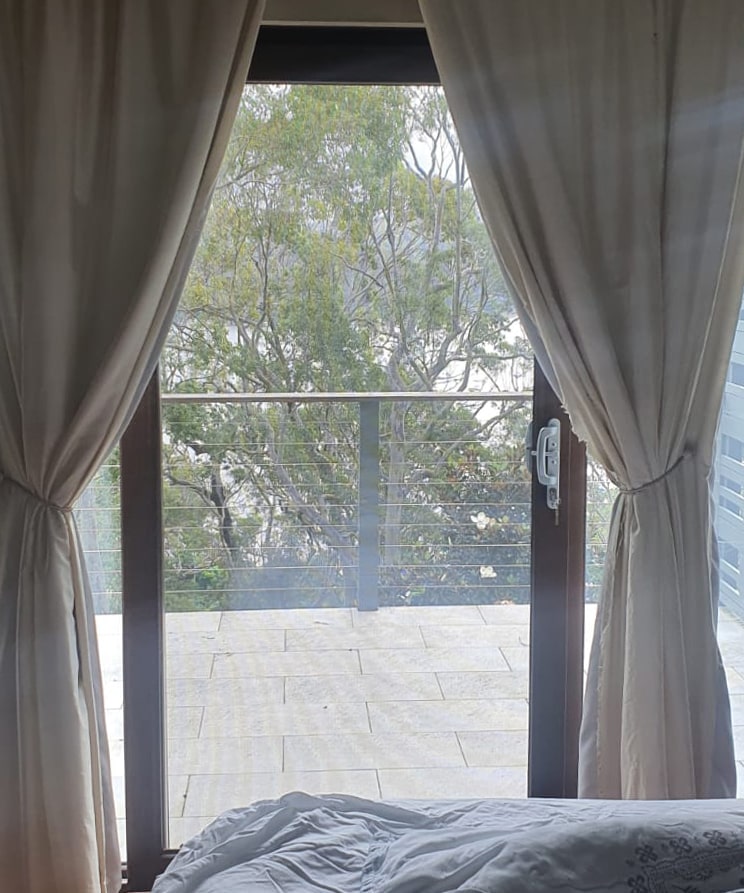
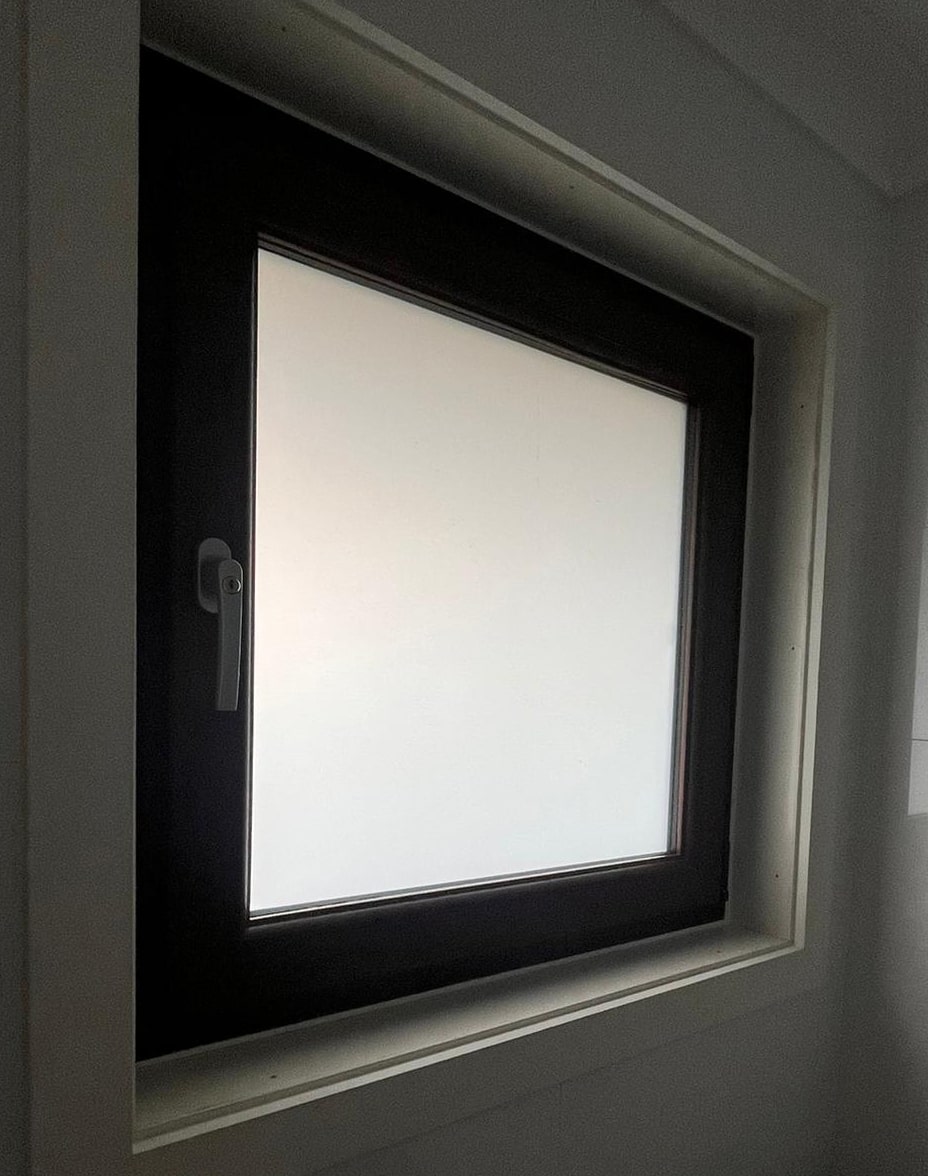
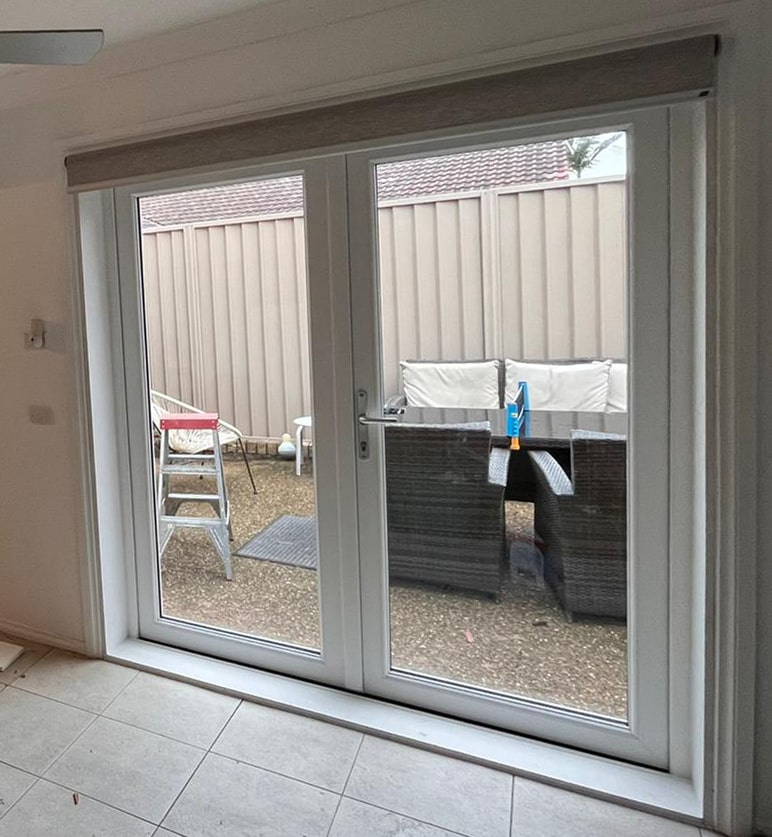
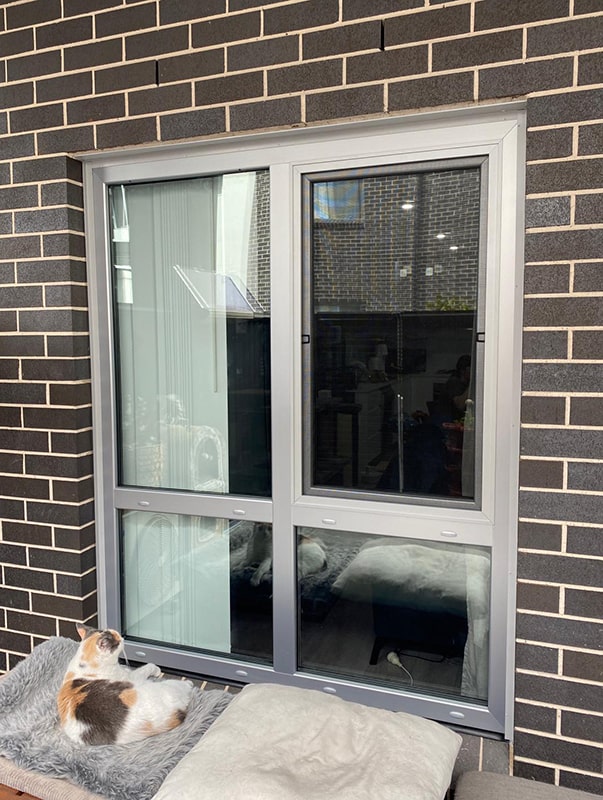
Forgetting About the Parts That Move
A fixed window is relatively simple.
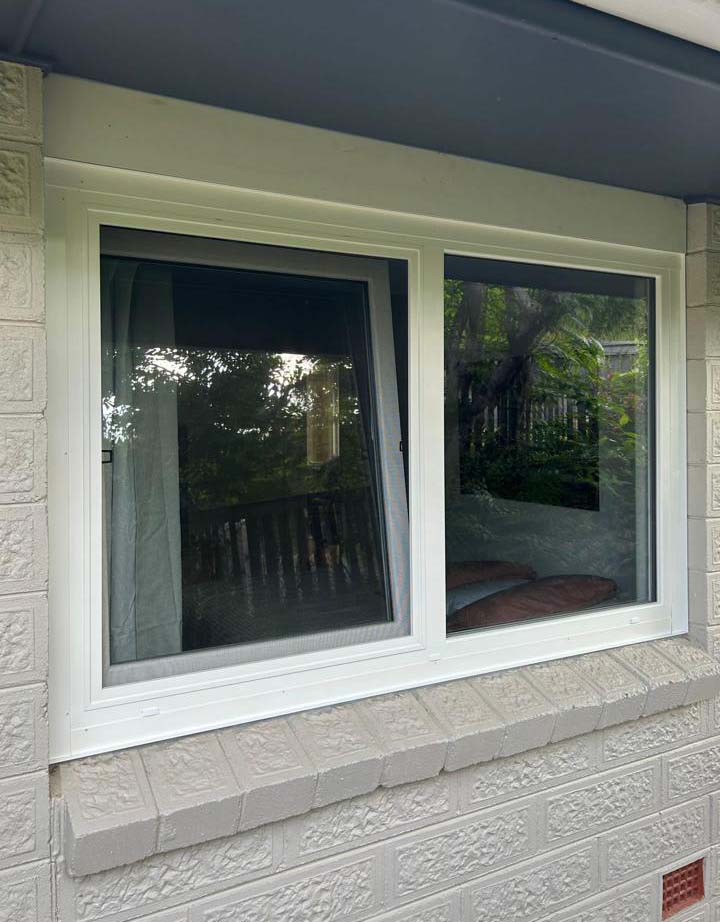
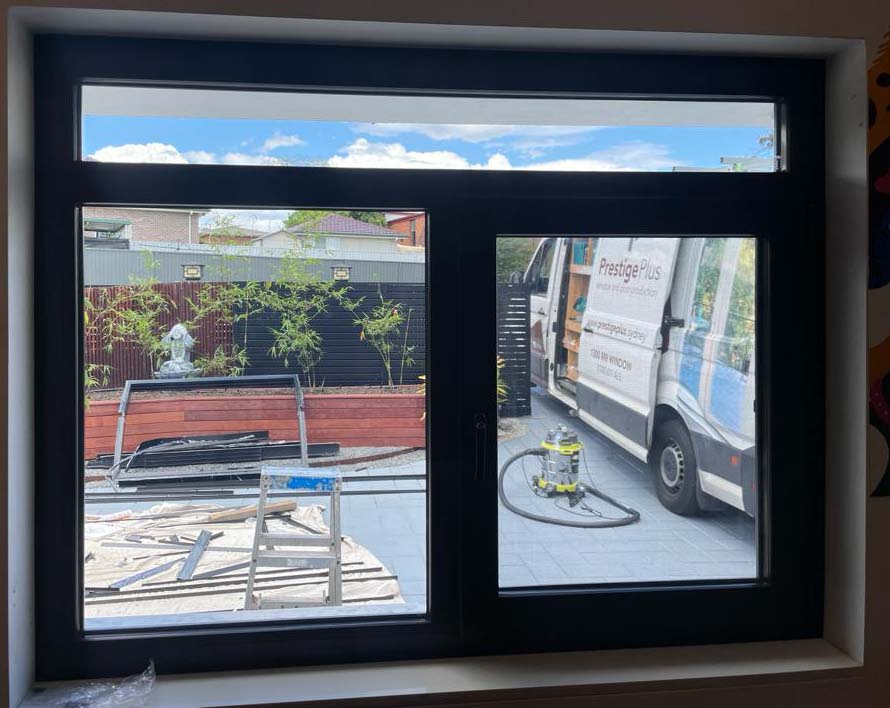
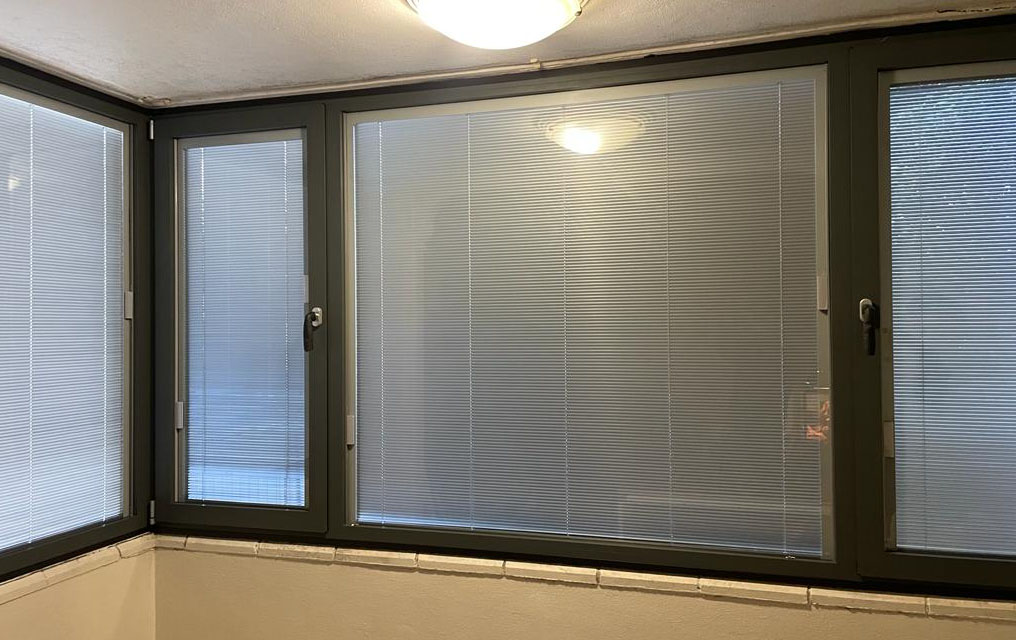
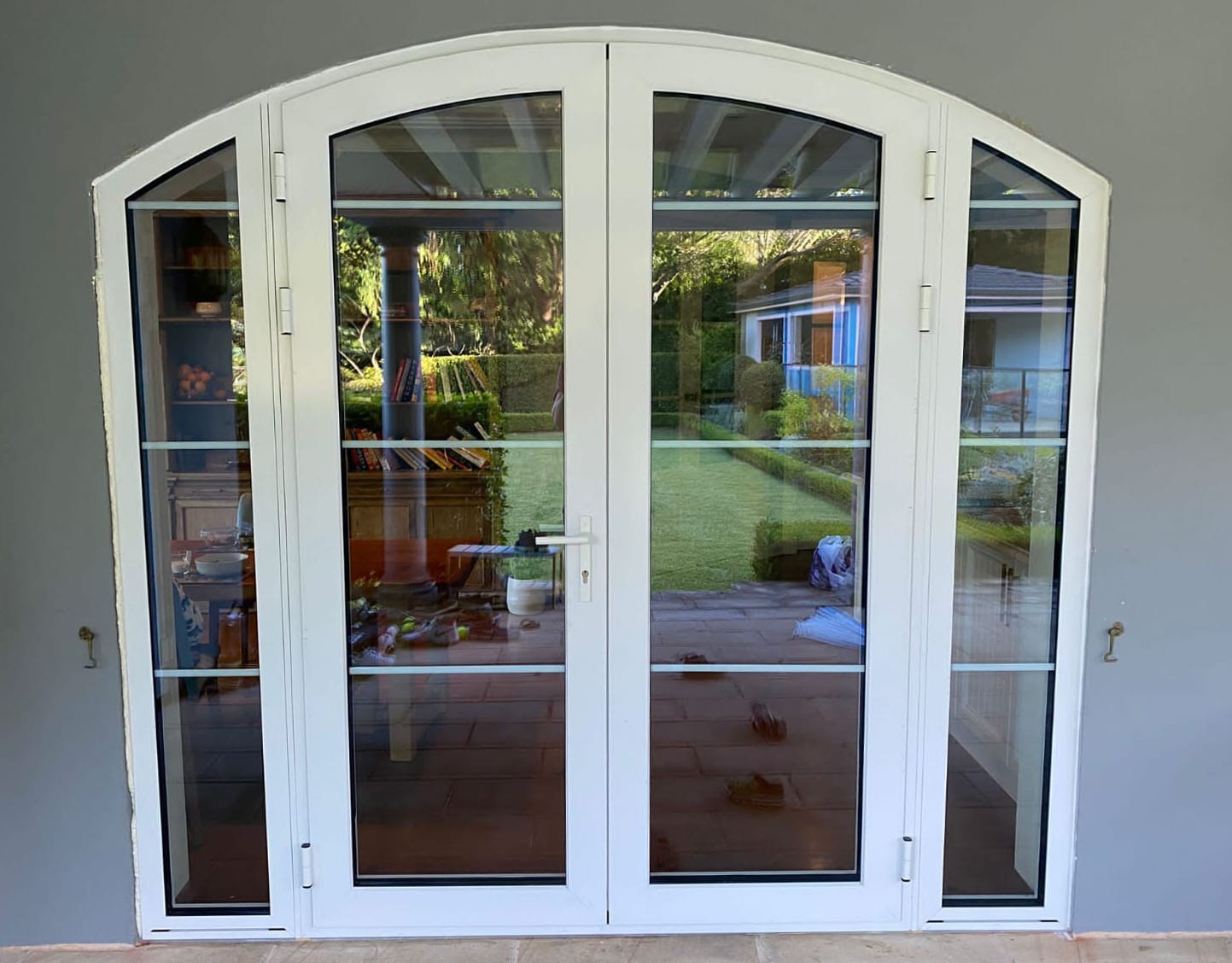
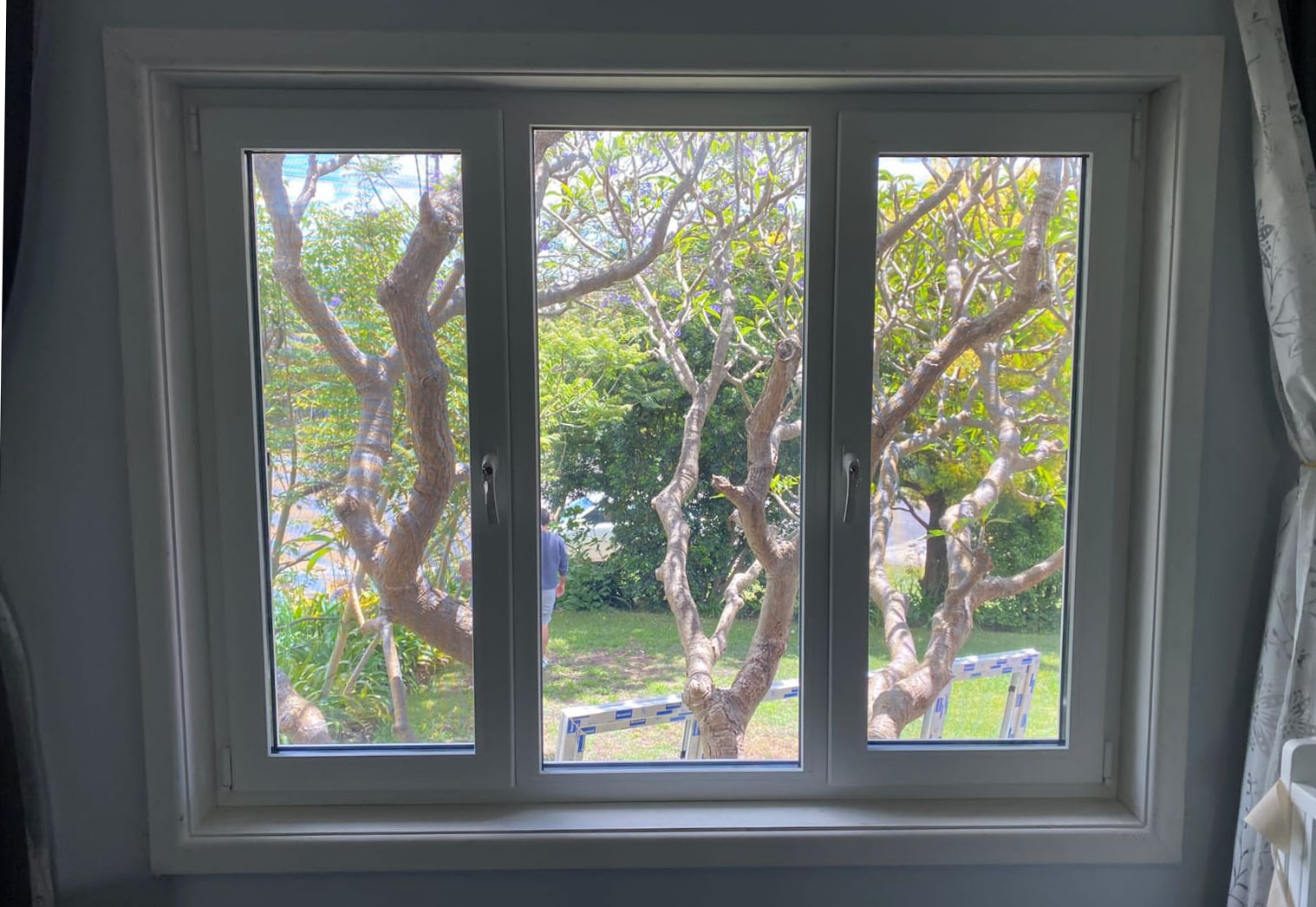
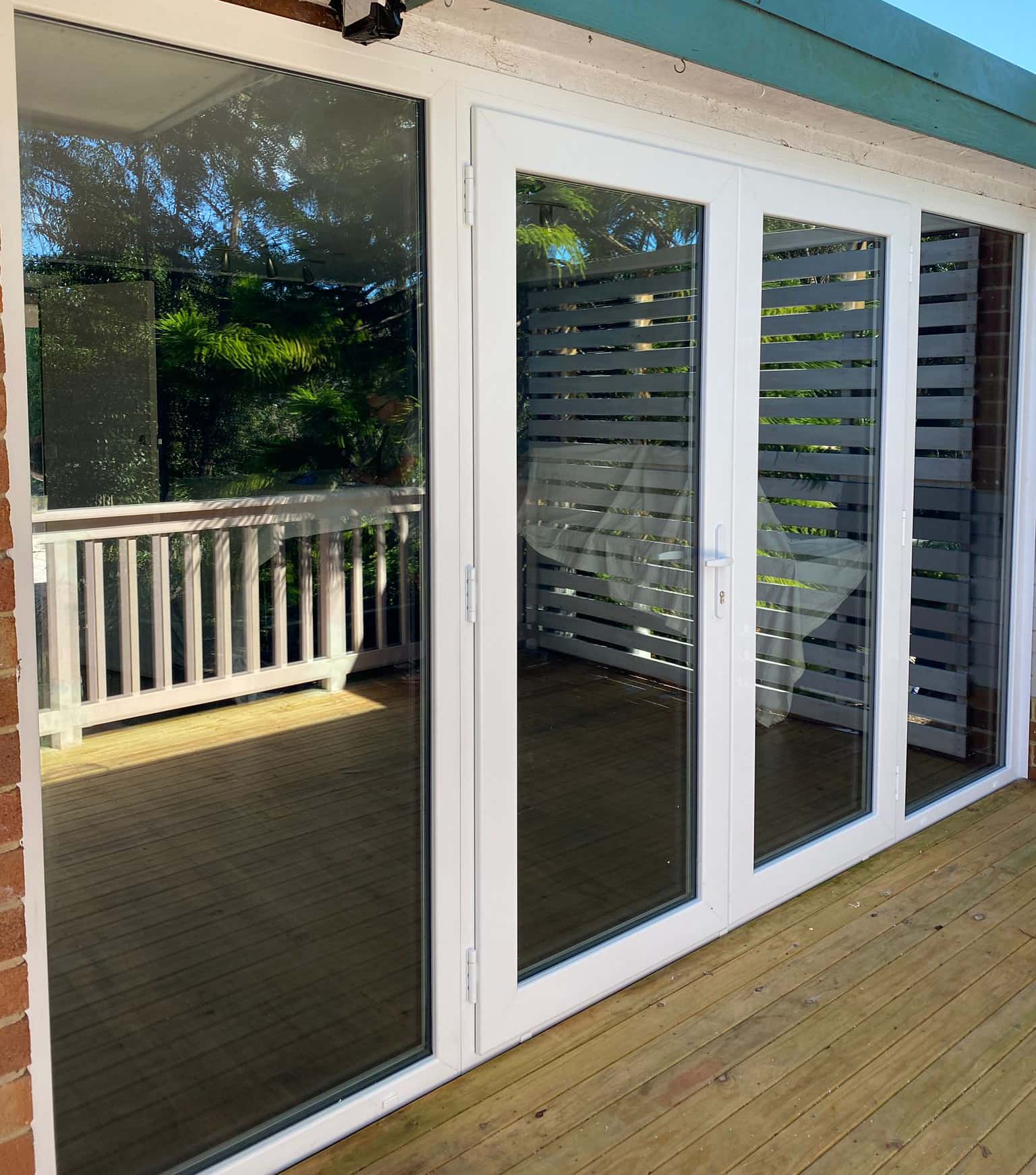
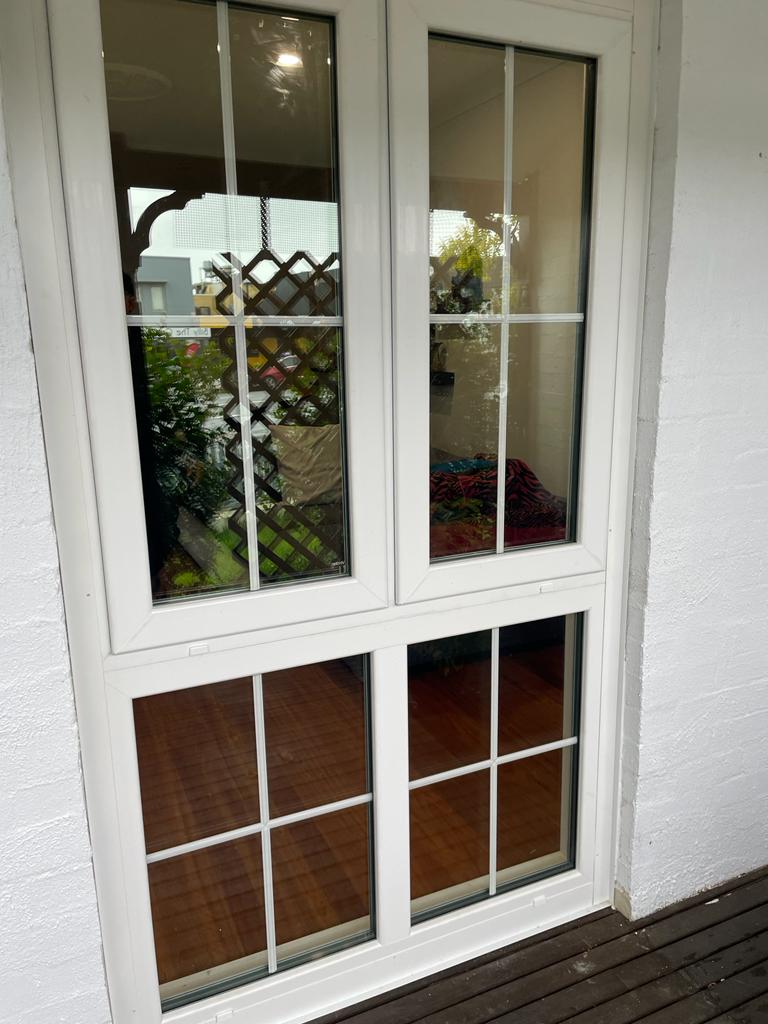
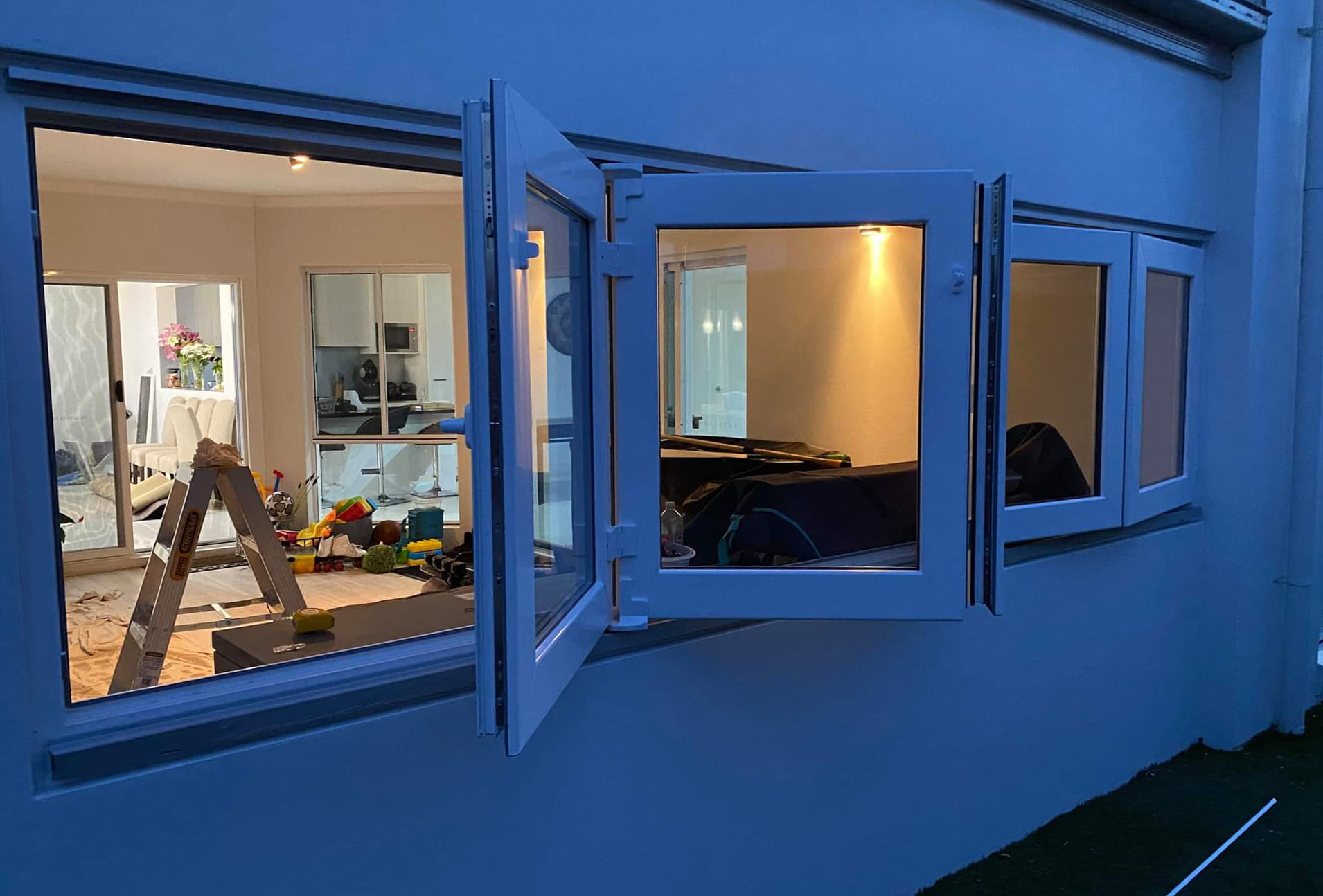
An opening window adds hinges, locking points, handles and other mechanisms, and these are easy to overlook because much of the hardware isn’t obvious when the window is closed.
Ask what is being supplied.
If you visit a showroom, open and close the display window several times. It should operate smoothly and consistently.
Also ask whether the hardware can be adjusted and whether replacement components are available later.
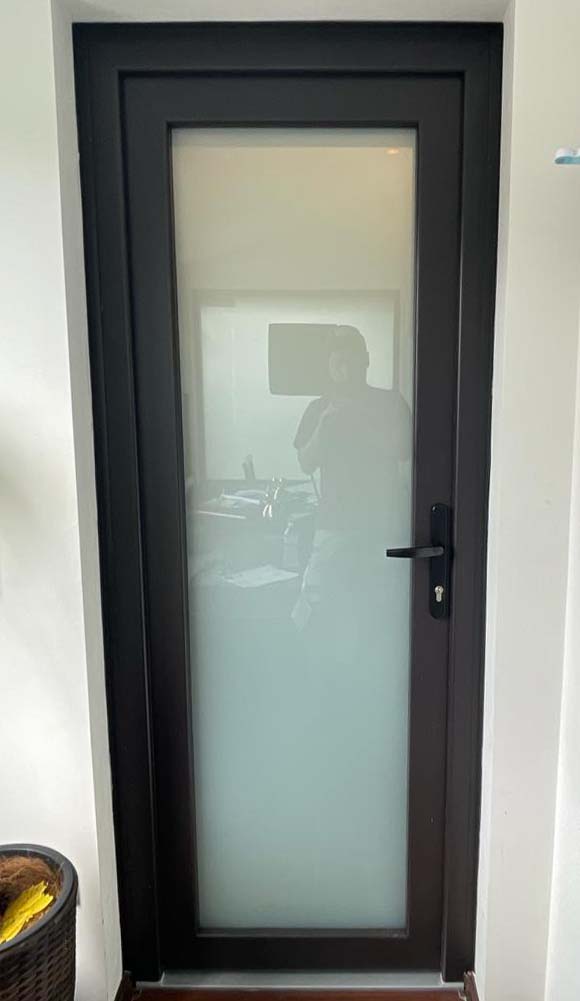
This becomes increasingly important with larger opening sashes and doors, where the hardware is carrying more weight and doing more work.
Treating “Installation Included” as a Complete Description
This phrase causes a surprising amount of confusion:
“Installation included.”
The problem is that it can mean different things.
Does it cover removal of the existing windows? Disposal? Preparation of the opening? Fixing? Perimeter sealing? Internal and external finishing? Adjustment after installation?
And what happens if the original frame is removed and damaged finishes or other problems are discovered around the opening?
Two quotations can both say “installation included” while describing a different scope of work.
We see this most clearly on replacement projects because the condition of the existing opening is not always obvious beforehand.
A good quotation should make the installation scope reasonably clear and identify where additional work may arise.
For a closer look at this part of the project, see Why Window Installation Quality Matters More Than Most People Think.
Reading the Inclusions but Skipping the Exclusions
Most people naturally look at what they are getting.
The exclusions often receive much less attention.
Search the quotation for phrases such as:
- not included;
- by others;
- additional;
- if required;
- subject to site conditions.
These phrases don’t automatically indicate a problem. In replacement work, there are legitimate situations where some conditions cannot be confirmed until the old windows are removed.
But they should not come as a surprise after the quote has been accepted.
A saving can disappear quickly if the lower quotation simply moves several necessary items outside the original price.
Need a consultation?
Our operators will answer any questions
Comparing Warranty Years Instead of Warranty Terms
Ten years sounds better than seven. Fifteen sounds better than ten.
That still isn’t enough information to compare warranties properly.
Ask what is actually covered.
Is it the frame? The insulating glass unit? Hardware? Installation workmanship?
Also ask who deals with the claim and what exclusions apply.
A warranty is useful when the coverage and the process are clear. The number of years on its own tells you very little about what happens if a sash needs adjustment or a glass unit develops a problem later.
Forgetting About After-Sales Support
A replacement window project doesn’t necessarily end when the installers leave.
Opening sections may eventually need adjustment. Hardware can require attention. A warranty issue may arise years later.
Before choosing between suppliers, ask what happens after installation.
Who do you call? Does the company provide service itself? Are replacement components available? How is a warranty request handled?
These questions can feel less important while you’re choosing glass and configurations, but they become much more important if something eventually needs attention.
7 Questions to Ask Before Buying Replacement Windows includes several useful questions to raise before placing an order.
Assuming the Cheapest Quote Must Be Poor Quality
A lower price should make you investigate the difference. It should not decide the outcome by itself.
A company may manufacture locally, have a different business model or offer a simpler specification that is perfectly appropriate for the project.
The same applies at the other end. A higher price doesn’t prove superior quality either.
Consider two simplified examples.
Quote A: lower price, comparable glazing, comparable installation scope and suitable hardware.
That may simply represent good value.
Quote B: lower price, but with a different glazing specification and several installation items excluded.
Now the saving means something different.
The point is not to distrust the cheapest quotation. It is to understand why it is cheaper.
We explore that question further in Article Why the Cheapest Window Quote Can Cost You More Later.
Comparing Verbal Promises Instead of Written Specifications
A showroom visit can involve a lot of information.
You discuss glass. Someone mentions Low-E. Another option is presented as an upgrade. Installation is explained, and a few days later a quotation arrives.
It is surprisingly easy to remember something from the conversation as part of the final offer even when it never made it into the written specification.
If a feature matters to your decision, make sure it appears in writing.
That doesn’t mean every quote needs to look like an engineering manual. You simply want enough information to identify the important parts of what is being supplied.
For most homeowners, that means the window configuration, glazing, relevant hardware, installation scope, warranty and important exclusions.
Asking Each Supplier Different Questions
This can create an unfair comparison without anyone noticing.
You spend twenty minutes discussing noise reduction with Supplier A.
With Supplier B, most of the conversation is about price.
Supplier C talks about energy efficiency.
Later, you try to decide which company gave the best answers, but they were answering different questions.
A simple way around this is to prepare a short list of the same core questions for every supplier.
It doesn’t need to make the buying process formal. It just gives you a consistent reference point and makes the differences easier to recognise.
Choosing Features Before Explaining What You Want the Window to Fix
More specification isn’t always better specification.
A homeowner may ask for “the best glass” without first explaining that the bedroom faces a busy road. Someone else may ask for the most energy-efficient option available when the real problem is intense afternoon sun.
Before discussing upgrades, explain what you’re trying to improve.
It might be traffic noise, winter comfort, afternoon heat, ventilation, security or maintenance.
Once the problem is clear, the specification can be judged against an actual requirement rather than against a list of features.
This usually makes the comparison much more useful.
Deciding Before You Can Explain Why the Quotes Are Different
Before accepting a quotation, try one simple test.
Can you explain why the proposals cost different amounts?
Not every dollar. Just the main differences.
Perhaps one uses a different glazing system. Perhaps another includes more opening sashes. Maybe the installation scope is broader, or one company includes finishing work that another excludes.
If the only explanation is “this company is cheaper”, you probably don’t have enough information yet.
A useful comparison should gradually make the differences clearer.
Compare the Complete Offer
Replacement windows are easier to compare once you stop looking for one feature that proves which product is best.
The frame, glass, hardware, manufacturing and installation all affect the result, but they also need to suit the property and the problem you are trying to solve.
Warranty and after-sales support matter for a different reason: they tell you what happens after the windows are installed.
You don’t need to become a window expert before making a decision. You just need enough information to understand the important differences and decide which of them are worth paying for.
Need Help Comparing Replacement Windows?
We manufacture uPVC windows in Sydney and can help you understand the specification before you place an order.