In this article:
1. Start With the Frame, but Don’t Judge It by Appearance Alone
2. Look at How the Sash Meets the Frame
3. Open and Close the Window More Than Once
4. Don’t Judge the Hardware by the Handle
5. Ask What Glass Is Actually Inside the Window
6. Inspect the Corners and General Finish
7. Ask Where the Window Will Actually Be Manufactured
8. Check Whether the Specification Can Be Explained Clearly
9. Ask How the Window Will Be Installed
10. Get the Important Specifications in Writing
11. Be Cautious When One Feature Is Used to Prove the Entire Window Is Better
12. Pay Attention to the Questions a Supplier Is Willing to Answer
13. A High-Quality Window Is a Complete System
Most homeowners don’t have the opportunity to test a new window for ten years before deciding whether to buy it. You normally see a sample in a showroom, look through a brochure, compare a quotation and make a decision long before you know how the window will perform in everyday use.
That makes judging quality difficult.
Two windows can both be white, both be made from uPVC and both contain double glazing, yet differ considerably in construction, hardware, fabrication and the way they will eventually be installed.
Fortunately, you don’t need to dismantle a window or understand every technical specification to make a useful assessment.
There are several things you can look at, operate and ask about before placing an order.
If you first want to understand the different components that influence performance, our guide to what makes one window better than another explains the complete window system in more detail.
Start With the Frame, but Don’t Judge It by Appearance Alone
The frame is the easiest part of a window to see, which is why people naturally start there.
A clean finish and solid appearance are positive signs, but almost every new showroom window is going to look reasonably good. The more useful questions concern the profile system behind that appearance.
Ask what uPVC profile is being supplied.
You don’t need to memorise chamber diagrams or technical drawings, but the supplier should be able to identify the system rather than simply describing it as a “premium uPVC window”.
Profile design influences how the frame accommodates glazing, seals, hardware and structural requirements.
It is also worth asking whether the same profile system will be used throughout the project. A large opening door, a fixed window and a small opening sash may not necessarily have identical requirements.
If you’re considering uPVC windows, look beyond colour and frame shape and ask what system will actually be manufactured for your home.
Look at How the Sash Meets the Frame
Open an operable display window and then close it slowly.
Pay attention to the point where the opening sash meets the surrounding frame.
The gap should look consistent. The sash shouldn’t appear twisted or sit noticeably closer to the frame at one corner than another.
Now look at the seals.
A window doesn’t become weather-tight simply because it has a rubber gasket. The frame, sash, hardware and sealing system have to work together so the seals make appropriate contact when the window closes.
You don’t need to decide whether one gasket looks thicker or more impressive than another. A better practical test is whether the window closes consistently around its perimeter.
This is one of those small details that may tell you more than a large sticker listing impressive specifications.
Open and Close the Window More Than Once
A display window is there to be operated.
Use it.
Open and close the sash several times. Try the handle. If it is a tilt-and-turn window, test the different opening positions. If you’re considering a sliding system, operate the sliding panel.
Movement should feel controlled and predictable.
That doesn’t mean the handle needs to feel extremely light. Different window sizes and hardware systems can feel different. What you are looking for is smooth, consistent operation rather than sticking, scraping, sudden movement or excessive play.
Also ask whether the hardware can be adjusted and serviced after installation.
Windows are mechanical products. Opening sashes contain moving components that may eventually require adjustment or maintenance.
The ability to support the window after installation matters more than how impressive the handle looks on the day you buy it.
Don’t Judge the Hardware by the Handle
Handles receive a lot of attention because they’re visible.
Most of the hardware system isn’t.
Depending on the window type, there may be hinges, locking points and mechanisms positioned around the sash. These components support the opening section, control how it closes and help maintain the intended contact with the seals.
Ask what hardware is being used and whether it is appropriate for the size and configuration of the window.
For larger sashes and doors, this becomes particularly important because the hardware may be supporting considerably more weight than on a small window.
You can also ask a very practical question:
What happens if this mechanism needs adjustment or a component needs replacing in a few years?
A clear answer tells you something about both the product and the company supplying it.
Ask What Glass Is Actually Inside the Window
“Double glazed” describes the basic construction of an insulated glass unit. It doesn’t tell you the complete glazing specification.
Two double glazed windows can use different glass thicknesses, coatings, cavity configurations and glass types.
Those differences can matter when the homeowner has a particular objective, such as reducing heat transfer, managing solar gain, improving security or reducing outside noise.
Ask what glazing is included in your quotation and why it has been selected.
You don’t necessarily need the most complicated glazing configuration available.
You need glazing that makes sense for the property and what you’re trying to achieve.
For example, a window exposed to significant traffic noise may require a different discussion from a window where the primary concern is thermal comfort.
If you’re comparing double glazed windows, ask for the actual glass specification rather than comparing products only by the words “double glazing”.
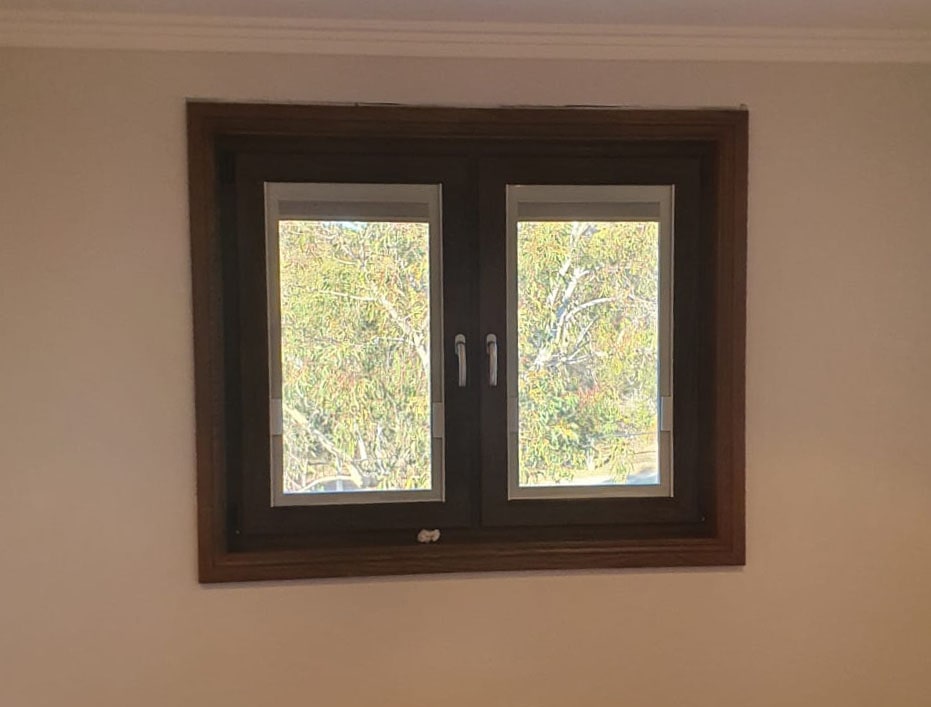
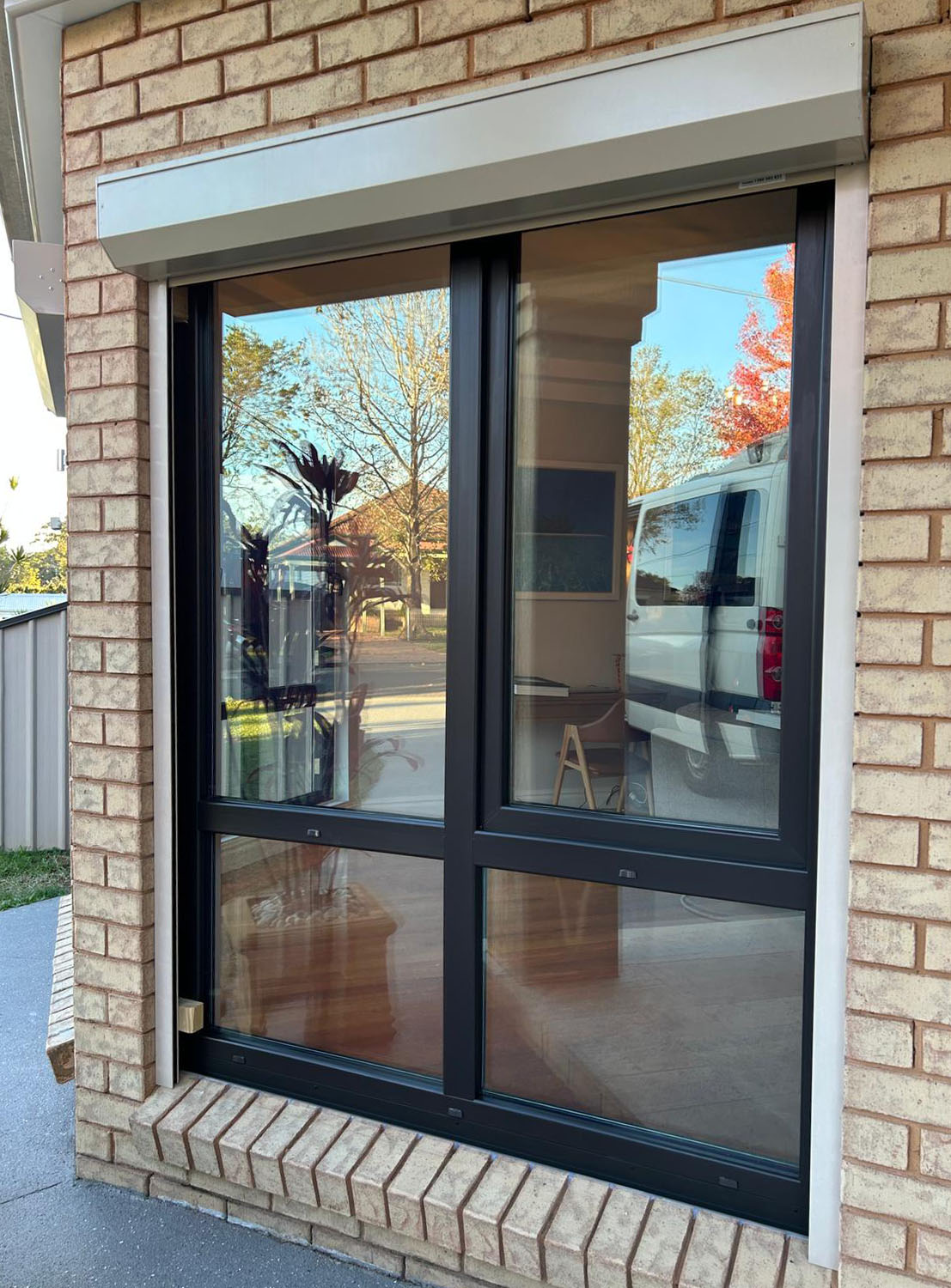
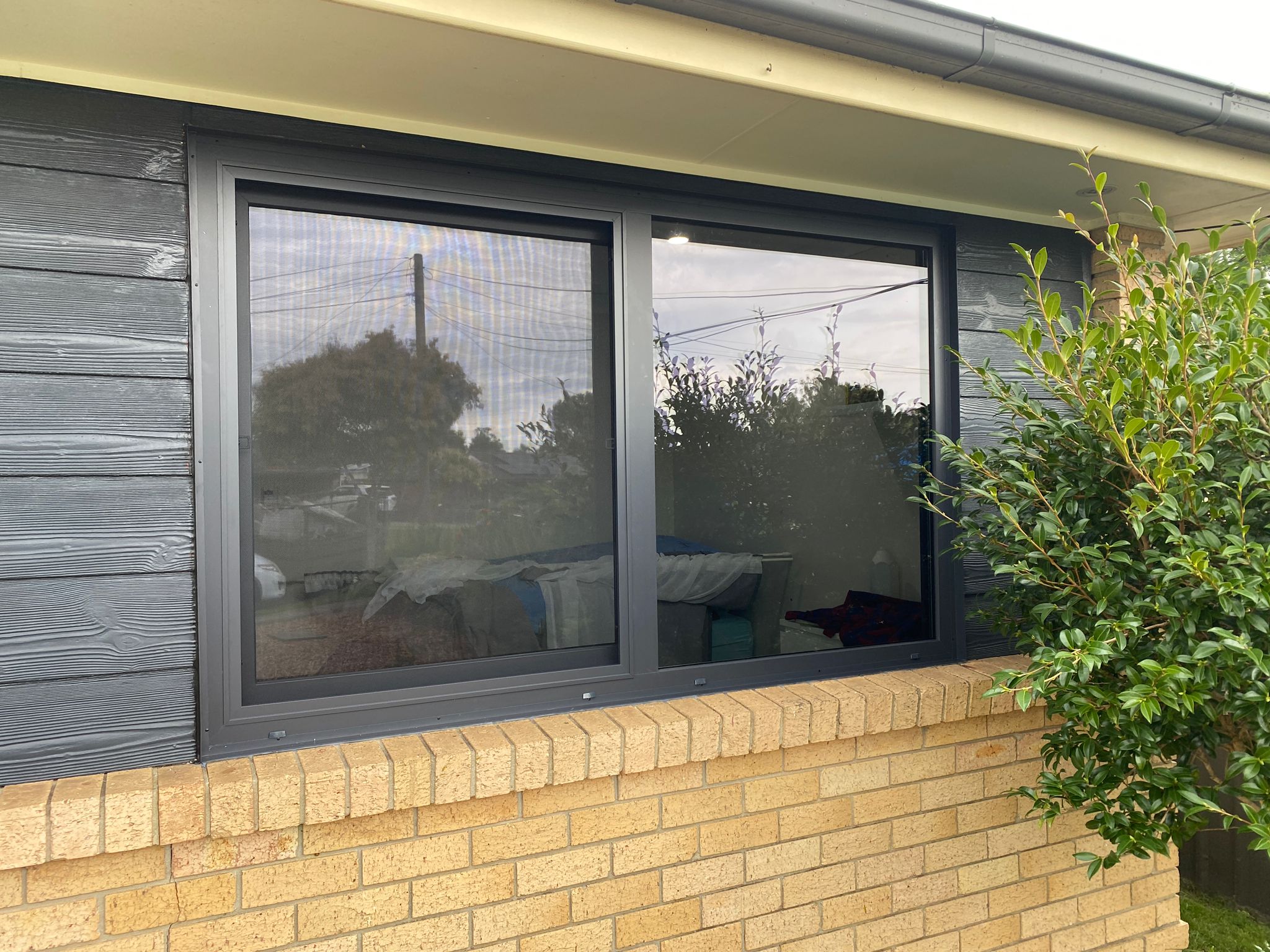
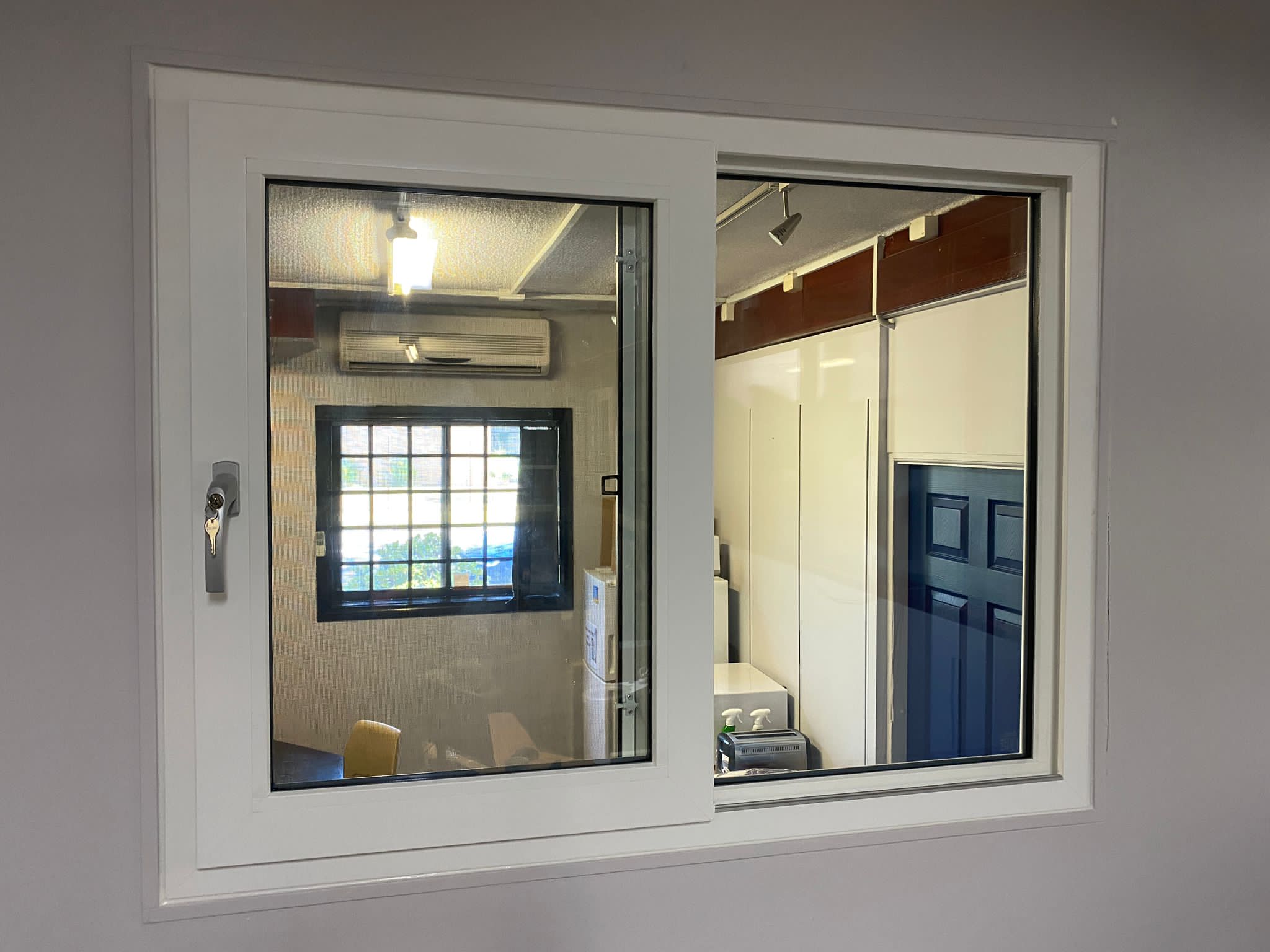

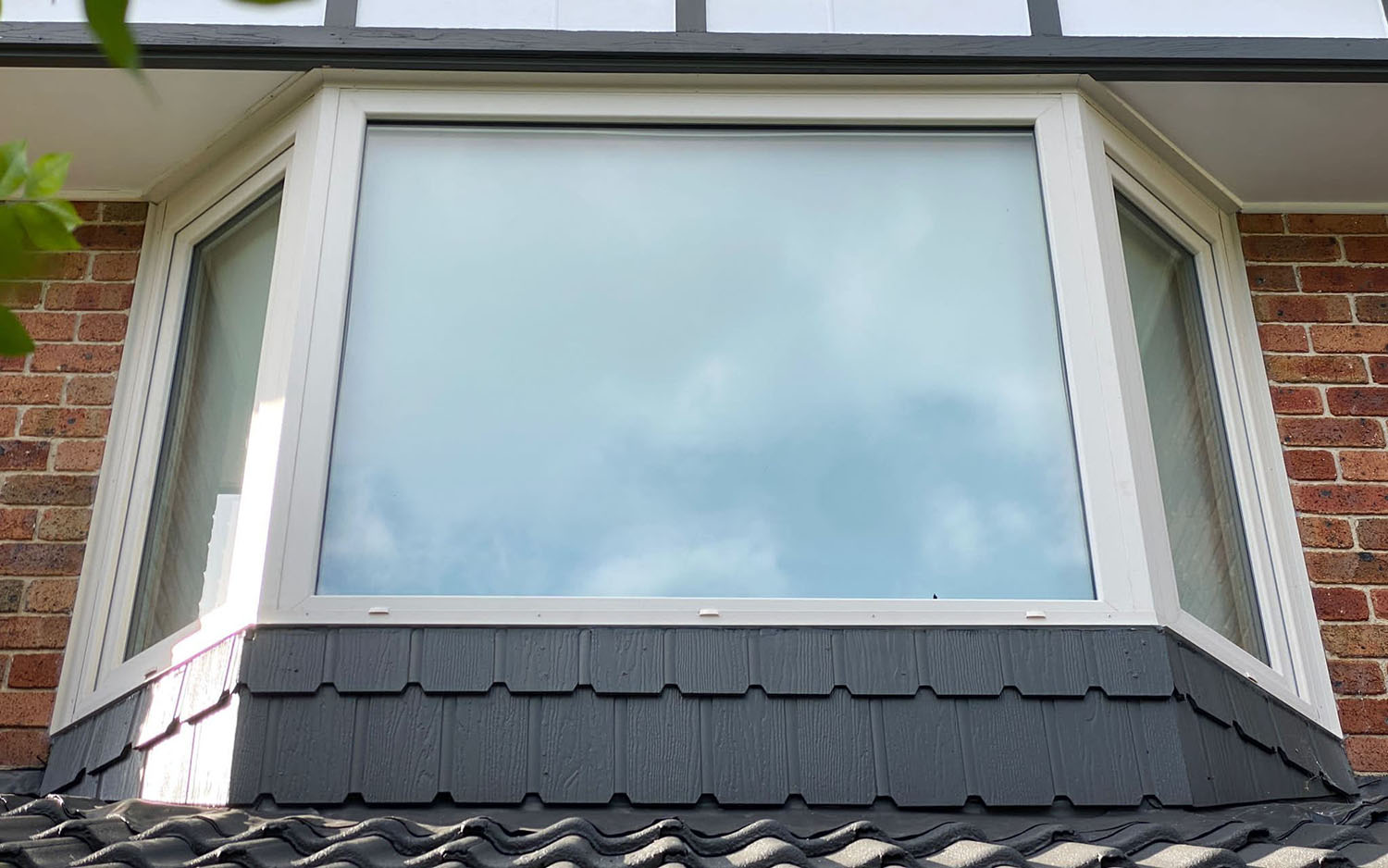
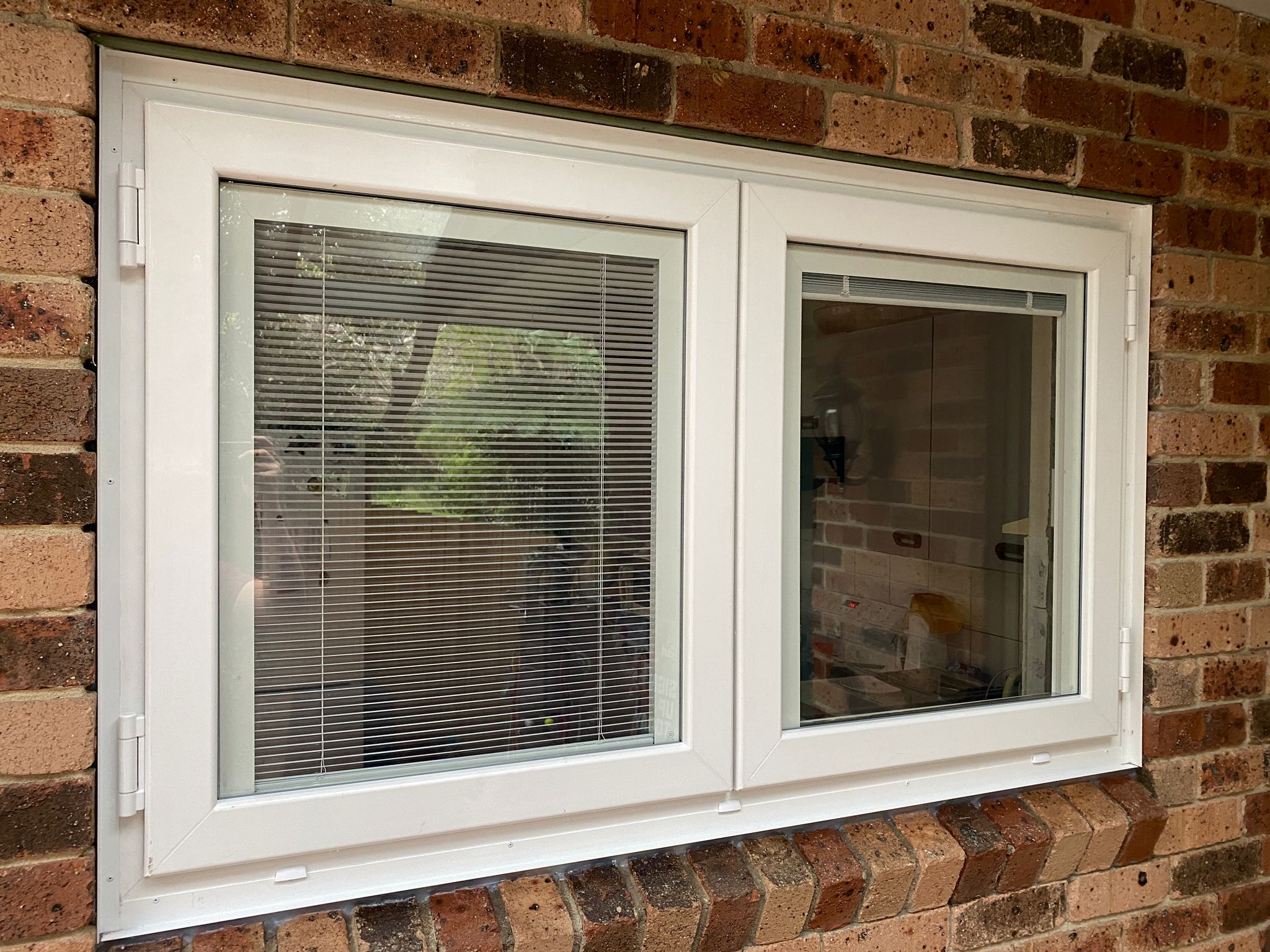
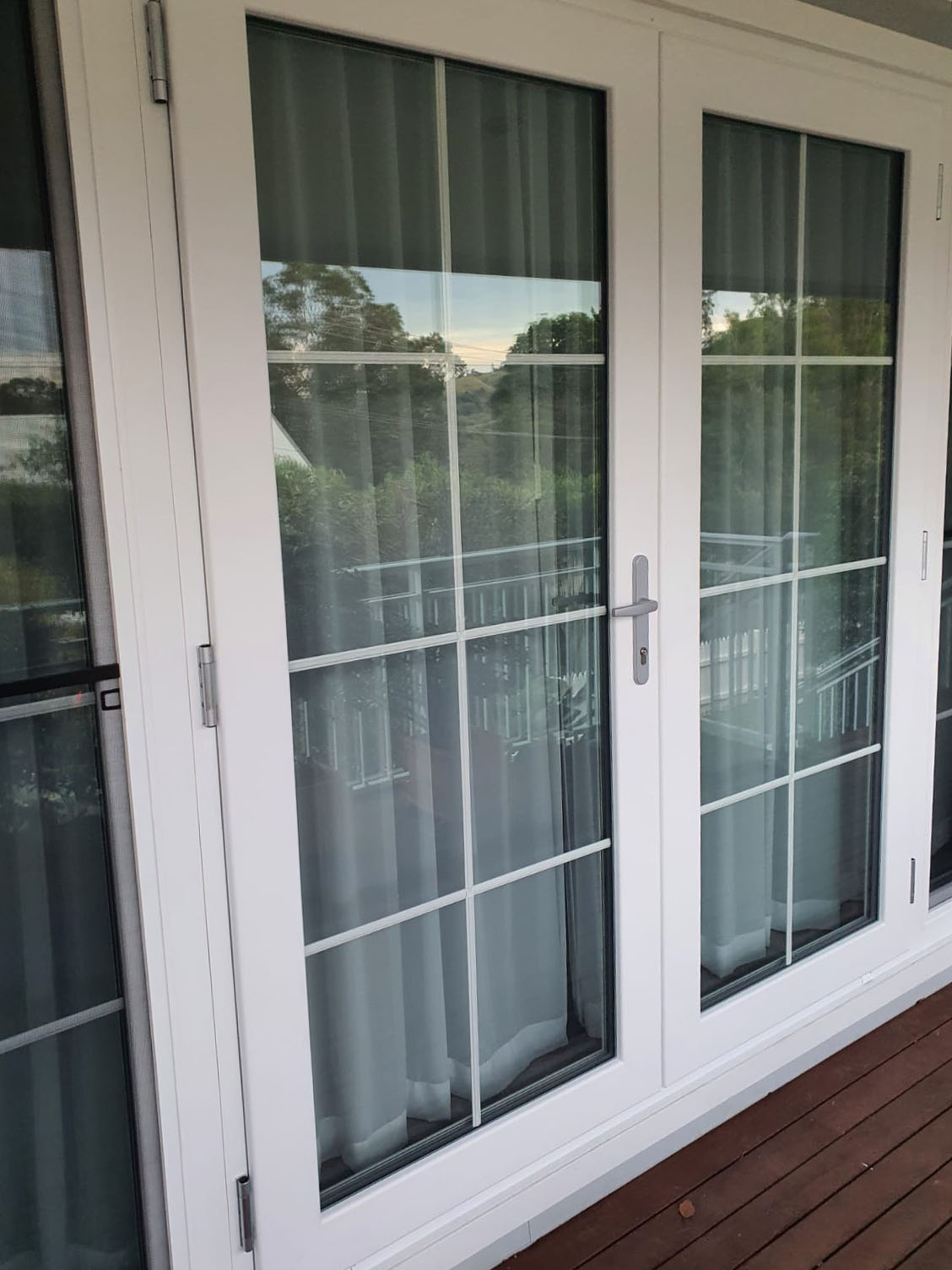
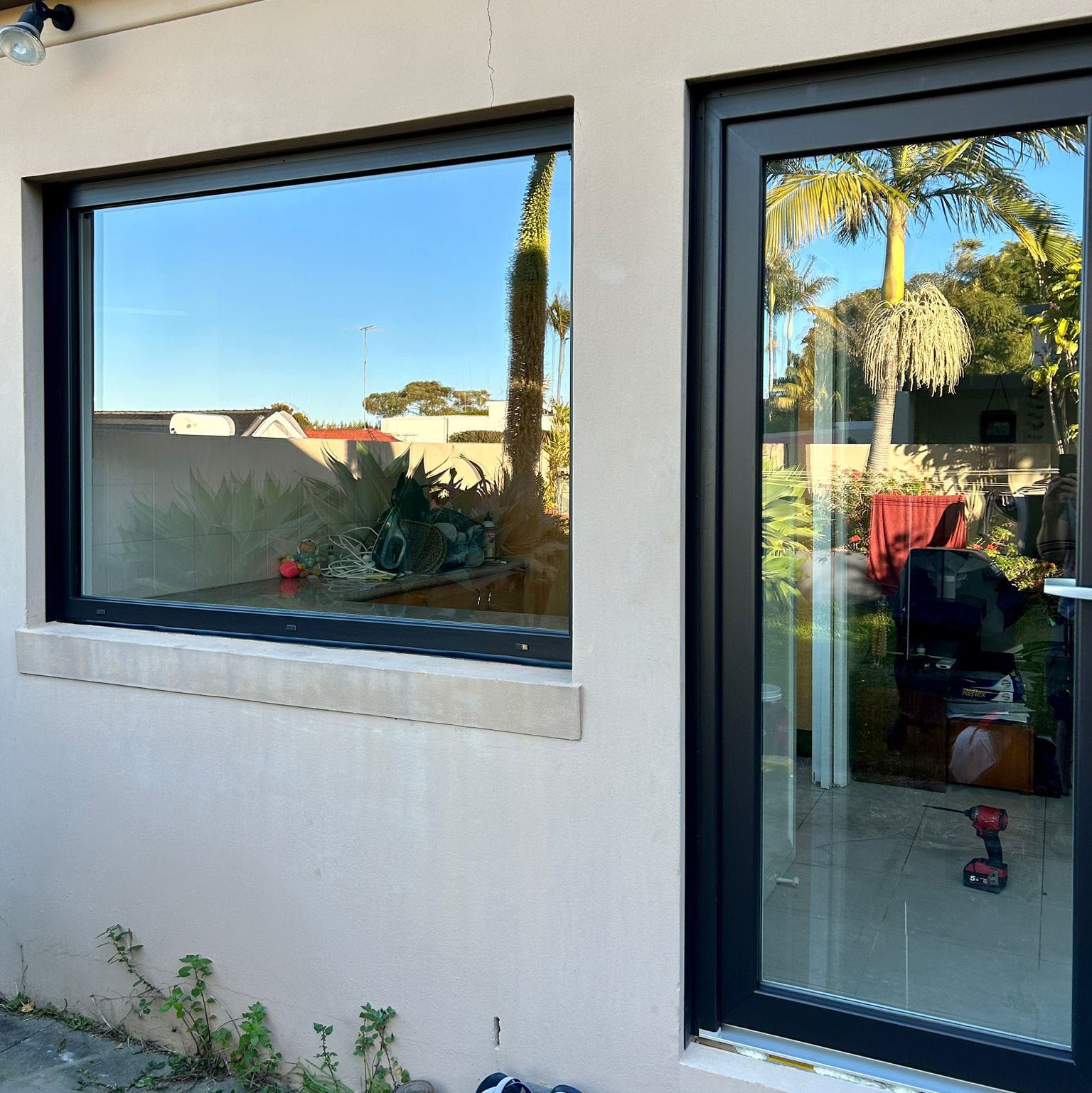
Inspect the Corners and General Finish
You can also learn something from the simple details.
Look at the frame corners. Look around the glazing. Check the visible joints and finishing.
You’re not trying to conduct a factory quality-control inspection in the showroom. You’re simply looking for consistency.
Does the window appear carefully fabricated?
Do the corners look neat?
Does the sash sit properly within the frame?
Does the hardware appear correctly positioned?
Are visible finishes consistent?
A single cosmetic imperfection doesn’t automatically indicate a poor window, but several careless details should encourage more questions.
Manufacturing quality connects the individual components of the window. Good profiles, glass and hardware still have to be turned into a properly fabricated finished product.
Ask Where the Window Will Actually Be Manufactured
This is a surprisingly useful question.
Some window companies manufacture locally. Others buy complete windows from another manufacturer. Some may combine components from several suppliers.
None of those models automatically guarantees good or bad quality.
The useful part is understanding who is responsible for turning the specification in your quotation into the finished windows installed in your home.
Ask:
Where will my windows be manufactured?
Who measures the openings?
Who sends the dimensions to production?
Who checks the finished windows?
Who is responsible if something doesn’t match when the windows arrive?
At Prestige Plus, our uPVC windows are manufactured in our Sydney factory. For us, manufacturing is not separate from window quality because the profile, glazing and hardware all have to be fabricated into a finished unit that corresponds to the opening for which it was measured.
Check Whether the Specification Can Be Explained Clearly
You can learn a lot about a window from the way it is sold.
If a supplier tells you that one window is “better”, ask why.
A useful explanation should connect the specification to something that matters for your project.
For example:
Why has this glass configuration been recommended?
Why is this particular opening style suitable here?
Why is this frame system being used?
What is different between this option and the cheaper one?
A detailed technical answer isn’t always necessary. In fact, the best explanation may be quite simple.
What matters is that there is a reason behind the recommendation.
Our 7 questions to ask before buying replacement windows can help you structure that conversation before agreeing to a quotation.
Need a consultation?
Our operators will answer any questions
Ask How the Window Will Be Installed
A showroom sample hasn’t been installed into your house yet.
That part still matters.
Existing openings can be uneven. Old frames have to be removed. The new window has to be positioned, secured, sealed, adjusted and finished.
A well-manufactured window can therefore still produce a disappointing result if this stage is handled poorly.
Before buying, ask who carries out the installation and what the quoted installation actually includes.
Also ask who is responsible for adjustments afterwards.
We cover this separately in Why Window Installation Quality Matters More Than Most People Think, because installation deserves to be assessed as part of the window purchase rather than as an unrelated service added afterwards.
Get the Important Specifications in Writing
A showroom conversation can contain a lot of information.
It is easy to forget which glass was discussed, whether a particular upgrade was included or what was said about installation.
Before comparing quotations, get the important details in writing.
At minimum, you should be able to identify:
- the window or profile system;
- glazing specification;
- opening configuration;
- major hardware details where relevant;
- installation scope;
- warranty;
- exclusions or possible additional work.
This becomes particularly useful when quotations from different companies use different descriptions.
Don’t rely on memory.
A written specification lets you compare what is actually being supplied.
Be Cautious When One Feature Is Used to Prove the Entire Window Is Better
Window marketing often focuses on a single number or feature.
More chambers.
Thicker glass.
A wider profile.
A particular brand.
A special coating.
These features may be valuable, but none of them proves the complete window is better for your project.
Context matters.
The glazing has to suit the objective. The hardware has to suit the sash. The frame has to suit the design. Manufacturing has to be accurate. Installation still has to be carried out correctly.
This is why checking a window before buying is less about finding one impressive feature and more about understanding whether the complete system makes sense.
Pay Attention to the Questions a Supplier Is Willing to Answer
One of the easiest quality checks doesn’t involve touching the window at all.
Ask questions.
A company supplying a clearly specified product should normally be able to explain what it is proposing.
You don’t need a twenty-minute engineering lecture about every component. You should, however, be able to establish what you’re buying and why.
Be cautious if important questions repeatedly produce vague answers such as:
“It’s our premium system.”
“That’s what everybody uses.”
“It’s the best glass.”
“Installation is all included.”
Those statements may eventually prove true, but they don’t give you enough information to compare the offer.
Clear answers make comparison easier.
A High-Quality Window Is a Complete System
There isn’t one quick showroom trick that proves a window will perform perfectly for decades.
Quality is cumulative.
The frame matters.
The glazing matters.
Seals and hardware matter.
Fabrication matters.
Installation matters.
And the specification needs to suit the actual property.
The practical goal before buying is therefore not to become an expert in every component. It is to gather enough information to understand whether the window has been properly specified, competently manufactured and professionally installed.
A window company should be able to help you do that.
Ready to Compare Your Window Options?
We manufacture uPVC windows in Sydney and can discuss both the window specification and installation requirements before you place an order.