
In this article:
1. What Window System Are You Actually Supplying?
2. What Glazing Am I Getting?
3. Where Will My Windows Be Made?
4. What Exactly Is Included in the Installation?
5. Is Anything Not Included in the Price?
6. What Does the Warranty Actually Cover?
7. Who Do I Contact After the Windows Are Installed?
Pay Attention to How the Questions Are Answered
Don’t Ask Only “How Much?”
Take the Answers Home With You
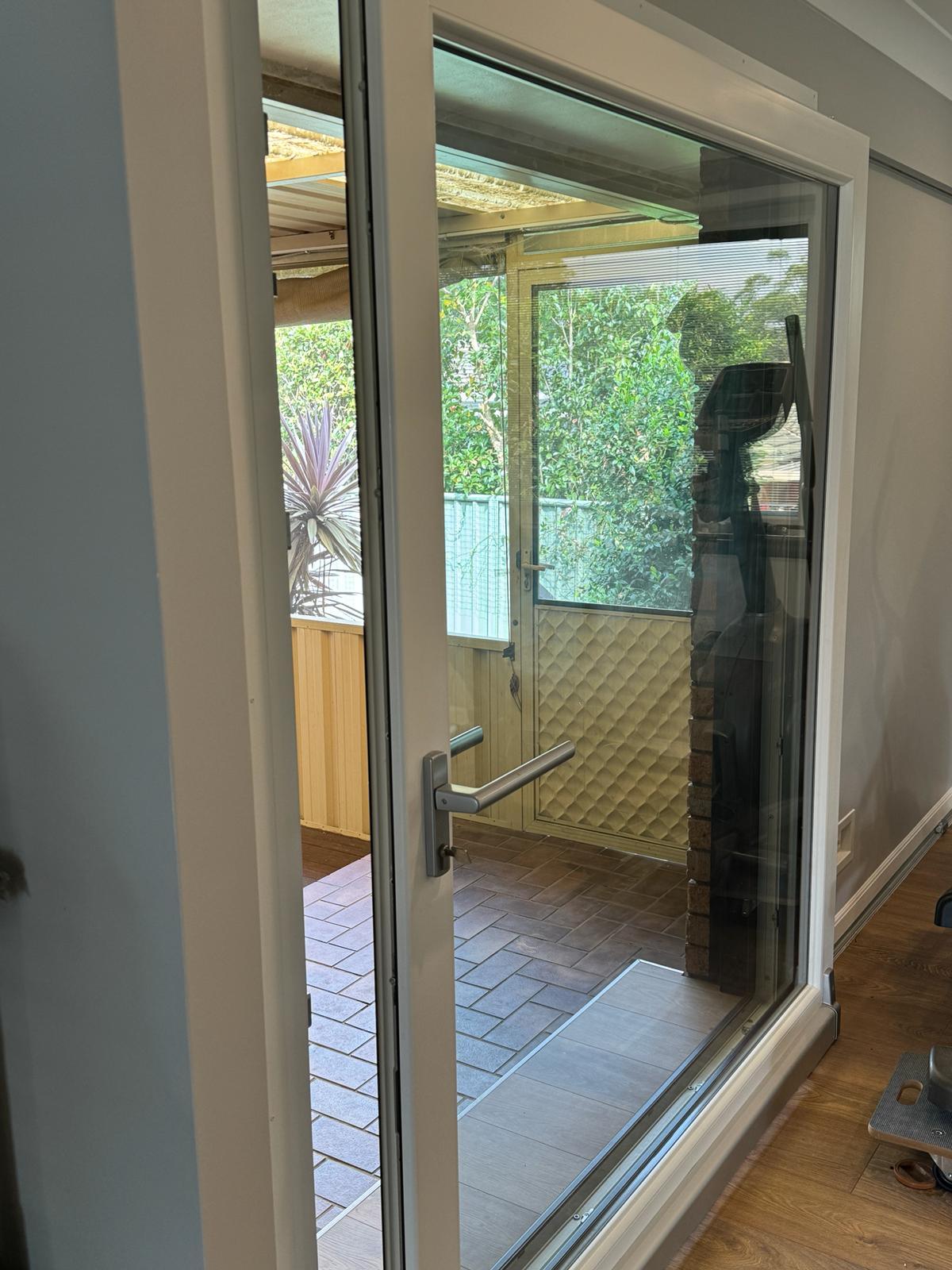
Different profiles, glass options, opening configurations, hardware and installation details all enter the conversation. Some of them will be important for your home. Others may make very little practical difference.
The easiest way to make the process clearer is to ask the right questions before you agree to anything.
You don’t need to become a window expert. A good supplier should be able to explain what is being proposed, why it suits your property and exactly what is included in the price.
Here are seven questions worth asking before buying replacement windows.
1. What Window System Are You Actually Supplying?
Start with the window itself.
A quotation that simply says uPVC windows doesn’t tell you very much about the product being supplied.
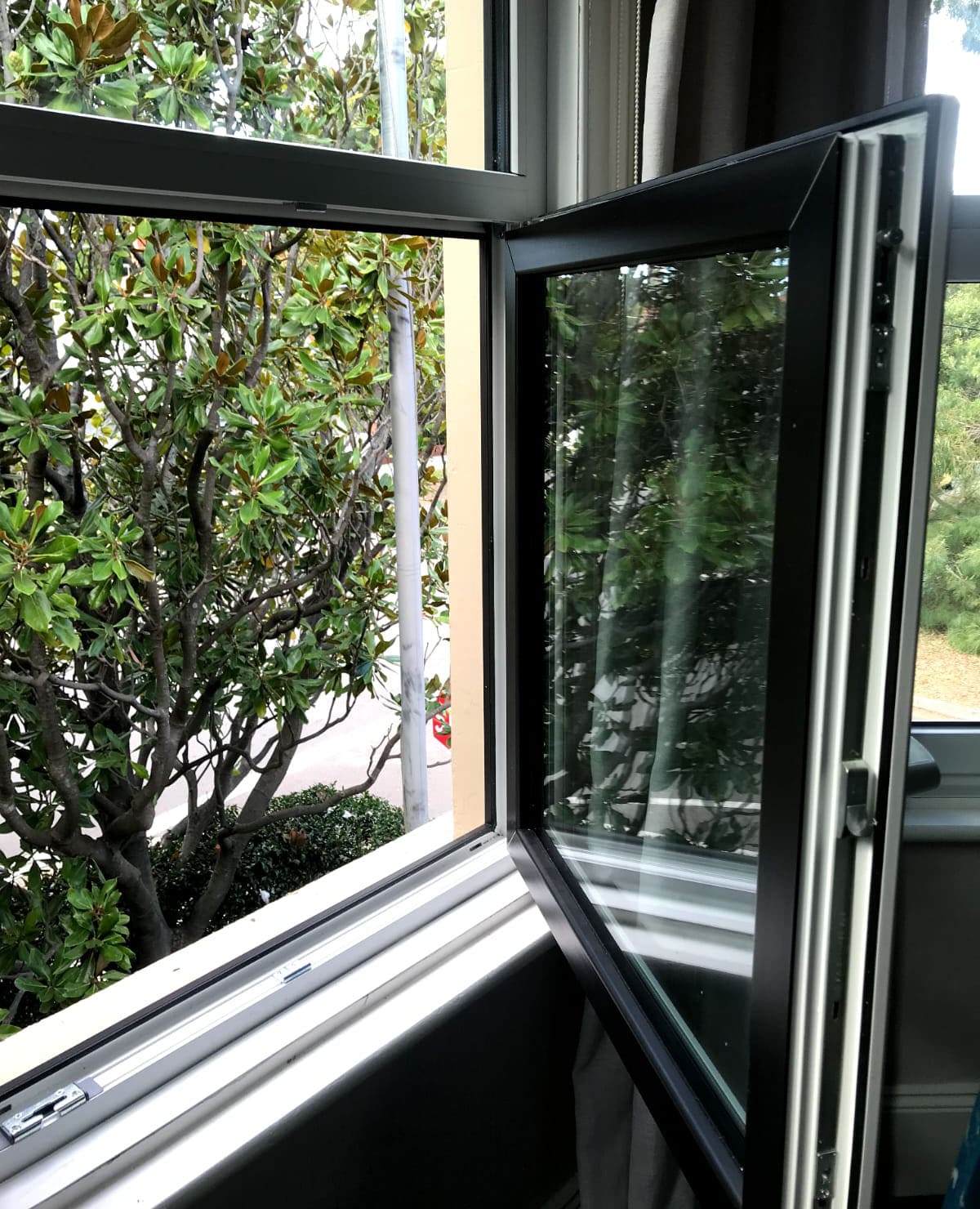
Ask which profile system will be used and whether the same system applies throughout your project. Depending on the windows and doors being replaced, there may be different requirements for different openings.
You don’t need to memorise profile drawings or become an expert in chamber geometry. What matters is that the supplier can identify the system and explain why it is appropriate for your project.
The same principle applies to other parts of the window.
What seals are used? What hardware is fitted to opening sashes? How are larger or heavier units accommodated?
A useful answer should explain the window as a complete system rather than relying on one impressive specification.
If you want to understand which characteristics actually distinguish one product from another, see what makes one window better than another.
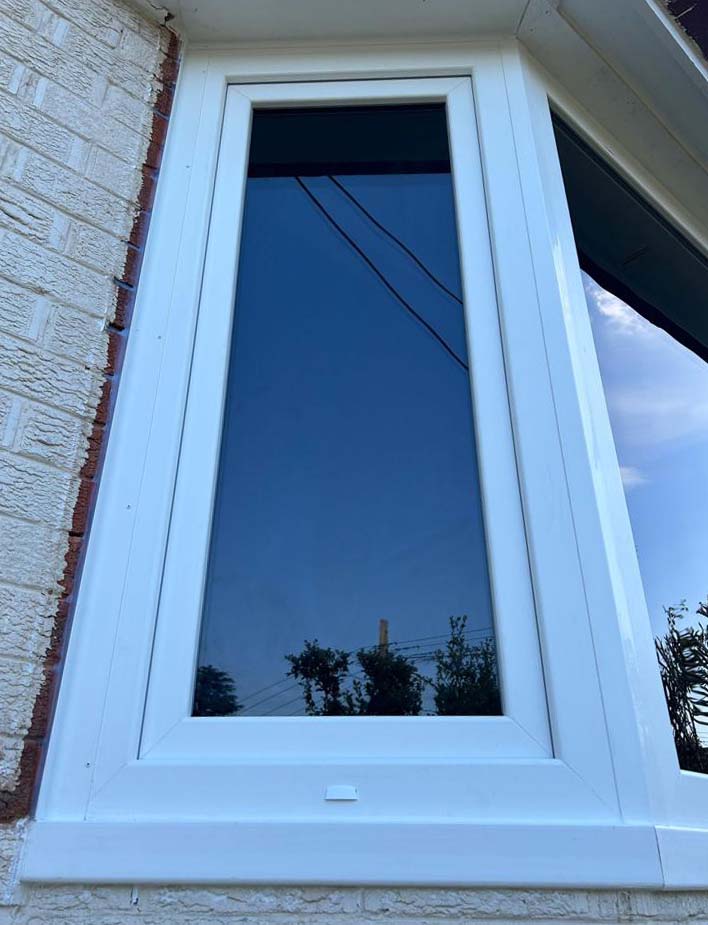
2. What Glazing Am I Getting?
“Double glazing” isn’t a complete glass specification.
Two double glazed windows can use different glass configurations while both legitimately being described as double glazed.
Ask what glass is being proposed and why.
This becomes particularly important when you’re replacing windows to address a specific problem.
If outside noise is the priority, say so. If a room receives strong sun and becomes uncomfortable, mention it. If thermal performance, privacy or security is particularly important, that information should be part of the discussion before the glazing is selected.
The supplier should be able to explain the relevant options without simply recommending the most expensive glass available.
There is no reason to pay for a specification that offers little benefit to your particular project. Equally, saving money on glass that doesn’t address the problem you’re trying to solve may prove frustrating later.
The question isn’t simply:
“Is it double glazed?”
It is:
“What glazing am I getting, and why is it suitable for this window?”
3. Where Will My Windows Be Made?
Homeowners understandably spend a lot of time looking at the finished product, but it is also worth asking where and how the windows are manufactured.
Replacement windows are normally made for particular openings. The profile has to be cut and fabricated, glazing installed, hardware fitted and opening sections assembled and adjusted.
Manufacturing quality therefore connects all the individual components you’ve selected.
Ask whether the supplier manufactures the windows themselves or obtains finished units from another company. If another manufacturer is involved, establish who is responsible for the finished product if there is a problem.
At Prestige Plus, we manufacture our uPVC windows at our Sydney factory. For us, this provides control over the process between specification and installation and gives the customer a clear point of responsibility for the finished window.
Where a window is manufactured isn’t by itself a guarantee of quality. The useful part of the question is understanding who makes your windows and who takes responsibility for them.
4. What Exactly Is Included in the Installation?
This is one of the most important questions you can ask.
“Installation included” sounds clear until you compare what different companies mean by installation.
Ask whether the quoted price includes removal of the existing windows, disposal, preparation of the openings, fixing and sealing the new frames and the necessary finishing around them.
Also ask what happens if something unexpected is discovered after an old window is removed.
Existing openings aren’t always perfect. Previous work may be uncovered, dimensions can vary and surrounding finishes may need attention.
That doesn’t mean a supplier can predict every possible condition before work begins. What they should be able to do is explain the normal scope of installation and how additional work would be handled if it became necessary.
This matters because the performance of a replacement window doesn’t depend on the product alone. A well-manufactured frame and appropriate glazing still need to be installed correctly.
5. Is Anything Not Included in the Price?
This question sounds very similar to the previous one, but there is an important difference.
Instead of asking what you get, you’re asking specifically what you don’t get.
There may be perfectly reasonable exclusions in a window quotation. Certain building work, access requirements, electrical work, blinds, painting or repairs outside the normal installation scope may not form part of the contract.
An exclusion isn’t automatically a problem.
An exclusion you don’t discover until later can be.
Ask the supplier to identify anything likely to generate an additional cost and, where the exact amount can’t be known in advance, explain how it would be handled.
This makes the final price easier to understand and makes different proposals easier to compare.
If you already have several quotations in front of you, use our guide to comparing replacement window quotes to check them side by side.
And don’t automatically reject the lowest offer. Why the Cheapest Window Quote Can Cost You More Later explains why a cheaper quotation can still represent good value — provided you understand where the saving comes from and what is included.
6. What Does the Warranty Actually Cover?
A ten-year warranty and a five-year warranty look easy to compare.
But the number of years isn’t the whole warranty.
Ask what is covered.
Does the warranty apply to the window system? The glazing? Hardware? Installation workmanship? Are different components covered for different periods?
Then ask what happens if you need to make a claim.
Who do you contact? Does the company that sold you the windows handle the issue, or is another manufacturer or installer involved?
At Prestige Plus, we provide a 10-year product and installation warranty. For a homeowner comparing suppliers, however, the broader lesson is to look at both the length and the scope of the warranty.
A warranty is most useful when you understand what it covers and know who is responsible for honouring it.
7. Who Do I Contact After the Windows Are Installed?
This is probably the least exciting question on the list.
It can also become one of the most important.
Windows contain moving components. Opening sashes may occasionally need adjustment, hardware is used repeatedly and questions can arise after installation.
Ask who provides after-sales service.
If something needs attention, do you contact the company that sold you the windows? The manufacturer? A separate installer? Is the hardware serviceable and can replacement components be obtained?
The answer doesn’t need to be complicated.
What you want is a clear route back to someone who knows the product and accepts responsibility for supporting it.
When homeowners buy windows, most attention naturally goes to the installation day. But the relationship with the supplier shouldn’t necessarily end when the installers leave.
Need a consultation?
Our operators will answer any questions
Pay Attention to How the Questions Are Answered
The questions themselves are useful, but the answers can tell you something else about the company you’re considering.
You should be able to ask why a particular frame or glazing option has been recommended without receiving a vague sales answer.
If an upgrade is proposed, ask what practical benefit it provides.
If something isn’t included, ask why.
If two options differ significantly in price, ask what the difference buys you.
A window company doesn’t need to overwhelm you with technical terminology. In fact, a good explanation usually does the opposite: it takes a technical product and makes the decision easier to understand.
You should come away knowing what you’re buying and why.
Don’t Ask Only “How Much?”
Price obviously matters.
Replacement windows can be a substantial home improvement expense, and there is nothing wrong with looking for a competitive offer.
The mistake is making price the only question.
Two suppliers may quote different amounts because they are offering different products or scopes of work. Conversely, two very different prices may turn out to cover remarkably similar products once you examine the details.
This is why similar replacement window quotes can vary significantly even when the proposed windows initially look alike.
Understanding those differences puts you in a much stronger position to decide which ones are worth paying for.
Take the Answers Home With You
You don’t have to make a decision during the first conversation.
Get the important details in writing and take the time to compare them.
You should know:
- what window system is being supplied;
- what glazing is included;
- who manufactures the windows;
- what installation covers;
- what isn’t included;
- what the warranty covers;
- who supports the windows afterwards.
Once those questions have clear answers, the price becomes much easier to evaluate.
And if a supplier can’t clearly explain what you’re buying, that is useful information too.
Ready to Discuss Your Replacement Windows?
We manufacture uPVC windows in Sydney and can explain the frame, glazing, hardware and installation options before you decide which specification is right for your project.