
In this article:
Most of the Important Differences Are Hidden
The uPVC Frame Is More Than the Part You Can See
“Double Glazed” Doesn’t Tell You the Full Glass Specification
Hardware Can Be Easy to Overlook
Installation Can Change the Performance of the Finished Window
What Does the Warranty Actually Cover?
Why the Lowest Quote Isn’t Automatically the Best Value
How We Would Compare Replacement Window Quotes
What Are You Really Paying For?
Comparing Replacement Window Quotes?
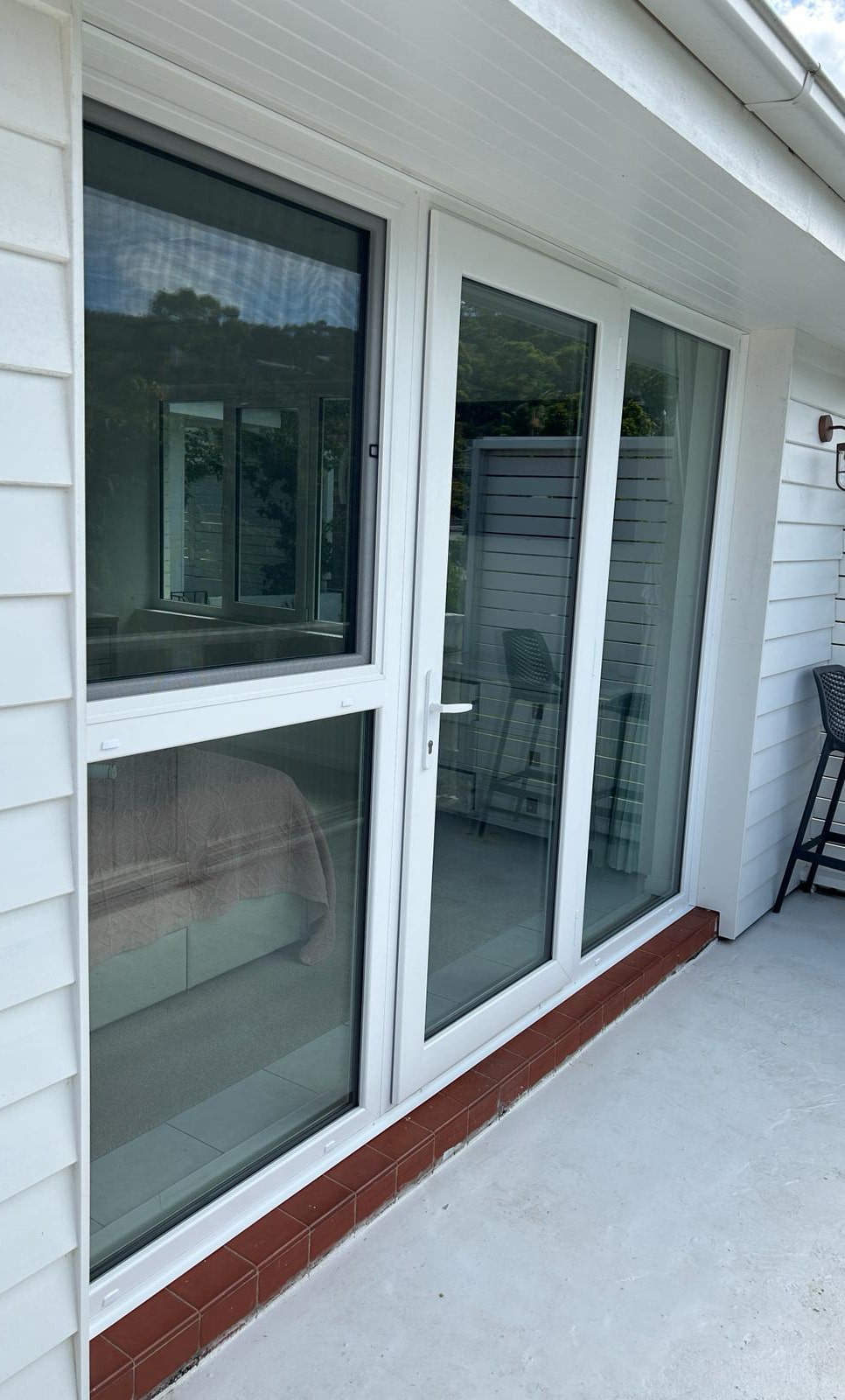
Comparing replacement window quotes can be surprisingly difficult. One supplier might quote $14,800 for a project, another $19,600 and a third close to $24,000, even though all three proposals appear to describe much the same thing: modern uPVC frames, double glazing, new hardware and professional installation.
Looking at photographs or showroom samples often doesn’t make the decision any easier. The frames may look almost identical, the opening styles are the same and every supplier talks about energy efficiency, comfort and durability. So what accounts for a difference of several thousand dollars?
This is something we come across when homeowners are trying to compare different window proposals. Two quotes can use almost identical terminology while the actual products and the amount of work included are quite different. The differences may be in the profile system, the glazing specification, hardware, sealing, installation or simply in what one supplier includes and another treats as an extra.
Once you start comparing those details rather than the final price alone, the gap between quotes usually becomes much easier to understand.
Why Similar Quotes May Not Be Offering the Same Windows
A typical replacement window quotation doesn’t always provide enough information to make a detailed comparison. It might mention uPVC frames, double glazing, locks, removal of the existing windows, installation and a warranty. Another supplier’s quote may contain almost exactly the same description.
The difficulty is that terms such as “uPVC” and “double glazing” describe broad categories rather than a single specification. Double glazing, for example, means that an insulated glazing unit contains two panes separated by a sealed cavity, but that alone doesn’t tell you what type of glass is being used, whether it has a Low-E coating, what is inside the cavity or which spacer system has been specified.
For homeowners who want to understand the basic construction first, our guide to What Is Double Glazing explains how a double glazed unit works.
We’ve seen the same issue when specifications are compared side by side: both documents may simply say “double glazed”, while the actual glass configurations aren’t necessarily the same. Unless you ask for the specification behind the description, that difference is easy to miss.
The same applies to the frame. Two quotes can both specify uPVC while using different profile systems, internal designs, seals and hardware. This is why comparing the headline descriptions alone can give the impression that two products are equivalent when they may not be.
Most of the Important Differences Are Hidden
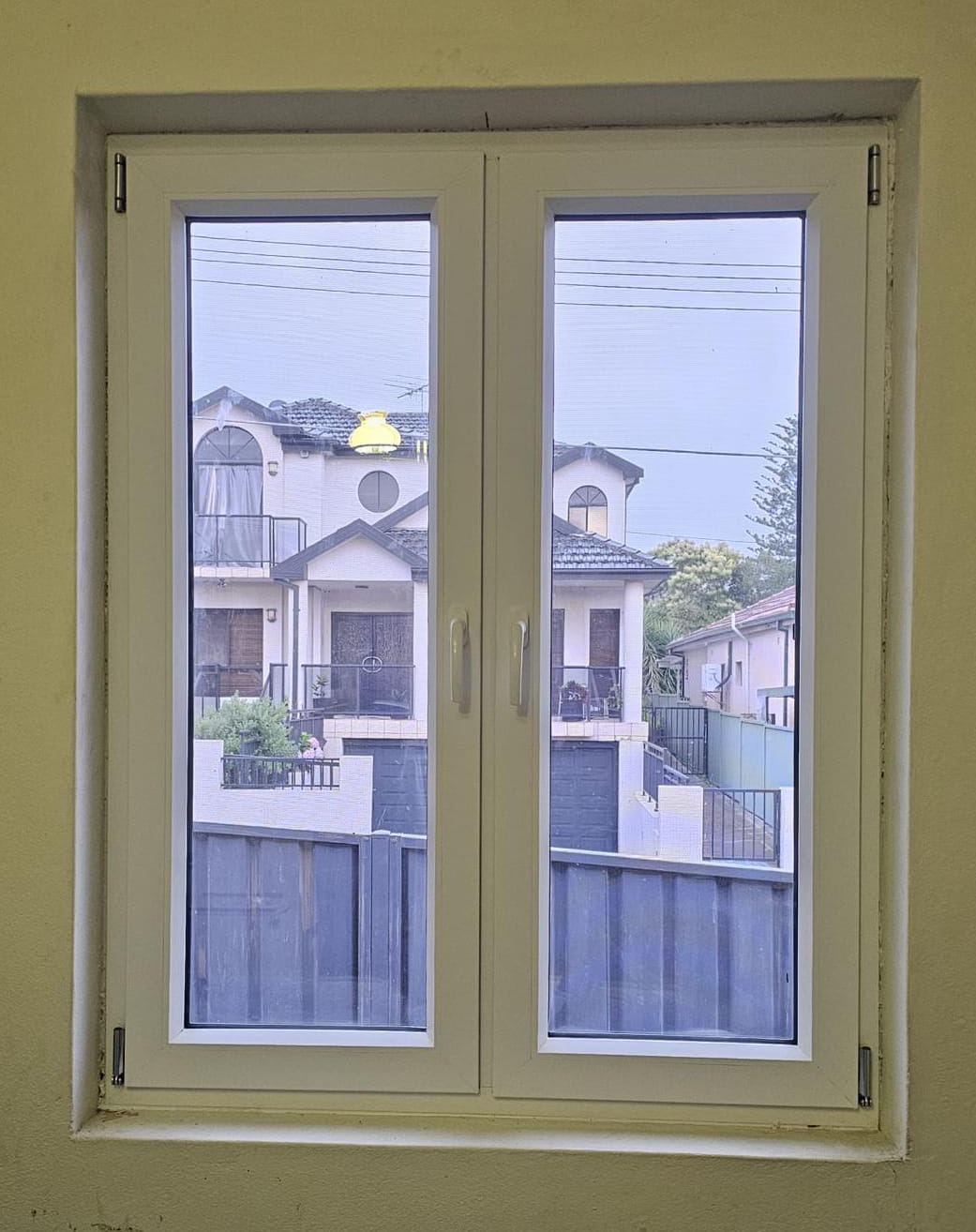
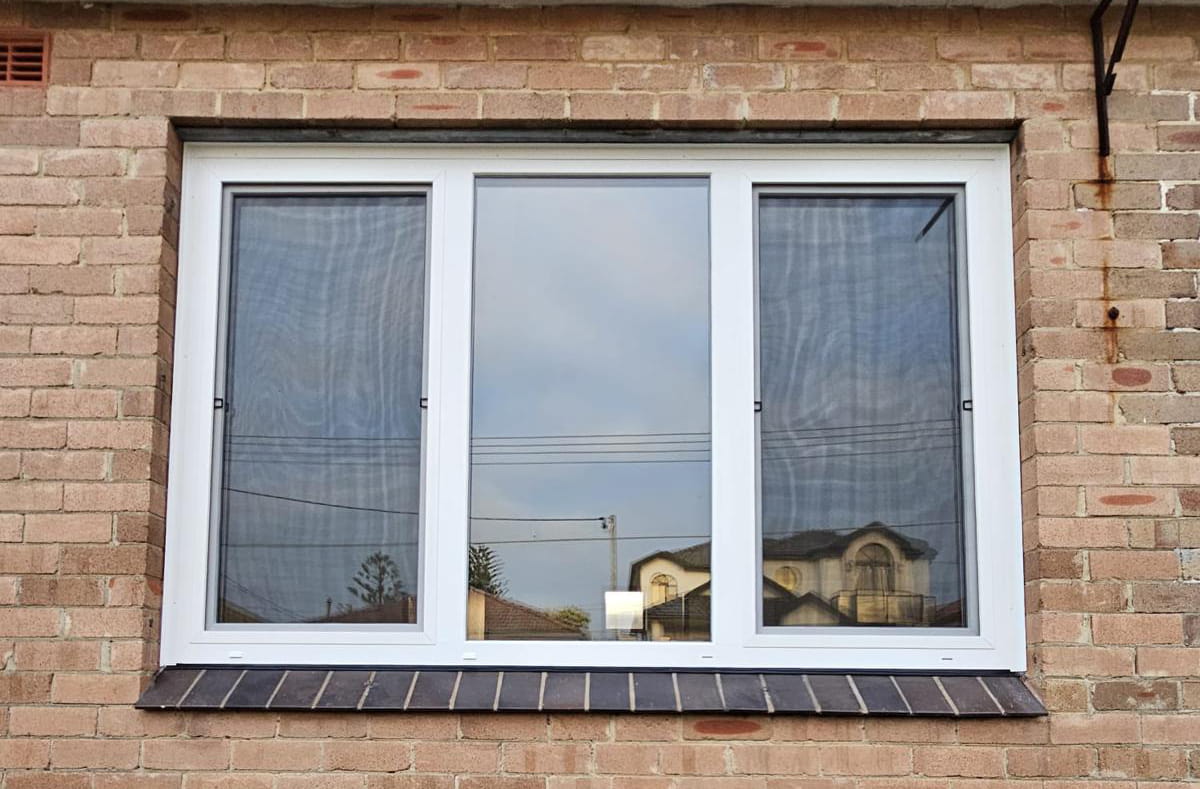
Put two newly installed windows side by side and the differences may be difficult to spot. Both might have white uPVC frames, the same opening configuration and double glazing, and both may operate perfectly well when they’re new.
The real differences tend to emerge over time, once the windows have been through hot summer days, cooler winter nights, wind, rain and thousands of opening and closing cycles. How tightly the sash closes, how the seals perform, how smoothly the hardware continues to operate and how the complete window manages heat and outside noise all depend on more than its appearance.
This is what makes window shopping unusual. Colour, style and handles are easy to compare because you can see them immediately, while many of the details that influence long-term performance are concealed within the finished product.
A modern window is better thought of as a complete system consisting of the frame, insulated glazing unit, seals and hardware, together with the way all of those components have been manufactured, assembled and installed. Looking at one feature in isolation rarely gives you the full picture.
If you want to examine those differences independently of price, our guide to what makes one window better than another explains the seven main factors that determine the quality and suitability of the complete window system.
The uPVC Frame Is More Than the Part You Can See
The visible surface of a uPVC frame tells you very little about what is happening inside it. Modern uPVC windows typically use profiles with internal chambers, with the profile design contributing to the structural and thermal characteristics of the finished window.
This is one area where apparently similar products can differ. Profile depth, internal geometry, wall construction and sealing arrangements are not necessarily the same from one system to another. Reinforcement requirements can also vary according to the profile system, window size and configuration.
The formulation and quality of the uPVC itself matter as well, particularly when windows are exposed to strong sunlight and changing temperatures. These aren’t features most homeowners will identify by looking at a corner sample, yet they form part of the overall window specification.
This is also why we prefer to discuss the window as a complete system rather than reducing the comparison to frame colour or the number of panes of glass. The parts you don’t see once the window is installed can be just as important as the ones you do.
We’ve covered the development of these systems in more detail in Why Modern uPVC Windows Perform Better Than Older PVC Systems.
“Double Glazed” Doesn’t Tell You the Full Glass Specification
The glazing is another common source of confusion when comparing quotes. If three suppliers all specify double glazing, it is easy to assume that this part of the quotation is identical. In reality, there are many ways to configure an insulated glazing unit.
The thickness and type of glass can differ, and Low-E coatings can be used to modify thermal characteristics. The cavity between the panes can also vary, as can the spacer system. Some insulated glazing units use air in the cavity, while others may use a gas such as argon.
There is no single glass configuration that is automatically best for every house. The appropriate specification depends on what the homeowner is trying to achieve and where the windows will be installed.
A property exposed to regular traffic noise may require a different approach from a quiet suburban home where thermal comfort is the main concern. Large areas of glazing exposed to strong sun introduce another set of considerations. Orientation, shading and the size of the windows can all influence which specification makes sense.
When discussing a project with a homeowner, this is one of the reasons the intended result matters. If the main problem is traffic noise, simply asking for “double glazing” isn’t very specific. The same applies if the priority is summer comfort, winter heat loss or a combination of several issues.
For this reason, seeing double glazed windows on two quotations doesn’t necessarily mean you’re comparing the same glazing system. If there is a substantial difference in price, asking each supplier for the actual glass specification can reveal some of the reasons behind it.


Hardware Can Be Easy to Overlook
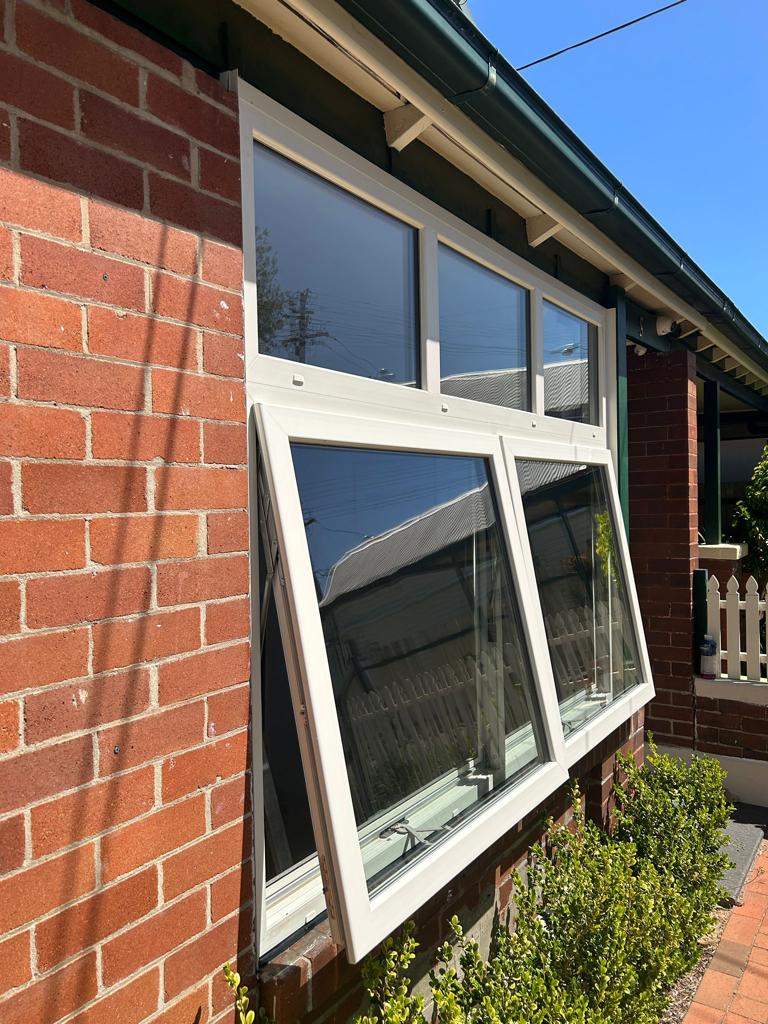
Hardware tends to receive less attention during the buying process because much of it is hidden when a window is closed. Yet handles, hinges and locking mechanisms are among the parts of an operable window that experience the most regular use.
Good hardware isn’t only about whether a handle feels solid. The mechanisms also affect how the sash operates and how it closes against the seals. Over years of use, adjustability, component quality and correct installation become increasingly important.
This is one of those differences that may be almost impossible to judge from photographs. Two windows can look equally good on installation day, while the quality of the hardware only becomes apparent after they have been opened and closed thousands of times.
When comparing quotations, it is therefore worth asking what hardware system is included and whether replacement parts and adjustments can be provided later if required. It is a small question during the quotation stage, but potentially an important one several years down the track.
Installation Can Change the Performance of the Finished Window
A good specification is only part of the job. The window still has to be fitted correctly into an existing building, and this can account for some of the price difference between quotations.
Replacement work isn’t always as straightforward as removing the old frame and putting a new one in the same opening. Once an existing window is removed, the installer may be dealing with uneven openings, existing finishes and different conditions around the old frame. These details affect how the replacement window needs to be positioned, fixed, sealed and finished.
This part of a project is easy to underestimate because most of the installation details disappear once the trims and finishes are completed. From the homeowner’s point of view, two finished windows may look equally neat even though the work behind those finishes wasn’t the same.
If positioning, fixing, sealing or adjustment isn’t handled properly, buying a more expensive frame or glazing unit won’t necessarily deliver the result the homeowner expected. The installation needs to allow the complete window system to perform as intended.
For that reason, don’t stop at the words “installation included”. Ask what is actually included in the installation, who will carry out the work, how the window will be sealed and finished, and what happens if an adjustment is needed afterwards.
Need a consultation?
Our operators will answer any questions
What Does the Warranty Actually Cover?
Warranty comparisons present a similar problem. A longer warranty looks better on paper, but the number of years isn’t particularly useful without knowing what is covered.
One warranty may apply to the frame but treat glazing, hardware and installation separately. Another may include several components under different conditions. There may also be exclusions or maintenance requirements that aren’t obvious from the headline warranty period.
We would therefore look beyond the large “10-year” or “20-year” number on a quotation and check the actual terms. What happens if there is a problem with the glazing unit? Is the hardware covered? What about installation workmanship? Who handles the claim?
These are practical questions, and the answers tell you more than the warranty length on its own. A warranty is most useful when the coverage is clear and there is a straightforward process for obtaining service if something goes wrong.
Why the Lowest Quote Isn’t Automatically the Best Value
None of this means homeowners should avoid the cheapest quote. A lower-priced supplier may offer a perfectly suitable system, while a higher price is certainly not proof of better quality.
The important thing is to understand where the difference comes from.
If one quote is several thousand dollars cheaper than the others, the glazing specification may be different, or the profile and hardware may not be equivalent. The installation scope may exclude work included elsewhere, or some finishing may be treated separately. There may also be a perfectly reasonable explanation related to manufacturing, overheads or the supplier’s business model.
The same scrutiny should be applied to an unusually expensive quotation. Rather than assuming a premium price means a premium product, ask what the additional cost is buying.
Our existing guide to Double Glazing Prices and Costs looks more broadly at the factors that influence window pricing. When actual quotes are sitting in front of you, however, the useful comparison isn’t simply $14,800 versus $19,600. It is what is included in those two prices.
How We Would Compare Replacement Window Quotes
You don’t need to become a window engineer to make a sensible comparison. The aim is simply to get enough information to establish whether the suppliers are actually quoting like-for-like products and work.
For a step-by-step approach, see our guide to comparing replacement window quotes, including the specifications, installation details and exclusions worth checking side by side.
We would start with the frame and glazing specifications, then look at the hardware, installation scope and warranty. If there is a particular problem you’re trying to solve – traffic noise, uncomfortable rooms, large areas of exposed glazing or ageing windows that no longer seal properly – tell each supplier. Their proposed specification should make sense in the context of that problem.
It is also worth asking what happens after the installation is complete. Who deals with adjustments? Is workmanship covered? Can hardware be serviced or replaced? Who should you contact if an insulated glazing unit develops a problem?
Once you have those answers, the quotations become much easier to read. A higher price may turn out to include a different glazing specification or more installation work. Alternatively, you may discover that the less expensive system already provides everything your project requires.
Either outcome is better than choosing solely from the number at the bottom of the page.
What Are You Really Paying For?
When homeowners first start researching replacement windows, the natural question is, “How much will they cost?” Price obviously matters, especially when a project involves replacing many windows at once.
By the time you’re comparing final quotations, however, a better question is: what am I actually getting for that price?
Windows are expected to remain part of a home for many years. During that time they affect indoor comfort, ventilation, natural light, weather protection, security and the amount of outside noise that enters the property. The quality and suitability of the frame, glazing, hardware and installation therefore matter long after the original invoice has been paid.
The aim isn’t to buy the most expensive window, and there is no reason to dismiss a competitive quote simply because it costs less. What matters is knowing what you’re comparing and choosing a system that offers the right balance of performance, durability and cost for your particular home.
Comparing Replacement Window Quotes?
If you have replacement window quotes and aren’t sure whether the proposed systems are genuinely equivalent, talk to the Prestige Plus team. We can explain the differences between frame systems, glazing options and installation requirements and help you understand what is actually included.
Once the specifications are clear, comparing the prices becomes a much simpler exercise.
Get a quote
Contact us today to find out how Prestige Plus specialists can help you solve your problem
FAQ
Why do replacement window quotes vary so much?
Quotes can vary because suppliers may be offering different frame systems, glazing specifications, hardware, installation methods and warranty coverage. Two windows that look similar in photographs or samples aren’t necessarily equivalent products.
Are all double glazed windows the same?
No. Double glazing describes two panes of glass separated by a sealed cavity, but the glass type and thickness, coatings, cavity, gas fill and spacer system can vary between insulated glazing units.
Does a more expensive window always perform better?
Not necessarily. Better materials, different specifications and more involved installation can increase the price, but cost alone doesn’t prove that one window will perform better than another. The underlying specifications need to be compared.
Why is window installation so important?
A replacement window has to be correctly positioned, fixed, sealed, adjusted and finished within the existing opening. Poor installation can prevent an otherwise good window system from performing as intended.
What should I compare besides price?
Compare the frame and glazing specifications, hardware, installation scope and warranty. Also check whether each quotation includes the same removal, finishing and after-sales services.
Can better windows reduce energy bills?
High-performance windows can reduce unwanted heat transfer and may reduce the energy required for heating and cooling. Actual savings depend on factors including the house, climate, orientation, glazing area, window specification and the way the home is heated and cooled.
Will new windows make my home quieter?
A well-designed window system can reduce outside noise, but the result depends on the glazing configuration, frame, seals, installation and the characteristics of the noise itself. Double glazing alone doesn’t guarantee a particular level of sound reduction.
How long should quality replacement windows last?
There isn’t one lifespan that applies to every window. Longevity depends on the window system, materials, hardware, installation, exposure and maintenance, which is why warranty coverage and future servicing should also be considered.
Should I always choose the cheapest quotation?
No, but a cheaper quotation shouldn’t automatically be rejected either. Ask why it costs less and determine whether the specification, installation and warranty are genuinely comparable with the other quotes.
How can I tell if two window quotes are genuinely comparable?
Ask each supplier for details of the frame system, glazing specification, hardware, installation scope and warranty. Comparing these items side by side will show whether the quotations are actually offering equivalent products and services.