
In this article:
2. The Glass Specification Can Change the Window Completely
3. Hardware Is Often Specified Separately
4. Opening Configuration Matters More Than It First Appears
5. A Specification Should Explain What You’re Getting
6. The Same Components Can Produce Different Finished Windows
7. Performance Requirements Can Change the Specification
8. Energy Performance Is About the Complete System
9. Noise Reduction Cannot Be Judged by the Frame Brand
10. Installation Is Not Included in the Brand Name
11. A Famous Brand Does Not Make Every Configuration Appropriate
12. Unknown Does Not Automatically Mean Poor Quality Either
13. Compare the Written Specification, Not the Logo
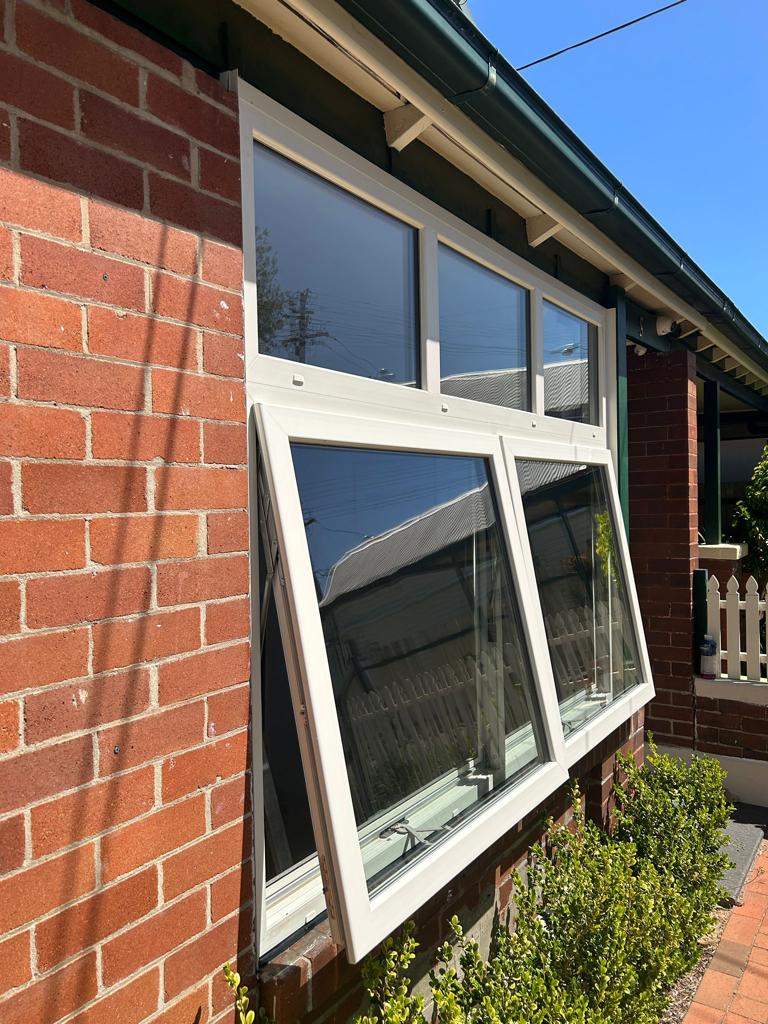
Brand names are useful when you’re buying almost anything. They give you a starting point and make unfamiliar products easier to compare.
Windows are a little different.
A replacement window is not a single product taken from a shelf. It is made up of several components and manufactured for a particular opening. The profile system, glazing, hardware, seals, opening configuration and installation all influence the finished result.
That means two companies can mention the same profile brand while supplying windows that are not actually equivalent.
The name may be familiar. The window itself can still be very different.
A Profile Brand Is Only One Part of the Window
When homeowners talk about window brands, they are often referring to the profile manufacturer.
That makes sense. The frame is the most visible component, and the profile name is often one of the first technical details mentioned during a sales conversation.
But the profile does not define the complete window.
The same profile family can be used for different opening configurations, combined with different glazing and hardware, and fabricated for different sizes and performance requirements.
So if Quote A and Quote B both mention the same profile manufacturer, that does not automatically mean the finished products are equivalent.
Ask which actual profile system is being supplied and how it is being used in your project.
If you want to understand the frame itself in more detail, our guide to modern uPVC window systems explains how profile design has developed over time.
The Glass Specification Can Change the Window Completely
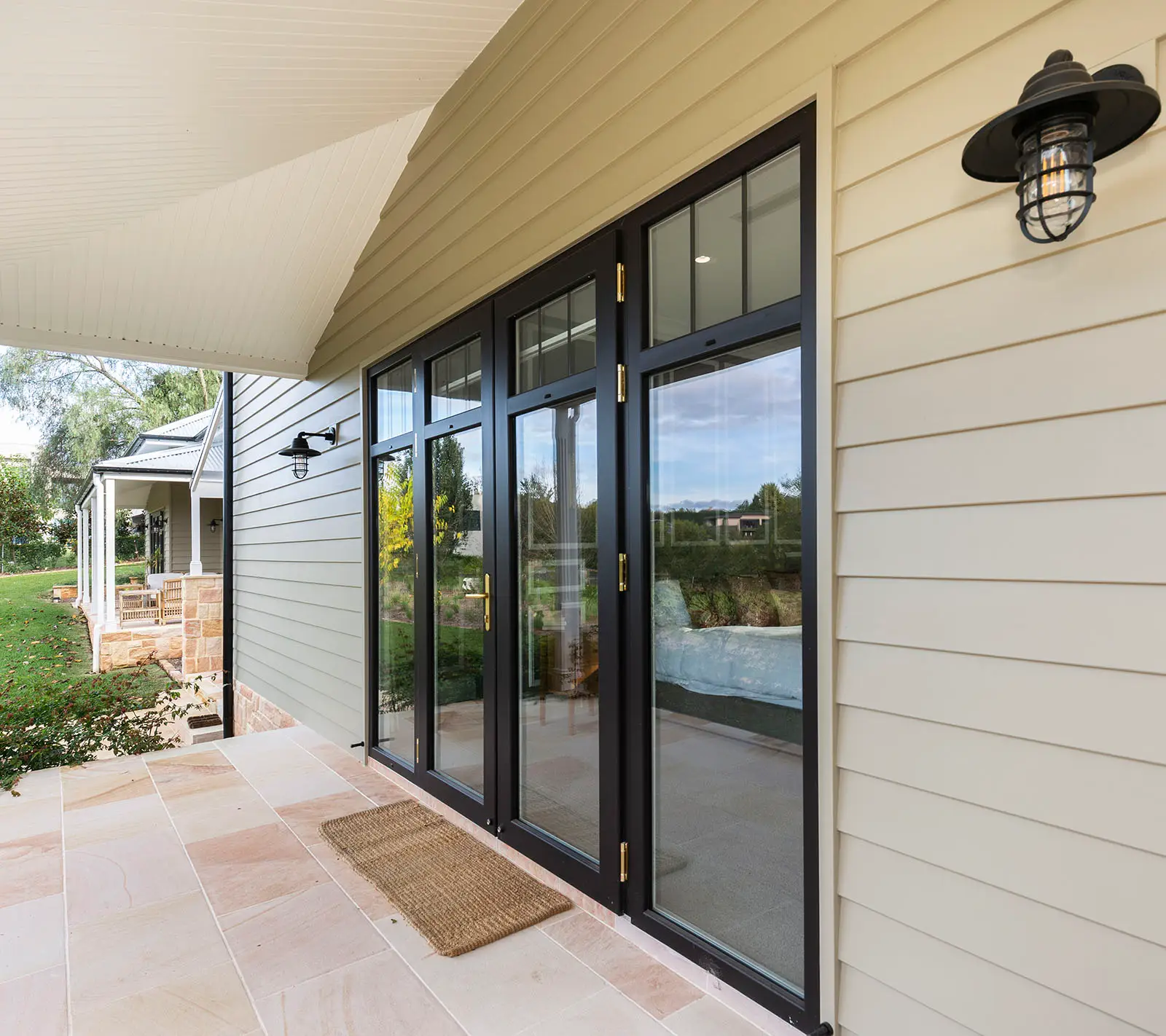
Glazing is one of the clearest examples of why a brand name alone doesn’t tell you enough.
Two companies may use the same profile system while specifying different insulated glass units.
One may include standard double glazing. Another may use Low-E glass. Glass thicknesses, coatings and configurations can also vary depending on whether the main concern is thermal comfort, solar control, safety or outside noise.
If both quotations simply say “double glazed”, those differences can easily disappear on paper.
Ask what glass is actually included.
You don’t need an engineering-level description, but you should be able to identify enough of the specification to know whether two proposals are genuinely comparable.
When comparing double glazed windows, the actual glass specification is more useful than the category name alone.
Hardware Is Often Specified Separately
The same applies to hardware.
The handle is the part you see. Most of the operating system sits around or inside the sash.
Depending on the window style, the finished unit may contain hinges, locking points and other mechanisms that affect how the window opens, closes and engages with its seals.
A profile brand doesn’t tell you which hardware is being used.
This becomes more important with larger opening sections and doors, where the hardware is carrying more weight and doing more work over time.
If hardware matters to the comparison, ask what is actually being supplied rather than assuming it comes automatically with the profile system.
Opening Configuration Matters More Than It First Appears
A fixed window and an opening window may look similar from a distance, but they are not the same product.
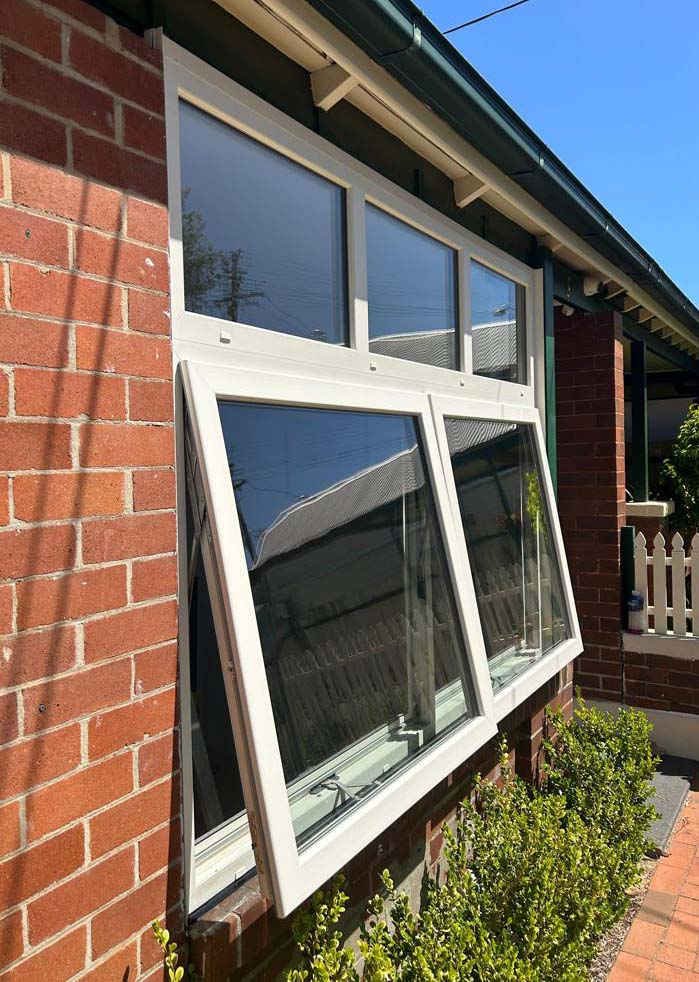
The same is true of sliding, awning, casement and tilt-and-turn configurations.
Opening style affects hardware, ventilation, usability, fabrication and often the final price.
This is one reason quotations based only on overall dimensions can be misleading.
Two windows may both measure 1500 × 1200 mm, but one could be mostly fixed glass while another includes two opening sashes.
The dimensions are the same. The specification isn’t.
A Specification Should Explain What You’re Getting
A useful quotation doesn’t need to list every manufacturing detail.
It should, however, make the important parts of the proposed window reasonably clear.
For a replacement project, that may include:
- profile or window system;
- opening configuration;
- glazing specification;
- relevant hardware details;
- colour and finish;
- installation scope;
- warranty;
- important exclusions.
The exact level of detail depends on the project.
The point is not to create more paperwork. It is to make sure that when two quotations are compared, you can see whether the products and services are actually equivalent.
This is also why important details are better confirmed in writing rather than remembered from a showroom conversation.

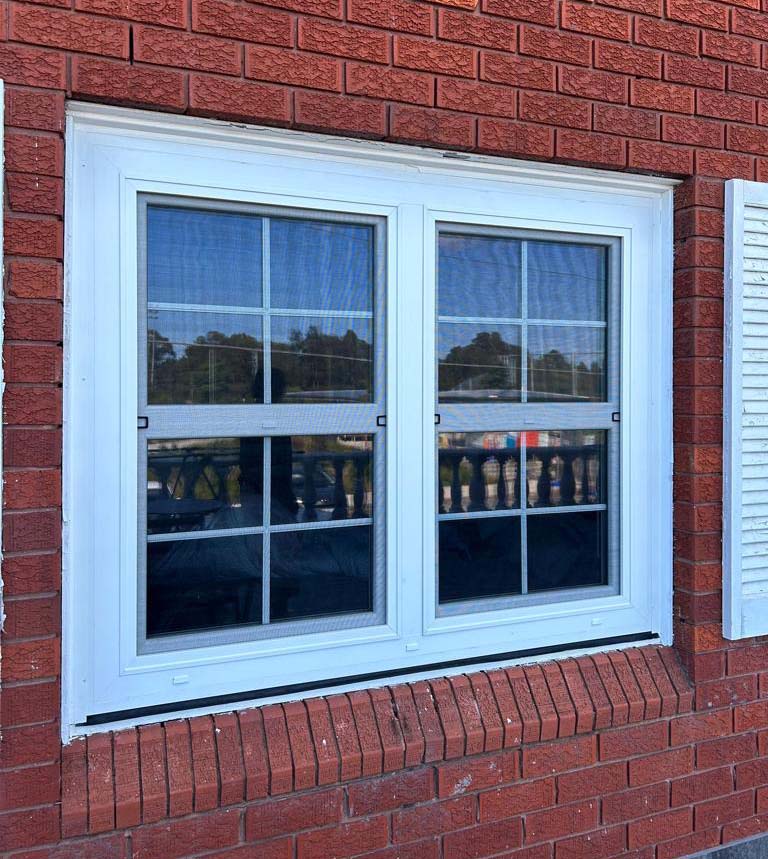
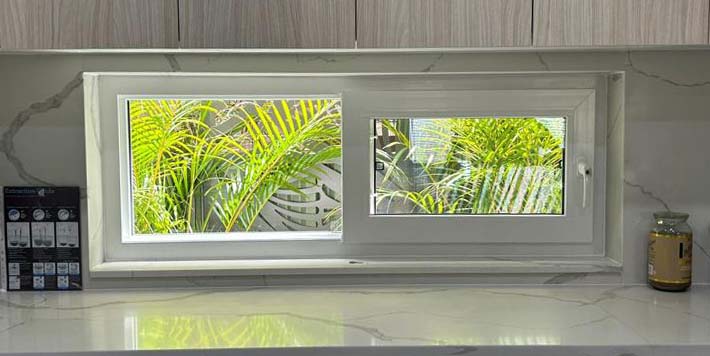
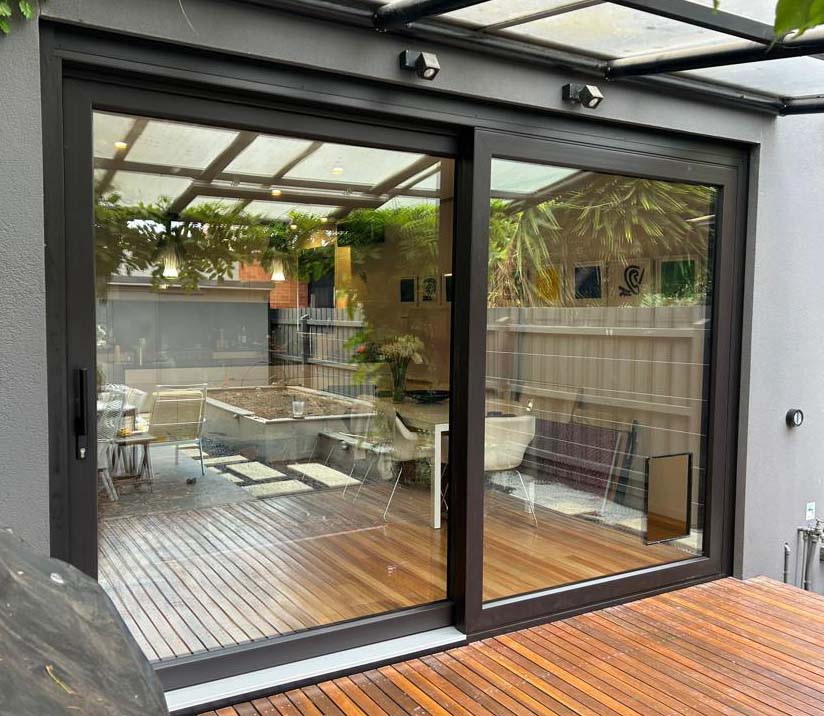
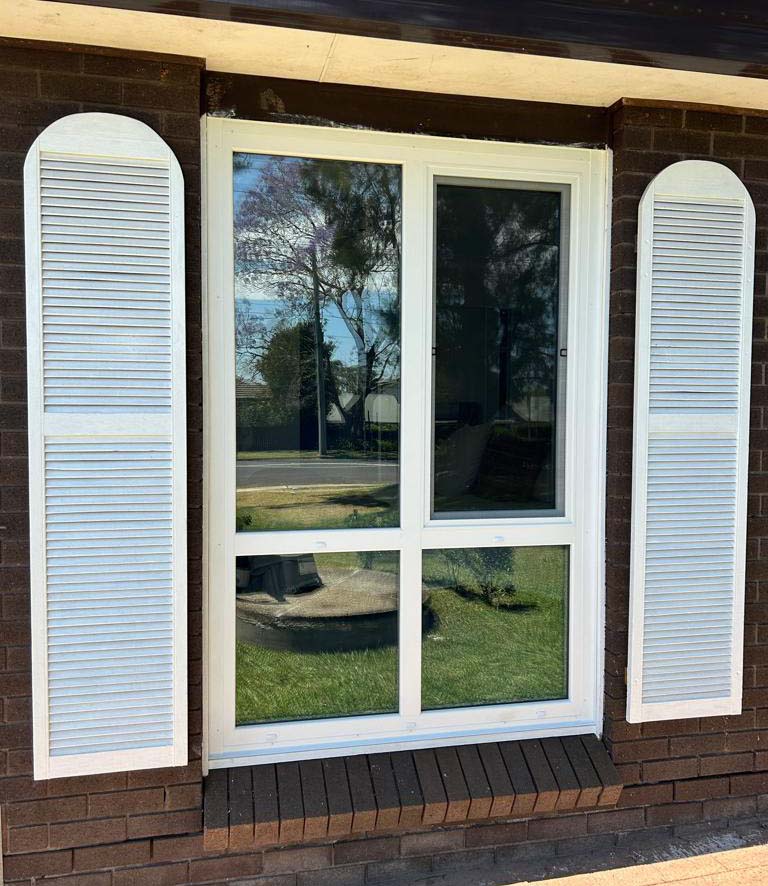
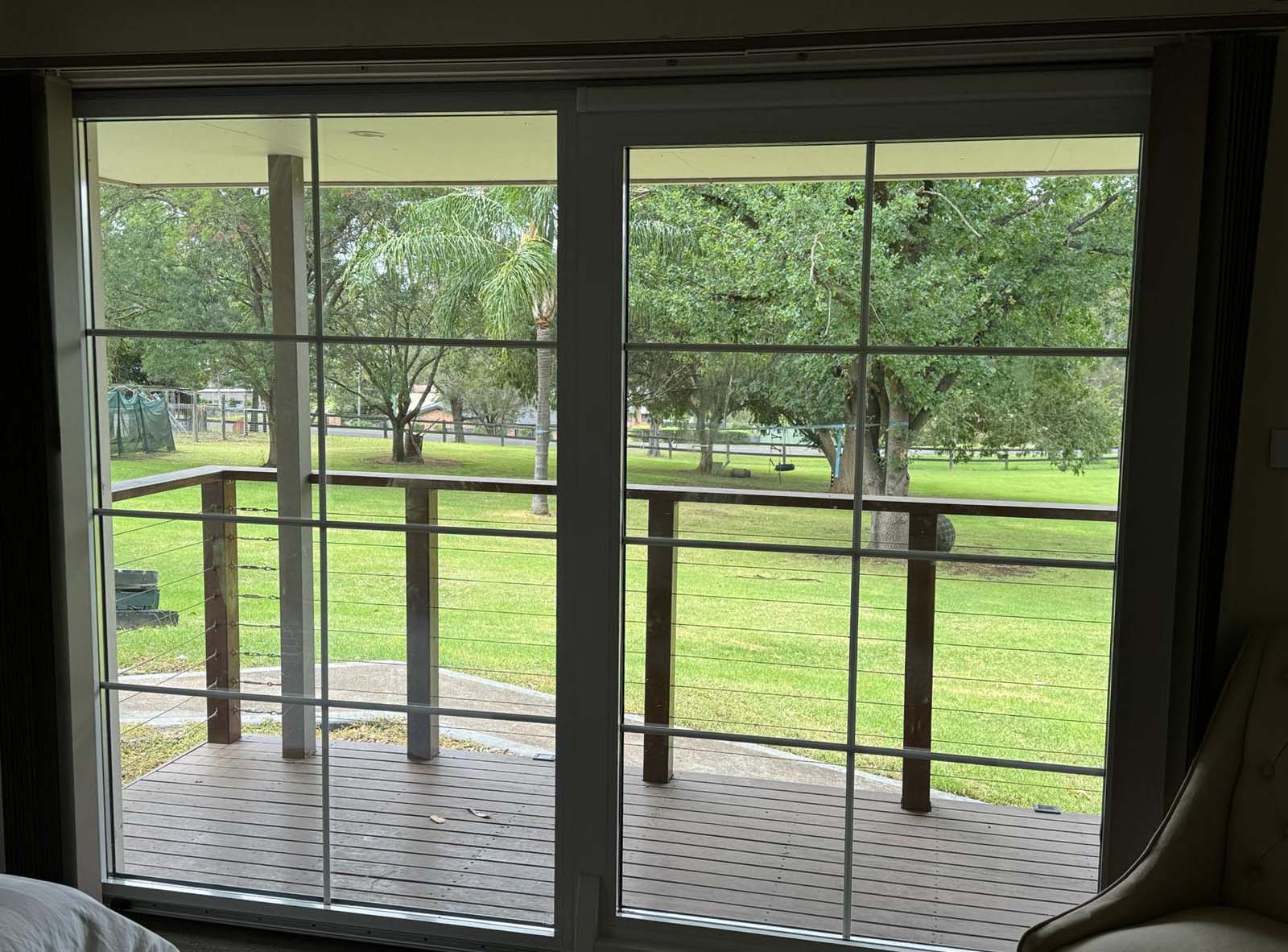
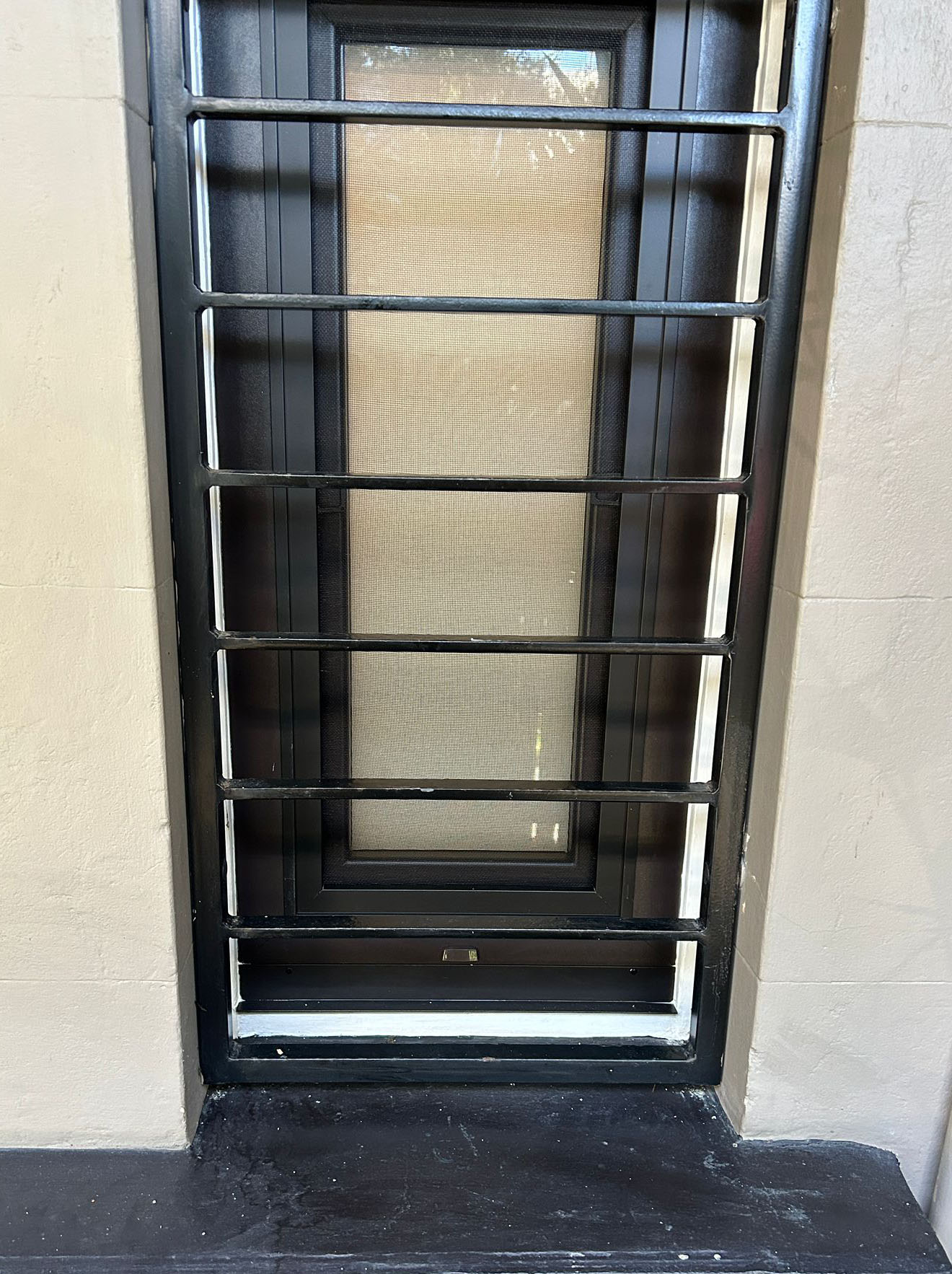
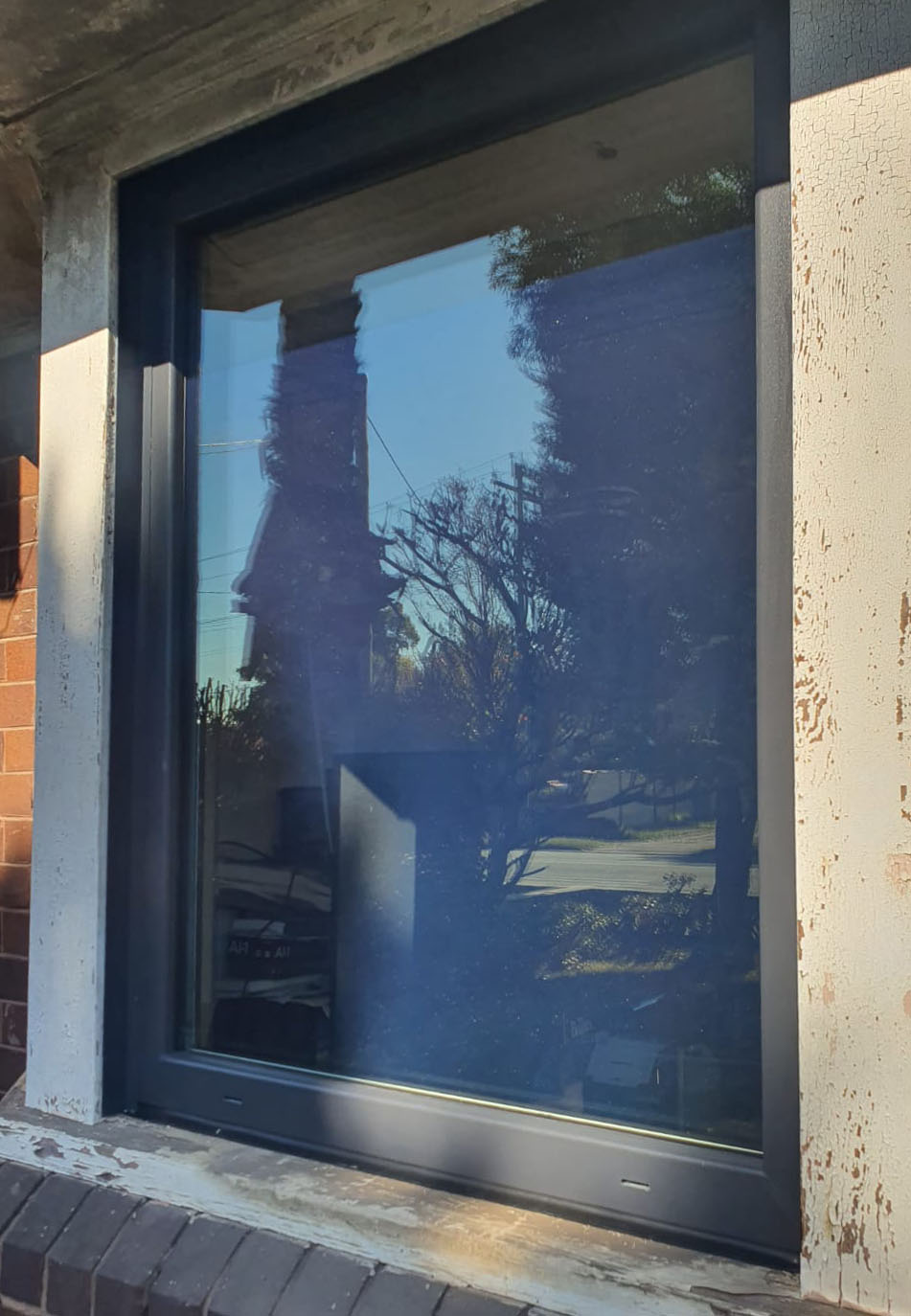
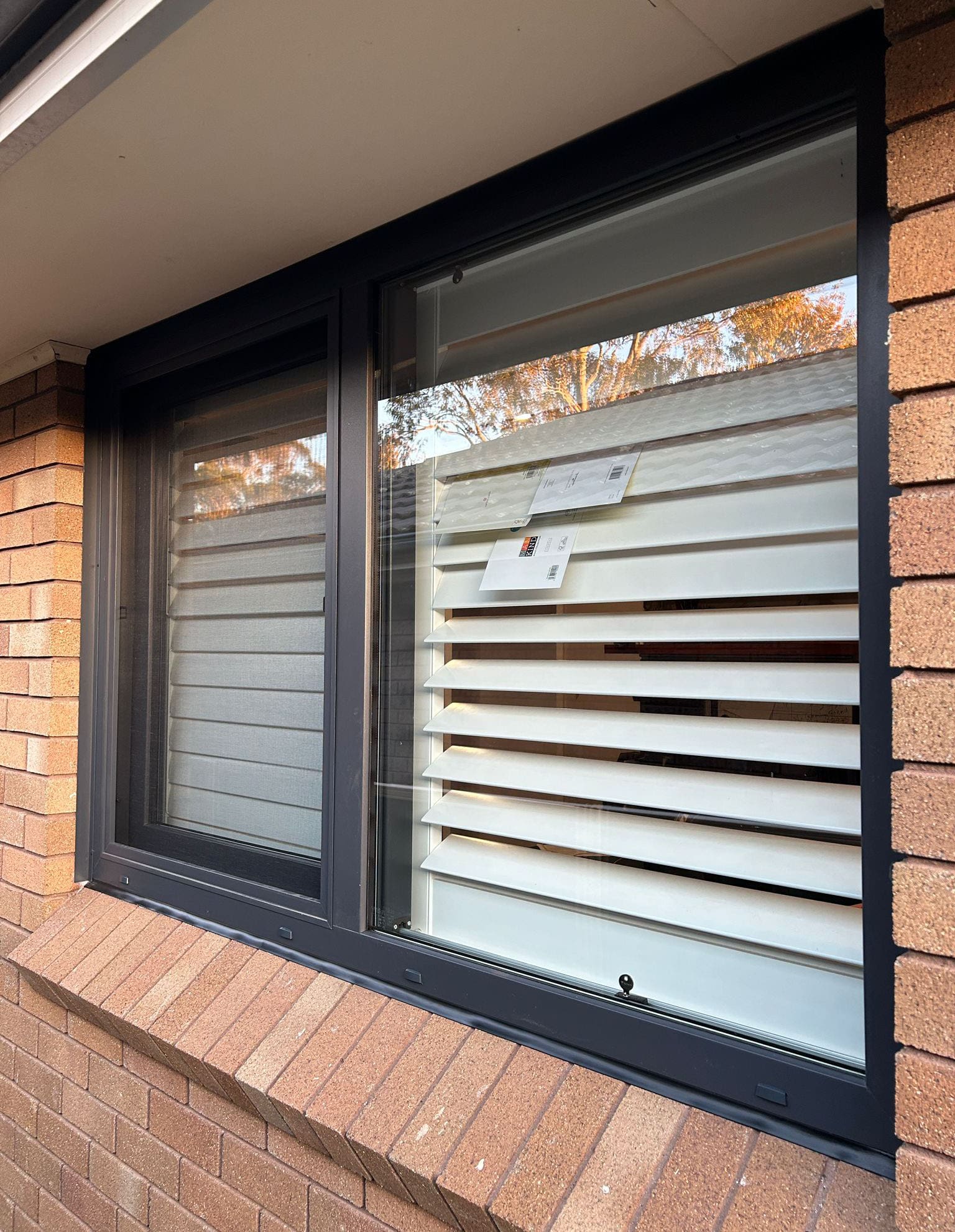

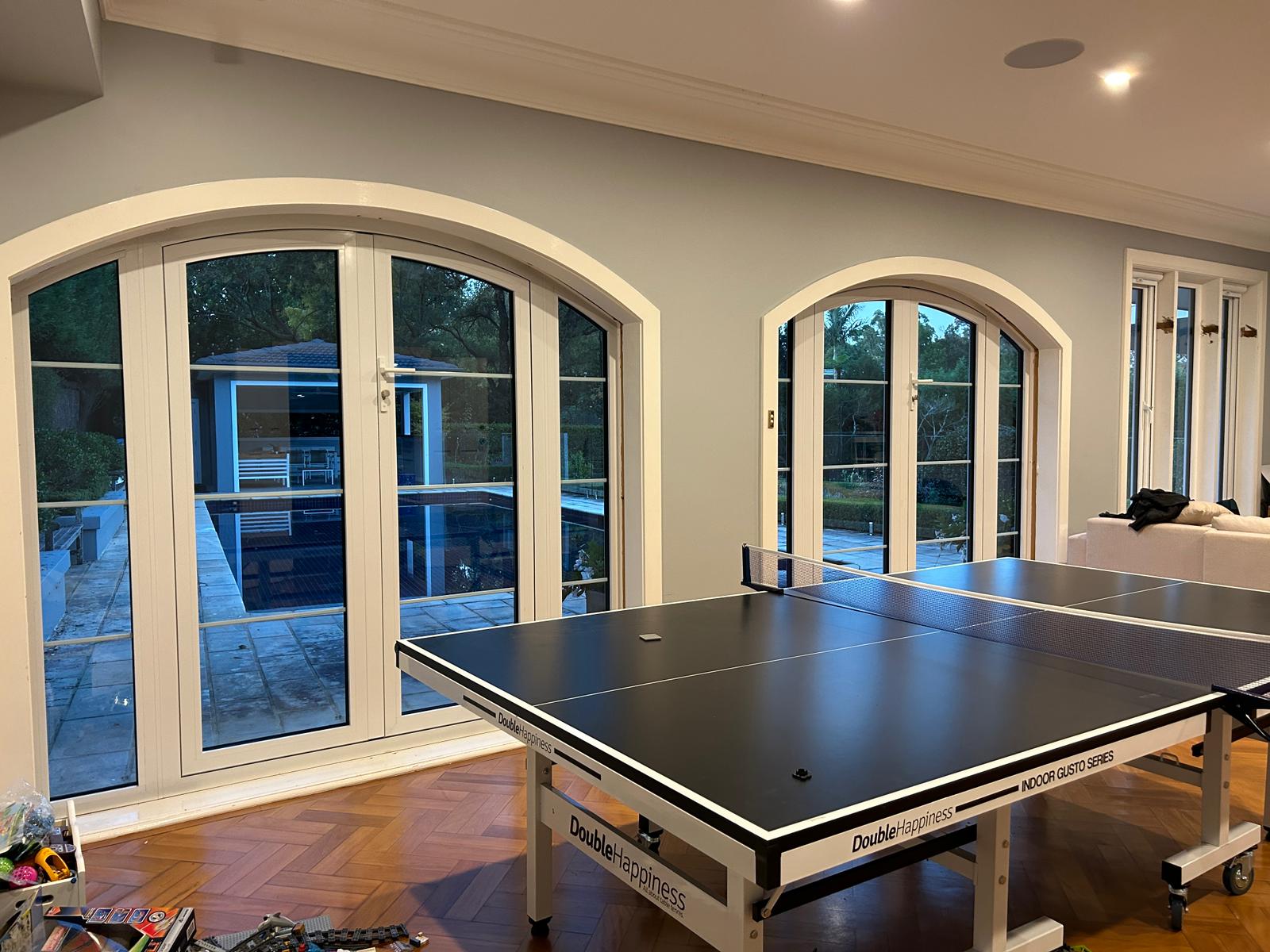
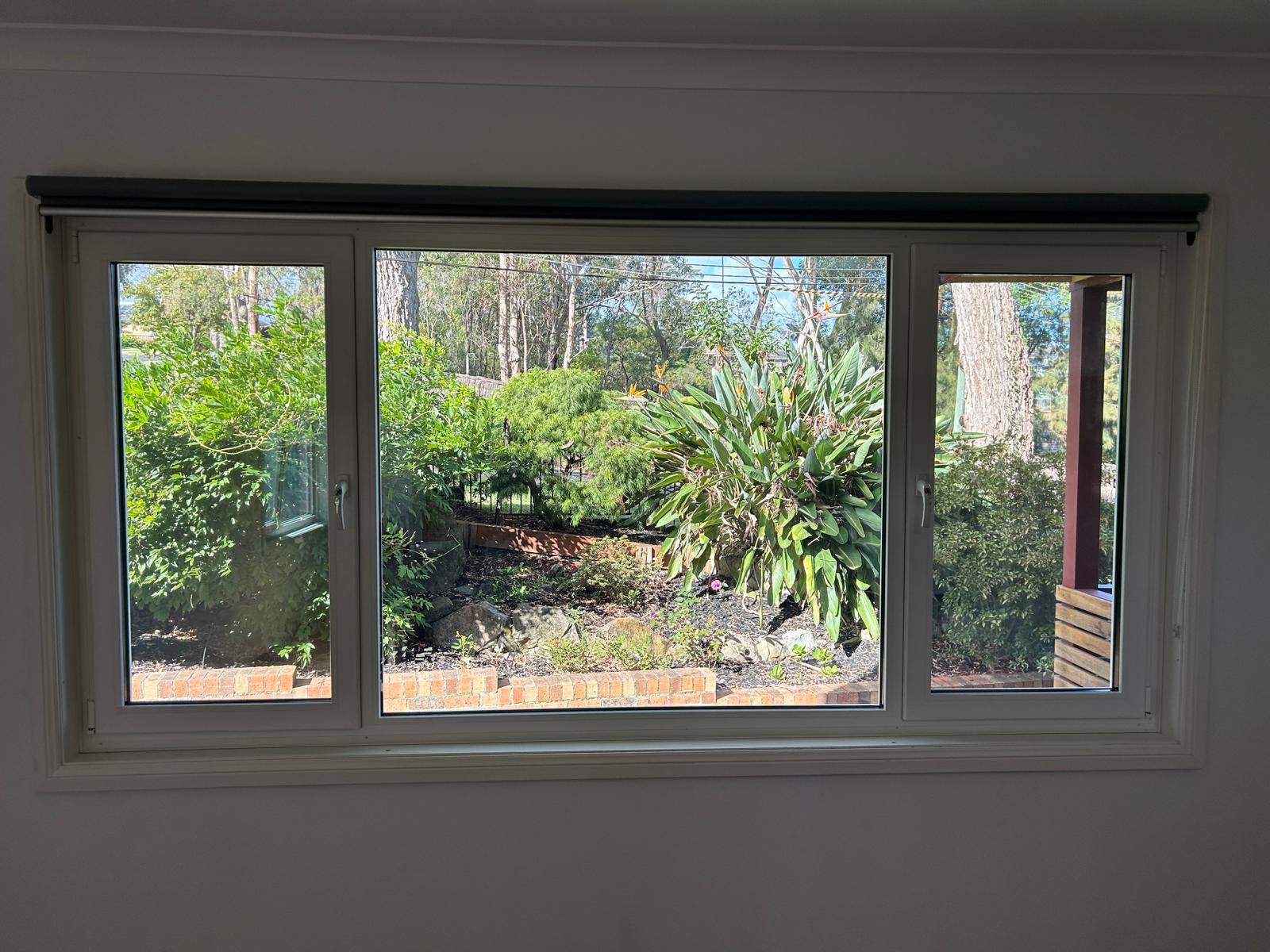
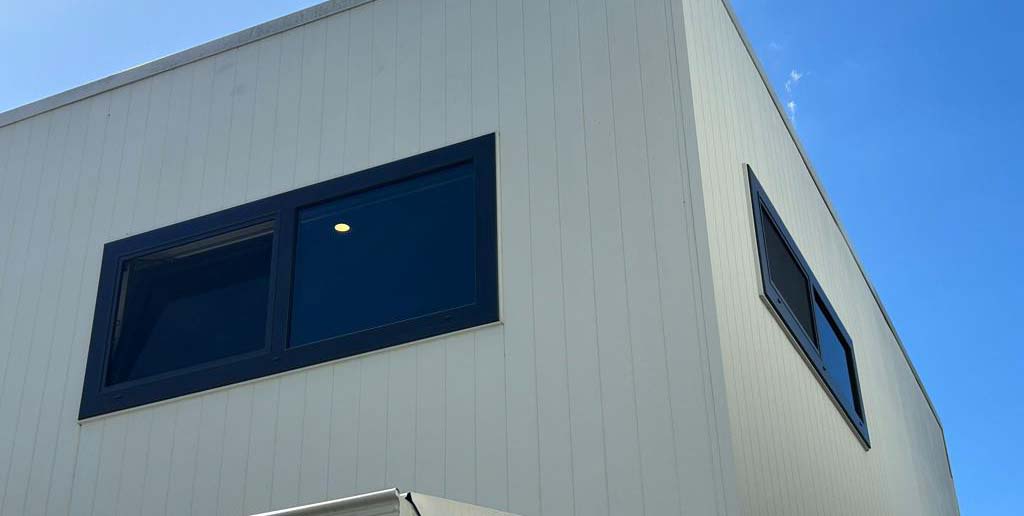
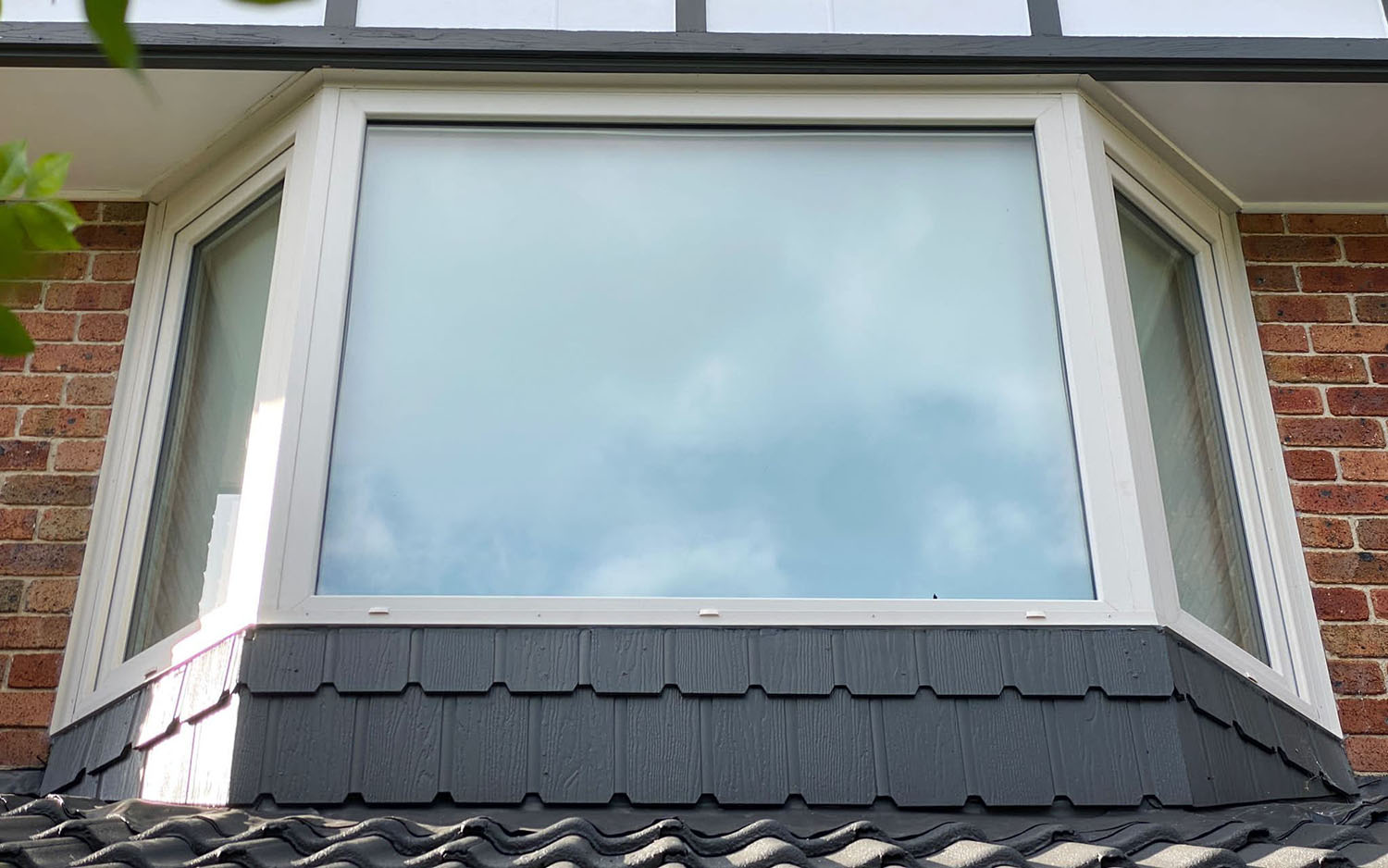
The Same Components Can Produce Different Finished Windows
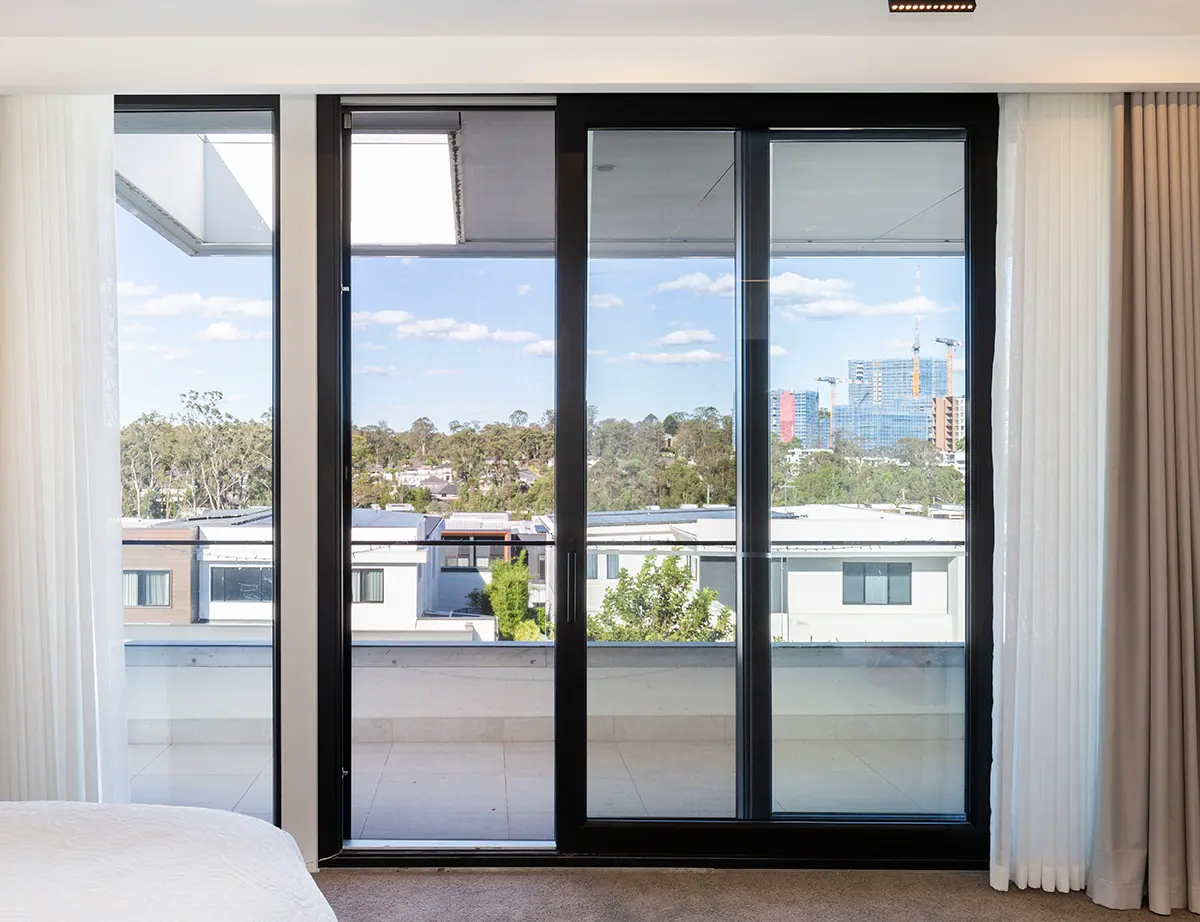
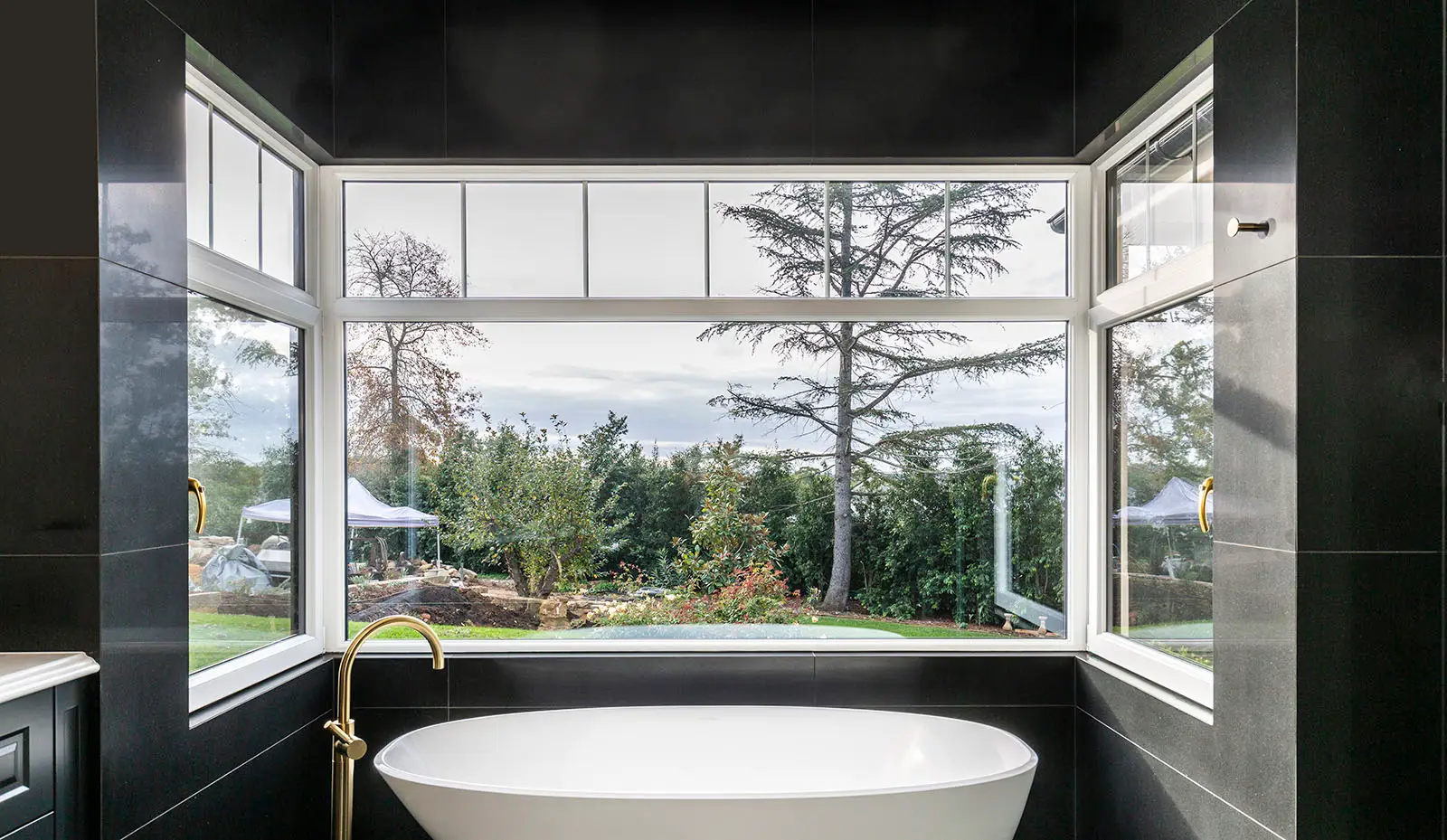
Even if two suppliers use similar components, manufacturing still matters.
Profiles need to be cut and joined accurately. Hardware needs to be positioned correctly. Glazing has to be installed properly into the fabricated frame, and the finished sash has to fit and operate as intended.
At Prestige Plus, our uPVC windows are manufactured in our Sydney factory. In practice, this is one of the reasons we don’t treat the profile brand as a substitute for manufacturing quality.
A recognised component can be a good starting point. It still has to become a well-made window.
Our article on what actually makes one window better than another looks at how the different parts work together.
Performance Requirements Can Change the Specification
Different properties can require different solutions.
A bedroom facing a busy road may need a different glazing discussion from a quiet room at the rear of the house.
A small sheltered window and a large exposed opening may also have different structural requirements.
Safety considerations can affect glass selection in particular locations.
In Australia, applicable requirements can include AS 2047 for window performance and AS 1288 for glass selection and installation, depending on the product and application.
Homeowners are not expected to interpret the standards themselves. What matters is whether the supplier can explain the proposed system and provide relevant performance or compliance information where required.
A familiar brand name is useful background information. It does not tell you whether a particular configuration is suitable for a particular opening.
Energy Performance Is About the Complete System
Energy efficiency is another area where simple brand comparisons become unreliable.
The frame matters, but so does the glazing, which usually makes up most of the visible window area. Glass type, coatings, seals and installation all contribute to the performance of the finished opening.
This is why whole-window performance is more useful than judging the product from one frame component alone.
If energy efficiency is a priority, ask which parts of the proposed specification are intended to improve it and why they have been selected for the property.
A supplier should be able to explain that without relying only on broad labels such as “premium” or “energy efficient”.
Need a consultation?
Our operators will answer any questions
Noise Reduction Cannot Be Judged by the Frame Brand
Noise is similar.
A homeowner near a busy road may be told that a particular profile is an acoustic or sound-reducing option.
The frame and seals certainly play a role, but noise reduction also depends heavily on the glazing configuration, airtightness and installation quality.
Two windows using the same profile can therefore perform differently if the glass or installation is different.
If outside noise is one of the main reasons for replacing the windows, raise it before the glass is selected. It is much more useful than assuming a familiar profile brand solves the problem on its own.
Installation Is Not Included in the Brand Name
This sounds obvious, but it is easy to forget when comparing products.
A profile manufacturer does not install the finished window into your home.
The supplier or installer does.
Even a well-made window can disappoint if it is poorly positioned, fixed, sealed or adjusted.
So when a quotation highlights a recognised profile or hardware brand, also ask who will carry out the installation and what the installation scope includes.
Article Why Window Installation Quality Matters More Than Most People Think explains why this stage has such a large effect on the final result.
A Famous Brand Does Not Make Every Configuration Appropriate
Strong brands earn their reputation for a reason.
But a good brand does not mean every possible configuration using that brand is automatically right for every project.
For example, the same profile system may be combined with different glazing, hardware and opening configurations depending on the property.
The useful question is not simply whether the name is familiar.
It is whether the complete specification makes sense for the opening and for what the homeowner wants to achieve.
Unknown Does Not Automatically Mean Poor Quality Either
The opposite assumption can cause problems too.
Homeowners sometimes dismiss a product because they don’t recognise one of the component manufacturers.
That may be reasonable if the supplier cannot identify the product, explain the specification or provide relevant documentation.
But lack of familiarity on its own is not evidence of poor quality.
Ask for information.
A supplier should be able to explain what is being used, why it has been specified and how it fits into the complete window.
If those answers are clear, you have something meaningful to compare.
Compare the Written Specification, Not the Logo
When comparing replacement windows, the brand name is useful background information.
It just shouldn’t replace the specification.
The profile tells you something about the frame. The glazing specification tells you what glass is being supplied. Hardware information explains the moving parts, and the opening configuration tells you how the window will actually function.
Then manufacturing and installation determine how those components become part of the finished building.
That complete combination is what you’re buying.
Need Help Understanding a Window Specification?
We manufacture uPVC windows in Sydney and can discuss the frame system, glazing, hardware, opening configuration and installation requirements before you place an order.