
In this article:
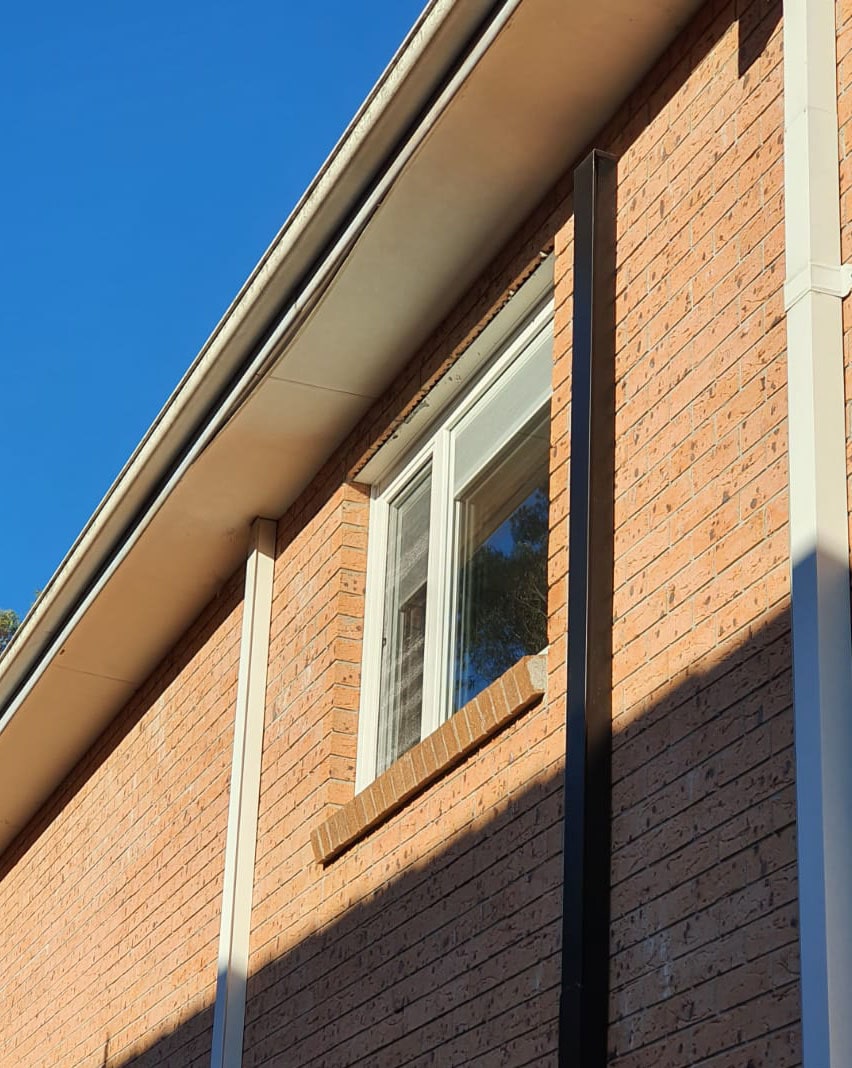
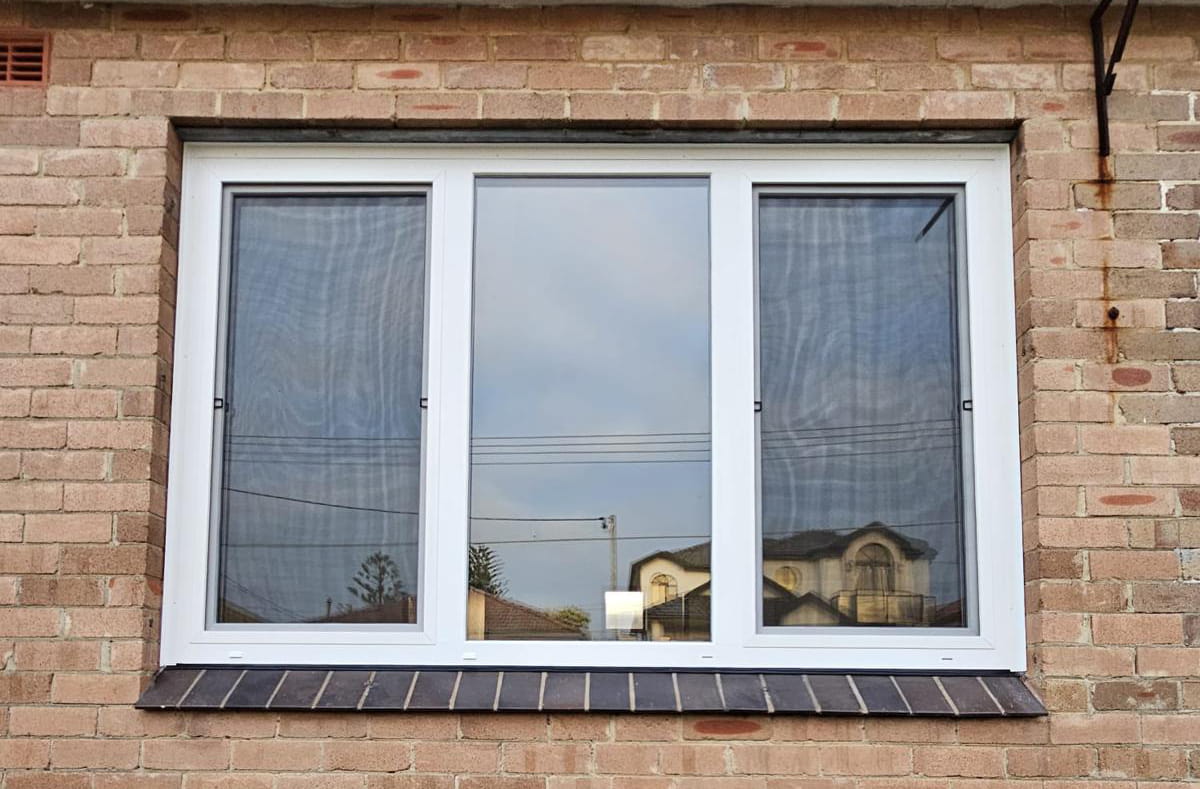
When comparing double glazed windows, most homeowners focus on appearance or price. However, the real difference between window systems lies in how they perform over time.
Understanding the key features of a double glazed window can help you better evaluate different options and make more informed decisions when upgrading your home.
Performance matters just as much as design. Factors such as insulation, ventilation, glazing and overall construction all influence how well your windows function in everyday conditions.
Why Window Features Matter
Every window is made up of multiple elements working together — the frame, glazing, seals and hardware. These components determine how well the window insulates, blocks noise, allows ventilation and performs over time.
Even visually similar windows can deliver very different results depending on the quality of these features.
Design and Shape
The shape and layout of a window affect both appearance and usability. Standard rectangular windows are the most common choice due to their practicality, wider range of opening options and faster production.
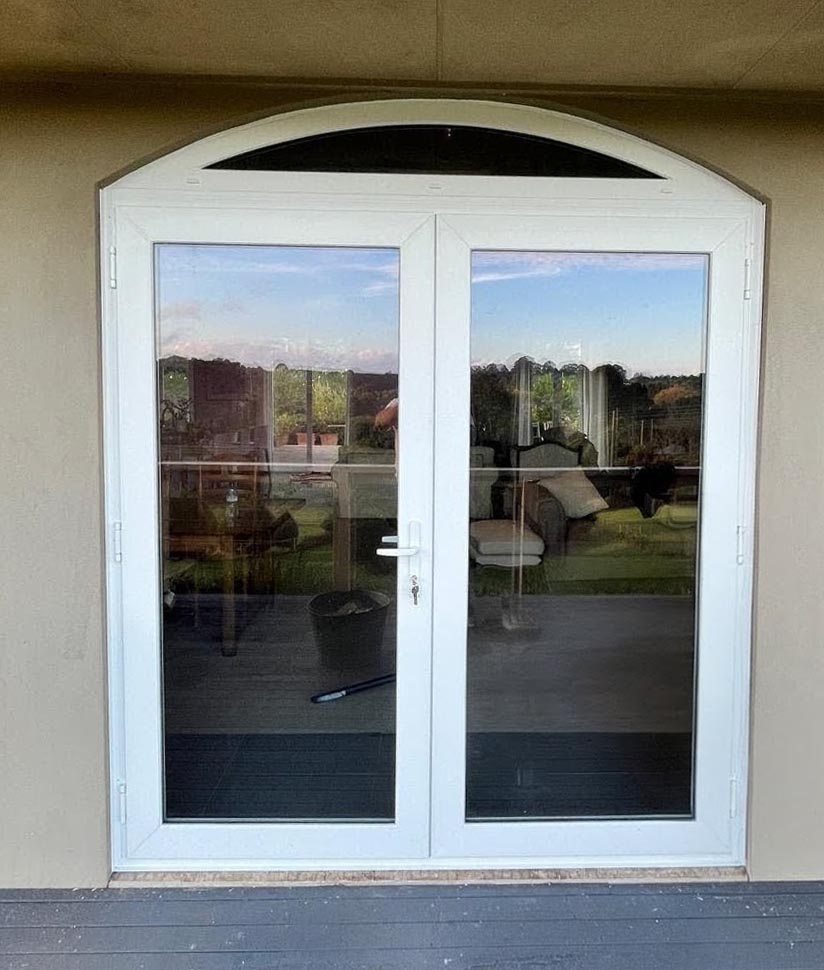
Custom shapes such as arched or angled windows can create a distinctive look but often come with higher costs and more limitations.
For most homes, a balance between aesthetics and functionality is the most practical approach types of windows.
Window Size and Natural Light
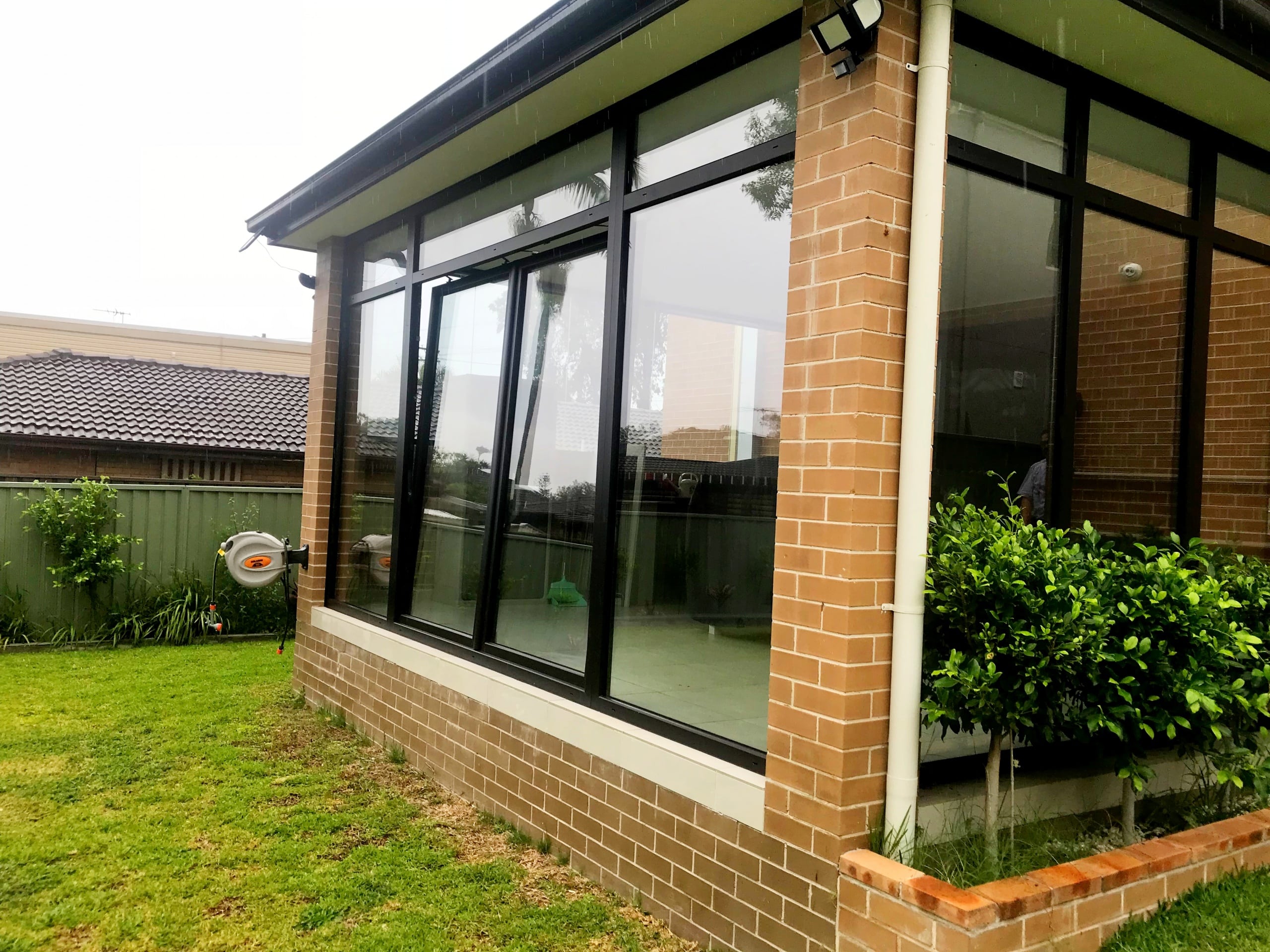
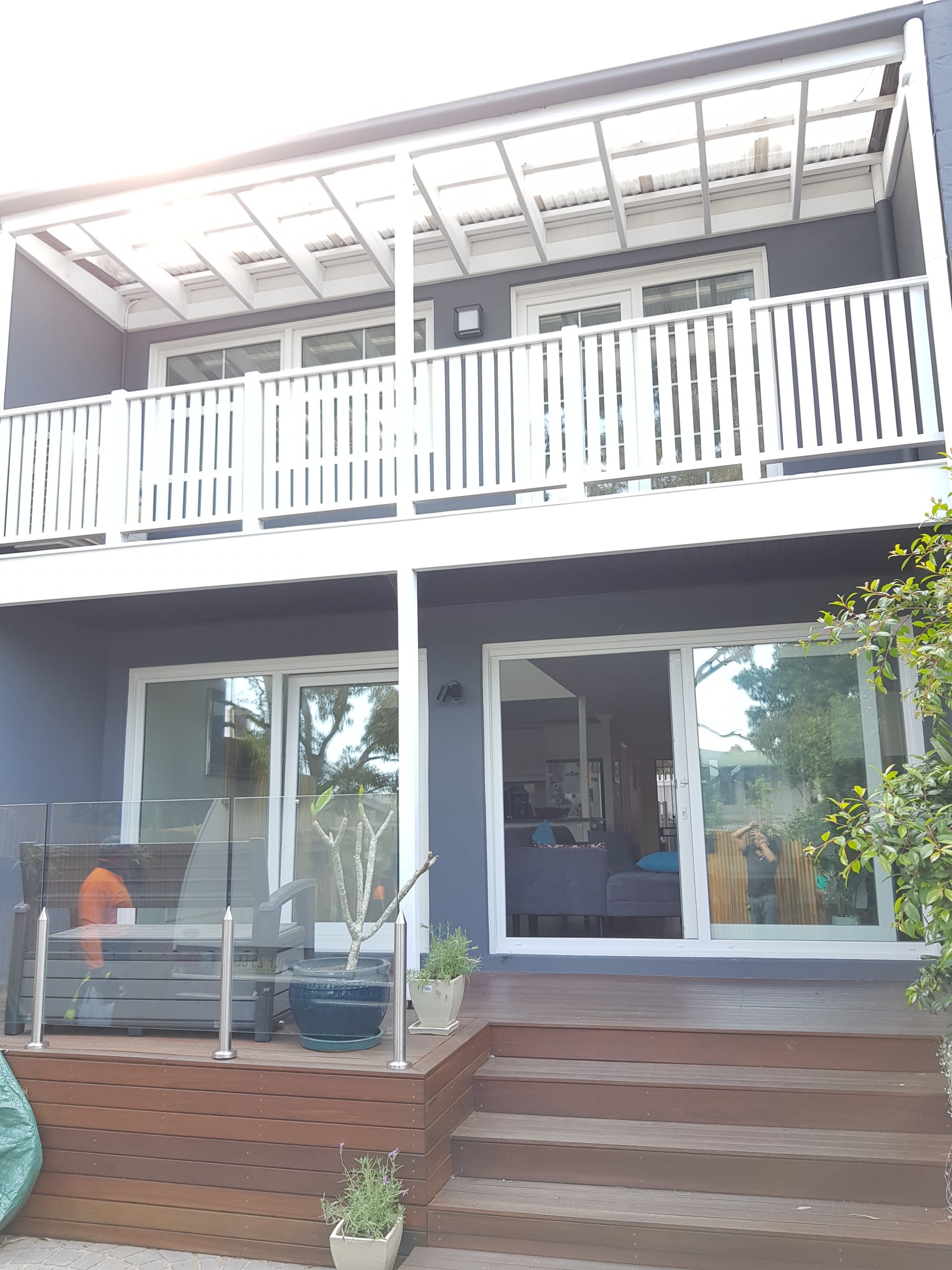
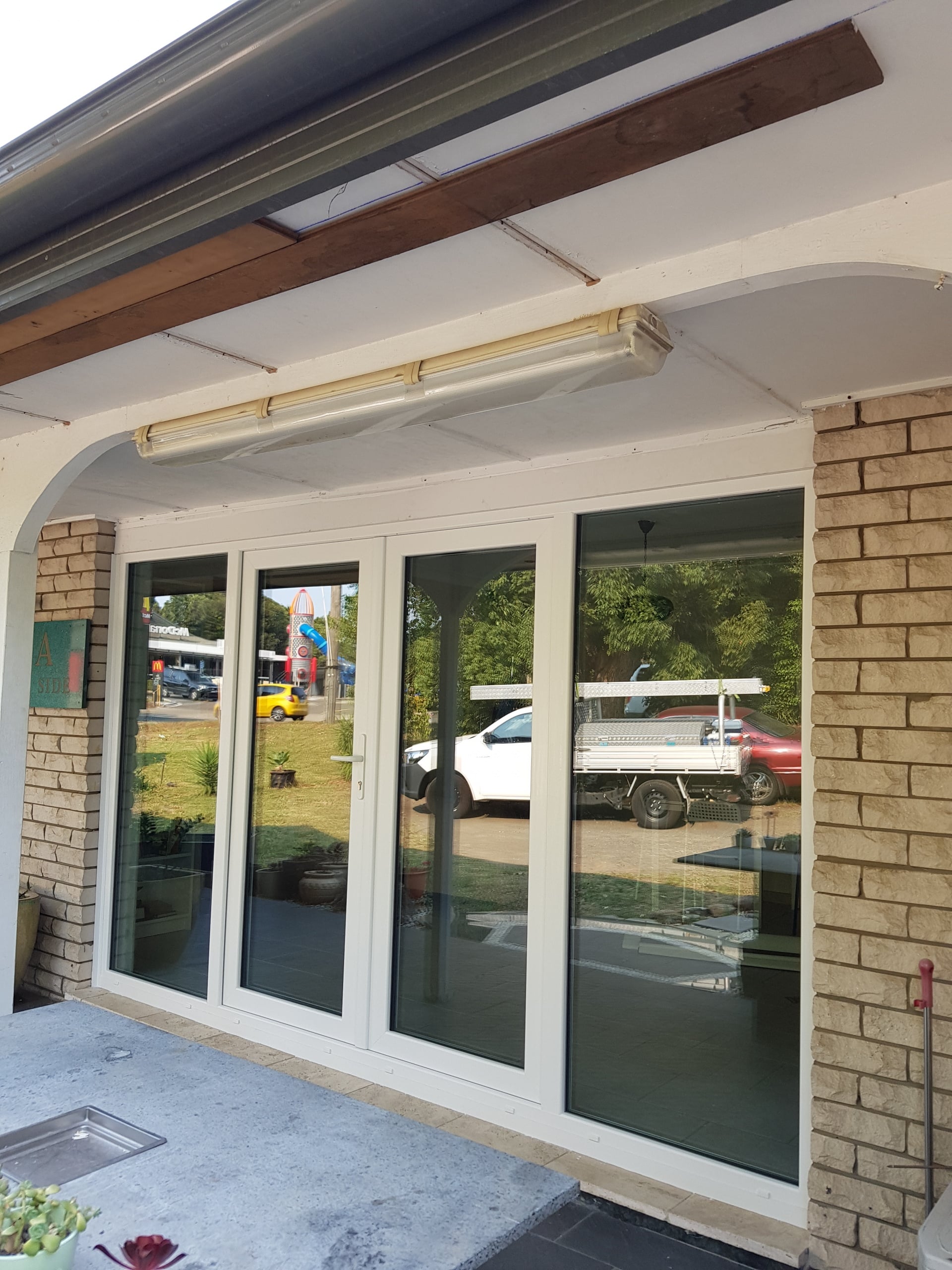
Window size plays a key role in how much natural light enters your home. Larger glazed areas create brighter interiors and a stronger connection to outdoor spaces.
At the same time, larger windows require proper structural support and appropriate glazing to maintain durability and comfort standard window sizes in Australia.
Opening Types and Ventilation
The way a window opens directly affects airflow and usability.
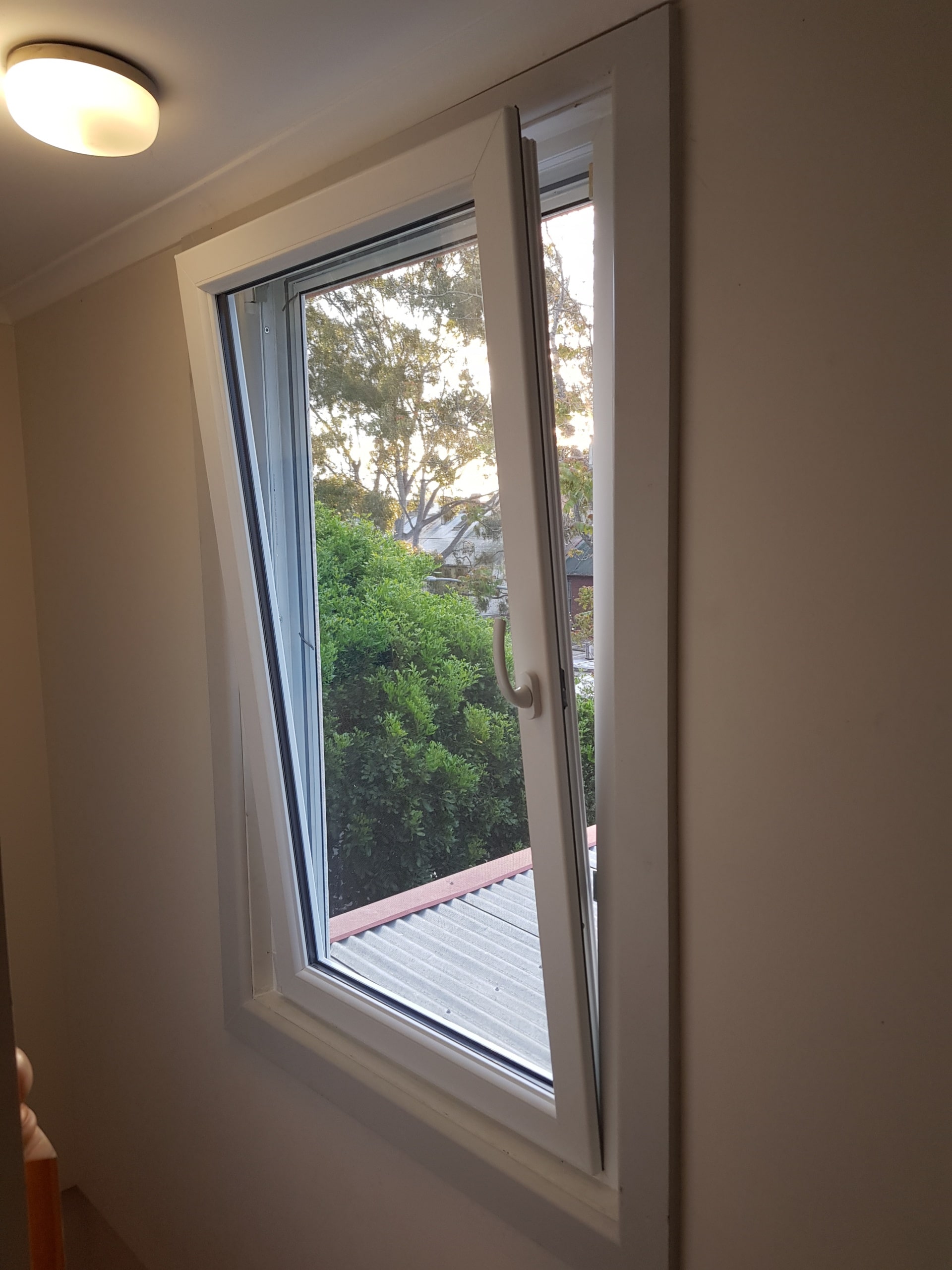
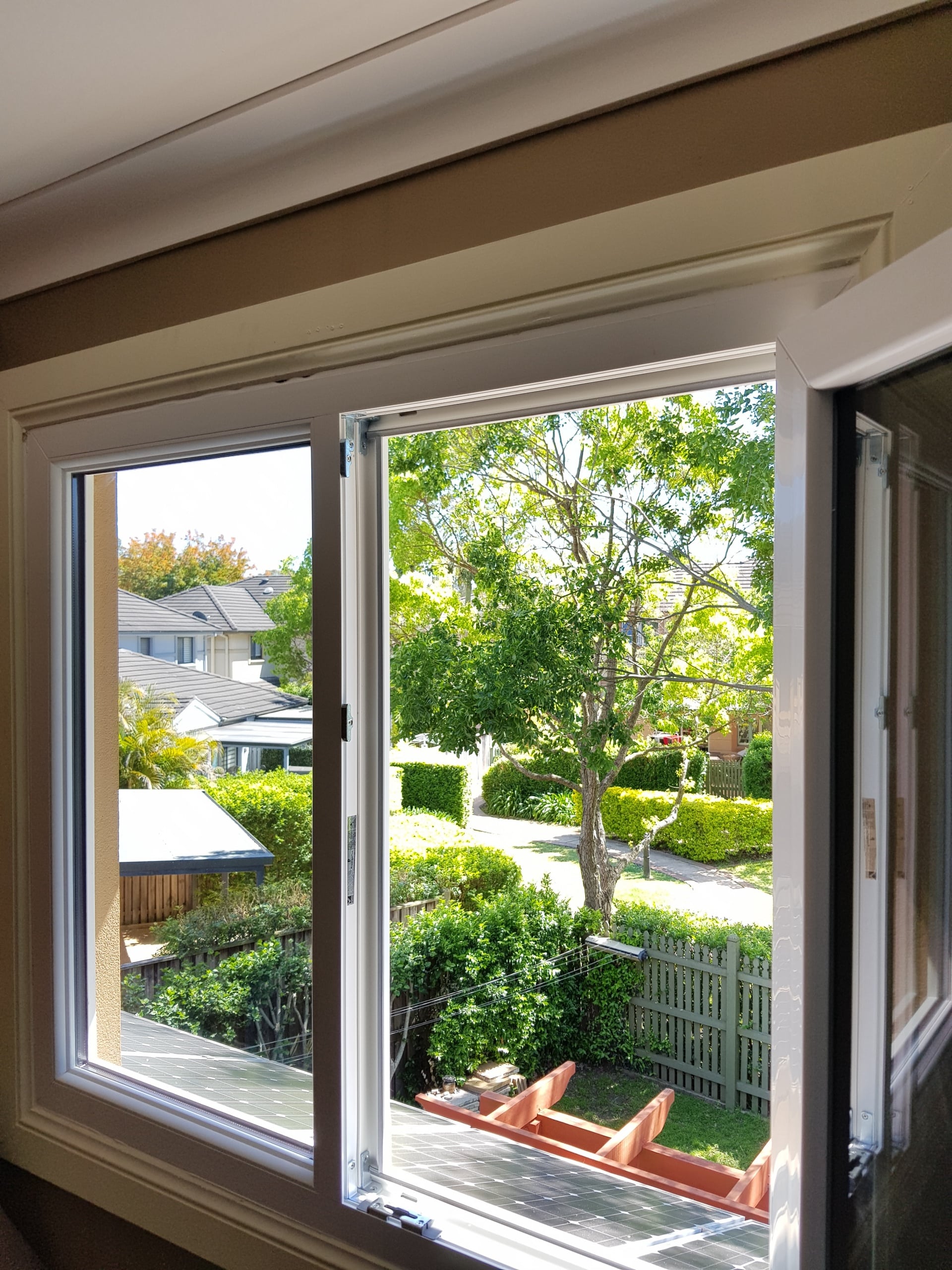
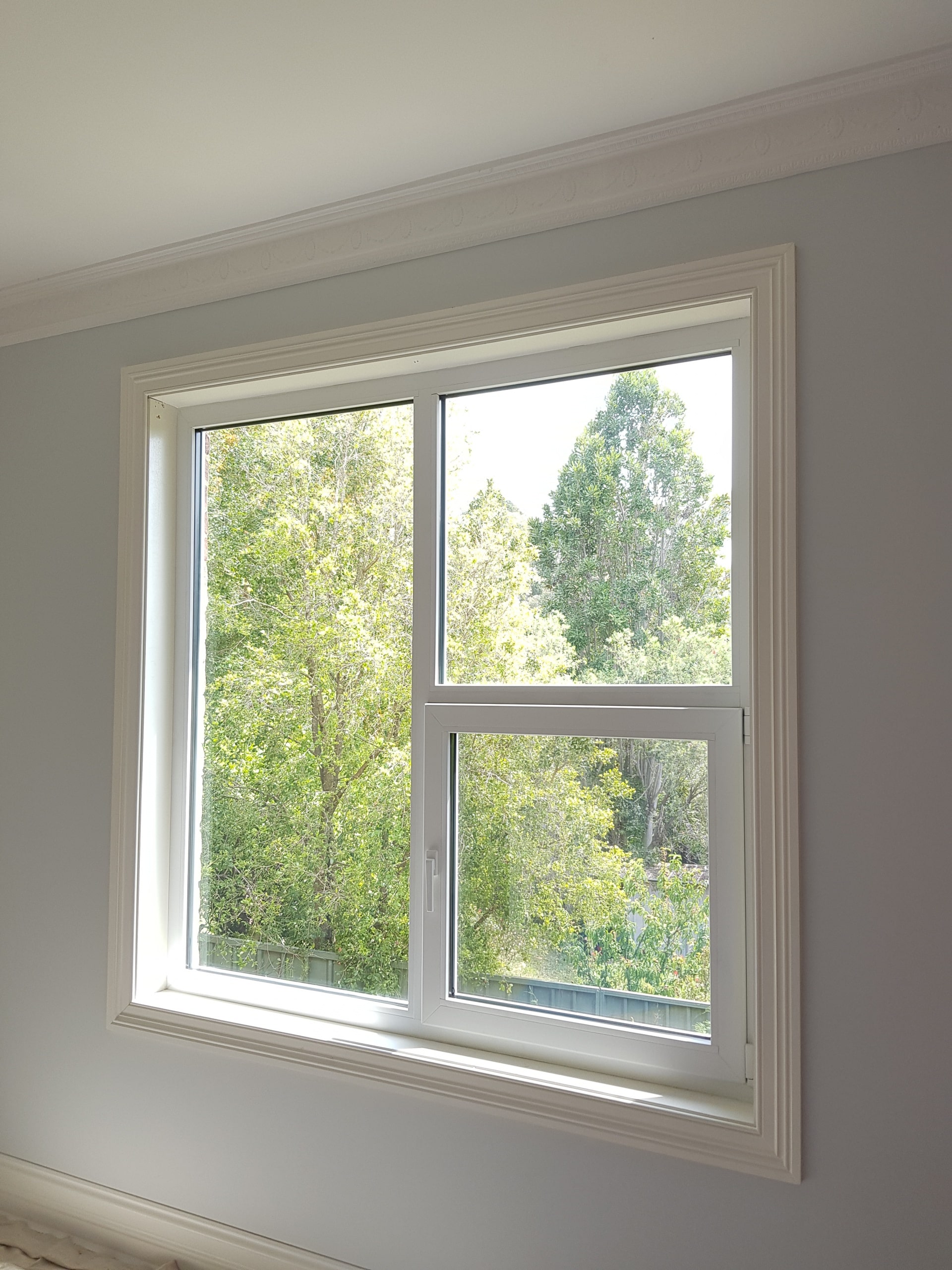
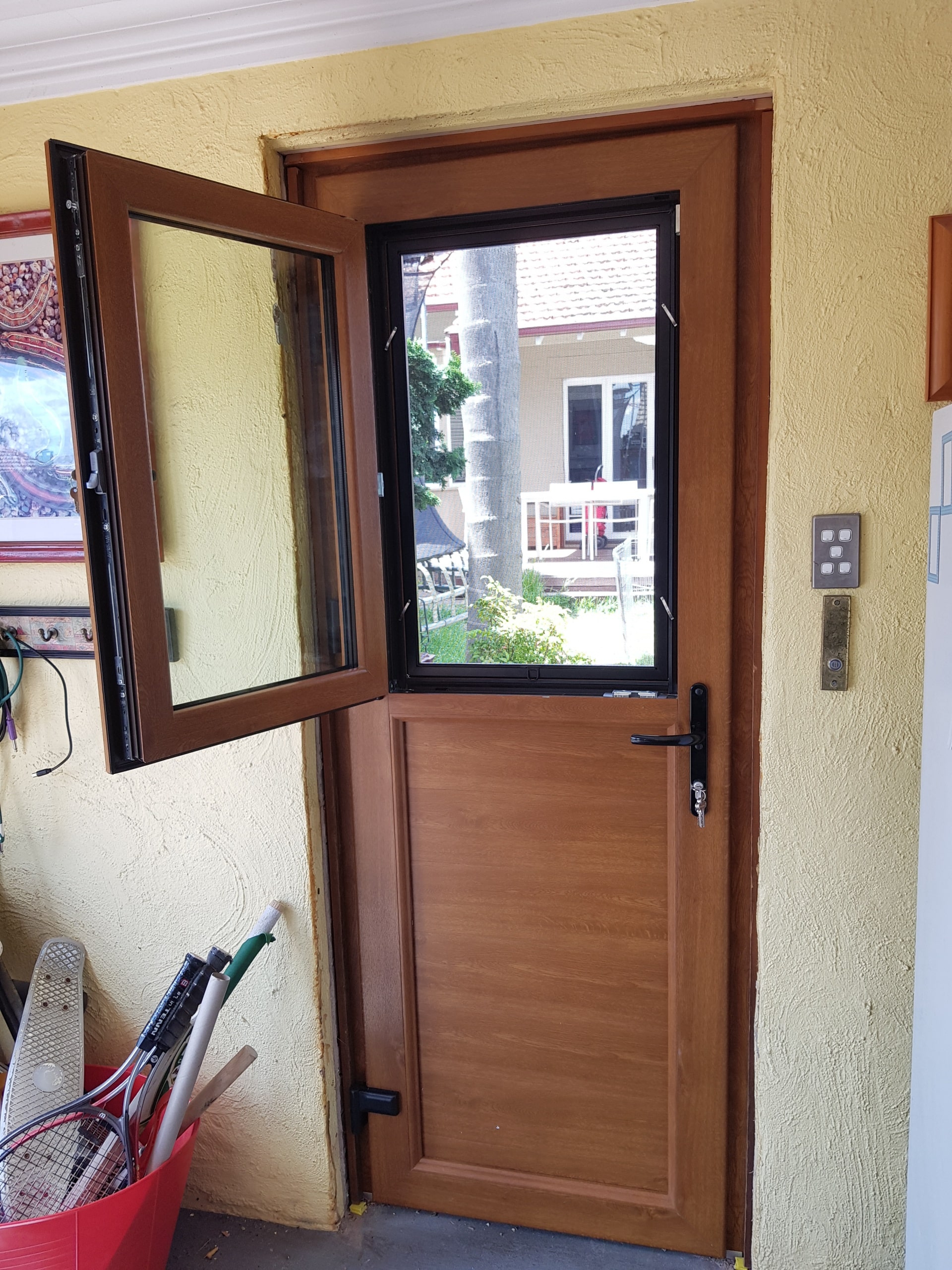
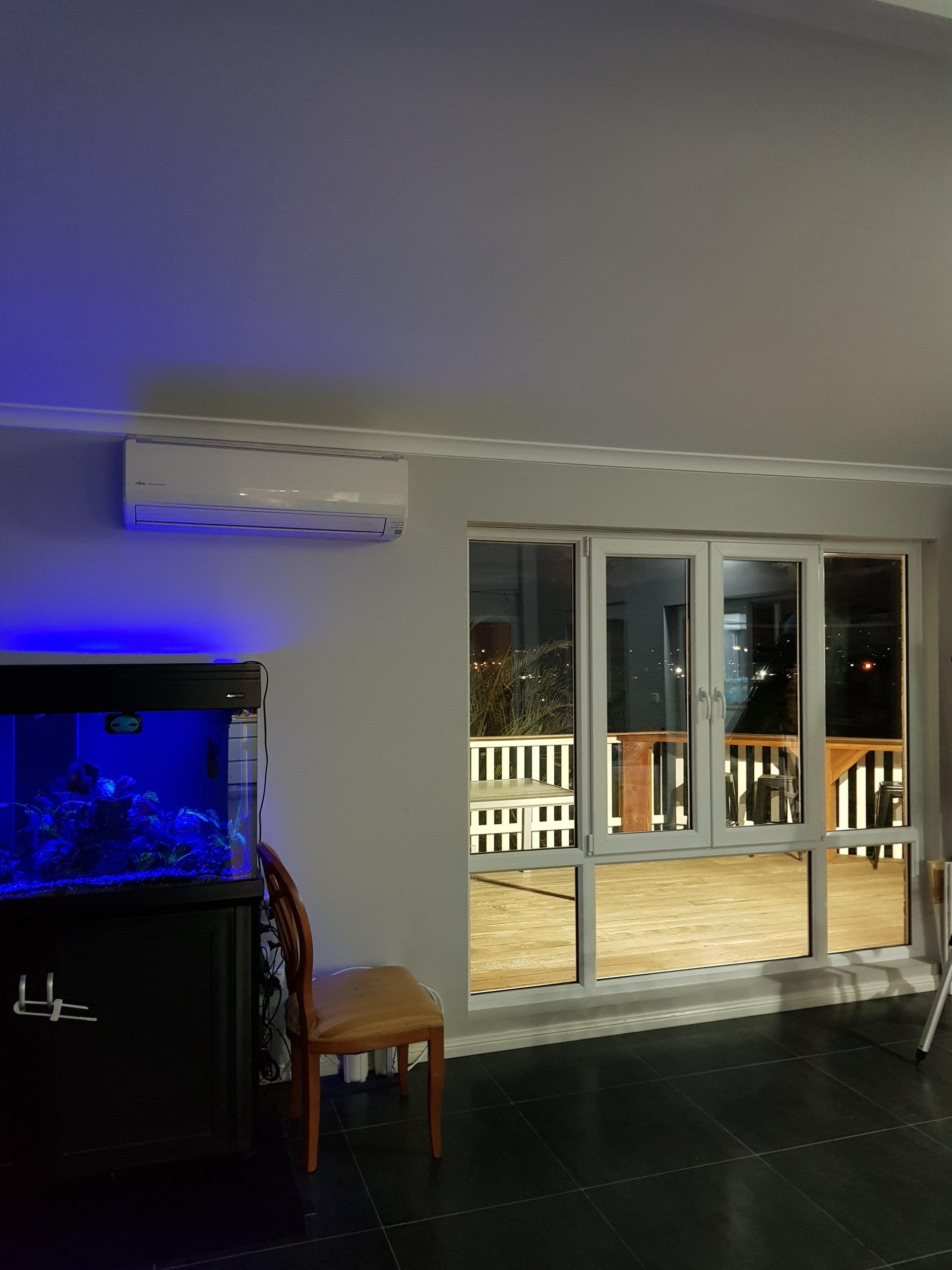
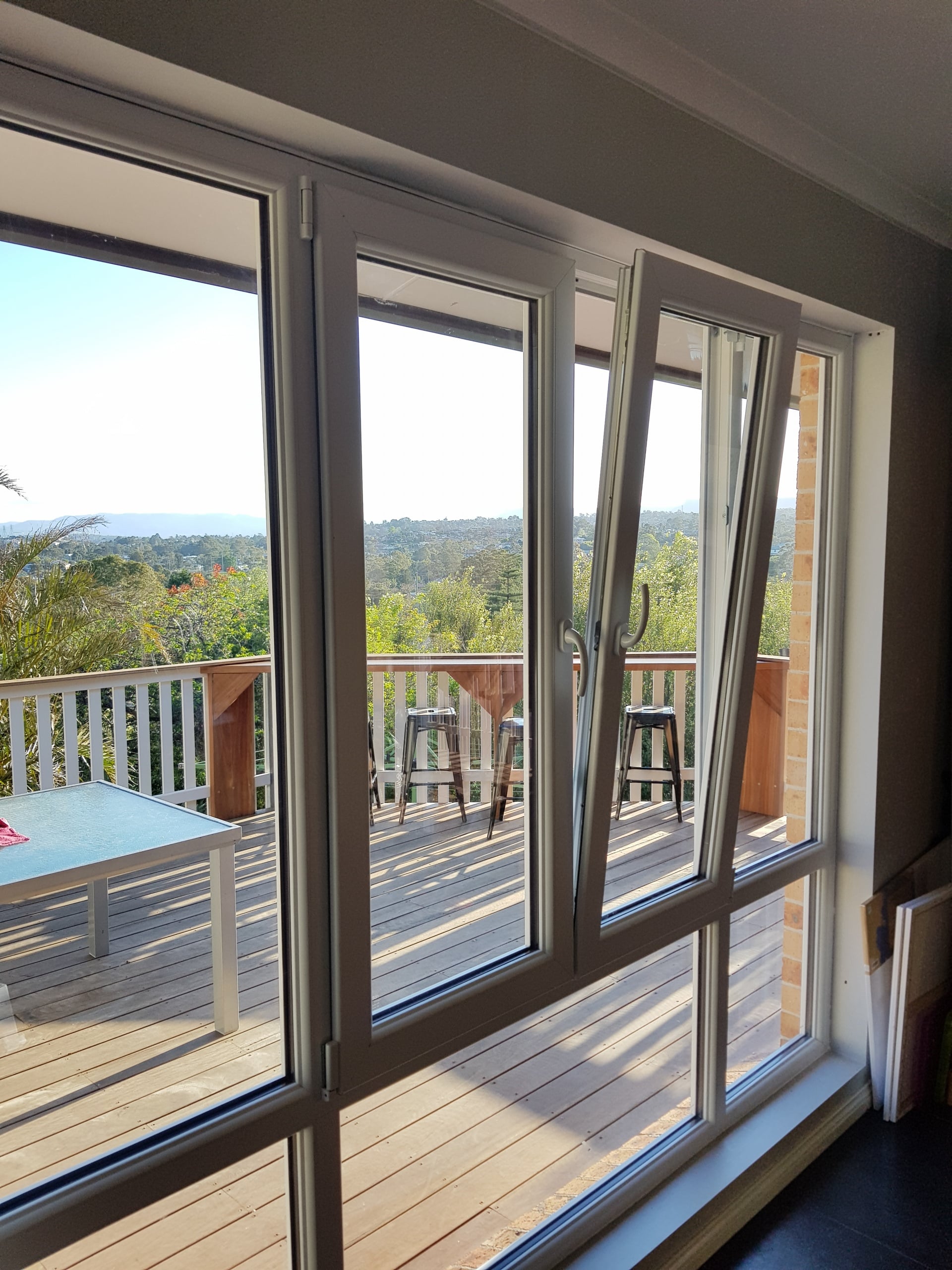
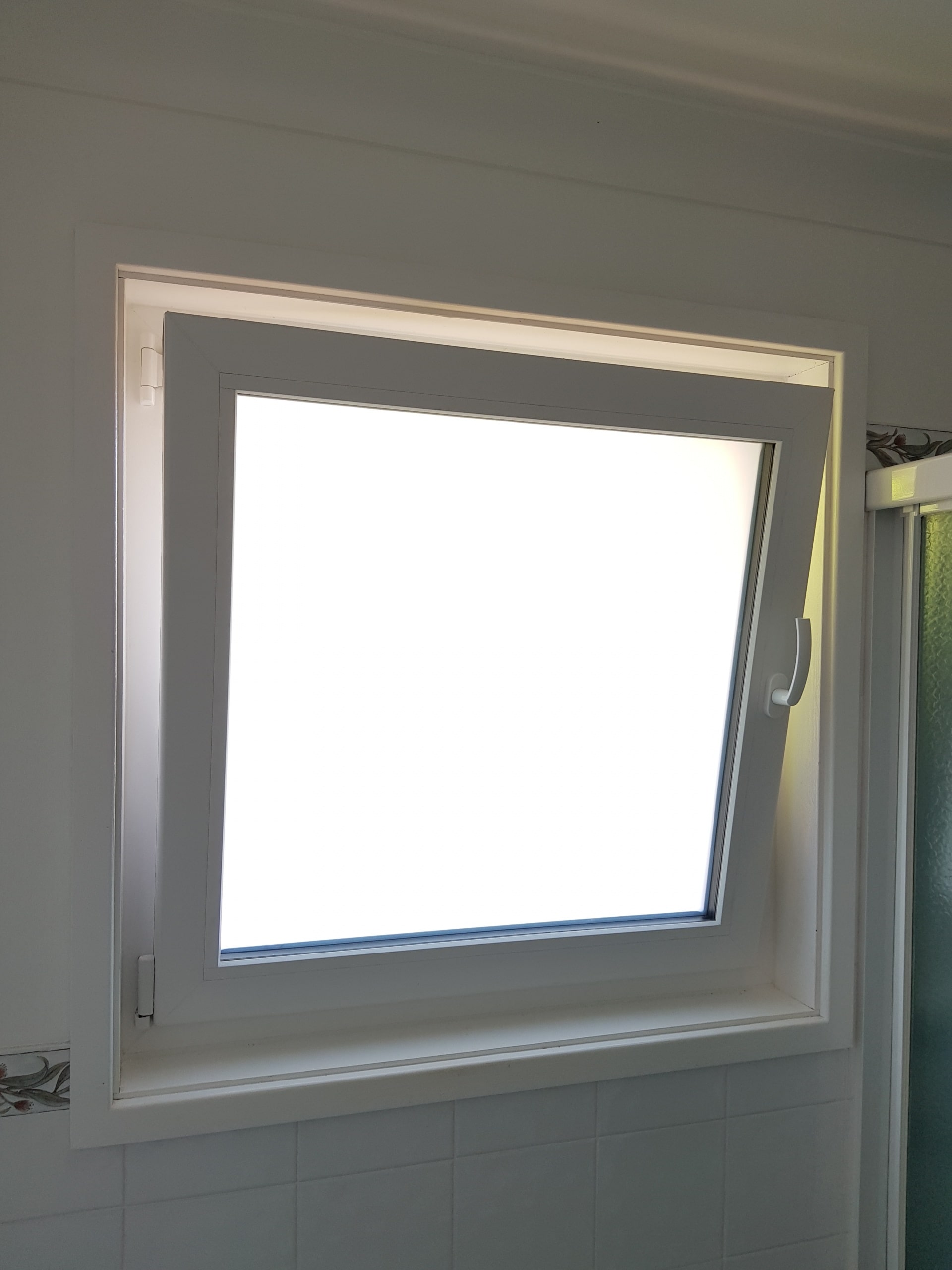
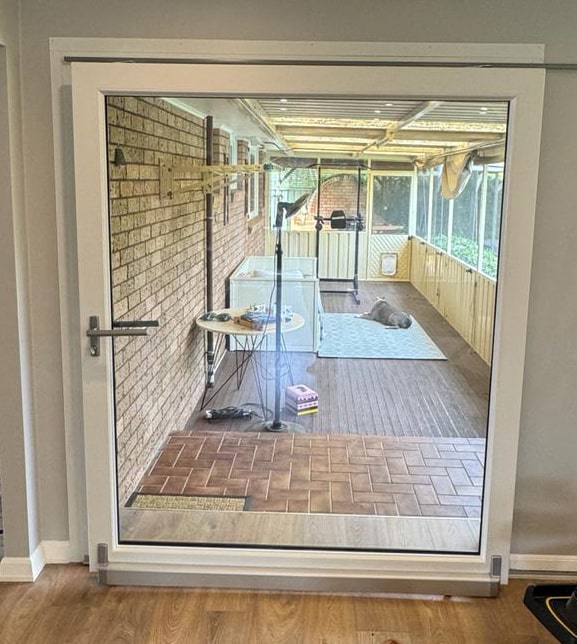
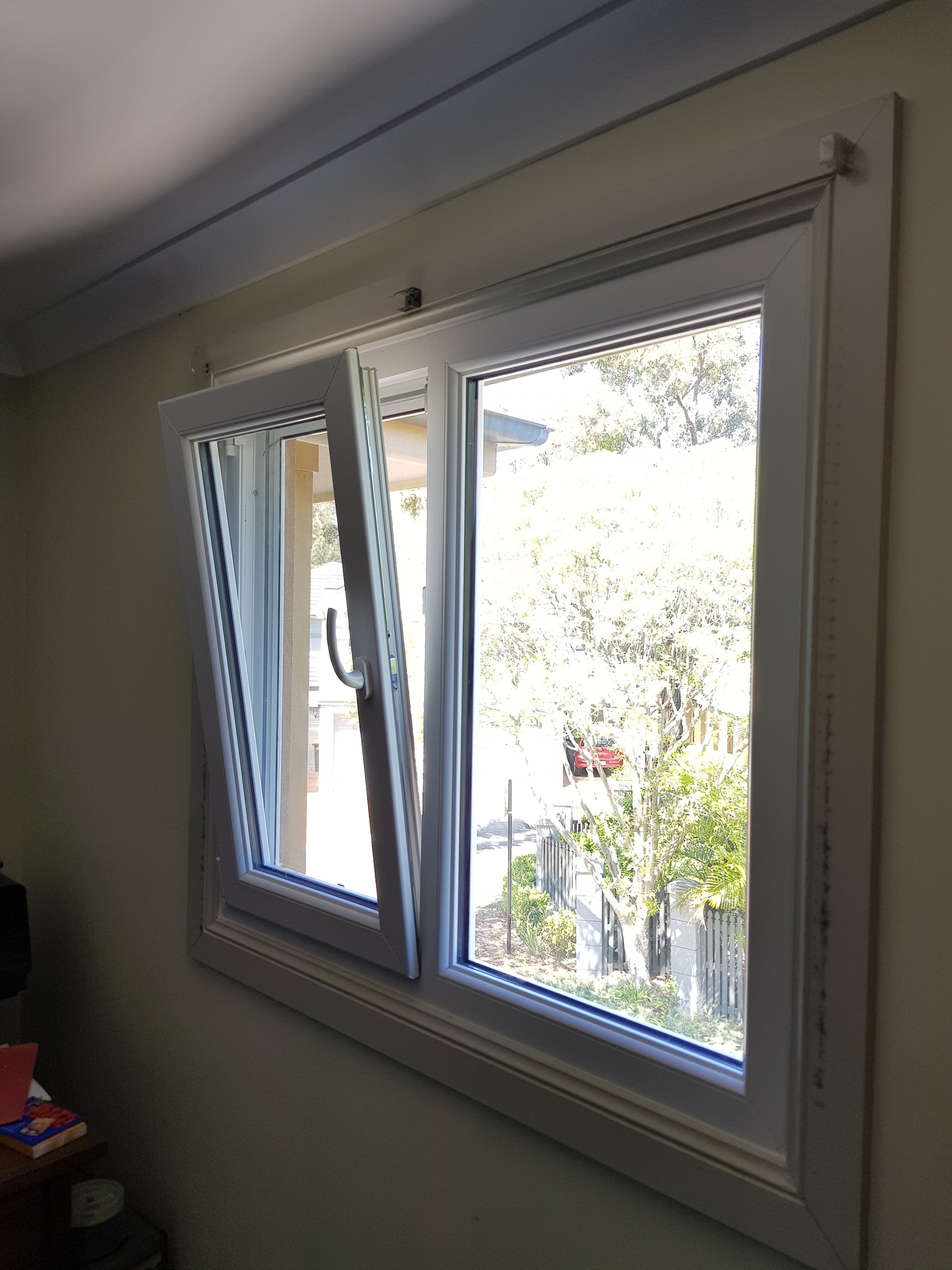
Sliding systems are ideal where space is limited, while awning, casement and tilt and turn windows provide more controlled ventilation. Each option offers different benefits depending on the layout of your home.
To better understand the differences, read:
Effective ventilation helps regulate indoor humidity, reduce condensation and improve overall comfort window condensation causes and solutions.
Thermal Performance
Thermal insulation is one of the most important features of a double glazed window.
High-quality systems help reduce heat transfer, keeping your home cooler in summer and warmer in winter. This leads to more stable indoor temperatures and improved energy efficiency benefits of energy efficient windows.







Noise Reduction
External noise levels can vary significantly depending on location.
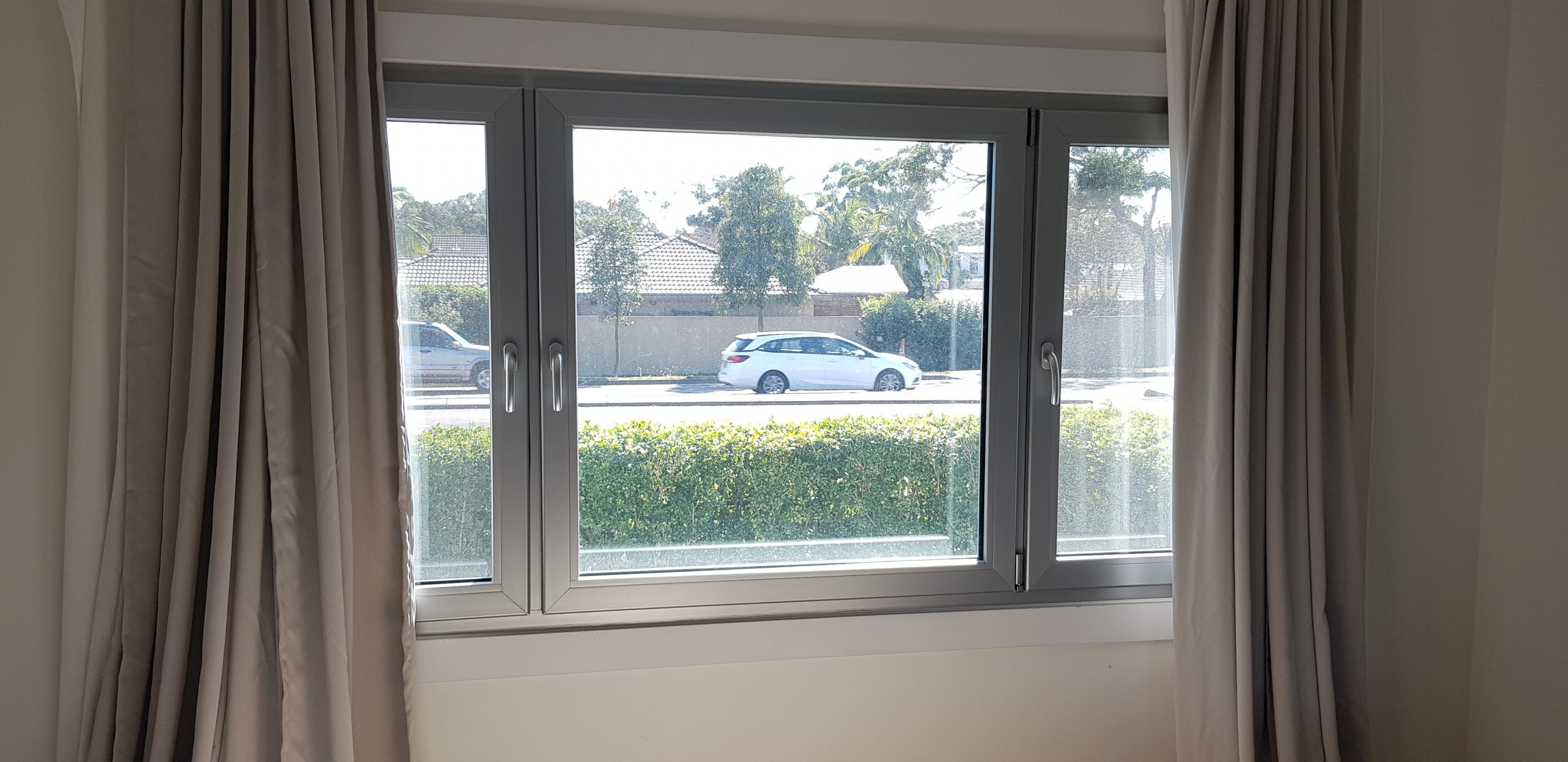
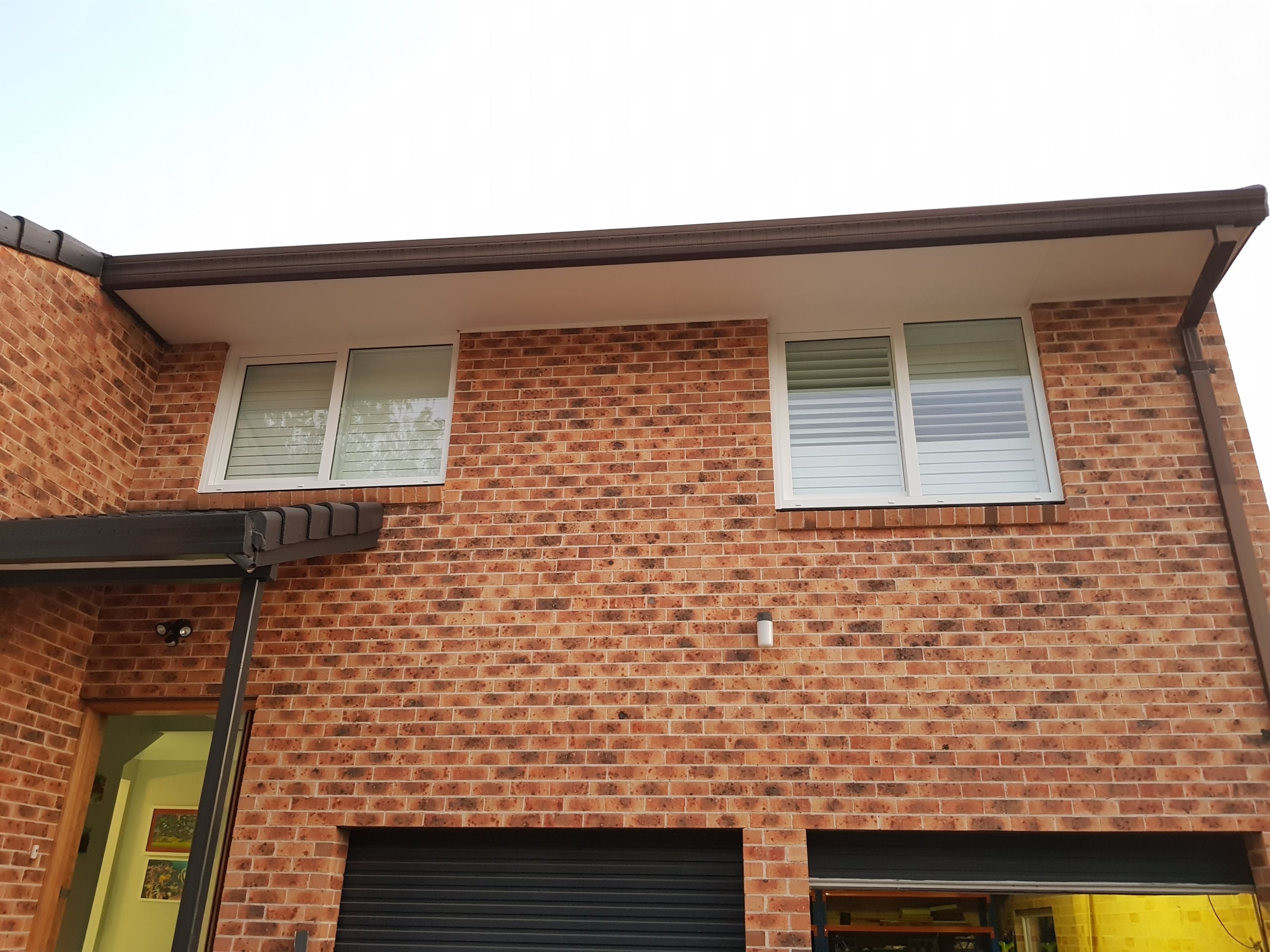
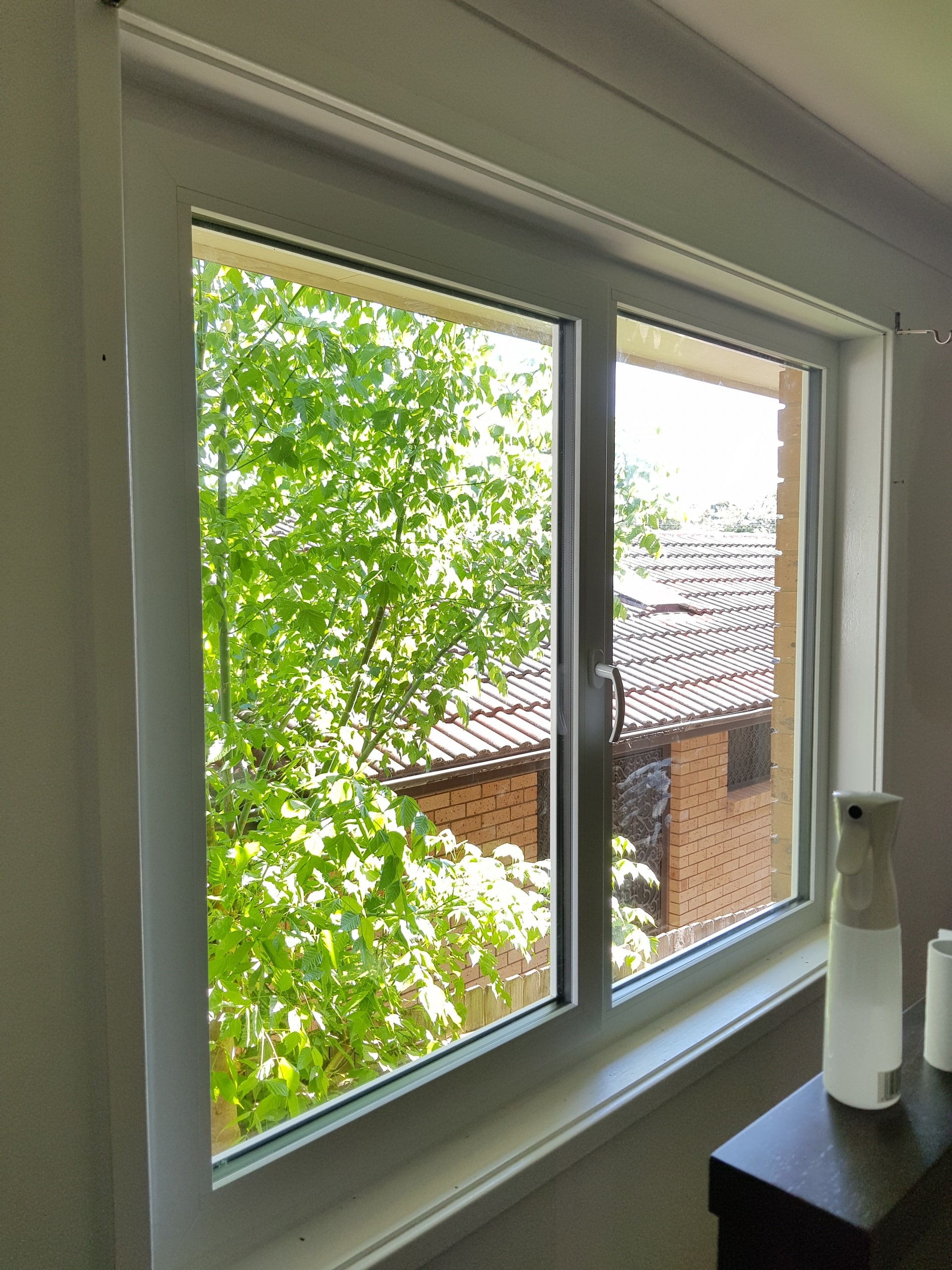
Double glazed windows reduce noise by combining multiple layers of glass with sealed air gaps. In higher-noise environments, additional acoustic glazing can further improve performance.
If noise is a concern, explore:
Glazing and Sun Protection
Modern glazing technologies allow you to control both light and heat.
Low-E and solar control coatings help reflect excess heat while still allowing natural light into the home. This makes interiors more comfortable without reducing brightness Low-E glass explained.
Need a consultation?
Our operators will answer any questions
Security and Safety
Window security is influenced by both the frame and the hardware system.
Multi-point locking mechanisms, reinforced frames and impact-resistant glass all contribute to a safer home environment uPVC window security.
Installation Quality
Even the best window system will not perform correctly without proper installation.
Poor sealing or misalignment can lead to drafts, moisture issues and reduced efficiency. Professional installation ensures that all components work together as intended window installation mistakes.
How These Features Work Together
No single feature determines the overall quality of a window. Instead, performance depends on how all elements work together as a complete system.
For example, good glazing alone cannot compensate for poor installation, and high-quality frames require proper hardware to function correctly.
This is also why the name on the profile is not enough to compare two windows properly. Two products can use a recognised brand but differ in glazing, hardware, configuration and installation. Our guide to why window specifications matter more than brand names explains which details are more useful to compare.
Learn More About Choosing the Right Windows
If you are comparing different options, read our full guide: How to Choose the Best Double Glazed Window in Sydney
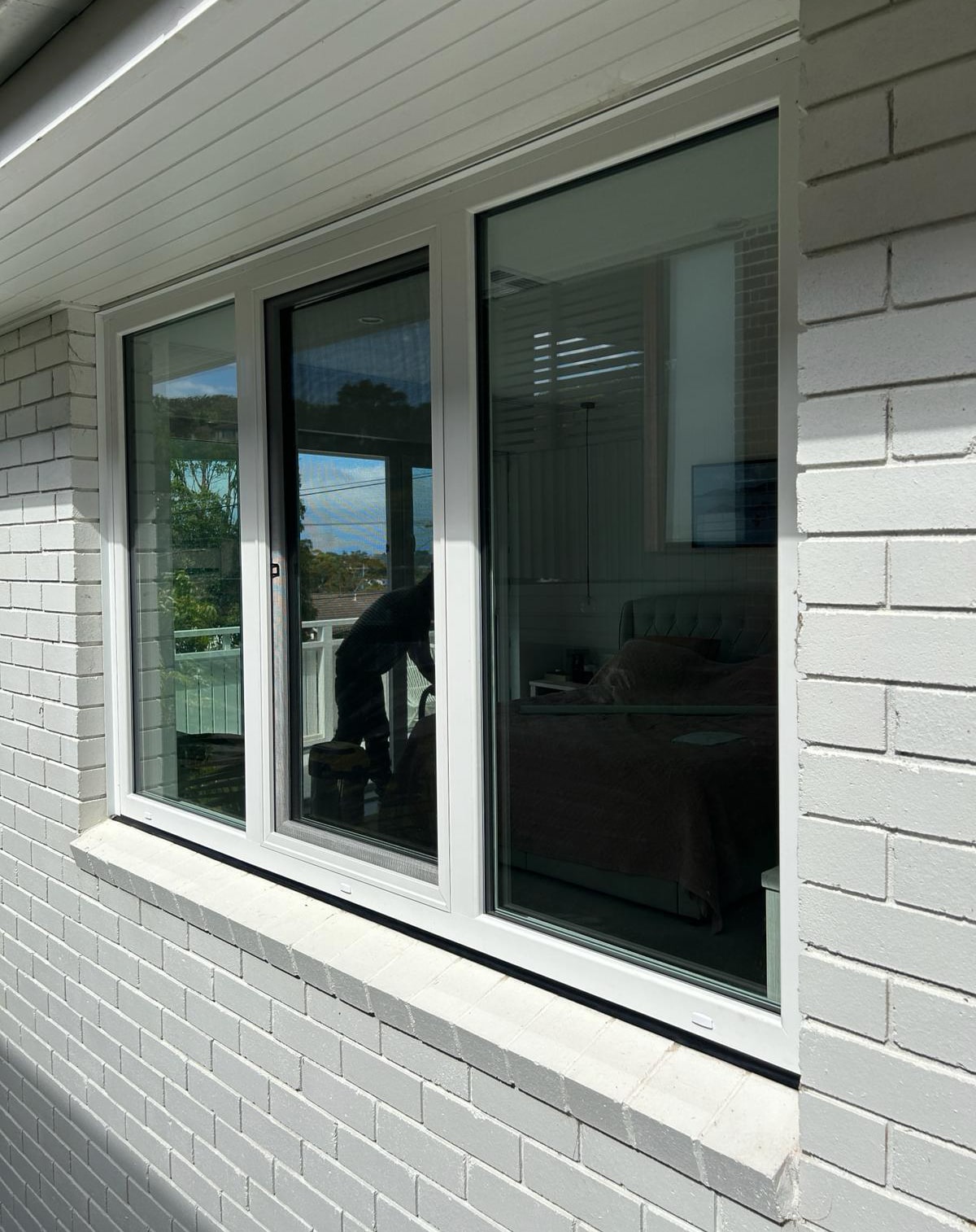
Get a quote
Contact us today to find out how Prestige Plus specialists can help you solve your problem
FAQ
What are the most important features of a double glazed window?
Key features include thermal insulation, noise reduction, glazing type, ventilation options and overall build quality.
Do all double glazed windows perform the same?
No. Performance depends on materials, glazing, hardware and installation quality.
What affects window energy efficiency?
Factors include glazing type, frame material, sealing and installation.
Can window features reduce noise?
Yes. Double glazing and acoustic glass significantly reduce external noise.
What is Low-E glass?
Low-E glass has a coating that helps reflect heat while allowing natural light to pass through.
Do larger windows affect performance?
Yes. Larger windows require proper glazing and structural support to maintain efficiency.
Are all window opening types the same?
No. Different opening systems provide different levels of ventilation and usability.
Does installation affect window performance?
Yes. Poor installation can reduce the effectiveness of even high-quality windows.
Are modern windows more secure?
Yes. Modern systems include multi-point locking and reinforced components.
How do I compare different double glazed window options?
Focus on overall performance rather than a single feature. Compare insulation, glazing type, hardware quality and installation standards to find the best solution for your home.