
In this article:
What Actually Causes Noise to Enter Your Home
Simple Ways to Reduce Noise (That Don’t Involve Replacing Windows)
Why Older Windows Struggle With Noise Reduction
When Window Upgrades Become the Most Effective Solution
How Double Glazed Windows Reduce Outside Noise
Why uPVC Windows Perform Better Over Time
How to Tell If Your Windows Are the Problem
Double Glazed Windows in Sydney — A Practical Long-Term Solution
Why Choose Prestige Plus
Final Thoughts
Why Noise Becomes a Problem Only After You Start Working From Home
Many Sydney homeowners don’t think about outside noise until they begin working remotely.
Before that, most daytime sounds happen while you’re away. Once your home becomes your workspace, you start noticing:
- traffic patterns
- neighbour activity
- delivery frequency
- background urban noise
The environment hasn’t changed — your exposure and sensitivity have.
What Actually Causes Noise to Enter Your Home
Outside noise doesn’t enter randomly. It follows the easiest path into your home — and that path is usually not the wall.
Windows vs walls
Walls are dense and layered. Windows are thinner and more flexible, which makes them more responsive to sound vibrations.
Air leakage matters more than you think
Even a small gap around a window can dramatically increase how much sound enters the room.
Common weak points:
- ageing seals
- sliding tracks
- poor installation
- frame movement over time
In many homes, the issue is not just the glass — it’s the sealing.
If you’re experiencing this regularly, upgrading to modern systems from Prestige Plus can significantly improve both noise reduction and overall home comfort.
Simple Ways to Reduce Noise (That Don’t Involve Replacing Windows)
Before considering upgrades, some small adjustments can help reduce perceived noise:
1. Change your desk position
Moving your workspace away from the window can noticeably reduce direct sound exposure.
2. Use room layout strategically
- place bookshelves against external walls
- add soft furnishings
- avoid facing windows during calls
3. Close internal doors
This creates additional barriers and reduces how sound spreads through the home.
These steps can help — but they won’t solve the root problem if noise is entering through the window itself.
Why Older Windows Struggle With Noise Reduction
Many Sydney homes still use older window systems that were not designed for acoustic performance.
Single glazing limitations
A single pane of glass:
- vibrates easily
- transfers sound energy directly
- offers minimal resistance to external noise
Sliding window design
Sliding systems prioritise movement and convenience, not airtight sealing — which impacts acoustic performance.
When Window Upgrades Become the Most Effective Solution
If noise is consistently affecting your work, surface-level fixes are usually not enough.
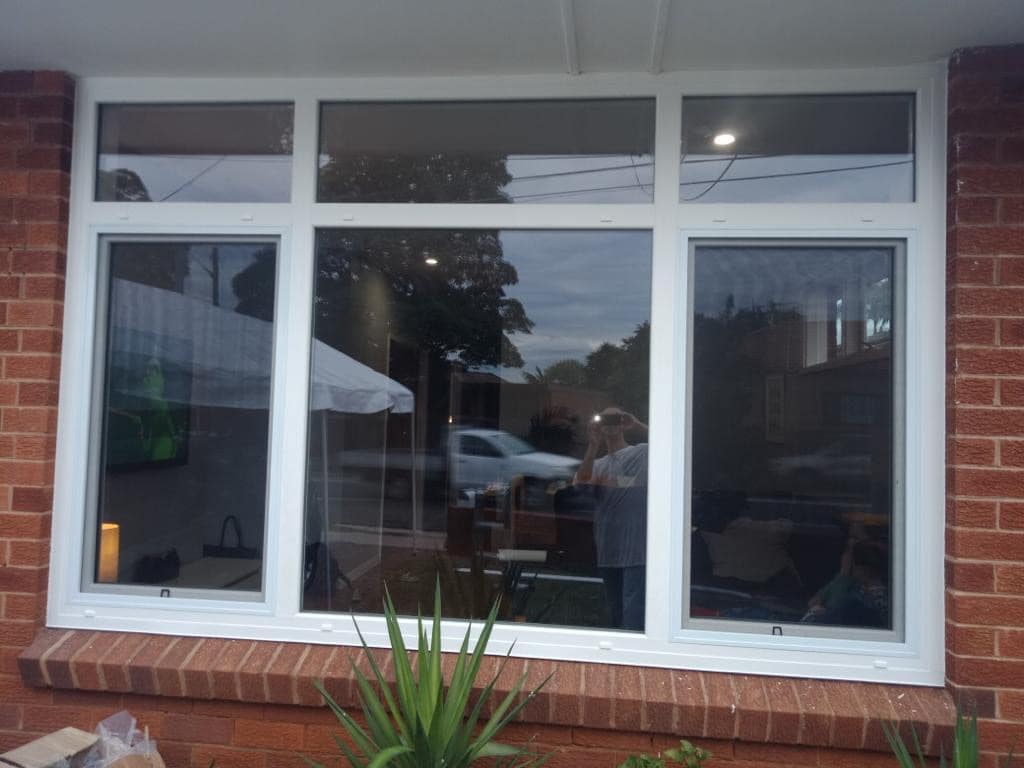
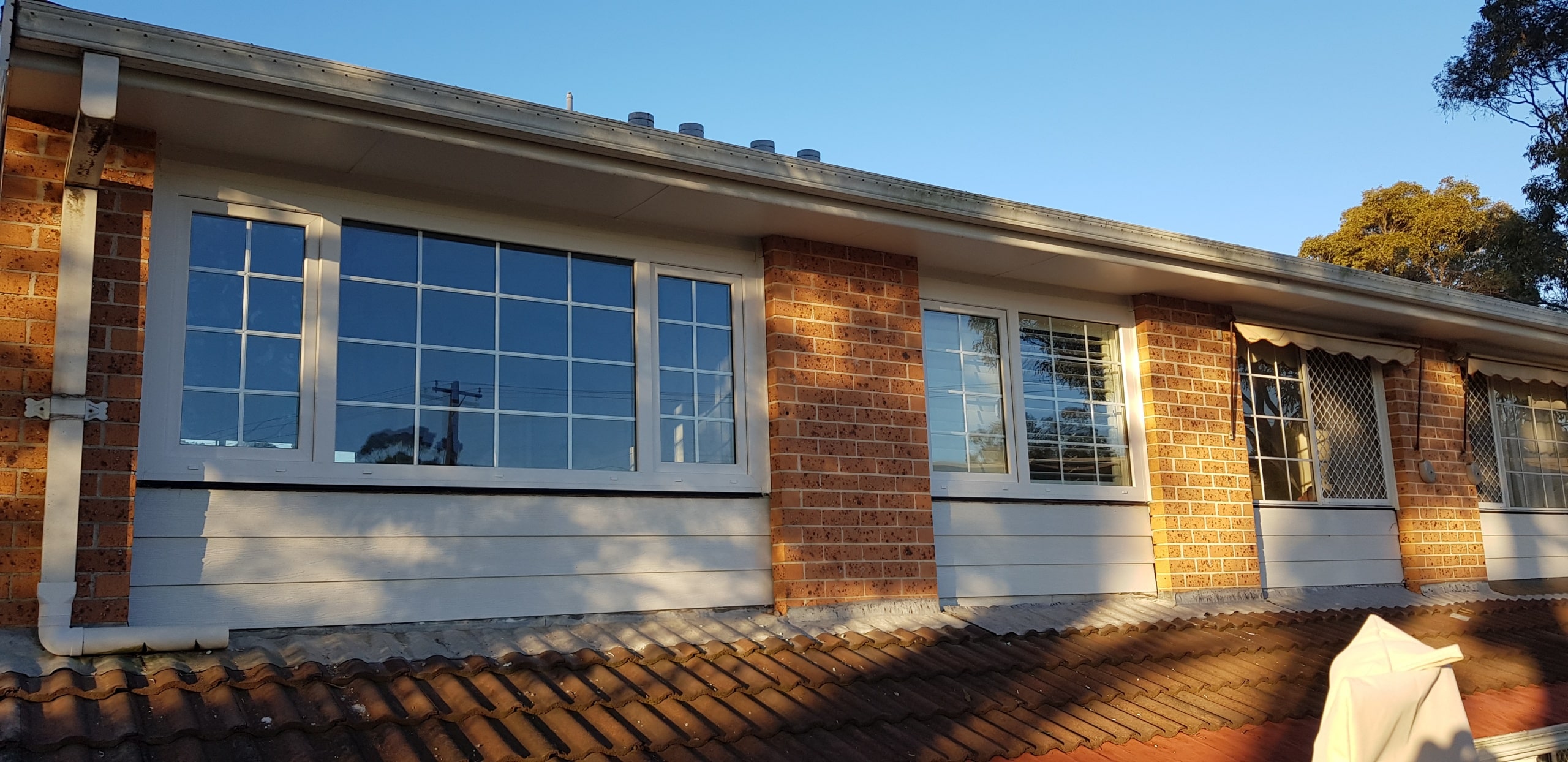
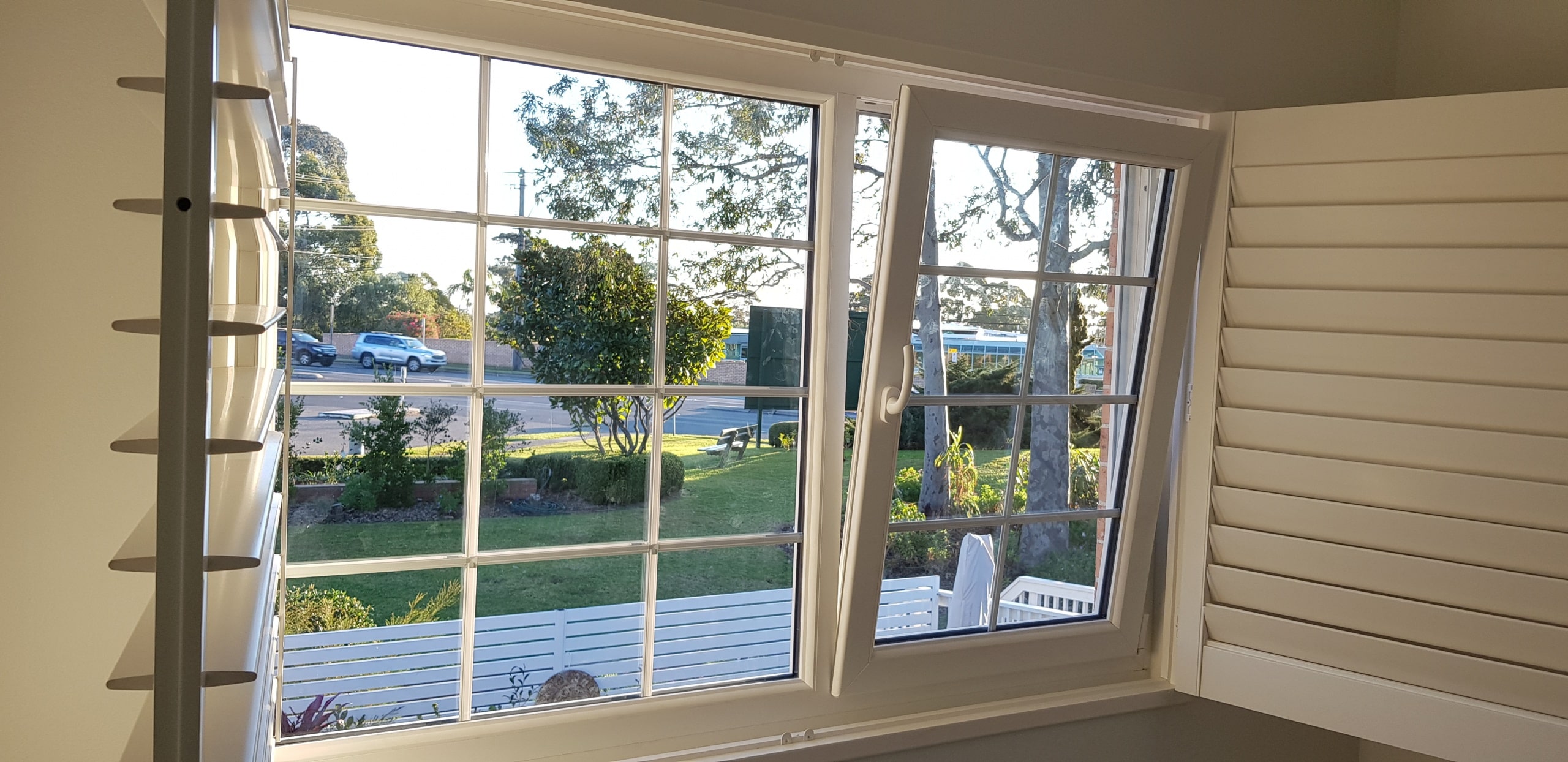
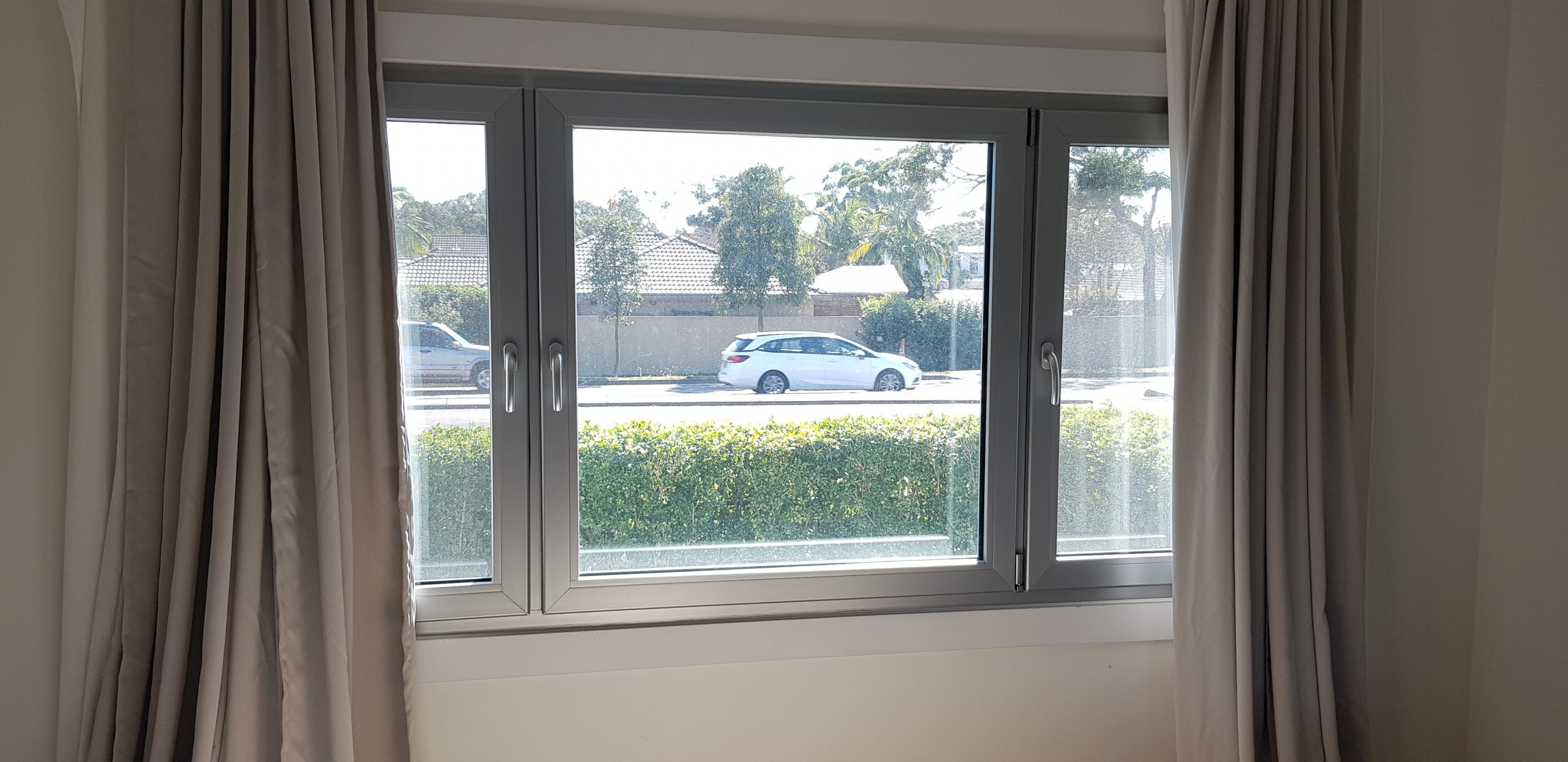
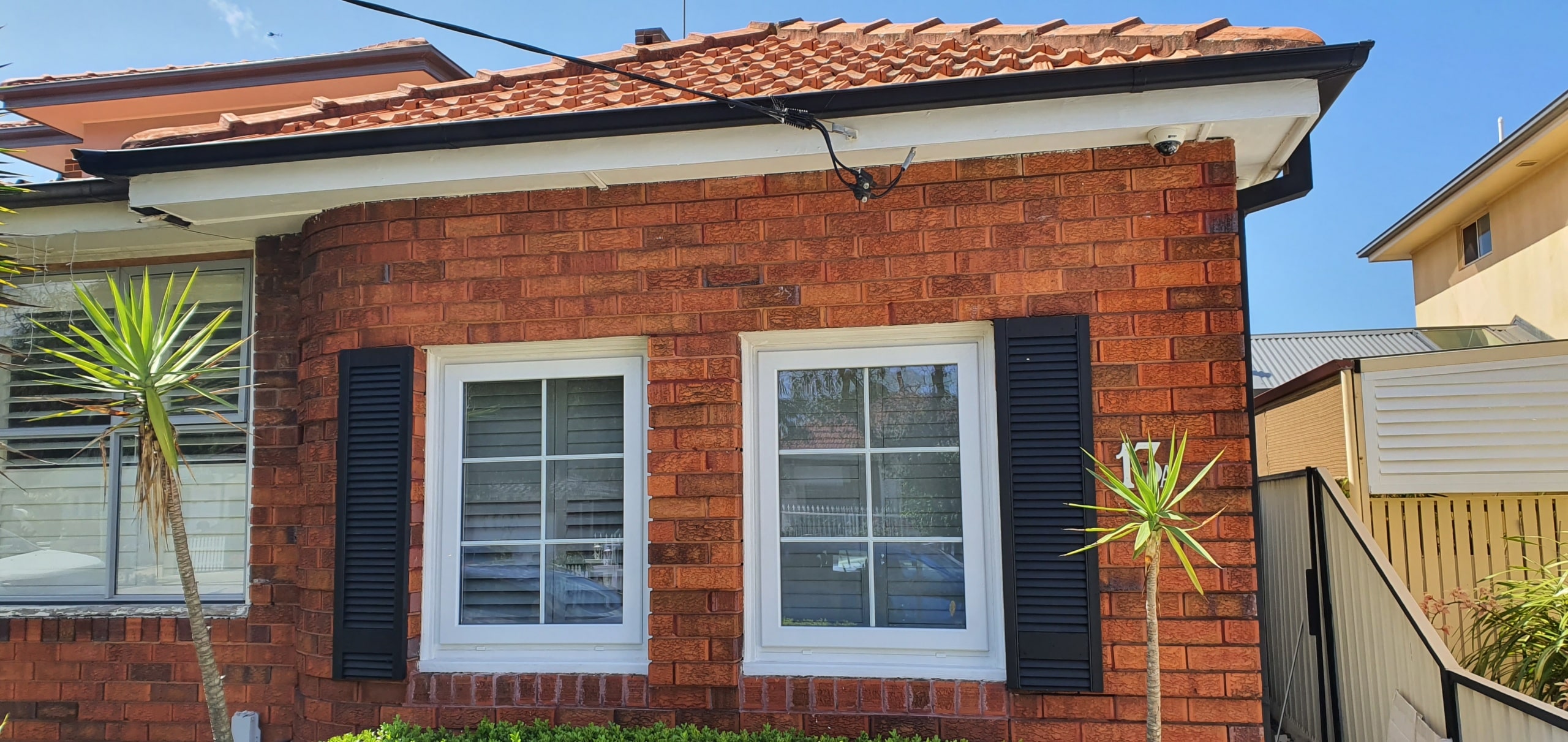
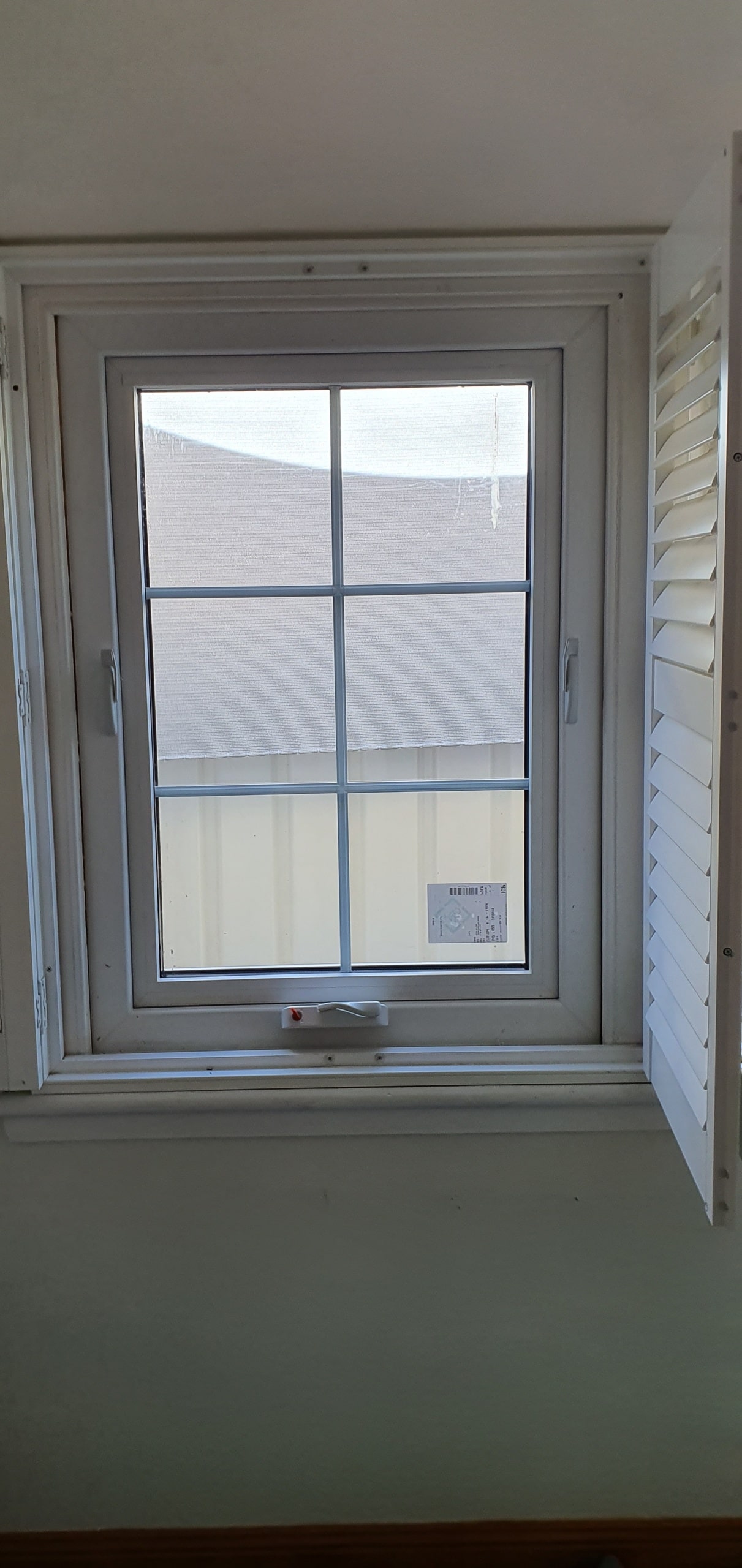
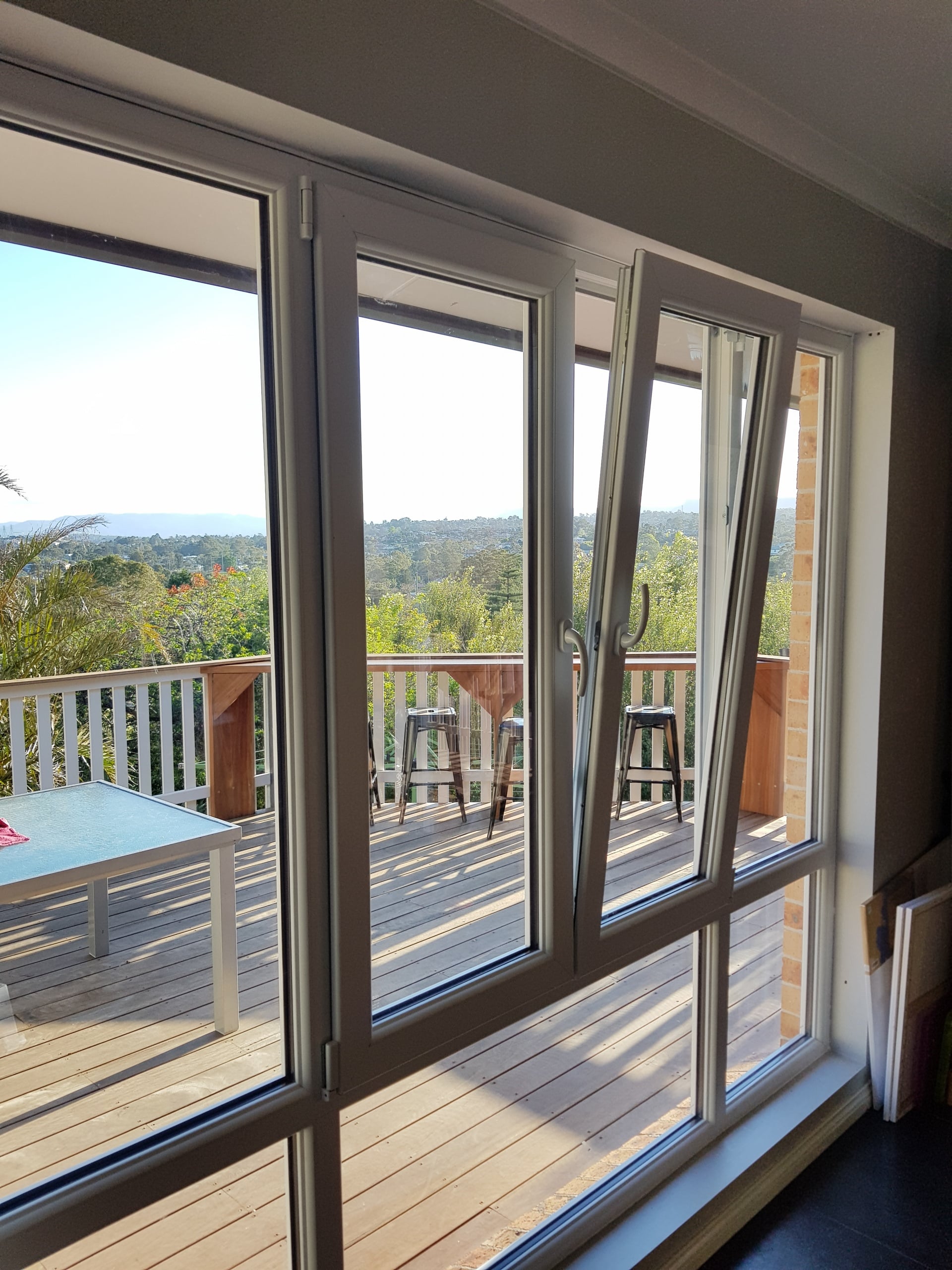
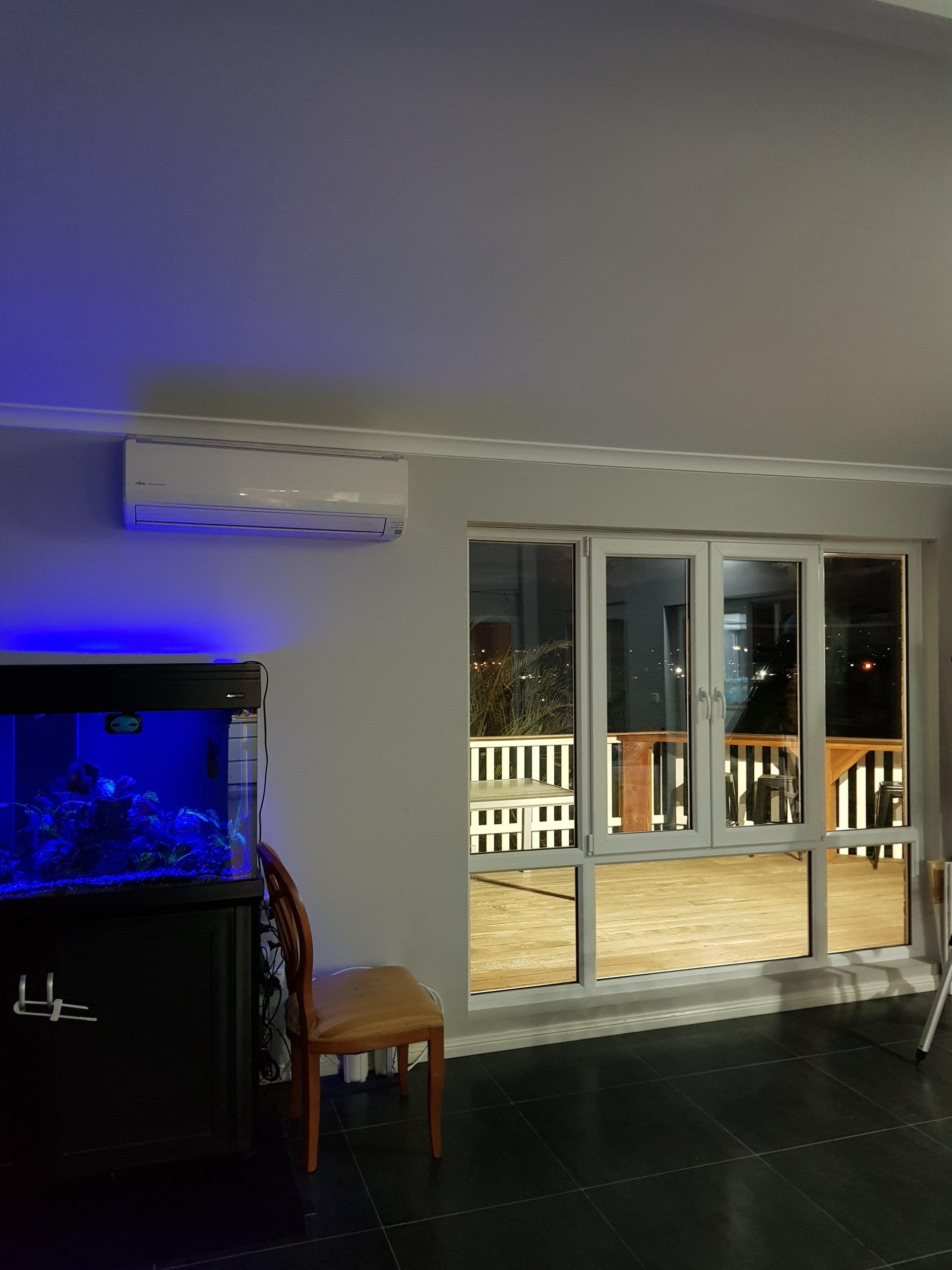
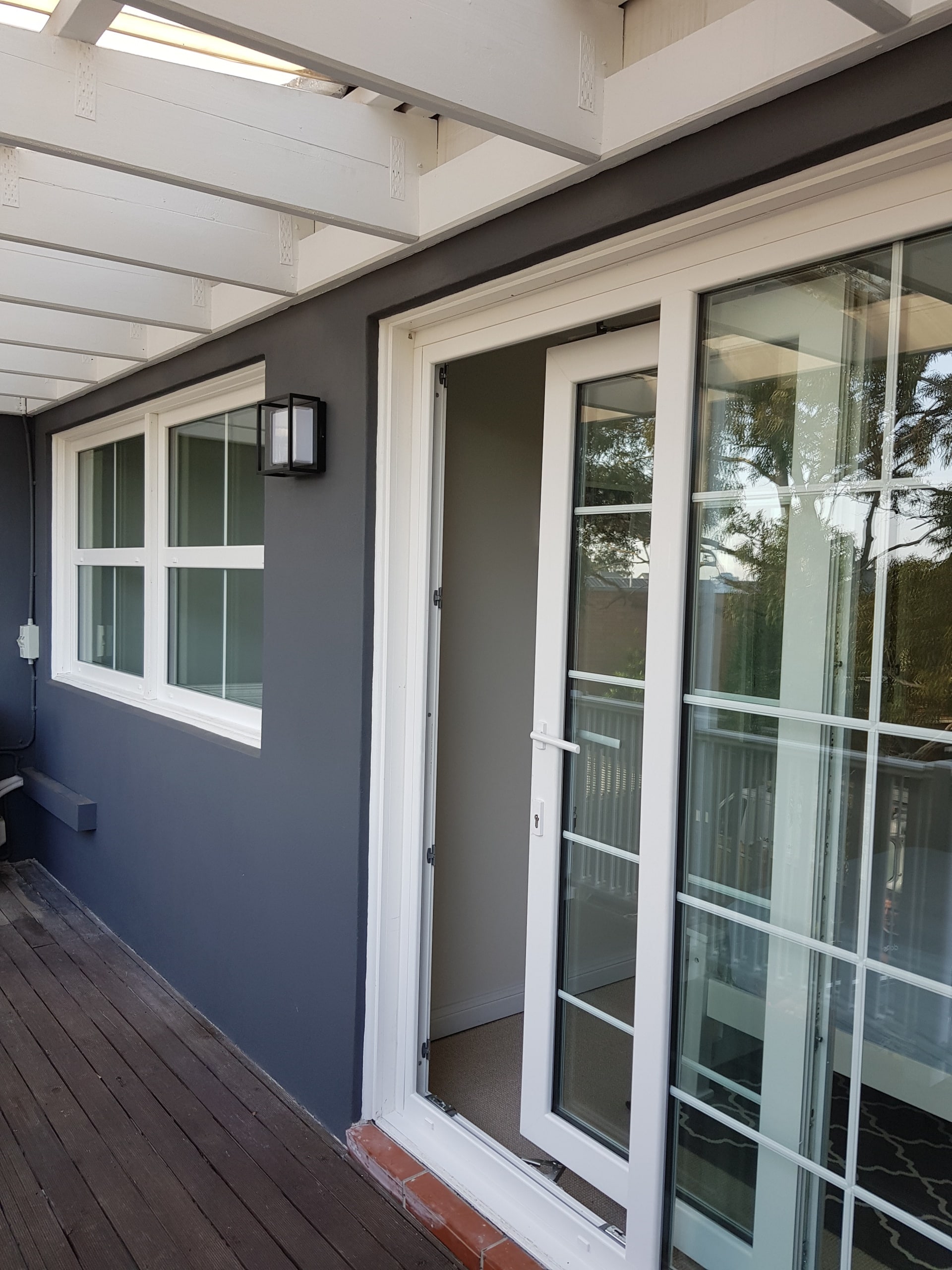
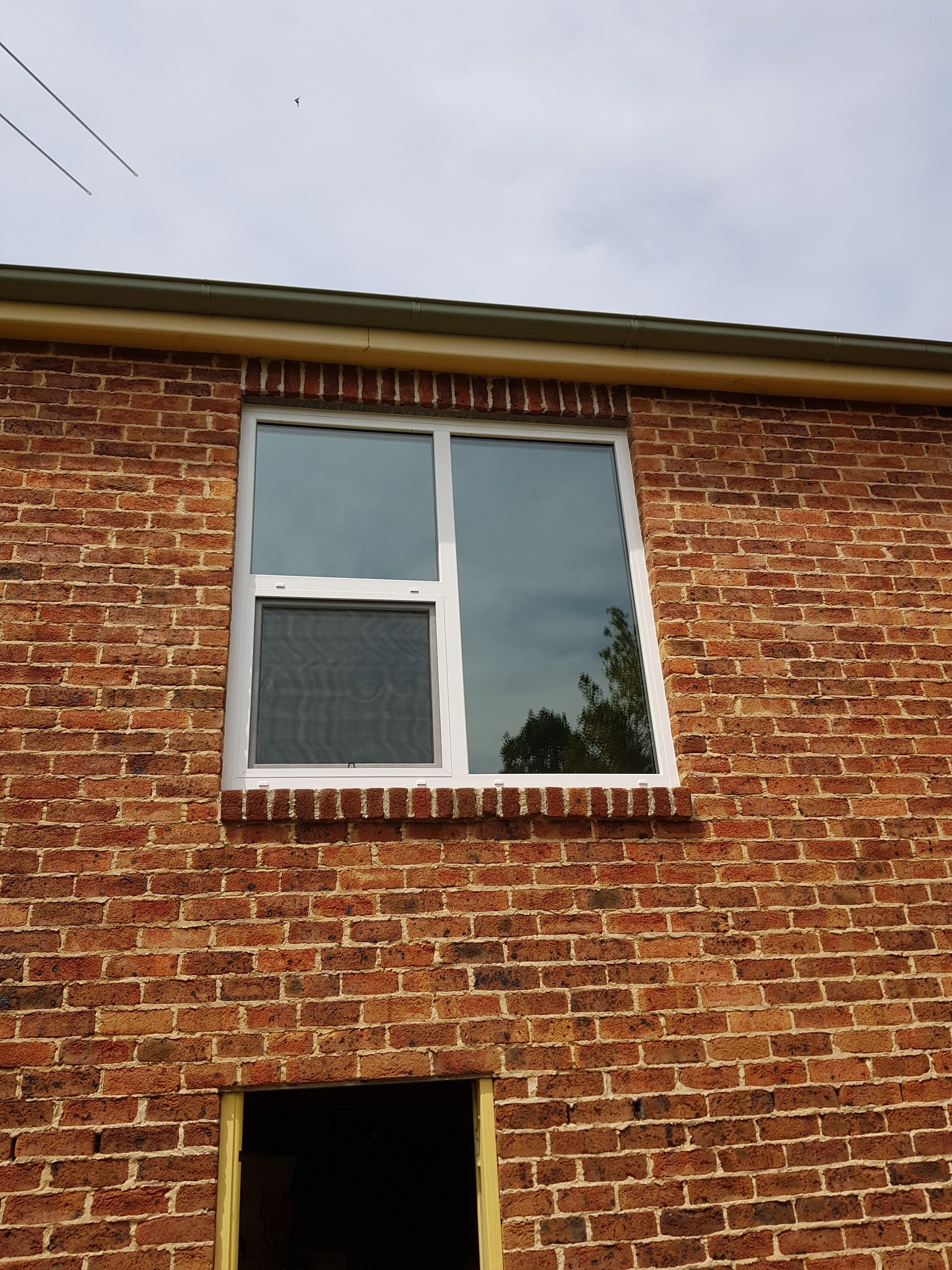
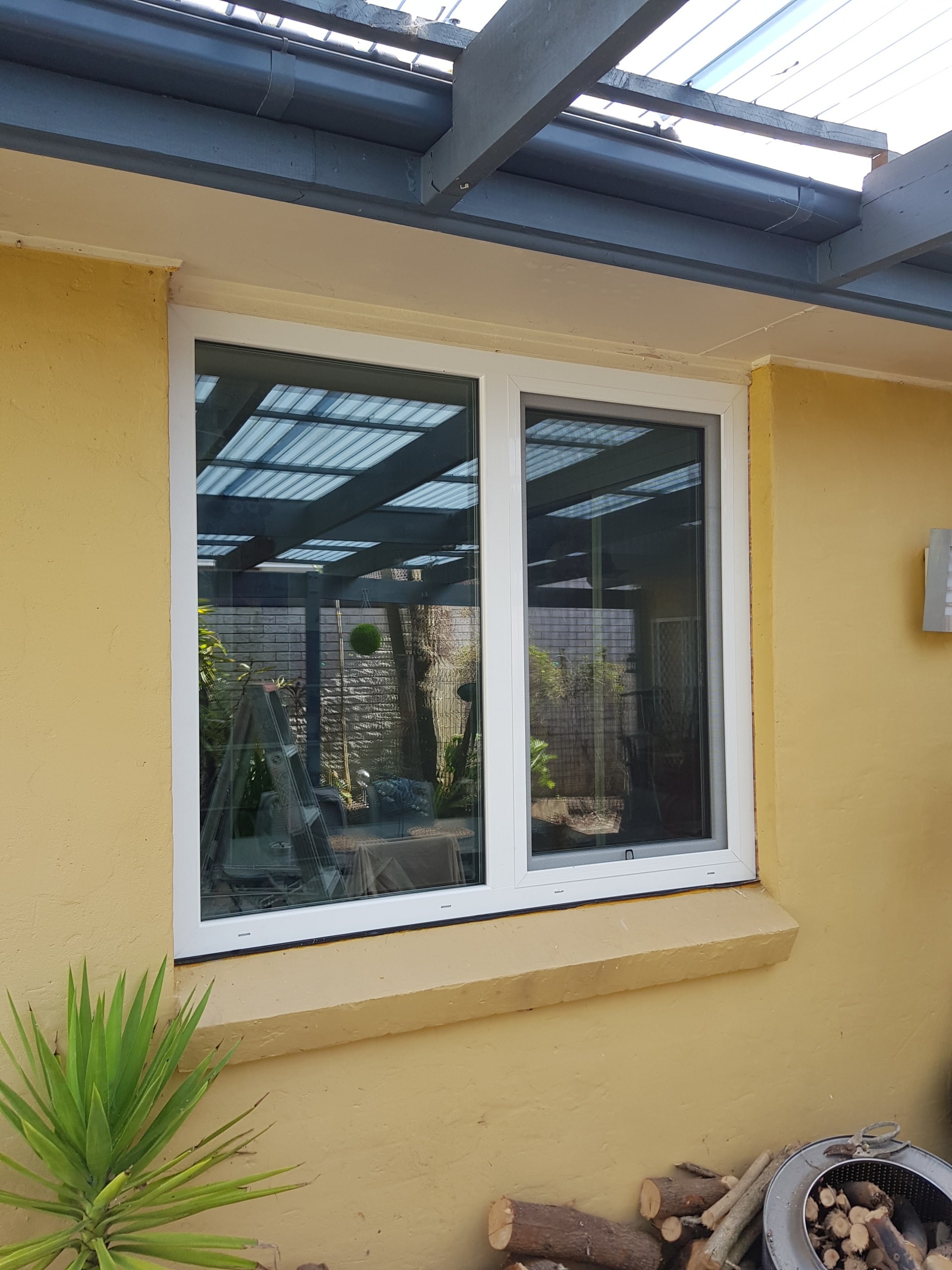
This is where modern window systems make a measurable difference.





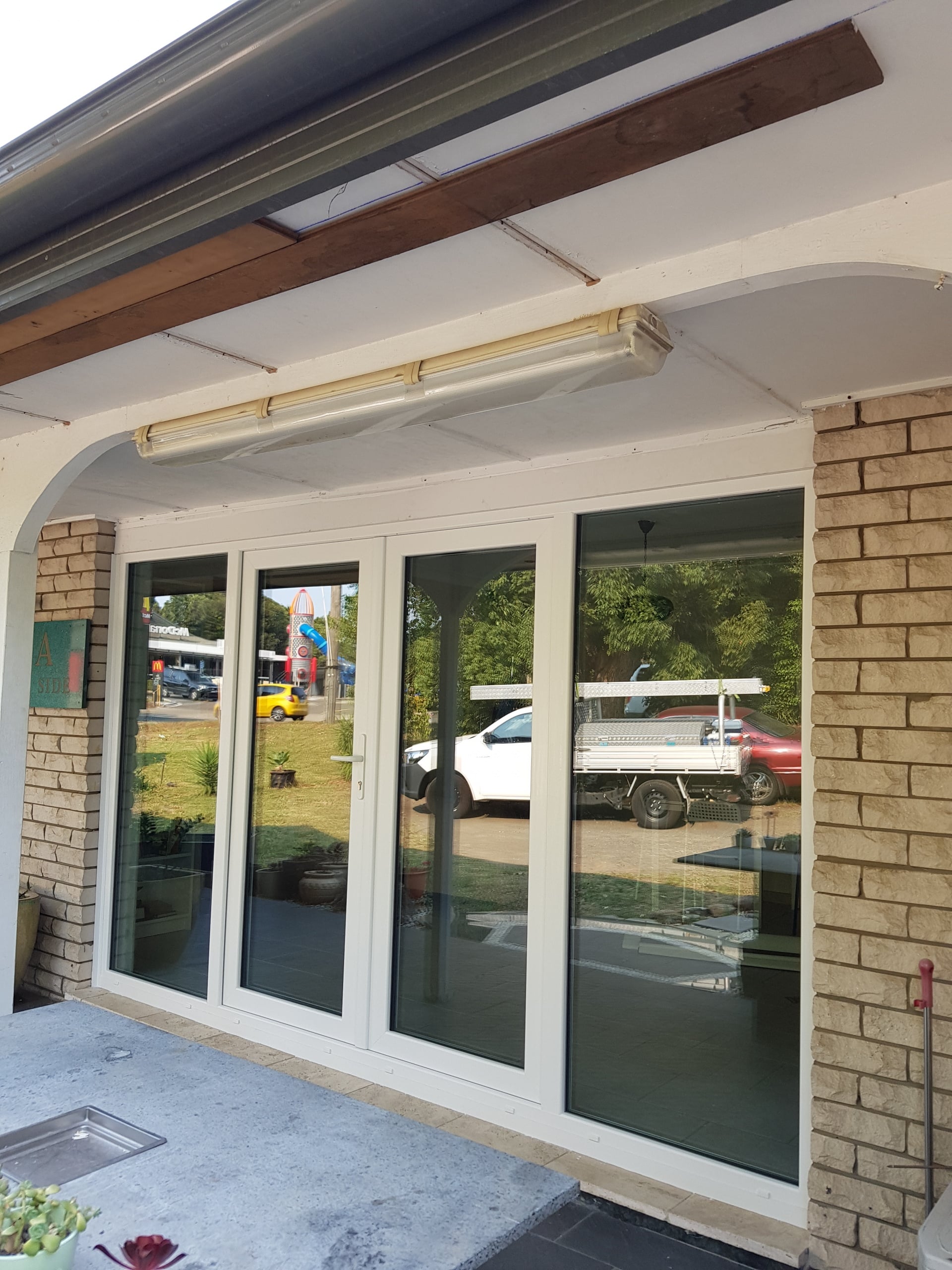
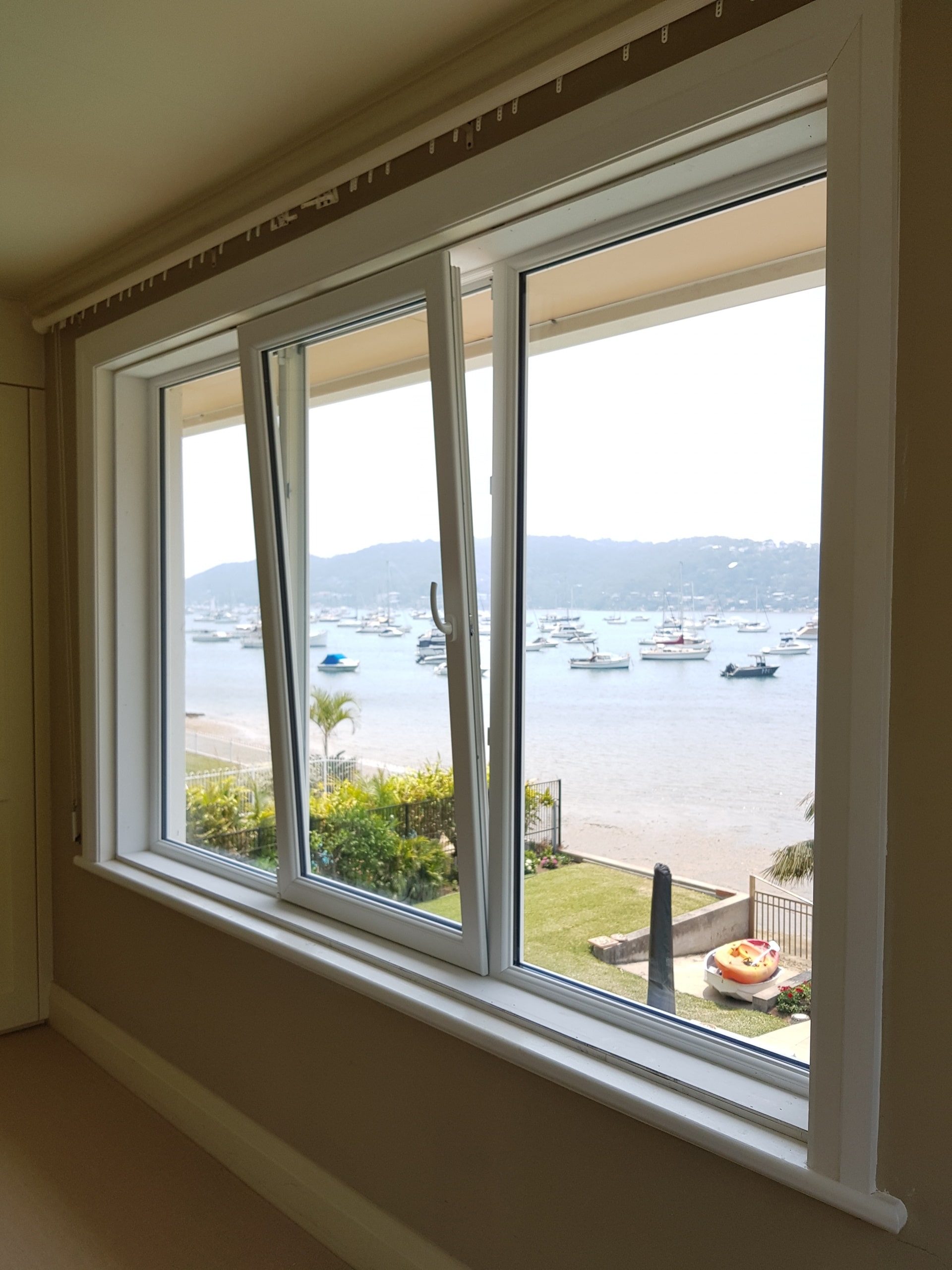
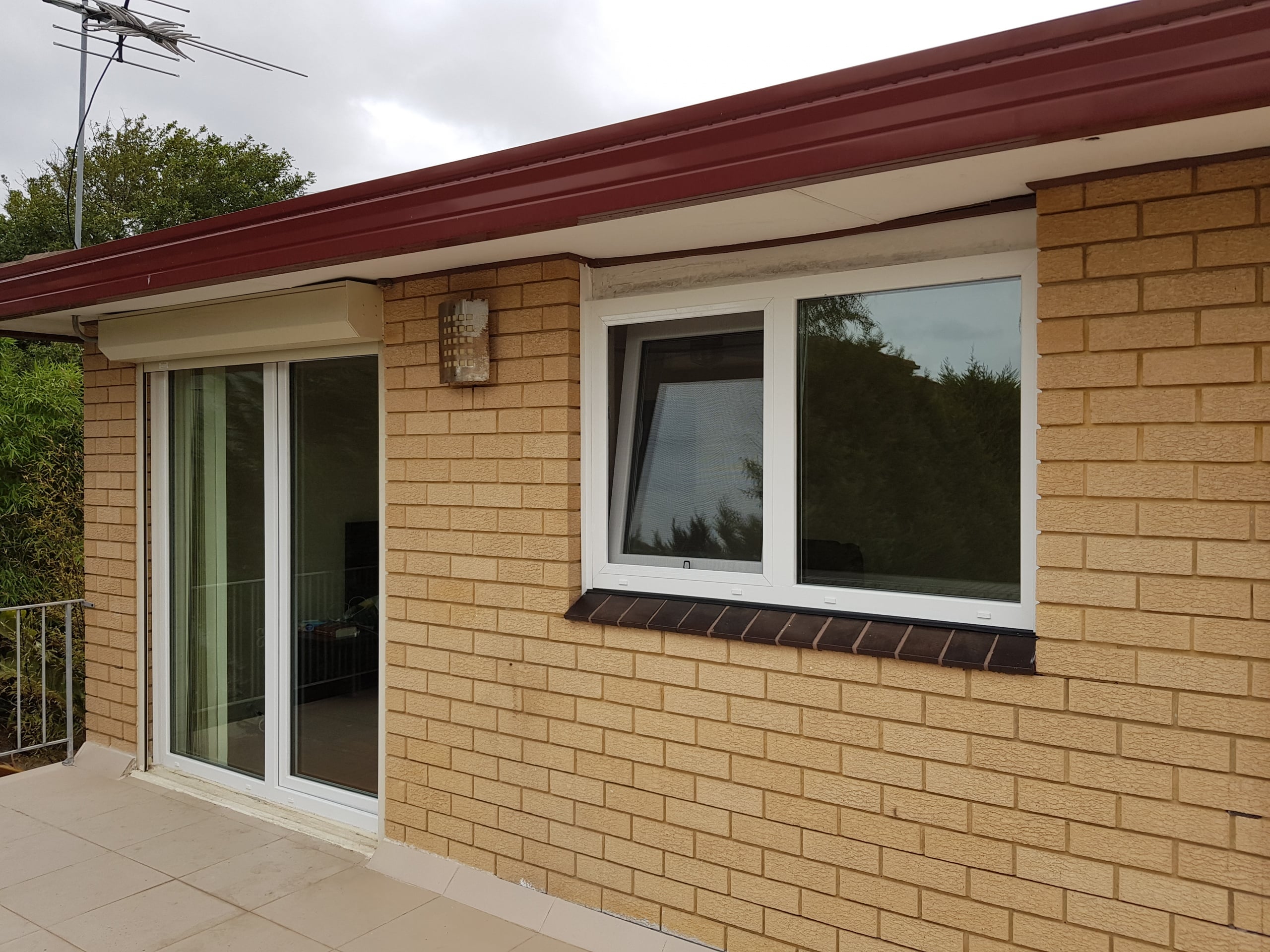

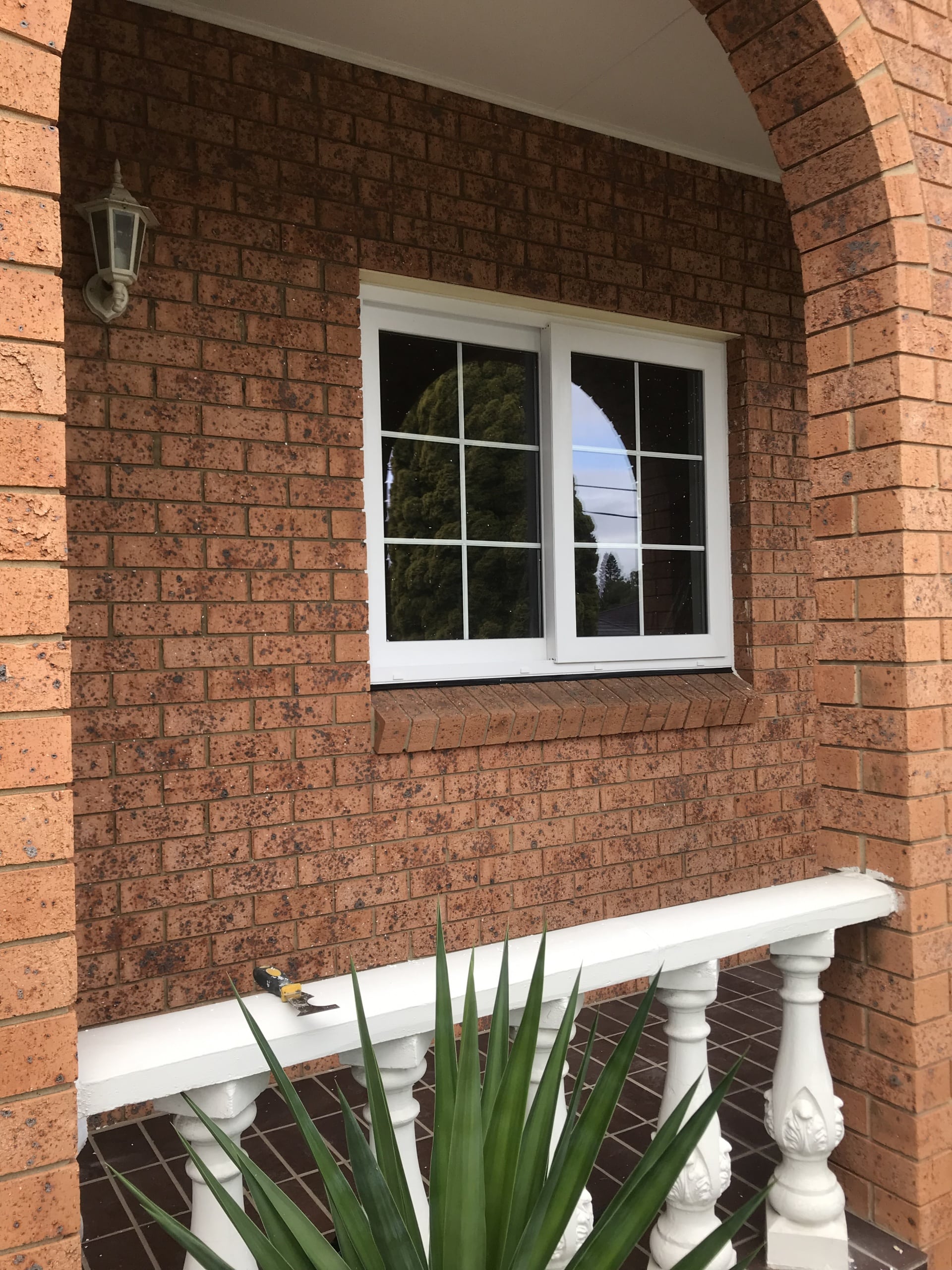
How Double Glazed Windows Reduce Outside Noise
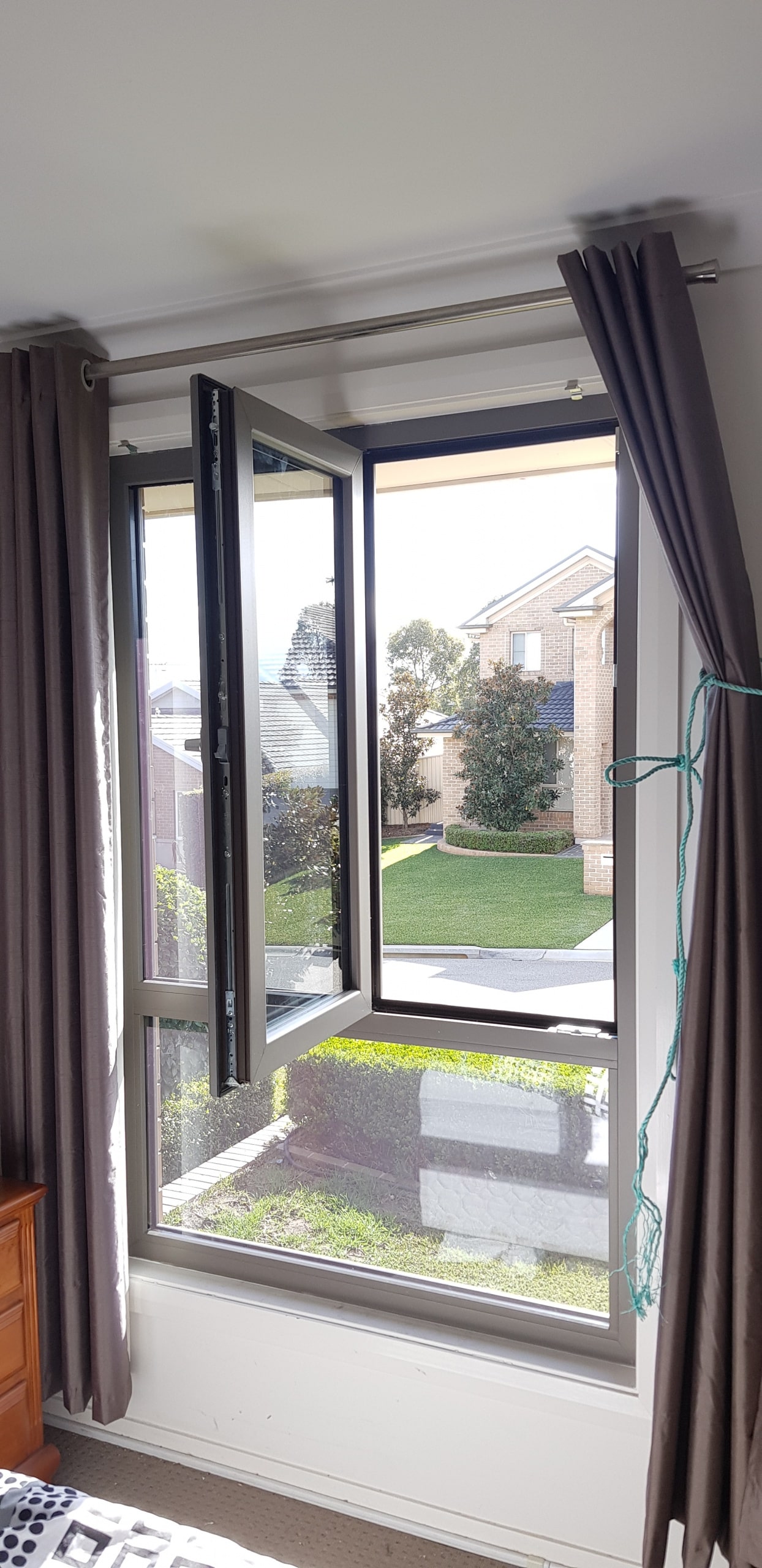
Double glazing works by disrupting how sound travels.
Layered barrier system
Instead of one surface, sound must pass through:
- outer glass
- sealed air gap
- inner glass
Each stage reduces sound energy.
Improved sealing
Modern systems reduce air leakage — one of the main causes of noise intrusion.
Learn more about our double glazed windows in Sydney and how they help reduce outside noise and improve energy efficiency.
Why uPVC Windows Perform Better Over Time
The frame is just as important as the glass.
Compression sealing
uPVC systems close tightly against the frame, minimising air gaps.
Durability
uPVC does not warp, corrode, or degrade easily — helping maintain sealing quality over many years.
Our uPVC windows in Sydney are designed for Australian conditions and provide long-term acoustic and thermal performance.
How to Tell If Your Windows Are the Problem
Common signs include:
- noticeable drafts
- rattling during wind or traffic
- difficulty closing tightly
- visible wear in seals
A simple test: if pressing the window reduces noise, sealing is likely compromised.
If you notice these issues, it may be time to explore window replacement options in Sydney designed to improve comfort and reduce outside noise.
Need a consultation?
Our operators will answer any questions
Double Glazed Windows in Sydney — A Practical Long-Term Solution
For homeowners working remotely, indoor comfort is no longer optional — it’s essential.
Upgrading to modern window systems helps create:
- a quieter workspace
- a more stable indoor environment
- better overall living conditions
Why Choose Prestige Plus
We specialise in high-performance uPVC double glazed windows designed for Australian conditions.
- Manufactured in Sydney
- Designed for coastal climate
- Fast turnaround times
- 10-year product & installation warranty
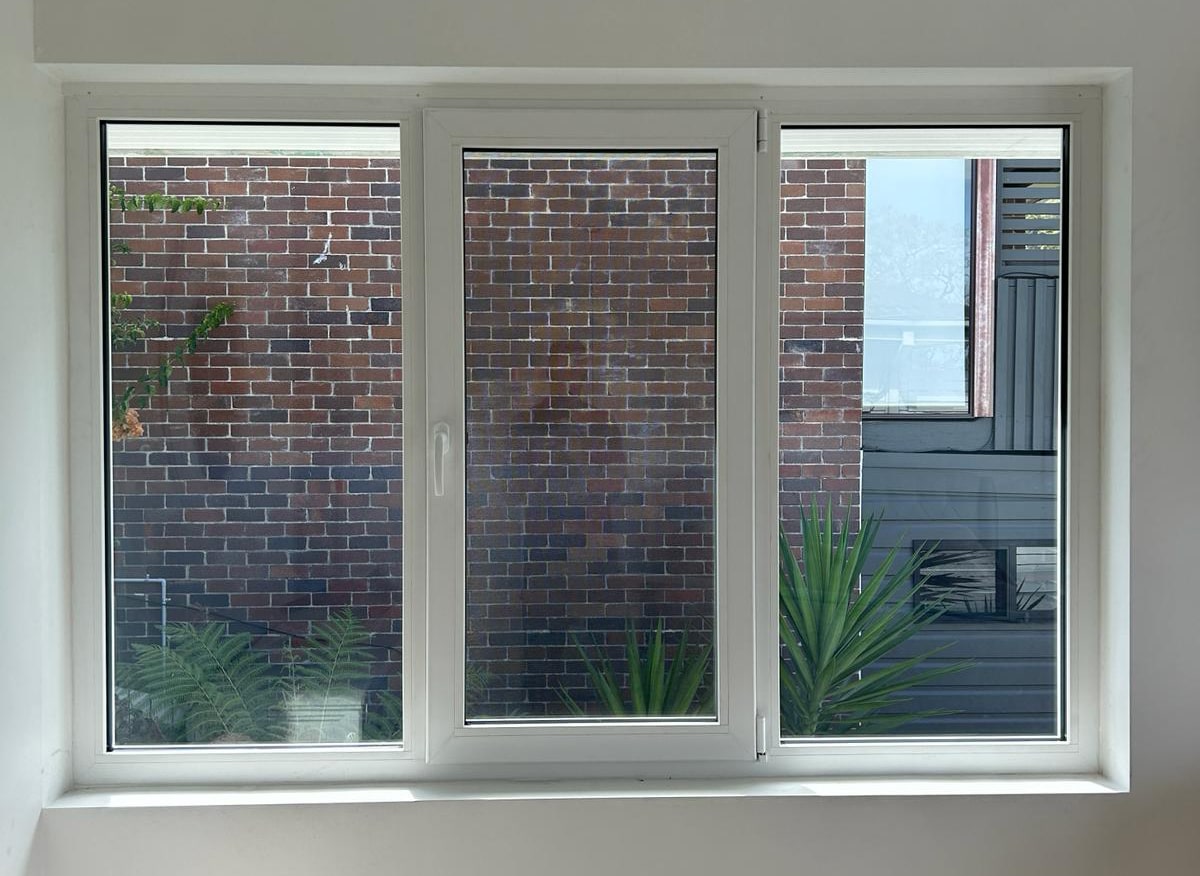
Final Thoughts
If outside noise is interfering with your work, it’s worth looking beyond temporary fixes.
Small adjustments can help, but long-term improvement usually comes down to how well your home is sealed — especially at the windows.
If you’re ready to upgrade, explore our range of double glazed window systems in Sydney or speak with our team to find the best solution for your home.
Get a quote
Contact us today to find out how Prestige Plus specialists can help you solve your problem
FAQ
Can double glazed windows completely block outside noise?
No window can block 100% of sound. However, high-quality double glazing can significantly reduce everyday noise such as traffic, neighbours, and street activity.
How much noise reduction can I expect from double glazing?
In many cases, homeowners notice a substantial reduction in external noise. The exact result depends on glass type, frame system, and installation quality.
Are uPVC windows better than aluminium for noise reduction?
uPVC windows often provide better acoustic performance due to tighter sealing and multi-chamber frame construction.
Which window type is best for reducing noise?
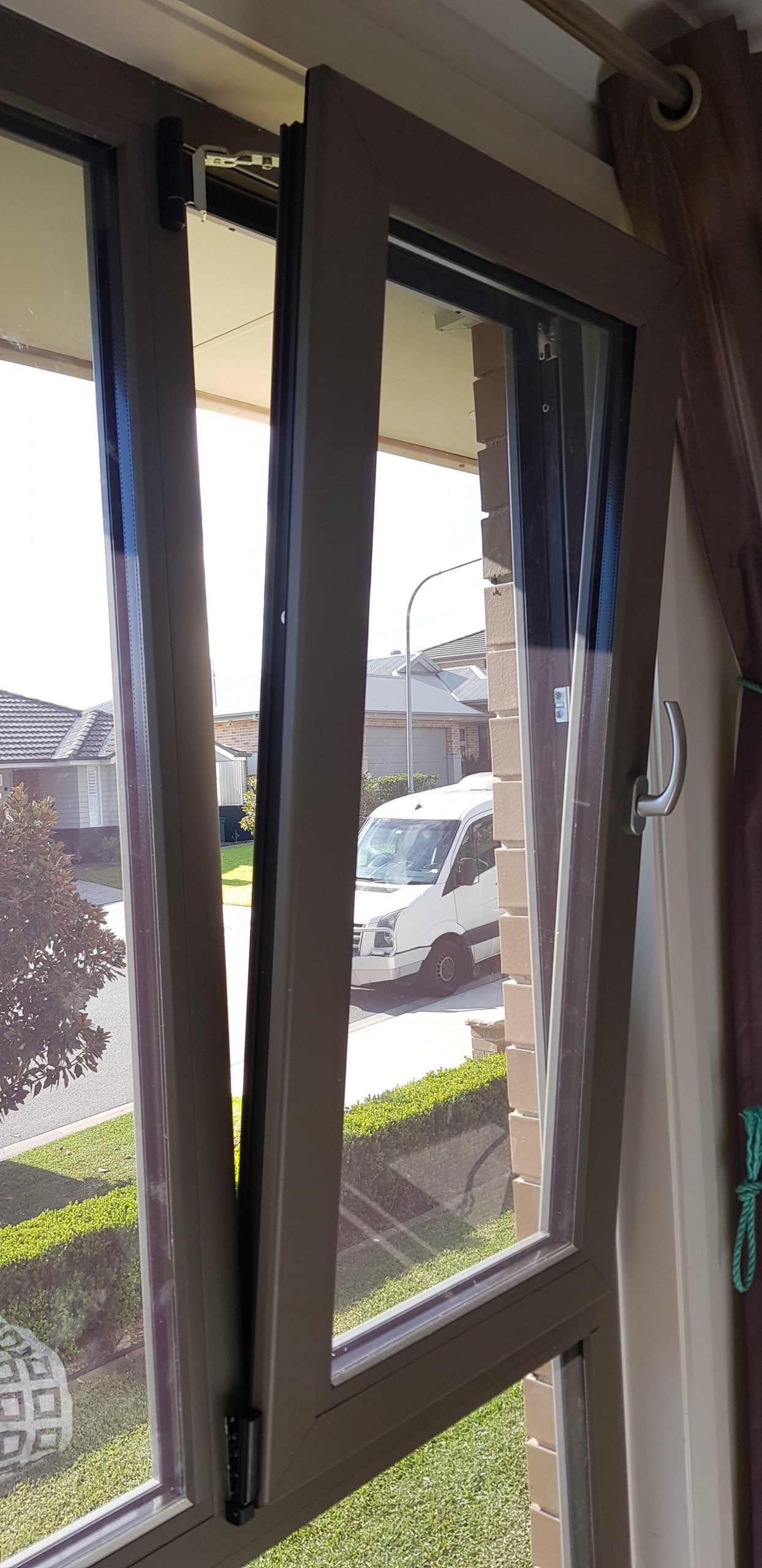
Fixed, casement, and tilt & turn windows typically perform better than sliding windows because they seal more tightly.
Do thicker curtains or blinds help reduce outside noise?
They can reduce echo inside the room, but they do not significantly block sound entering through the window.
Why is noise louder near some windows than others?
Noise follows the weakest path. Differences in seal quality, glass size, and window position can affect how much sound enters.
Can replacing old windows improve both noise and energy efficiency?
Yes. Double glazed windows improve both acoustic insulation and thermal performance, making the home more comfortable overall.
Does installation quality affect noise reduction?
Absolutely. Poor installation can leave gaps that allow sound to pass through, reducing the effectiveness of even high-quality windows.
Is laminated glass worth it for noise reduction?
Yes, in higher-noise areas. Laminated glass helps dampen vibration and can further reduce sound transmission.
How do I know if my windows need replacing?
Signs include drafts, rattling, difficulty closing, worn seals, and noticeable noise entering the room.