
In this article:
How Early PVC Window Systems Were Different
The Shift Towards High-Performance Window Systems
Modern Frame Design Is Far More Advanced
Why Sealing Technology Makes a Major Difference
Modern Double Glazing Changed Window Performance Completely
Noise Reduction Is Far Better Than It Used To Be
Modern uPVC Windows Require Less Maintenance
Energy Efficiency Standards Continue to Improve
Installation Quality Matters More Than Many Homeowners Realise
Why Modern uPVC Windows Continue to Gain Popularity
Final Thoughts
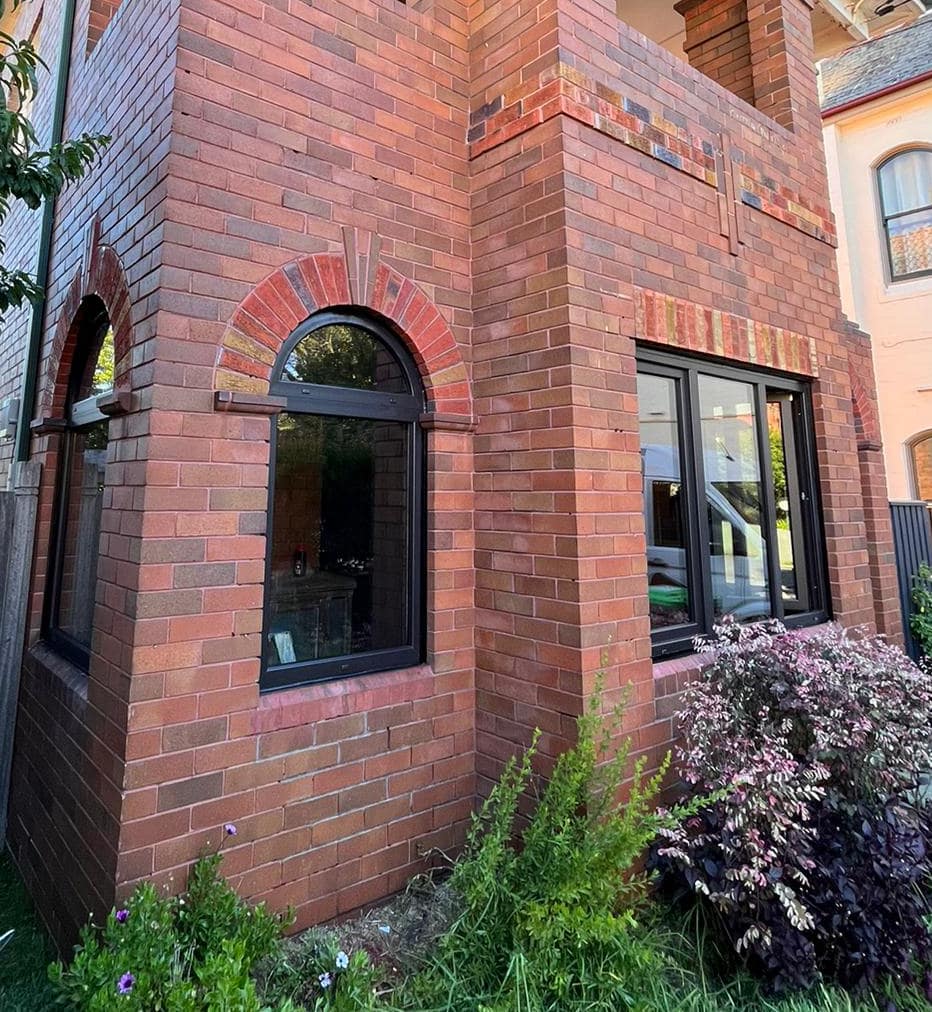
Why Older Plastic Windows Often Have a Bad Reputation
Many homeowners still associate plastic windows with the cheap PVC systems that were installed 20–30 years ago. And to be fair, those older windows earned their poor reputation — they were known for issues like weak insulation, leaky seals, condensation problems, and disappointing durability.
However, in most cases the problem wasn’t with uPVC as a material, but with how basic and underdeveloped the technology was at the time.
Modern uPVC window systems are vastly different from those early generations. Thanks to big improvements in frame design, glazing, sealing technology, and overall build quality, today’s uPVC windows work much better in real life.
If you’re comparing replacement options now, seeing how far these systems have come explains why modern uPVC windows feel so different from the old ones.
How Early PVC Window Systems Were Different
The first widely used PVC window systems were quite simple in construction.
Compared to modern designs, older systems typically had:
- thinner frame profiles
- less effective sealing
- limited reinforcement
- simpler glazing configurations
Many of the early installations came with single glazing. Compared to today’s insulated glass units, it was nowhere near as effective at keeping heat in or blocking sound.
Because of this, those old PVC windows often had real issues — poor temperature control, condensation problems, noise coming through, and seals that didn’t last.
This is exactly why many homeowners still have a negative impression of plastic windows today.
The Shift Towards High-Performance Window Systems
As building standards improved, people’s expectations for windows also changed.
Homeowners began wanting:
- lower energy costs
- quieter interiors
- more stable indoor temperatures
- reduced maintenance
This demand encouraged manufacturers to significantly upgrade both the uPVC frames and the glazing systems.
Over time, modern window systems evolved from simple plastic frames holding glass into properly engineered products.
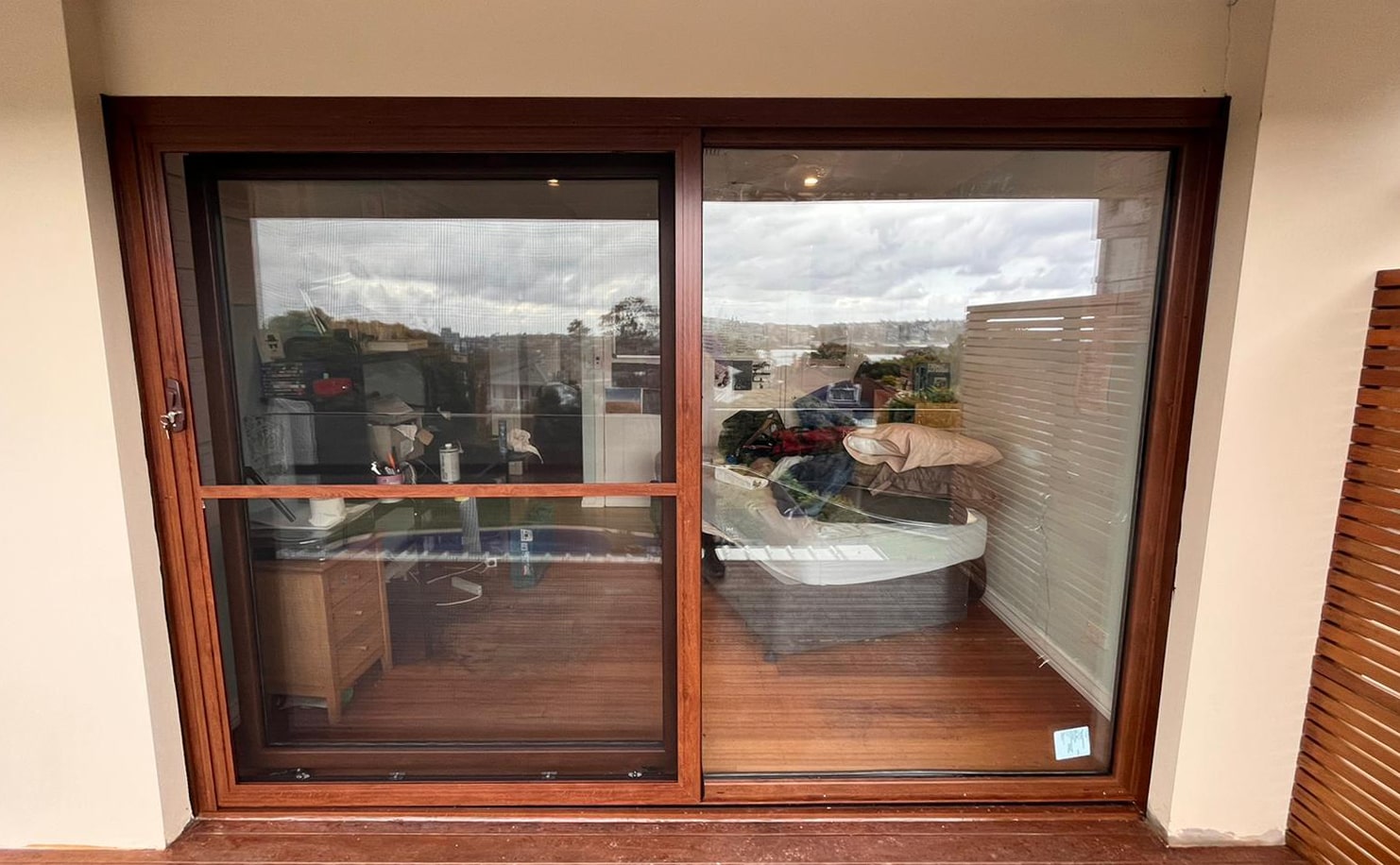
Modern Frame Design Is Far More Advanced
Multi-chamber technology
One of the biggest improvements is the internal structure of the frame itself.
Modern uPVC frames feature multiple internal chambers. The chambers are designed to minimise heat transfer through the frame and at the same time increase its strength and rigidity. This creates a real thermal barrier inside the profile, significantly boosting the window’s insulation performance.
Improved reinforcement
Older systems often relied on basic structural support. Modern systems use more advanced reinforcement methods that deliver better long-term stability.
Better dimensional stability
Today’s uPVC formulations are designed to stay stable under temperature changes and UV exposure, helping the seals remain effective for many years.
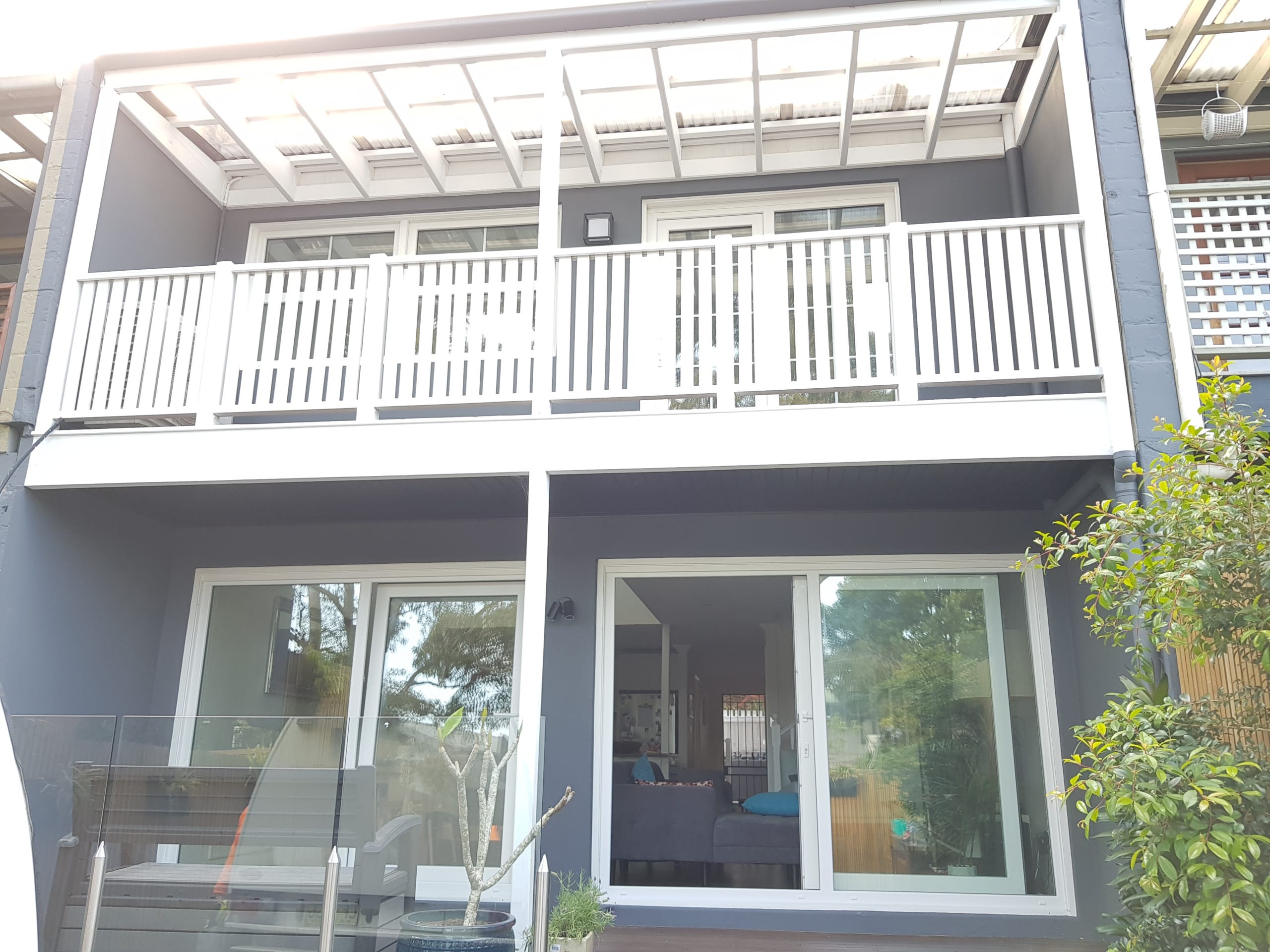
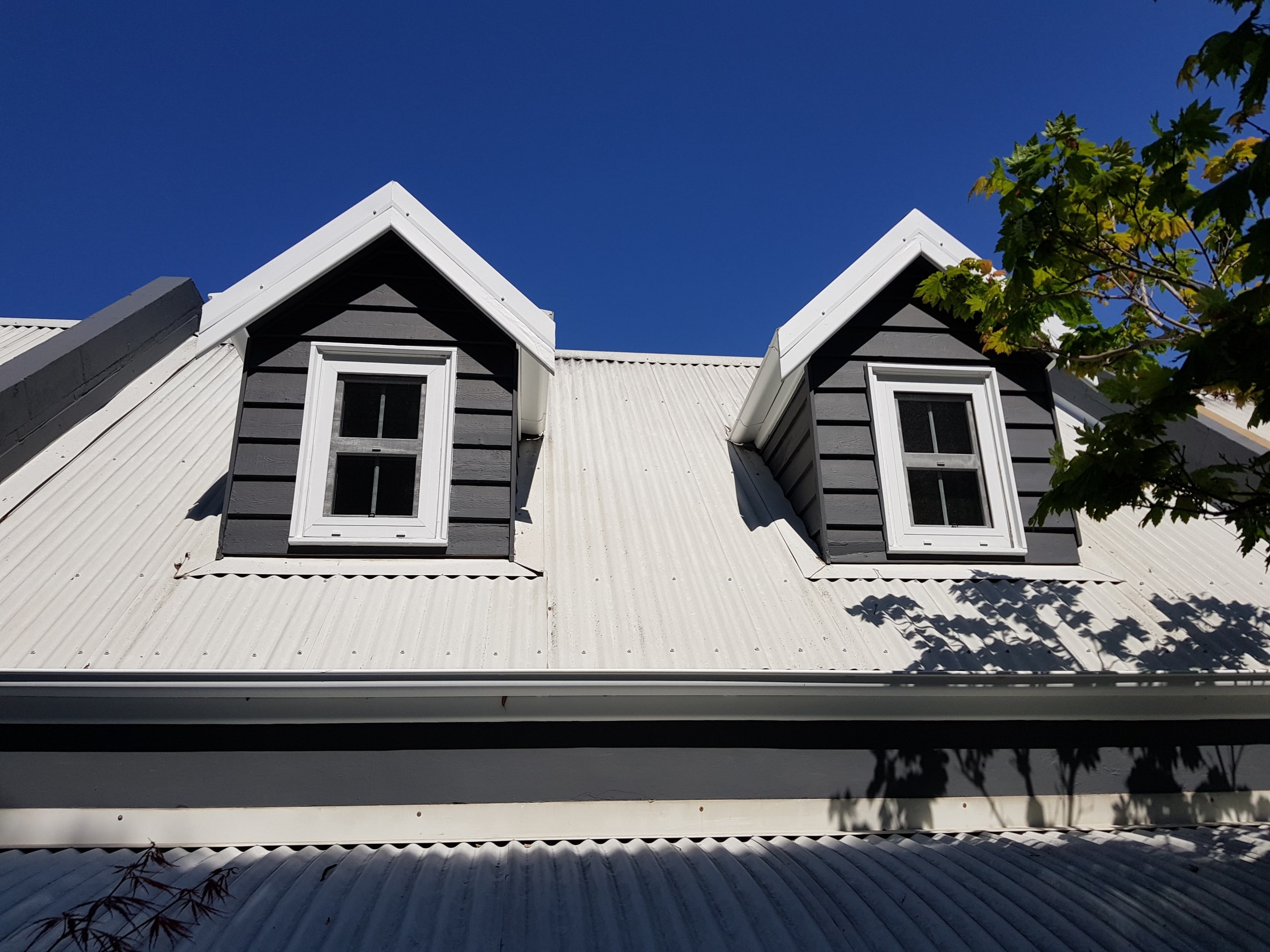
Today’s uPVC windows in Sydney are specifically engineered to cope with Australian conditions while providing reliable long-term performance.
Why Sealing Technology Makes a Major Difference
In many homes, air leakage around the windows affects comfort even more than the frame material itself.
Back then the seals were pretty basic and didn’t last very well. Over time small gaps would appear, and that was enough for drafts, moisture and outside noise to start coming through.
Modern uPVC systems use improved compression seals that maintain tight contact around the frame for much longer.
This results in better:
- thermal insulation
- acoustic performance
- weather resistance
Homeowners usually notice the difference straight away — both in everyday comfort and on their energy bills.


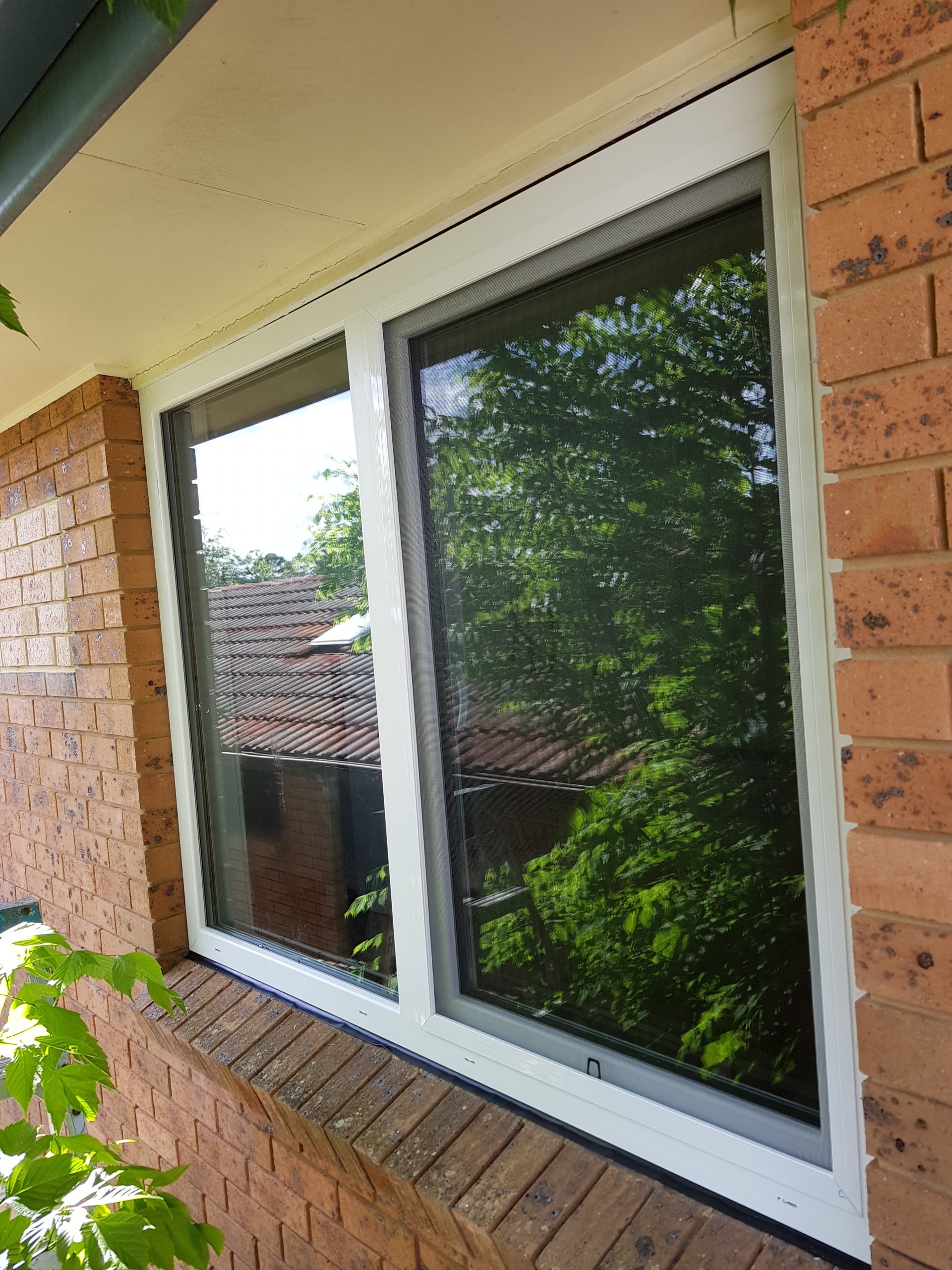
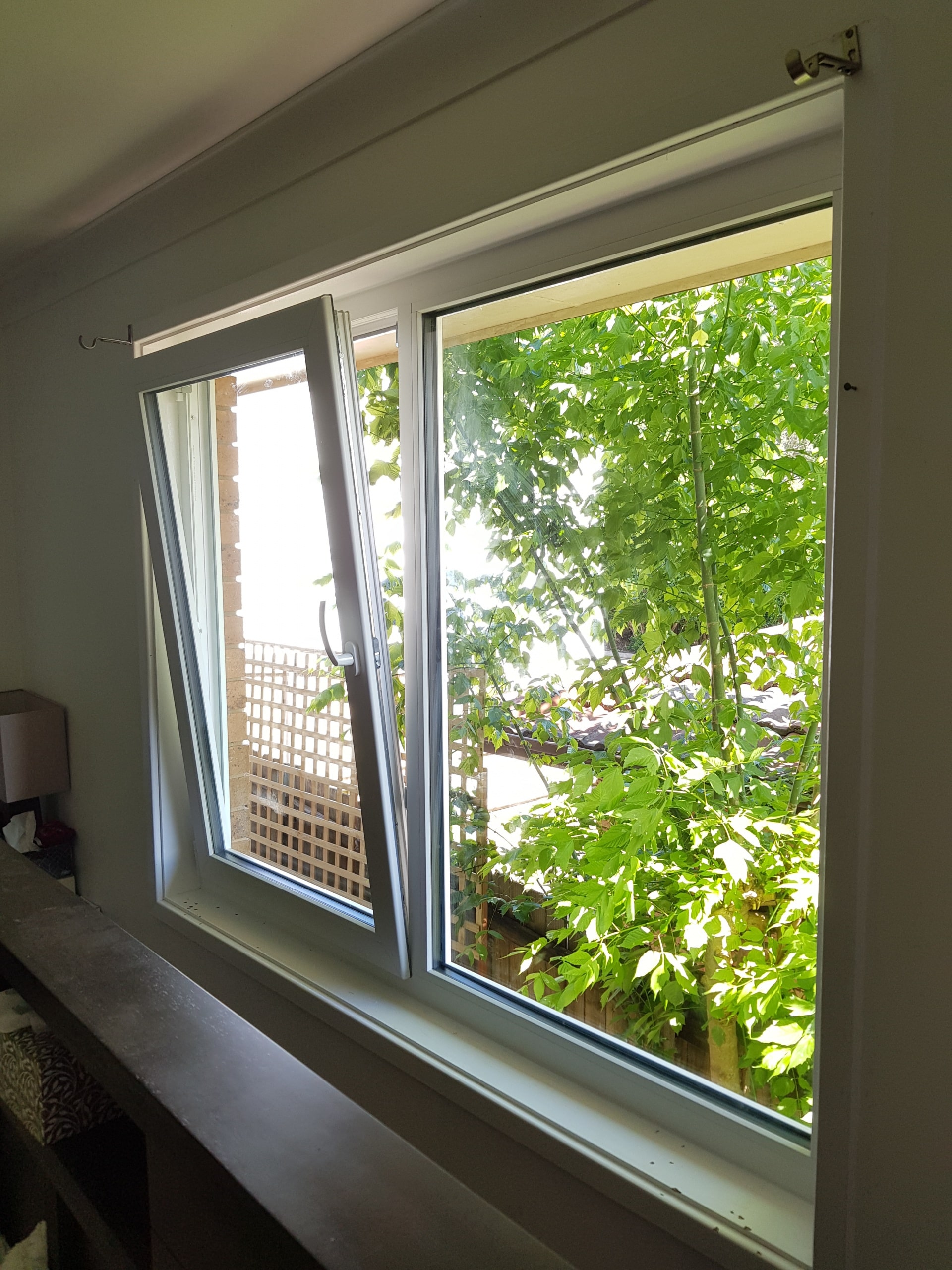
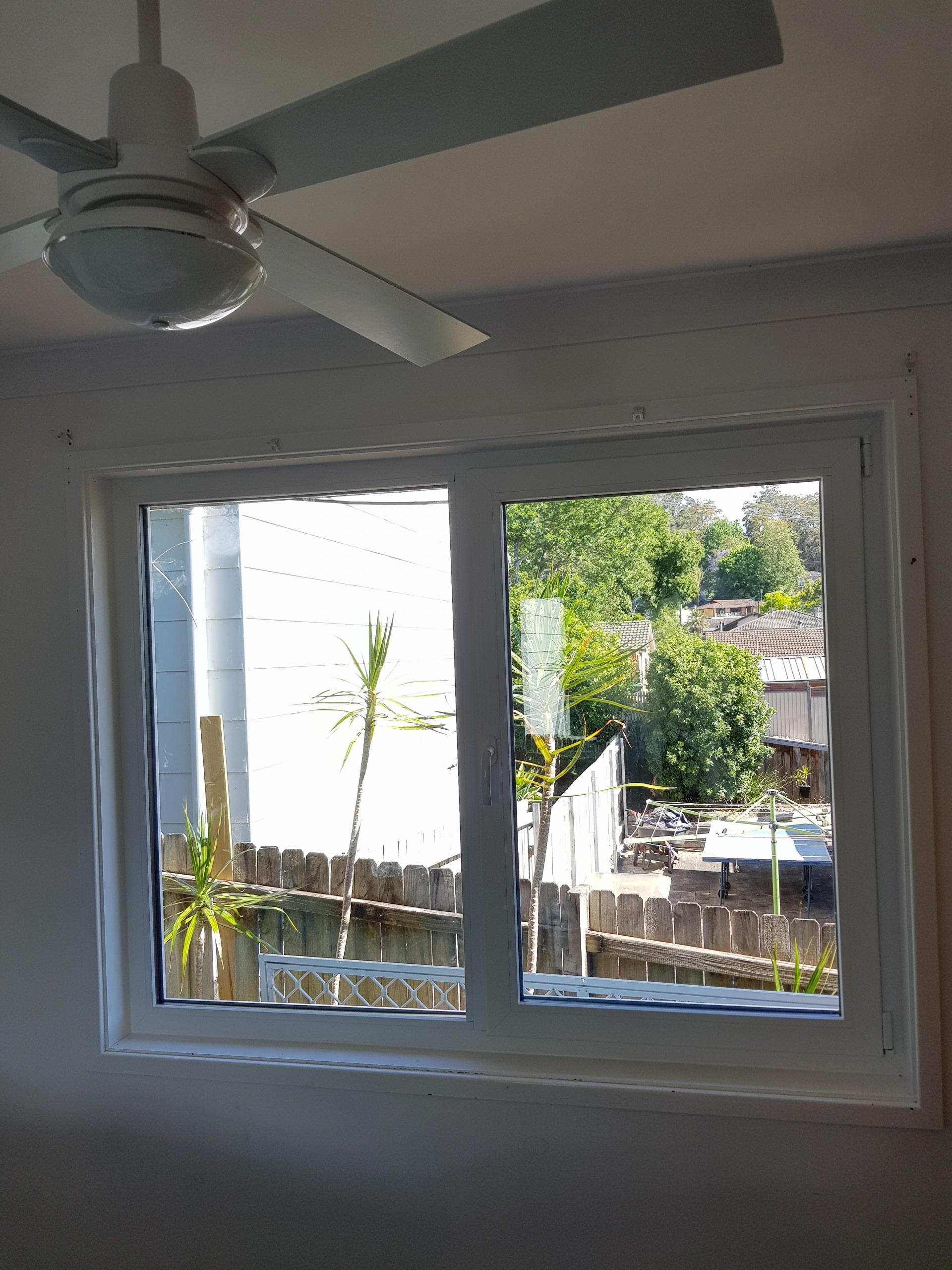
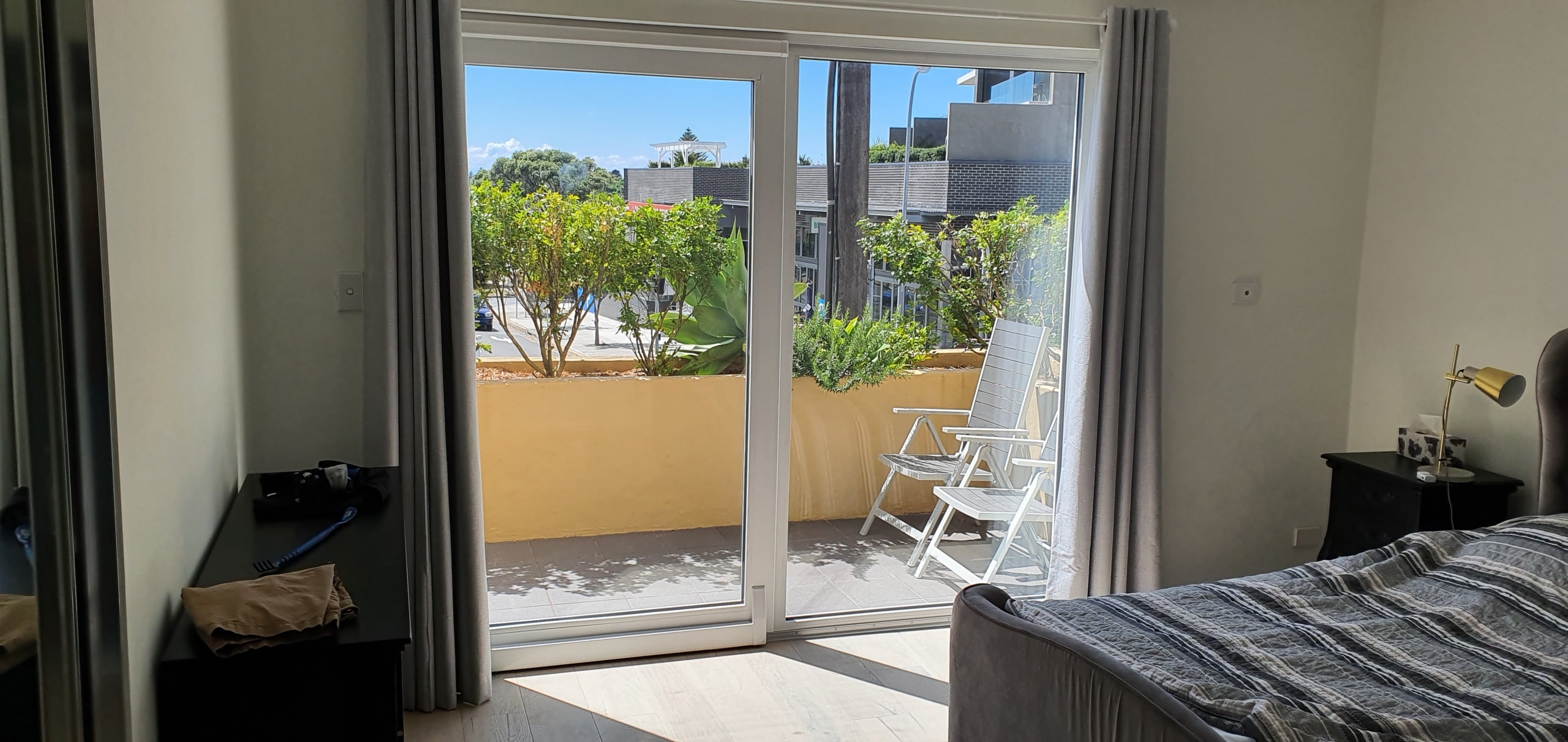

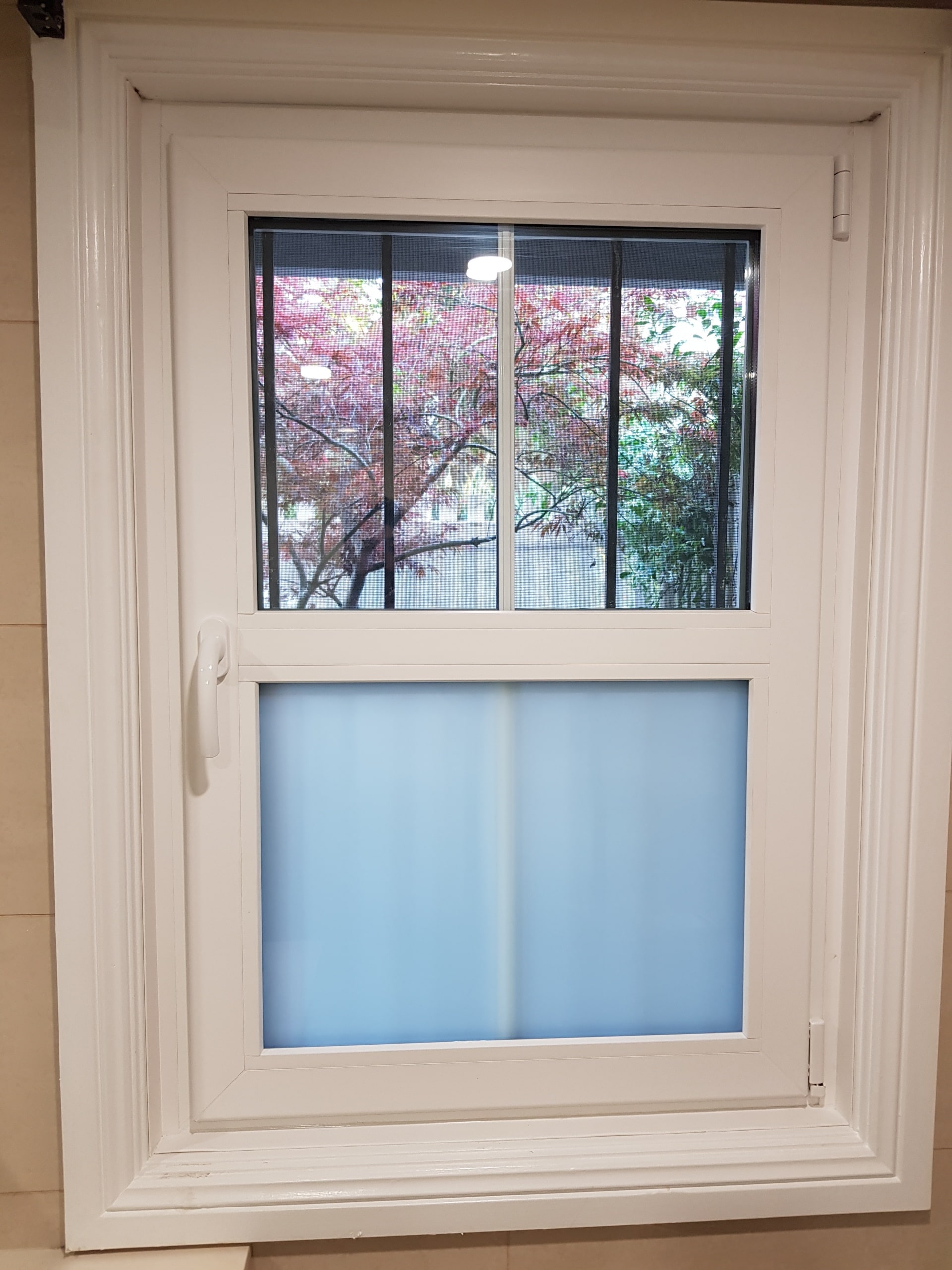
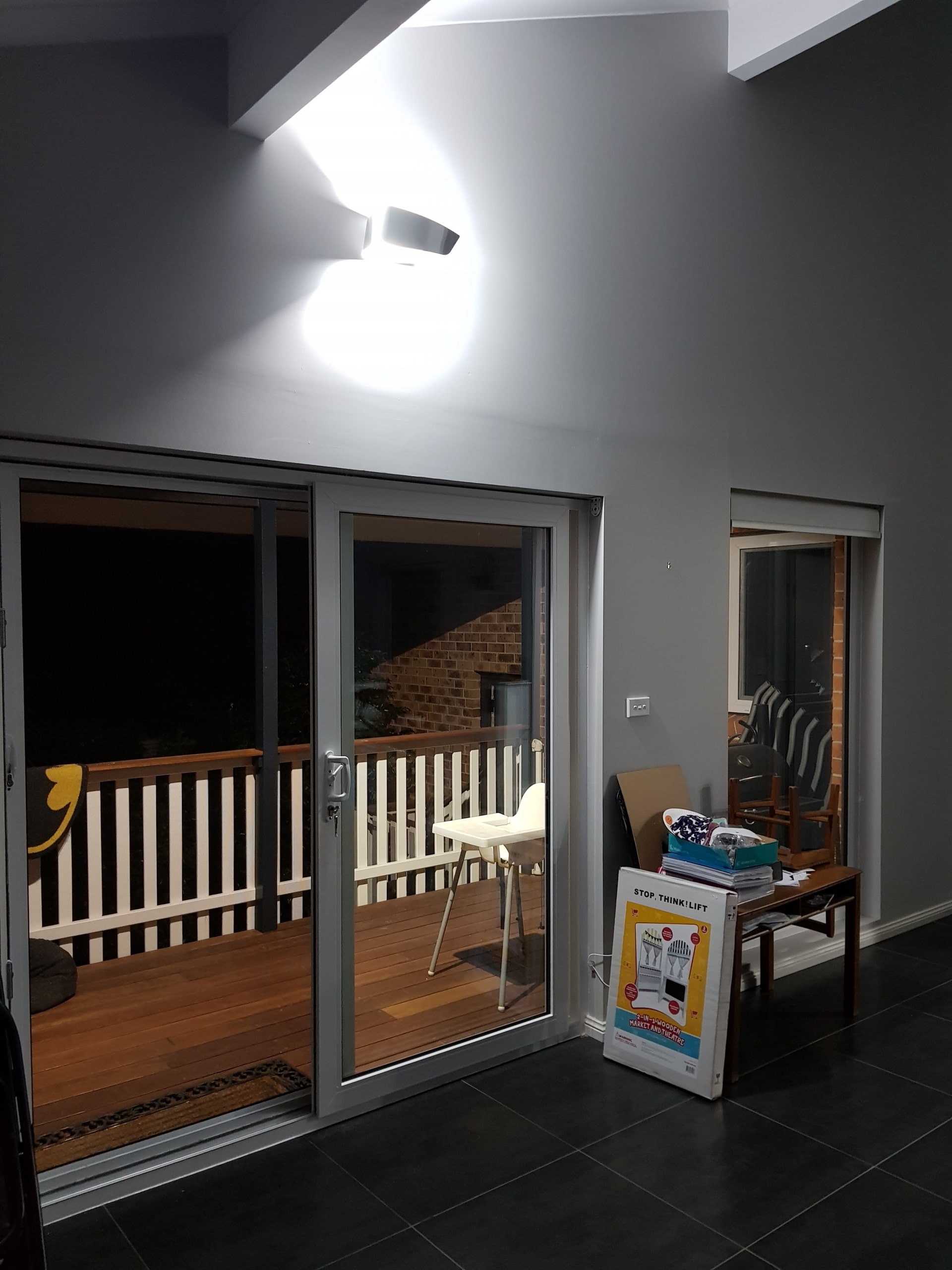

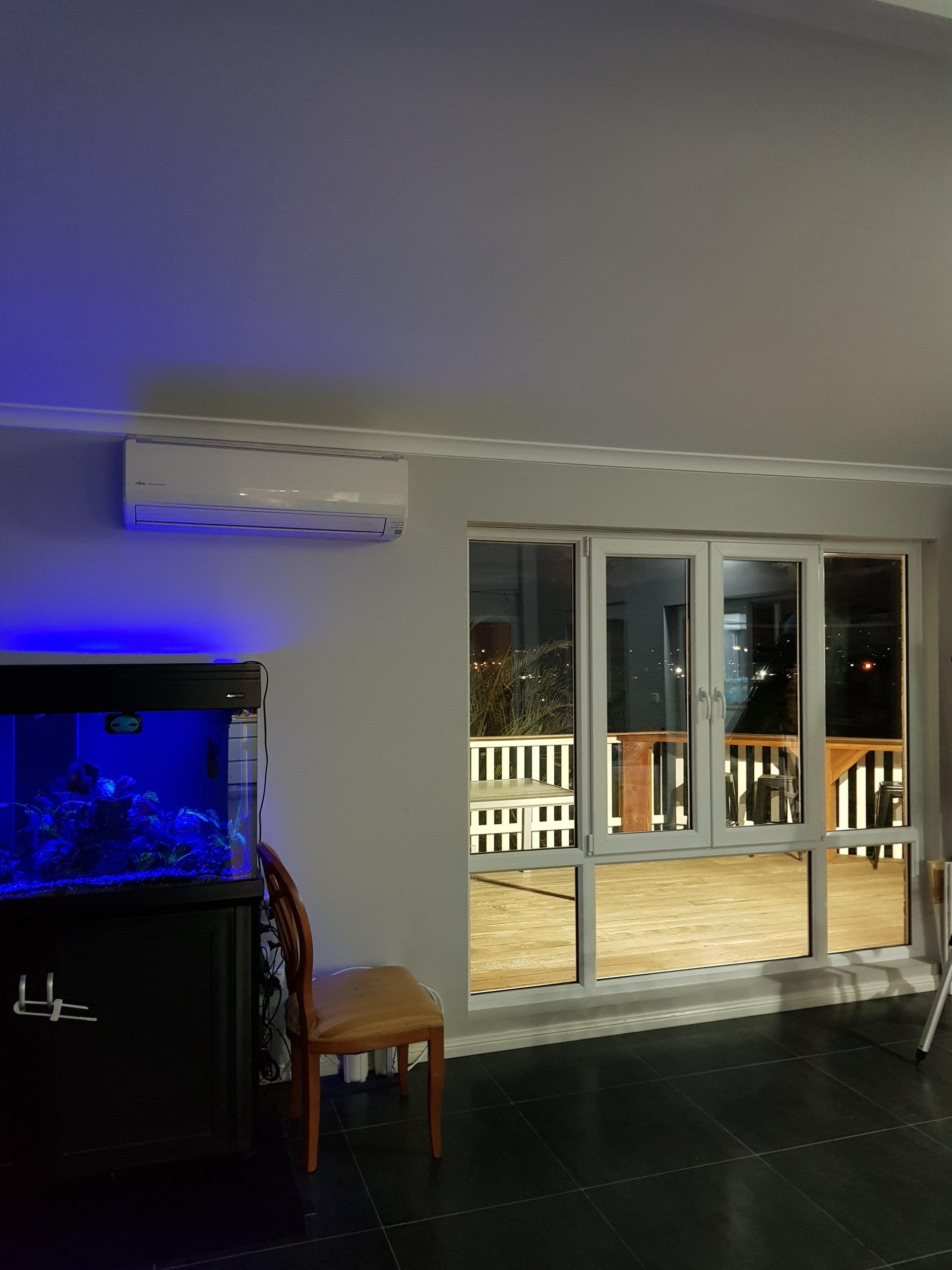
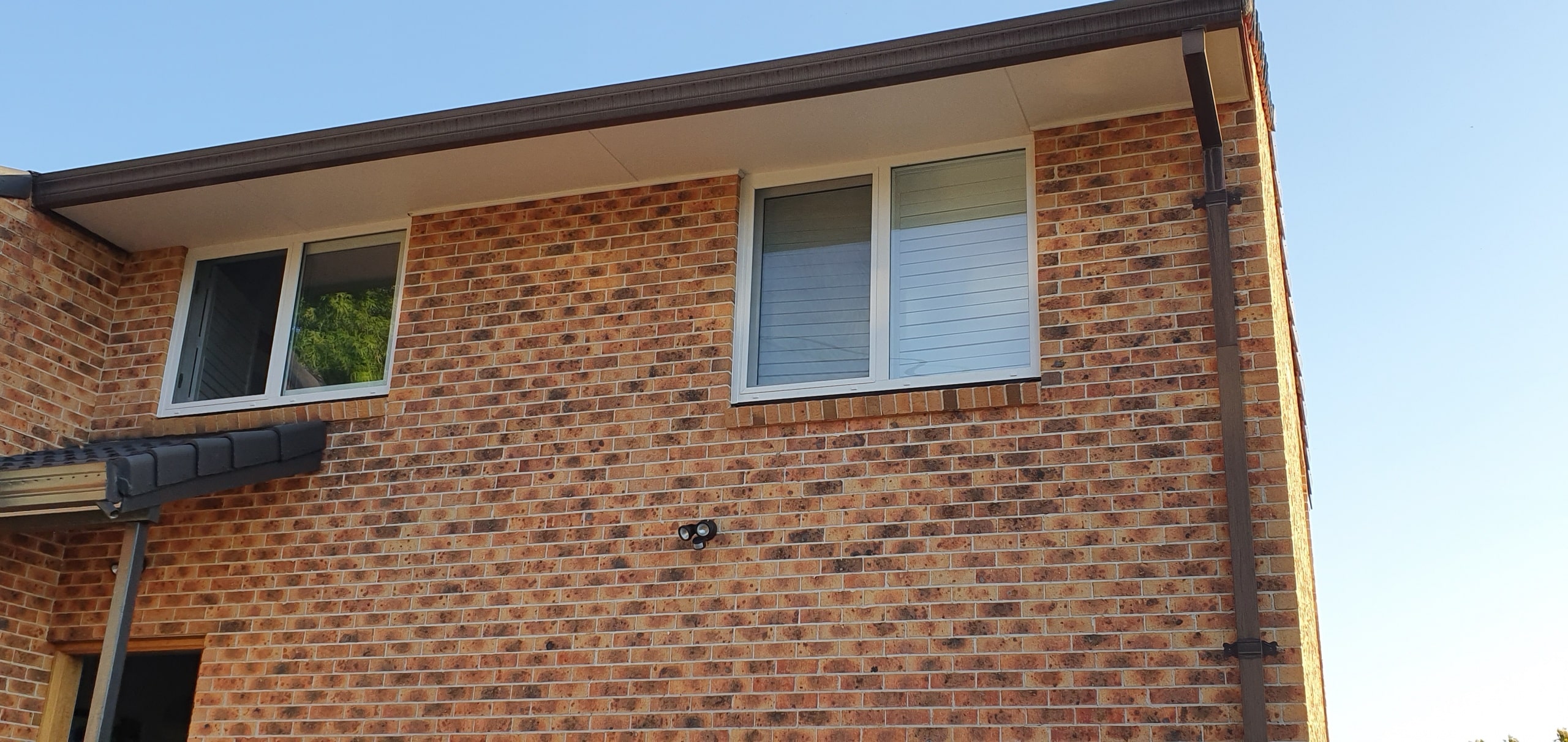

Modern Double Glazing Changed Window Performance Completely
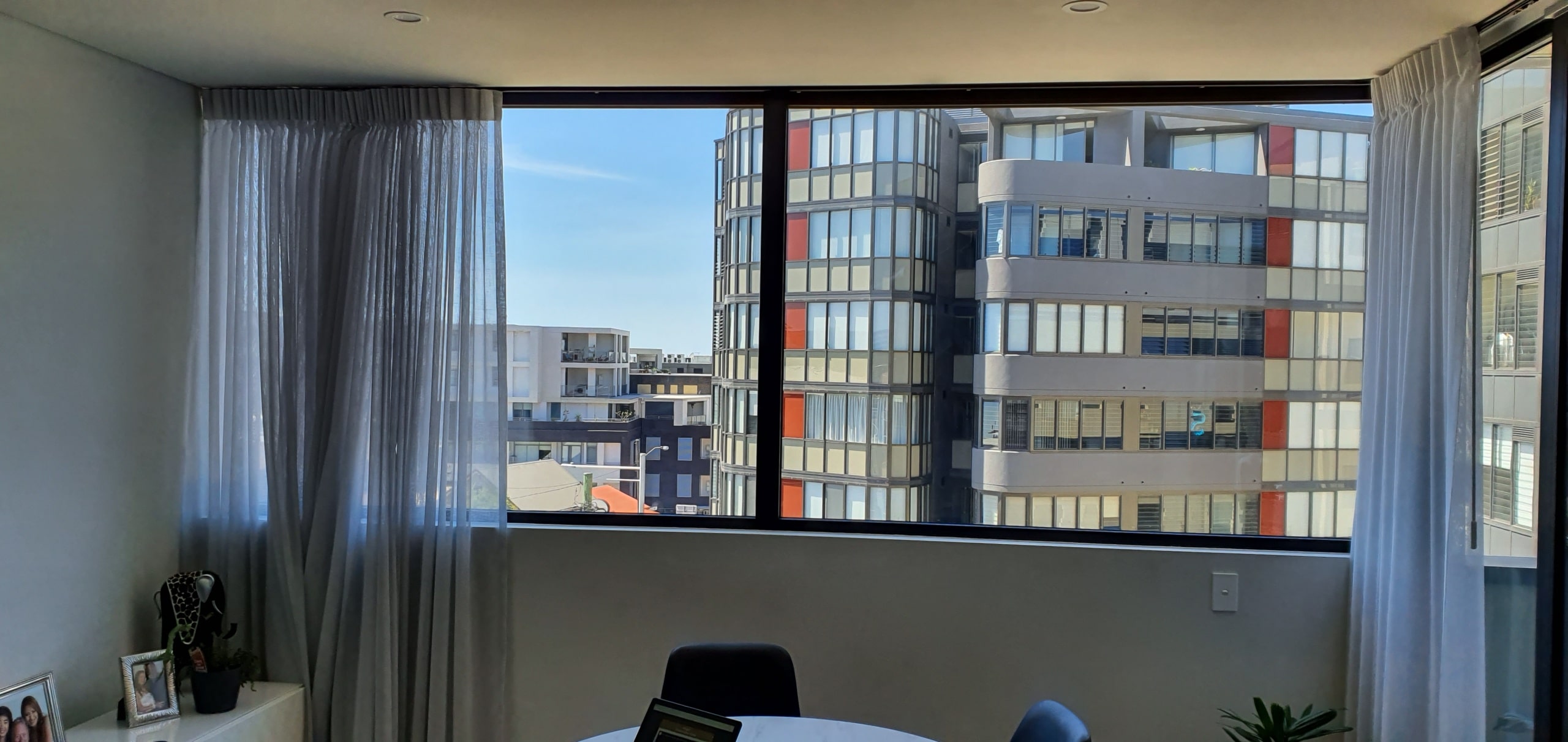
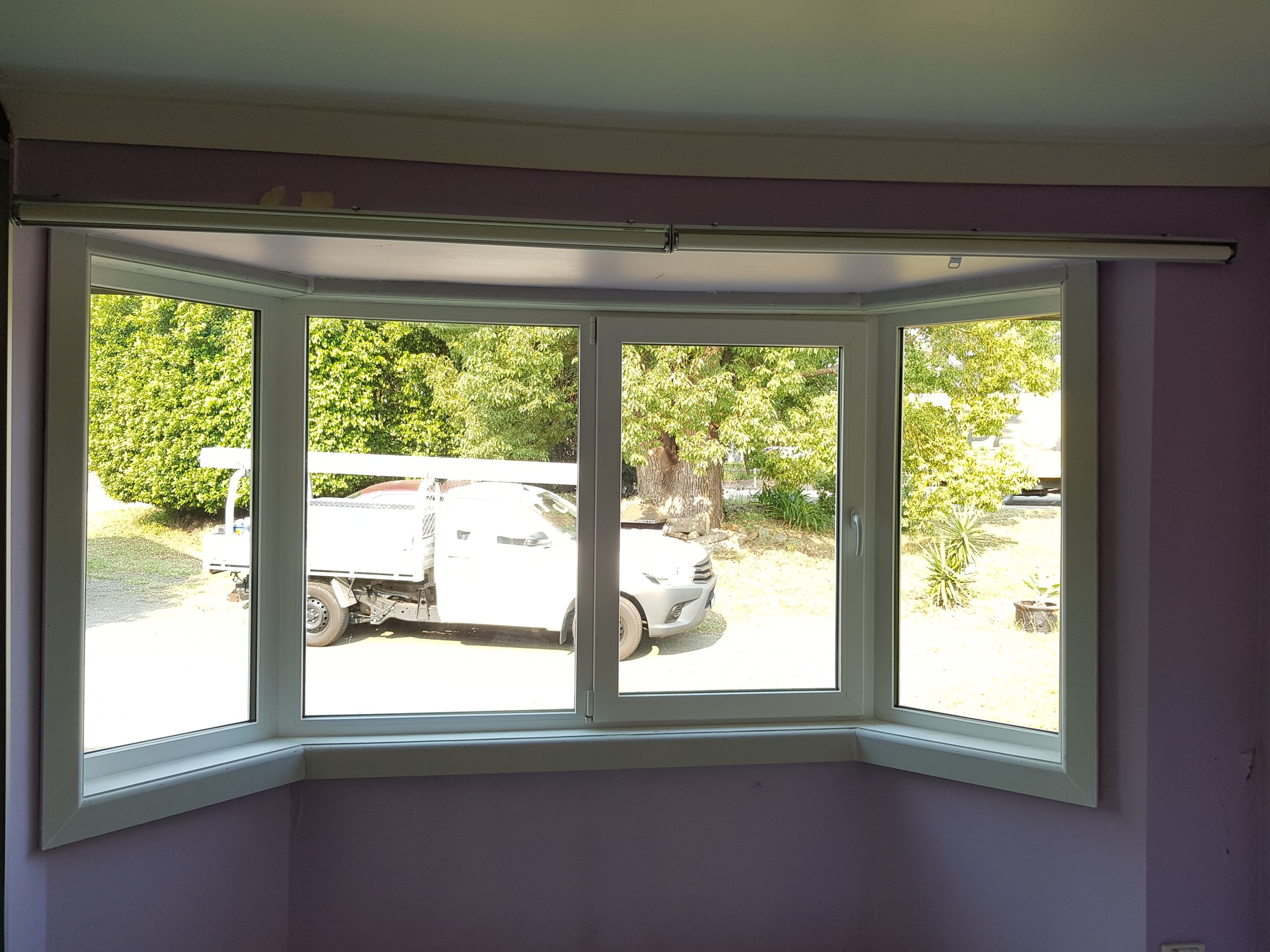
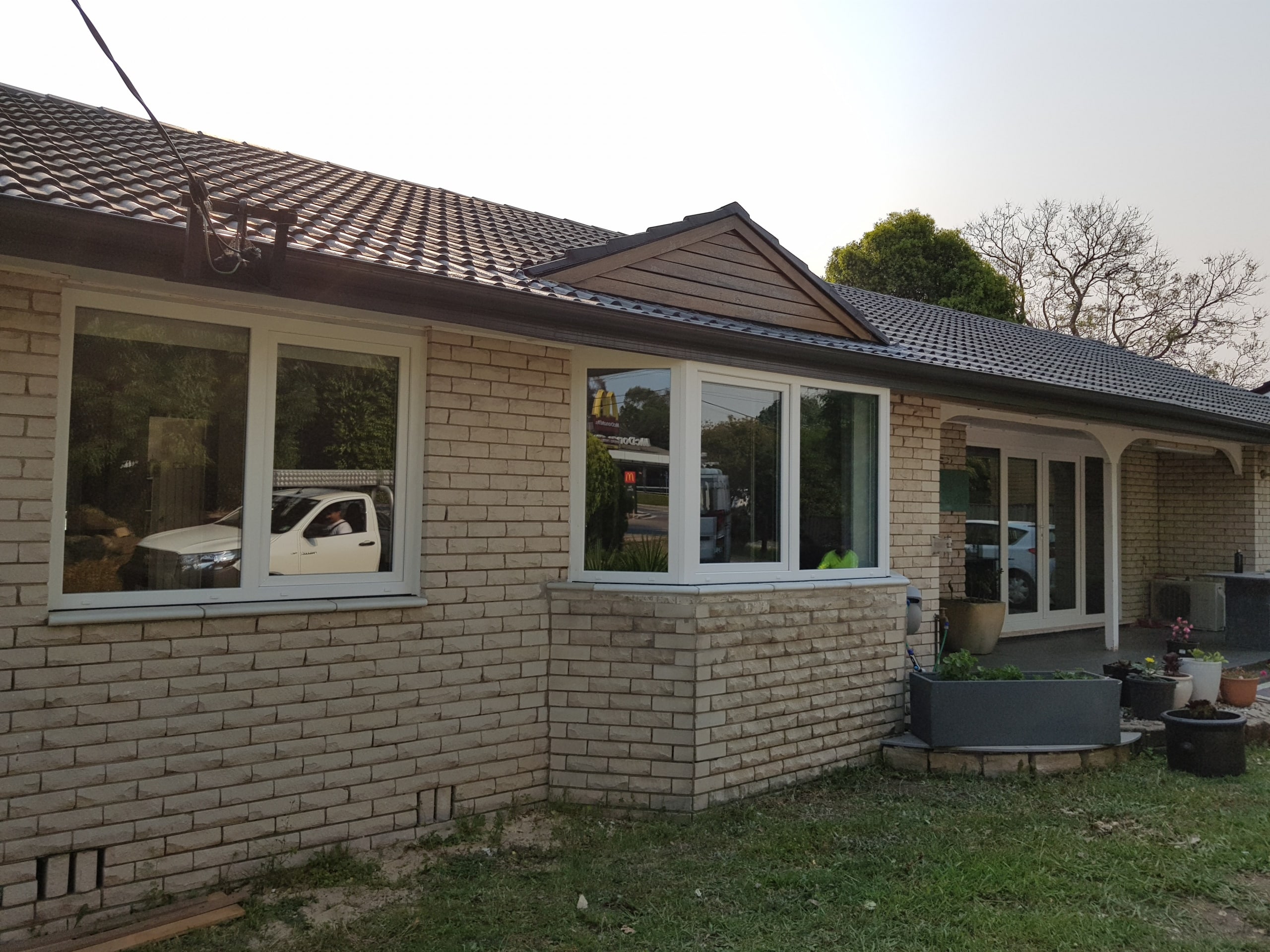
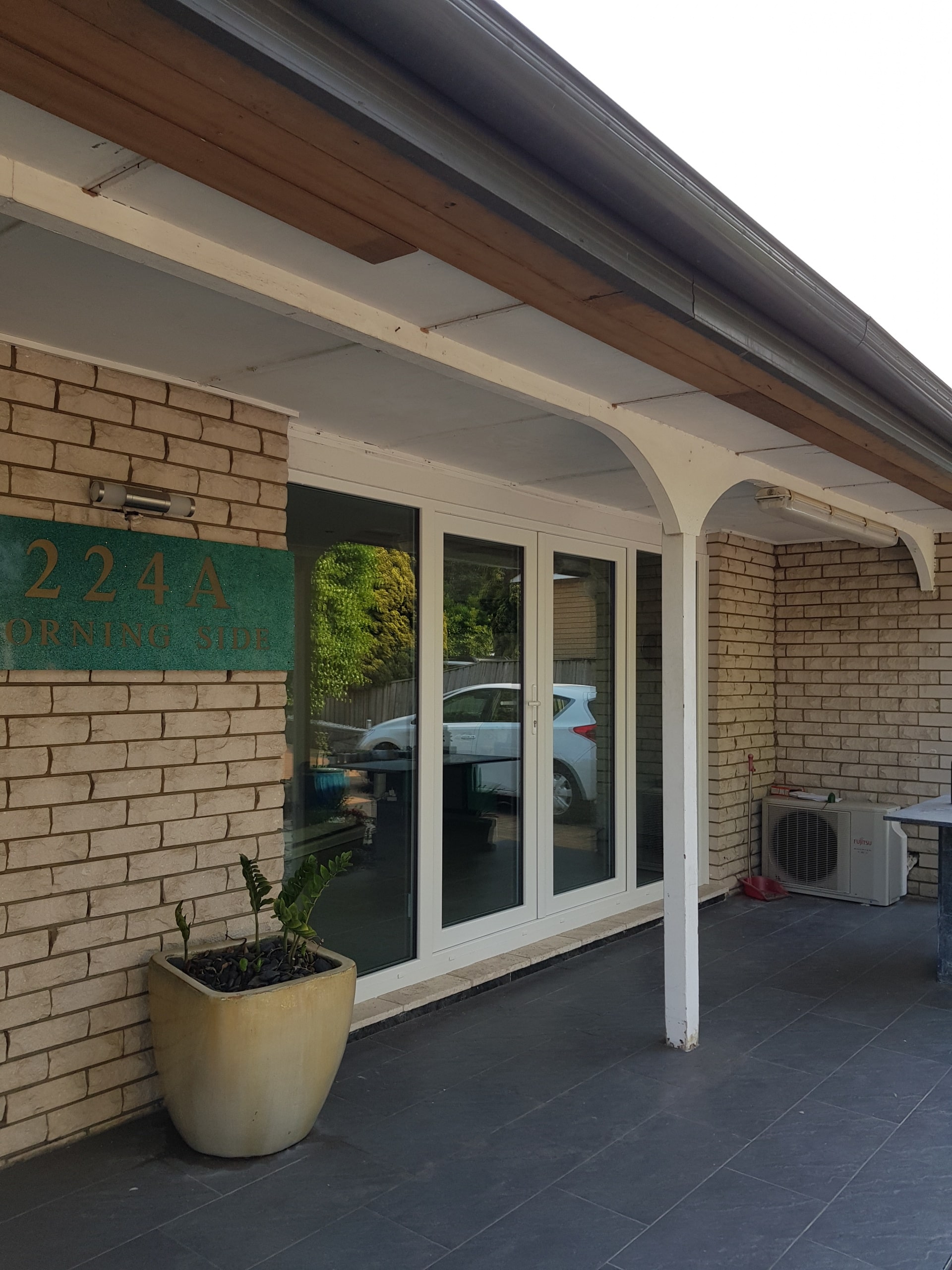
One of the biggest improvements is the now standard use of insulated glazing.
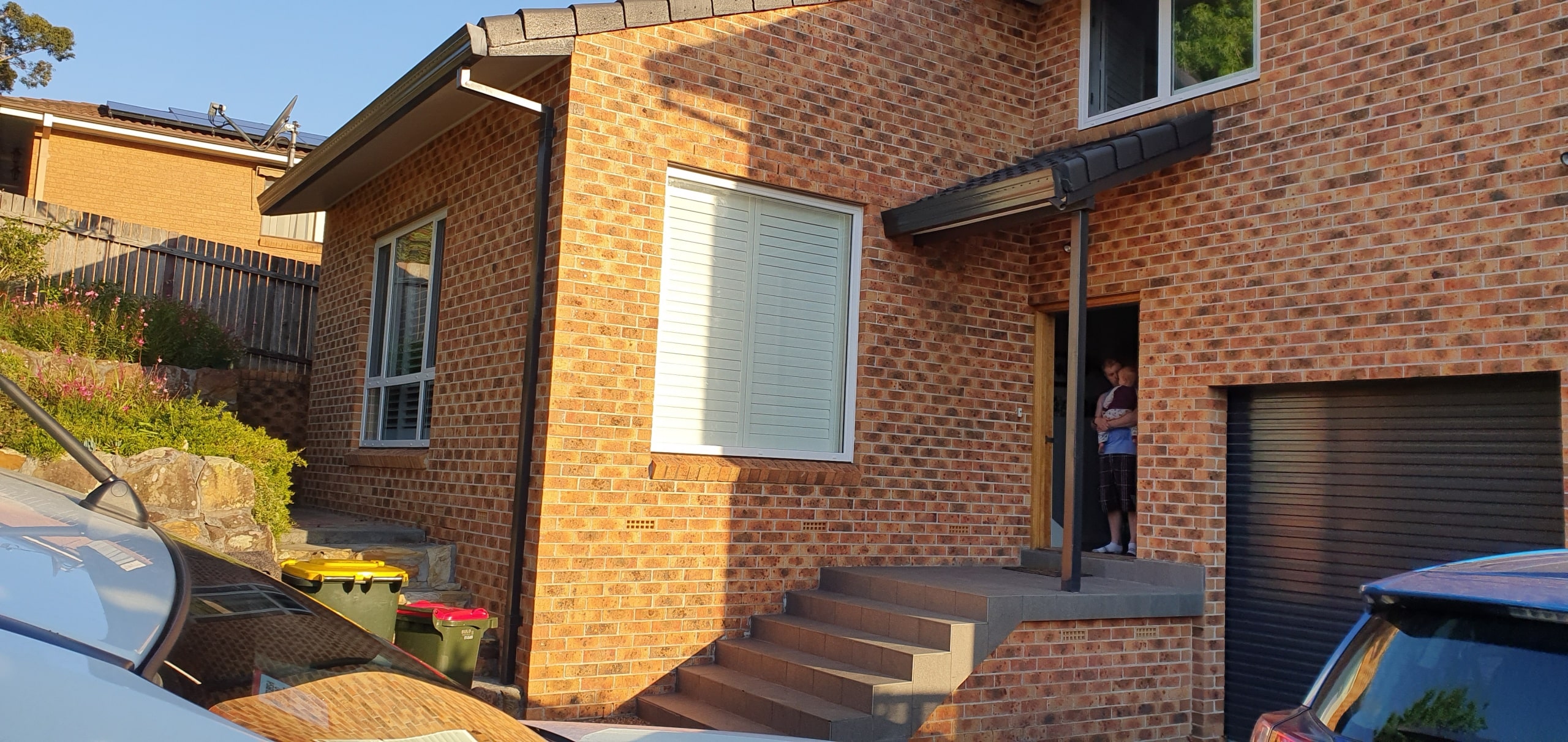
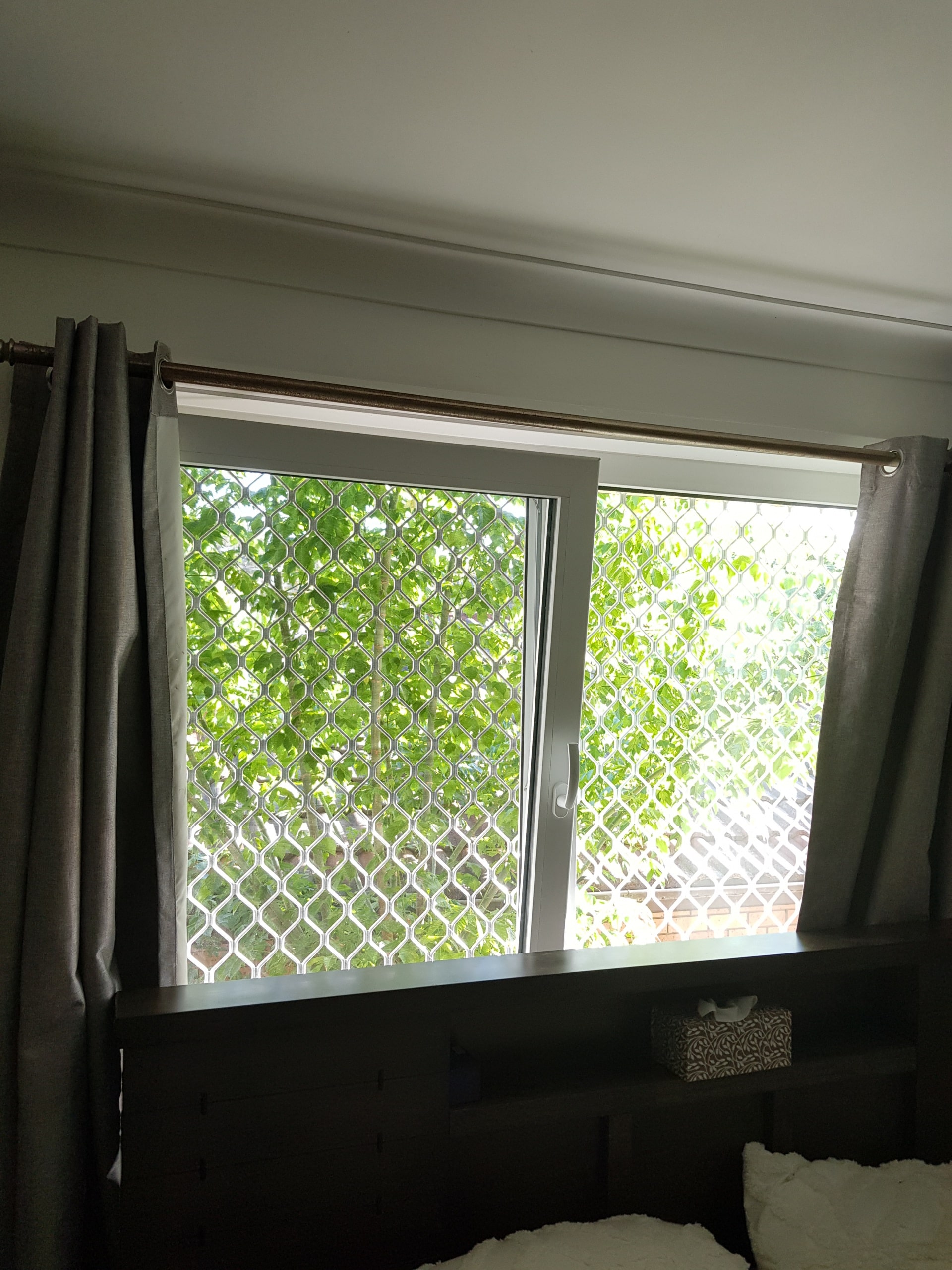
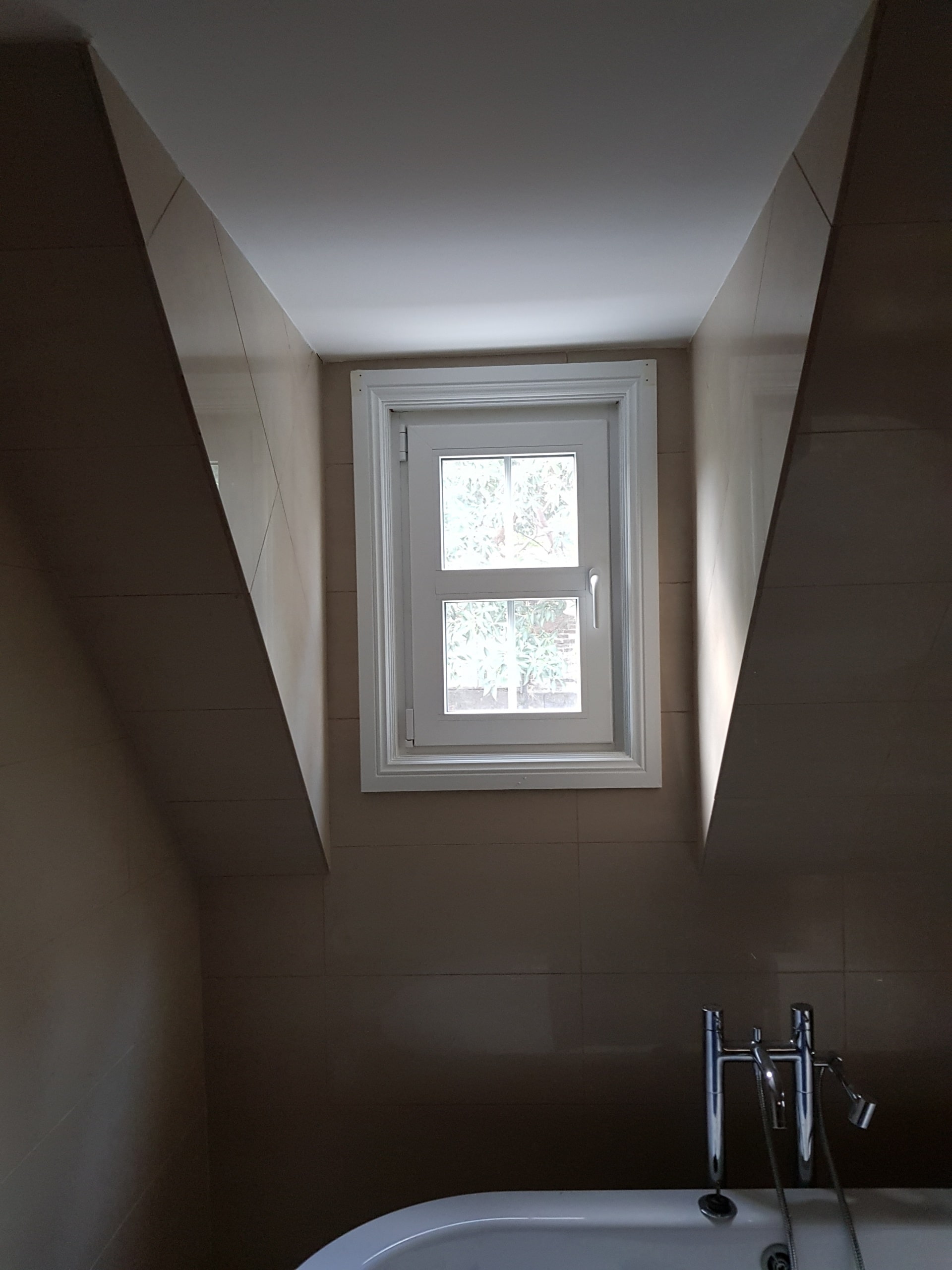
While older windows usually had only a single thin pane of glass (which let both heat and noise through easily), modern uPVC systems typically come with double glazing — two panes of glass with a sealed gap filled with air or special gas in between.
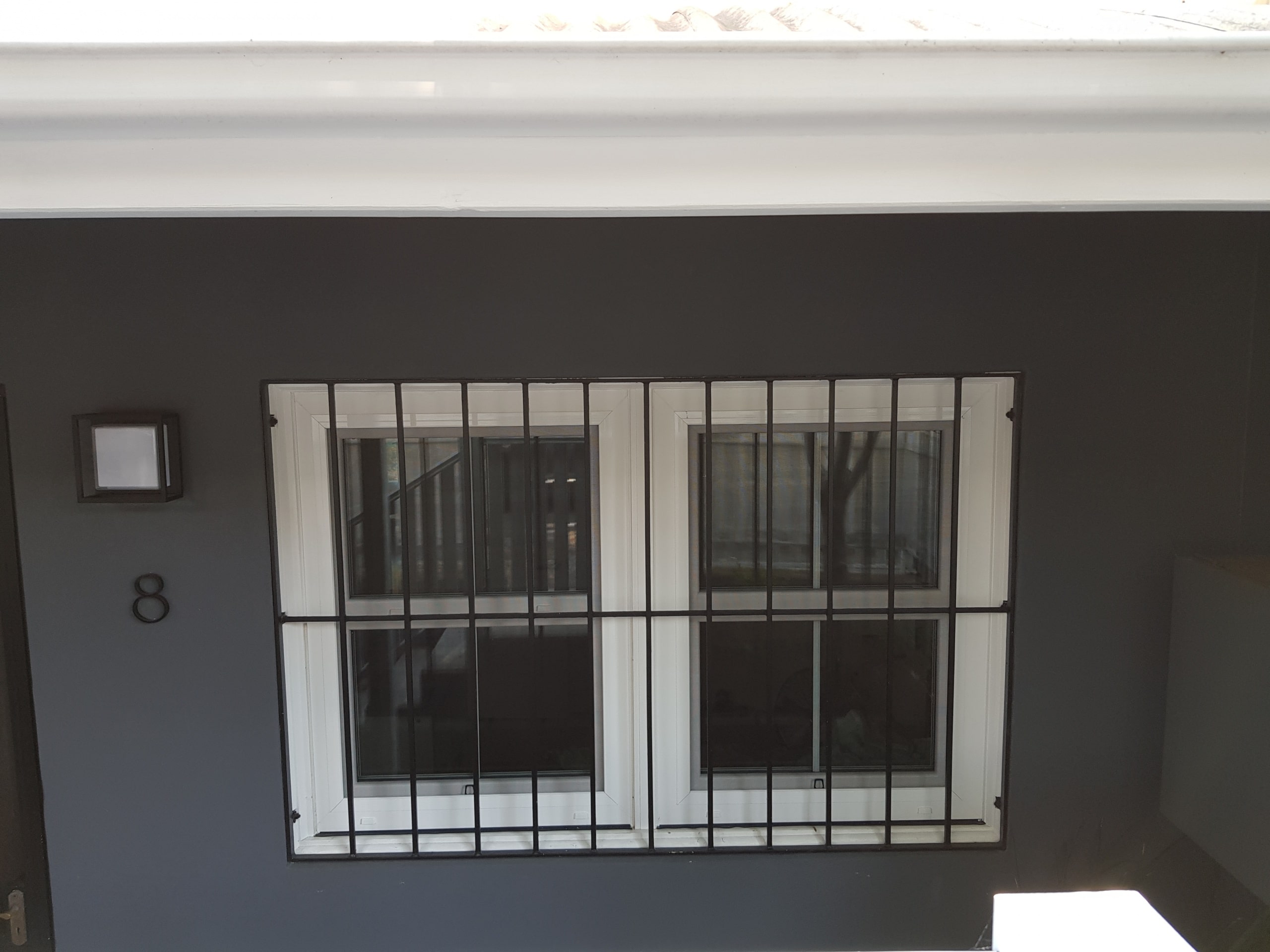
These modern double glazed windows in Sydney do an excellent job of reducing heat loss, cutting down external noise, and maintaining comfortable indoor temperatures all year round.
When combined with today’s sealing systems, the improvement over older PVC windows is substantial.
Noise Reduction Is Far Better Than It Used To Be
Many people who remember older plastic windows still think of them as poor at blocking noise.
In reality, modern uPVC systems perform very differently.
Today’s designs put strong emphasis on airtightness. Better seals, more stable frames, and insulated glazing work together to reduce sound transmission much more effectively than earlier systems.
For homes near roads, schools, or busy suburban areas, this can make a genuine difference to daily living.
Need a consultation?
Our operators will answer any questions
Modern uPVC Windows Require Less Maintenance
Maintenance expectations have also changed a lot.
Older window systems often suffered from:
- discolouration
- seal deterioration
- operational problems over time
Modern manufacturing standards and material formulations have improved durability significantly.
Today’s uPVC systems:
- do not require repainting
- resist moisture and corrosion
- are much easier to maintain long term
For many homeowners, this low maintenance is one of the biggest practical advantages.
Energy Efficiency Standards Continue to Improve
As building standards continue to rise, modern windows are expected to contribute meaningfully to the home’s overall energy performance.
Current uPVC systems are designed to deliver:
- lower heat transfer
- reduced energy consumption
- more stable indoor temperatures
This is especially important in Australian homes that face strong sunlight and significant seasonal changes.
Installation Quality Matters More Than Many Homeowners Realise
Even the best window system in the world can underperform if the installation isn’t done right.
Poor alignment or weak perimeter sealing can ruin the airtightness, insulation, and noise reduction.
That’s why professional installation is just as important as the quality of the windows themselves. It makes a huge difference in how well they perform over the long term.
The difference between a properly installed window and a poorly fitted one isn’t always visible immediately. Some problems only become noticeable during windy weather or after months of regular use. Our guide to why window installation quality matters explains what can go wrong and which installation details deserve attention before the work begins.
At Prestige Plus, we focus on both — supplying high-quality uPVC systems and ensuring they are installed properly for lasting comfort and reliability.
Why Modern uPVC Windows Continue to Gain Popularity
The reputation of modern uPVC systems is now based more on long-term practicality than just appearance or price.
Homeowners today typically prioritise:
- comfort
- energy efficiency
- reduced maintenance
- noise reduction
- long-term reliability
Modern window technology has developed specifically to meet these expectations.
Final Thoughts
You really shouldn’t judge today’s modern uPVC windows by the old PVC systems that were common decades ago.
The technology has come a very long way since then. Thanks to major improvements in frame design, sealing, glazing, and manufacturing quality, today’s windows perform on a completely different level in real homes.
For many homeowners, modern uPVC double glazed systems now offer an excellent all-round balance — strong insulation, effective noise reduction, solid durability, real comfort, and very little maintenance.
If you’re thinking about replacing your old windows, it’s worth speaking to a specialist. They can help you find the best solution for your home and your specific needs.
Get a quote
Contact us today to find out how Prestige Plus specialists can help you solve your problem
FAQ
Are modern uPVC windows different from older PVC windows?
Yes. Modern systems use improved frame structures, sealing technology, reinforcement, and insulated glazing that were not available in older PVC windows.
Why did older plastic windows perform poorly?
Many older systems used thinner frames, weaker sealing, and single glazing, which limited both insulation and acoustic performance.
Do modern uPVC windows improve energy efficiency?
Yes. Modern systems are designed to reduce heat transfer and help maintain more stable indoor temperatures.
Are modern uPVC windows better for noise reduction?
Yes. Improved airtightness and double glazing help reduce outside noise much more effectively than older systems.
Do modern uPVC windows require repainting?
No. uPVC frames are designed to maintain their appearance without regular repainting.
Why do modern systems use multi-chamber frames?
Internal chambers help improve insulation and structural stability.
Can modern uPVC windows reduce condensation?
Modern insulated glazing and improved sealing can help reduce condensation compared with older window systems.
Are modern uPVC windows suitable for Australian conditions?
Yes. They are designed to handle UV exposure, humidity, and changing temperatures.
Is installation important for window performance?
Absolutely. Even high-quality windows depend on correct installation to achieve proper sealing and insulation.
Why are more homeowners choosing modern uPVC windows today?
Because they offer a strong combination of comfort, energy efficiency, low maintenance, and long-term reliability.