
In this article:
1. How Casement Windows Work
2. How Double-Hung Windows Work
3. Which Gives Better Ventilation?
4. Casement Windows Usually Provide a Larger Clear Opening
5. Double-Hung Windows Do Not Need Swing Space
6. Which Works Better Above Furniture?
7. Which Is Easier to Clean?
8. What About Flyscreens?
9. Which Gives the Better View?
10. Which Is Better for Traditional Homes?
11. Which Works Better in Modern Homes?
12. Energy Efficiency Depends on the Complete Window
13. What About Noise Reduction?
14. Which Is More Secure?
15. Maintenance Is Different
16. Which Is Better for Small Rooms?
17. Which Is Better for Bedrooms?
18. Which Is Better for Kitchens?
19. Casement vs Double-Hung Windows: Quick Comparison
20. So Which Is Better: Casement or Double-Hung?
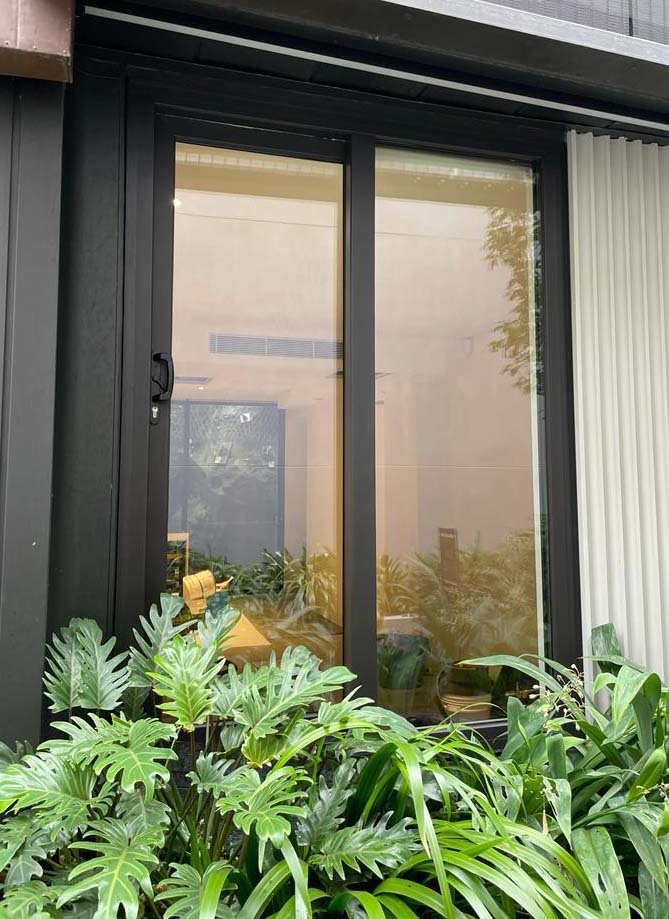
Casement and double-hung windows can both provide ventilation, natural light and a traditional window appearance, but they behave very differently once you start using them.
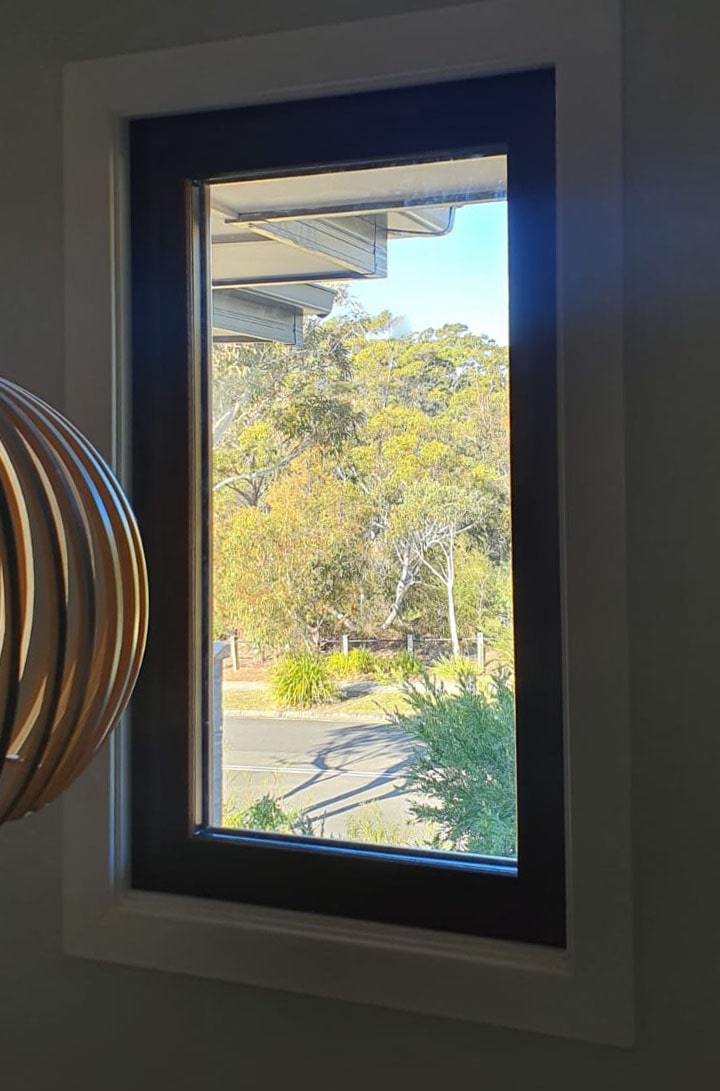
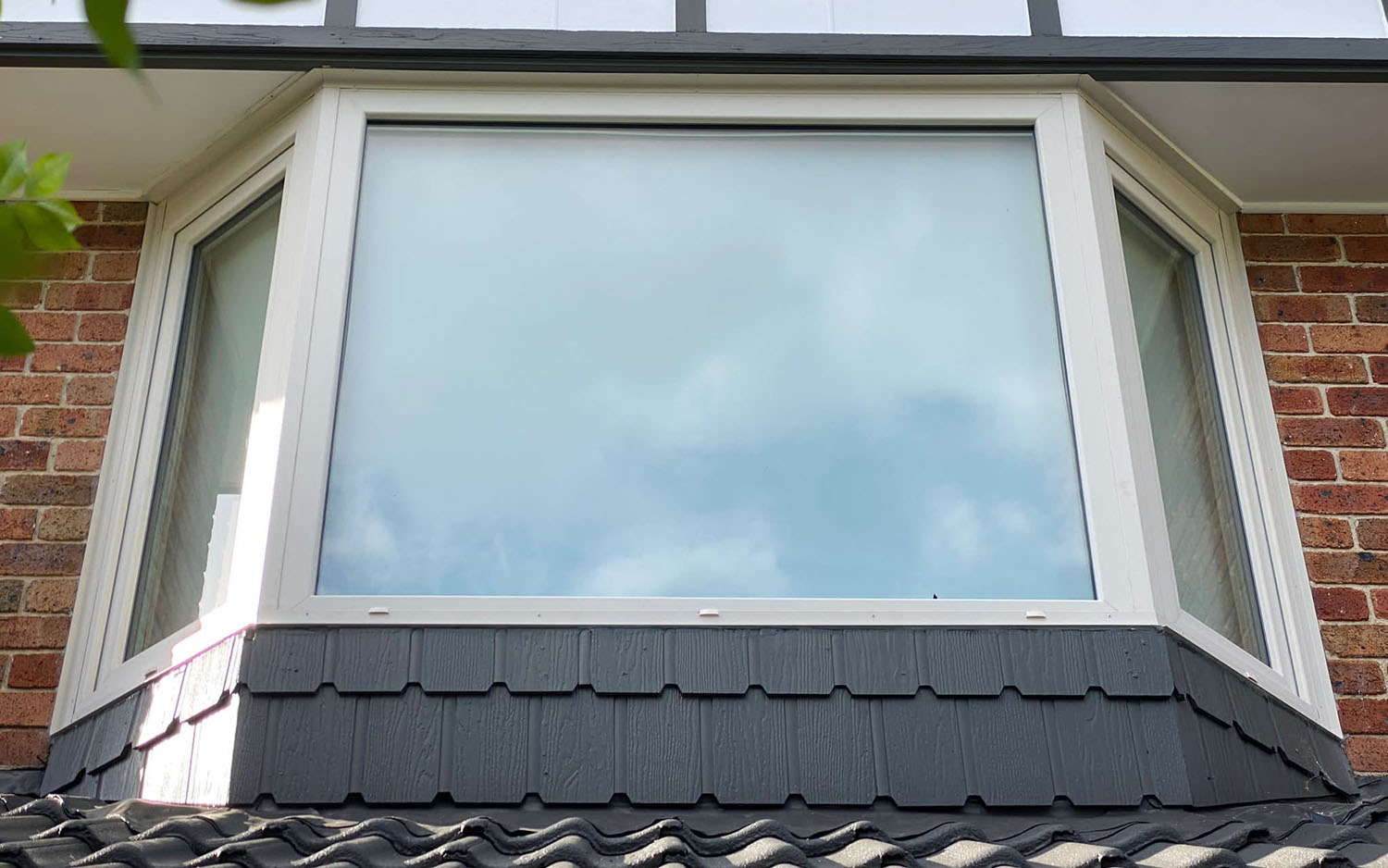
A casement window is hinged at the side and typically opens outward, although the exact operation depends on the system. A double-hung window uses two vertically arranged sashes that move up and down within the frame.
That difference affects much more than appearance.
It changes how much of the opening can be used for ventilation, whether the sash needs clear space around it, how the window is cleaned, where screens can be positioned and how the window works with furniture.
So which is better?
Neither type wins in every situation. The better choice depends on the room, the available space and how you expect to use the window.
How Casement Windows Work
A conventional casement window uses a sash hinged along one side.
When opened, the sash swings away from the frame.
This provides a large open area and allows air to move through most of the window opening.
Depending on the system, the sash may be operated directly with a handle or through specialised hardware.
Some uPVC systems also offer tilt-and-turn operation, but that is a separate hardware configuration rather than a feature of every casement window.
If you want a more basic explanation of the configuration, our guide to casement windows covers the format in more detail.

How Double-Hung Windows Work
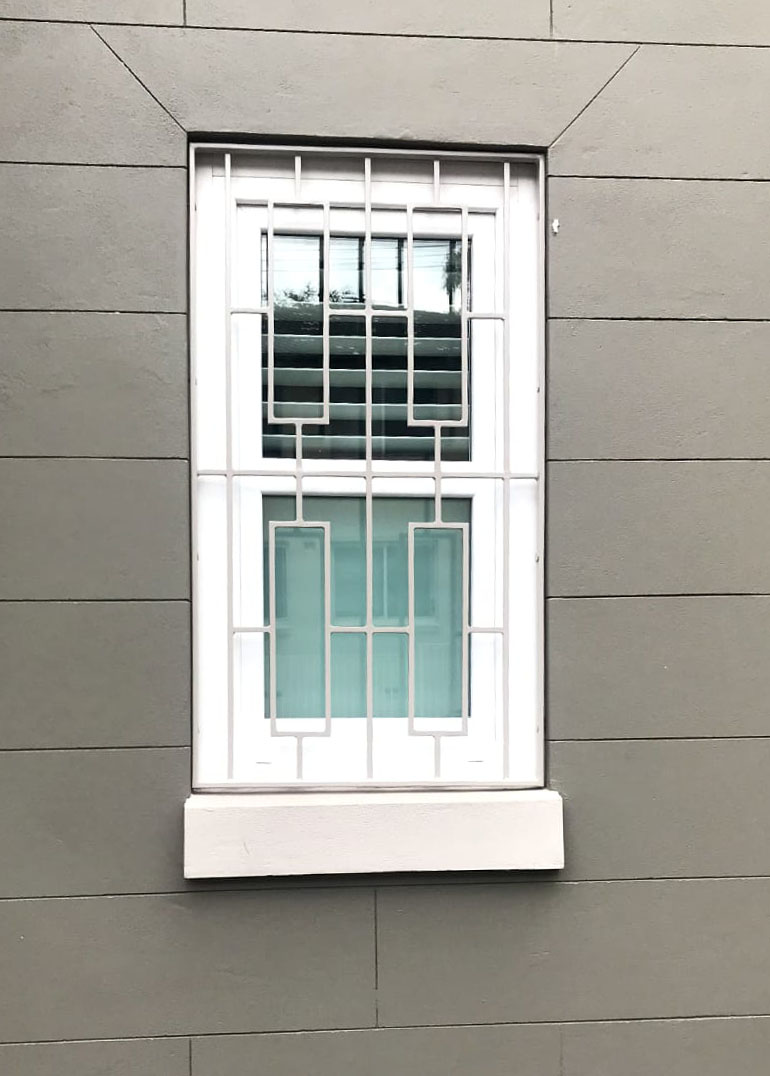
A double-hung window normally has two vertically arranged sashes.
The lower sash can move upward and the upper sash can move downward, allowing ventilation through different parts of the opening.
Some double-hung systems also allow the sashes to tilt inward for cleaning.
Because the sashes remain within the plane of the frame, the window does not project into the room or outside when opened.
That can make double-hung windows useful where there is limited clearance around the opening.
Our existing guide to double-hung windows explains the basic configuration.
Which Gives Better Ventilation?
Both styles provide useful ventilation, but they do it differently.
A casement window can expose a large proportion of the opening when the sash is fully open.
Depending on the wind direction and sash position, the open panel can also help direct moving air into the room.
Double-hung windows provide more control over where the opening occurs.
You may open the lower sash, upper sash or both.
Opening both can encourage warm air to escape higher in the opening while cooler air enters lower down, although the actual airflow still depends on conditions outside and inside the building.
If maximum open area is the priority, casement windows usually have the advantage.
Casement is not the only outward-opening configuration worth considering. If you are also comparing hinged window styles, our guide to awning vs casement windows explains how the two differ in ventilation, weather protection and the way the sash uses the surrounding space.
If flexible top-and-bottom ventilation matters more, double-hung windows can be very practical.
Casement Windows Usually Provide a Larger Clear Opening
When a casement sash is fully open, much of the framed opening becomes available for airflow.
A double-hung window always retains at least one sash within part of the opening.
Even when both sashes move, they overlap within the frame rather than moving completely out of the aperture.
This means the effective open area is normally smaller.
That does not make double-hung windows inferior.
For everyday ventilation, maximum clear opening may simply not be necessary.
But if you want as much open area as possible from a relatively compact window, casement is worth considering.
Double-Hung Windows Do Not Need Swing Space
This is one of the clearest practical differences.
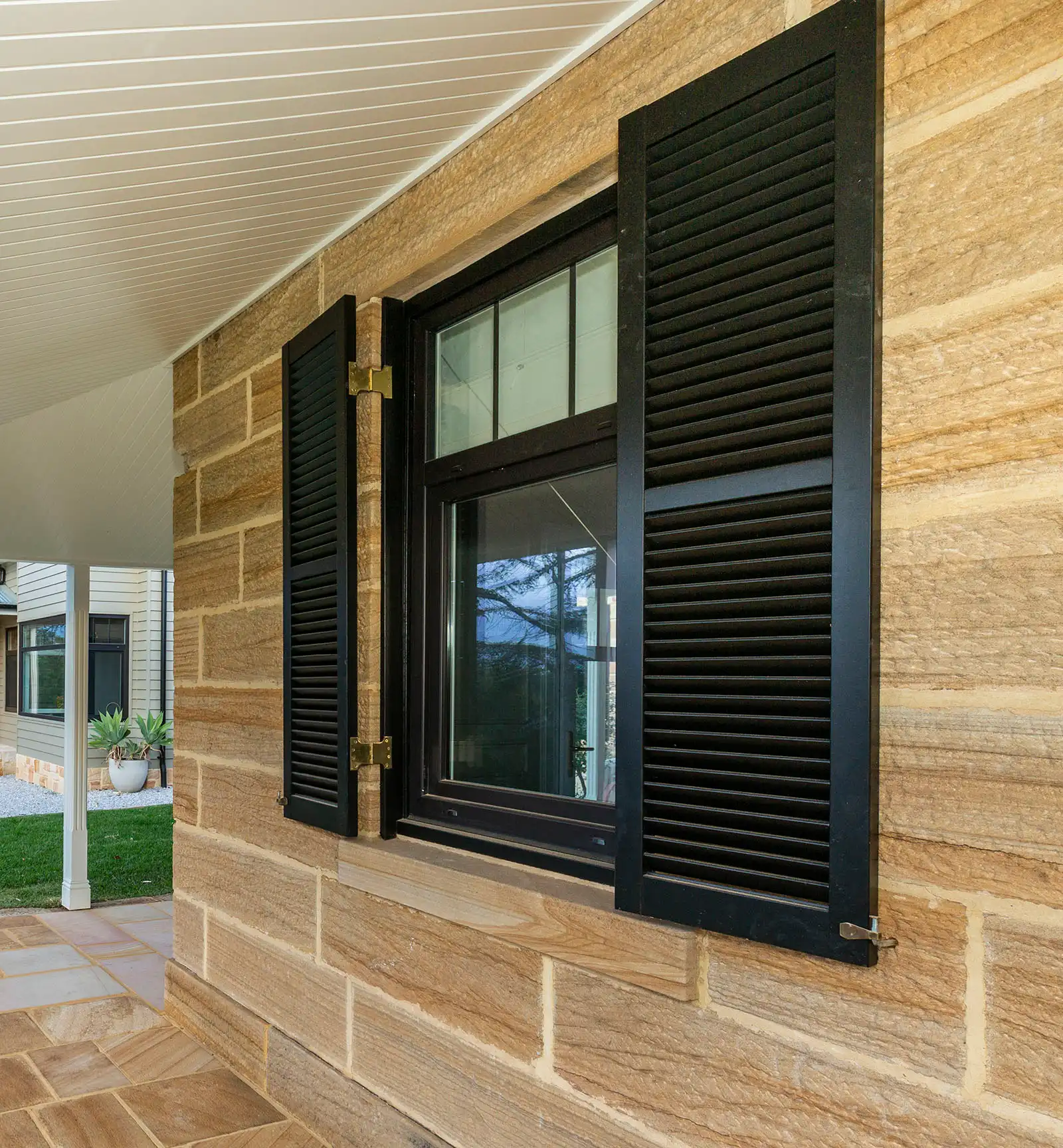
The sash of a casement window moves out of the frame.
That means you need to consider what sits close to the window.
Depending on opening direction, this could include:
- paths;
- plants;
- outdoor furniture;
- screens;
- neighbouring walls;
- internal furniture where an inward-opening configuration is used.
Double-hung sashes move vertically and remain within the window frame.
That makes them easier to accommodate where projecting a sash would be inconvenient.
For example, a window close to a walkway may be better suited to a configuration that does not open outward into the path.
Sliding windows solve the same clearance problem in another way by moving horizontally rather than vertically. If both configurations are under consideration, our comparison of sliding vs double-hung windows looks at the practical differences between them.











Which Works Better Above Furniture?
Window location matters as much as window type.
A casement window operated with an accessible handle can be convenient in many positions, but a large swinging sash may interact with furniture or the surrounding space.
Double-hung windows avoid this projection.
However, operating the upper sash can be less convenient if the window is positioned behind deep furniture or at an awkward height.
Before choosing, stand in the room and imagine actually opening the window.
A configuration that looks suitable on an elevation may feel different once a desk, sofa or cabinet is in place.
Which Is Easier to Clean?
This depends heavily on the exact hardware.
Many modern casement systems allow good access to the glass, although cleaning the external face can be more difficult in some installations.
Some double-hung windows use inward-tilting sashes that make both sides of the glass accessible from indoors.
But not every double-hung system includes that feature.
This is a good example of why it is better to inspect the actual product rather than relying only on the name of the window style.
Ask the supplier to demonstrate how the sash moves and how each surface will be cleaned after installation.
What About Flyscreens?
Screens need to work with the opening mechanism.
On an outward-opening casement window, a flyscreen can often remain on the interior side of the frame.
With double-hung windows, screens are typically positioned to allow the sashes to move vertically behind them.
Both configurations can therefore work with flyscreens.
The important question is whether the particular frame, opening direction and screen arrangement are compatible with how you expect to use the window.
Which Gives the Better View?
This depends on the size and configuration of the window.
A single casement sash can provide a relatively uninterrupted glazed area.
Double-hung windows have a horizontal meeting rail where the two sashes overlap.
That rail remains visible when the window is closed.
For a room overlooking a garden or other view, that difference may matter.
For a traditional facade, however, the horizontal division of a double-hung window may actually be part of the desired architectural character.
The better option depends on whether you prioritise an uninterrupted view or a particular window style.
Which Is Better for Traditional Homes?
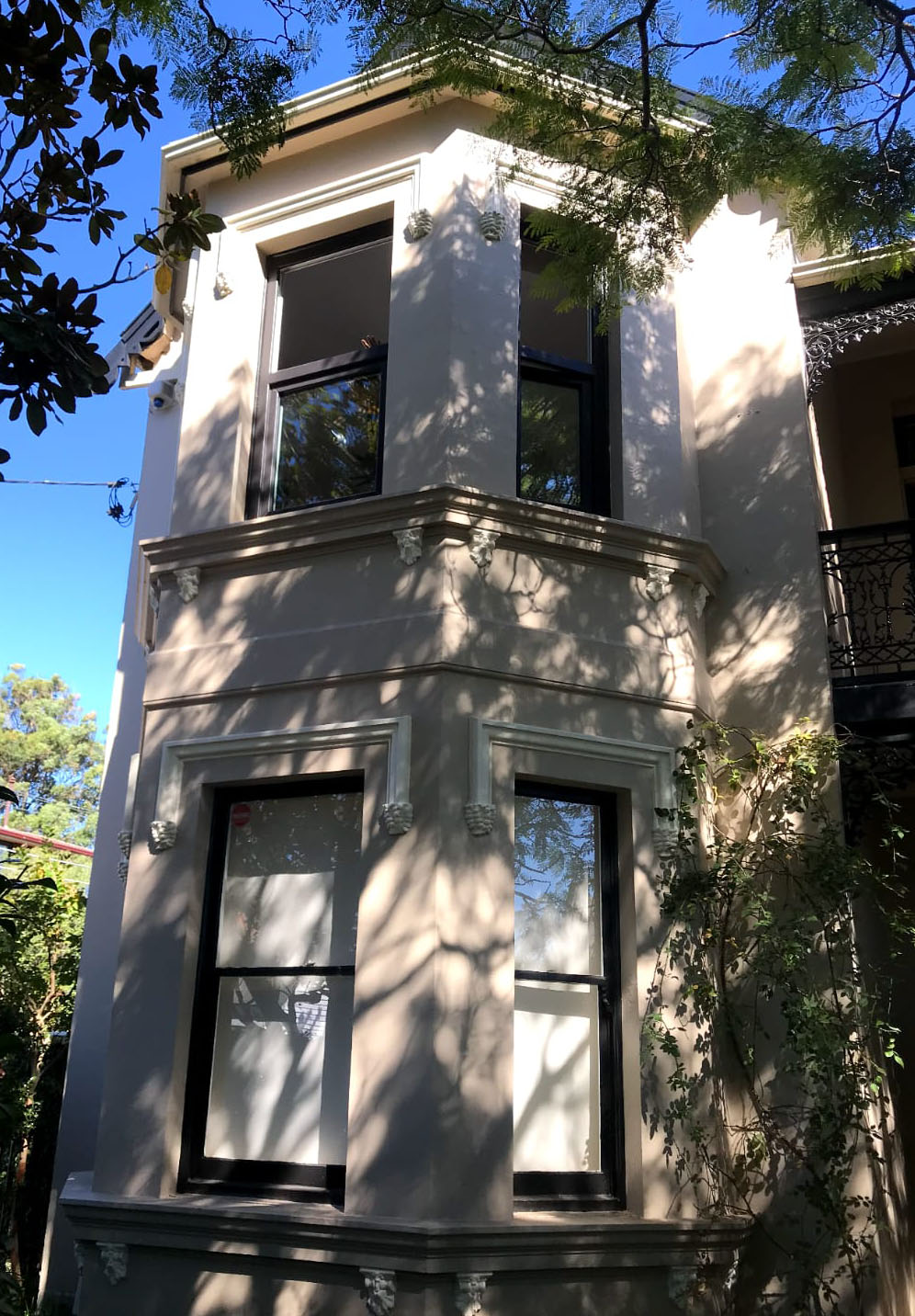
Double-hung windows have a strong association with traditional and colonial-style architecture.
Their proportions and horizontal sash division can fit naturally into older facade designs.
Casement windows are also used in traditional architecture and can be configured with different proportions, frame colours and glazing divisions.
Neither belongs exclusively to modern or traditional houses.
The overall design, proportions and detailing matter more than the opening mechanism alone.
Which Works Better in Modern Homes?
Casement windows can work particularly well in contemporary homes because large individual panes can create clean glazing areas with relatively simple frame divisions.
But double-hung windows can also be used successfully in modern architecture.
If the exterior design uses repeated vertical window proportions, a double-hung configuration may fit the facade without looking traditional.
The choice should therefore start with function and then be checked against the architectural style.
Need a consultation?
Our operators will answer any questions
Energy Efficiency Depends on the Complete Window
It is tempting to say that one window style is always more energy efficient.
In reality, energy performance depends on the whole system:
- frame construction;
- glazing;
- seals;
- hardware;
- dimensions;
- installation.
A casement sash can use compression sealing when closed, which can provide very good airtightness in a well-designed system.
Double-hung windows use sliding interfaces, so their sealing arrangement works differently.
That does not mean every casement window will outperform every double-hung window.
Compare the actual whole-window performance of the systems being quoted rather than choosing from opening style alone.

What About Noise Reduction?
The same principle applies to outside noise.
Glass specification, frame construction, sealing and installation normally matter more than the name of the window style.
A well-sealed casement system can provide strong acoustic performance.
A high-quality double-hung window with appropriate glazing and seals can also reduce outside noise effectively.
If noise is a major reason for replacing the windows, tell the supplier what type of sound is causing the problem before choosing the configuration.
Do not assume that changing window style alone will solve it.
Which Is More Secure?
Security depends on the actual locking system rather than simply whether the window is casement or double-hung.
Casement windows can use locking points around the sash.
Double-hung windows require secure locking between the moving sections and the frame.
Glazing and installation are also part of the overall security of the opening.
When comparing quotations, ask what hardware is included rather than relying on general statements about one window type being safer.
Maintenance Is Different
Casement windows rely on hinges and operating hardware.
Double-hung windows rely on vertical movement mechanisms and the hardware that supports and controls the sashes.
Both need occasional inspection and cleaning.
Moving components should operate smoothly, seals should remain in good condition and drainage areas should be kept clear where applicable.
The more useful question is not which window is “maintenance-free”, because neither moving system is.
Instead, ask how the exact system is maintained and whether replacement hardware is readily available.
Which Is Better for Small Rooms?
A small room does not automatically require a particular window type.
If exterior clearance is limited, a double-hung window can be attractive because nothing projects outward.
If maximum ventilation from a small opening matters more, a casement sash can make better use of the available aperture.
Furniture placement also matters.
A room can be small while still having plenty of clearance around the window, or large while placing the window directly beside a path or outdoor structure.
The room size alone is therefore not enough to make the decision.
Which Is Better for Bedrooms?
Both can work well.
For a bedroom, consider:
- ventilation;
- ease of operation;
- outside noise;
- security;
- privacy;
- screen requirements;
- furniture placement.
A double-hung window can provide controlled upper and lower ventilation.
A casement window can provide a larger opening and substantial airflow.
In bedrooms, the final opening size and configuration should also take any relevant safety and building requirements into account.
Which Is Better for Kitchens?
Again, the location of the window is more important than the room label.
If a kitchen window sits above a deep benchtop or sink, reaching the operating mechanism may be a bigger issue than the theoretical advantages of either style.
A casement window can provide excellent ventilation, but the opening method and handle need to be reachable.
A double-hung sash may also require enough reach to lift or lower comfortably.
For windows above benches, it is worth physically testing the proposed opening mechanism before ordering.
Casement vs Double-Hung Windows: Quick Comparison
| Factor | Casement Windows | Double-Hung Windows |
|---|---|---|
| Opening method | Side-hinged sash | Vertical sliding sashes |
| Clear opening | Usually larger | Part of opening remains occupied |
| Ventilation | Large open area | Flexible upper/lower ventilation |
| Swing space | Required | None |
| View | Fewer divisions possible | Horizontal meeting rail |
| Cleaning | Depends on configuration | Tilt-in sashes can simplify cleaning where available |
| Flyscreens | Usually compatible | Usually compatible |
| Traditional appearance | Suitable | Particularly common |
| Modern appearance | Very suitable | Also possible |
| Energy efficiency | Depends on whole system | Depends on whole system |
| Noise reduction | Depends on whole system | Depends on whole system |
| Maintenance | Hinges/hardware | Sliding/support hardware |
So Which Is Better: Casement or Double-Hung?
Choose based on what matters most around the actual opening.
A casement window is usually worth considering when:
- you want a large clear opening;
- strong ventilation is a priority;
- you prefer less visual interruption through the glass;
- there is enough clearance for the sash to open.
A double-hung window may be more practical when:
- you do not want the sash projecting outside;
- controlled upper and lower ventilation is useful;
- the architectural style suits horizontal sash divisions;
- the specific system offers convenient inward access for cleaning.
Neither configuration should be chosen from appearance alone.
Look at how the window opens, where furniture and paths are located, how much ventilation you need and the performance of the complete frame-and-glass system.
If possible, operate both types before making the final decision.
Prestige Plus manufactures custom window configurations for different openings and uses, so the dimensions, glazing and opening method can be considered together rather than treating the window style as a standalone decision.
Get a quote
FAQ
Are casement windows better than double-hung windows?
Not universally. Casement windows usually provide a larger clear opening, while double-hung windows avoid outward swing space and allow ventilation through vertically moving sashes.
Which gives better ventilation: casement or double-hung windows?
Casement windows can open a large part of the aperture. Double-hung windows provide more control over upper and lower ventilation. The better option depends on how you want airflow to work.
Which window is better for a small space?
Double-hung windows can be useful where outward swing clearance is limited. Casement windows may be better where maximising the open area of a small window matters more.
Are casement windows more energy efficient than double-hung windows?
Not automatically. Casement windows can use effective compression seals, but actual energy efficiency depends on the frame, glazing, seals, dimensions and installation.
Are casement windows better for noise reduction?
Not necessarily. Noise reduction depends mainly on the complete glazing, frame, sealing and installation rather than window style alone.
Are double-hung windows easier to clean?
Some double-hung systems have inward-tilting sashes that make external glass easier to reach from inside. This feature is system-specific and should be checked before ordering.
Can casement and double-hung windows use flyscreens?
Yes. Both can usually be fitted with suitable flyscreens, but screen position and design need to suit the opening mechanism.
Which style gives the better view?
A single casement sash can provide fewer visual divisions. Double-hung windows have a horizontal meeting rail between the two sashes.
Which is better for traditional homes?
Double-hung windows are strongly associated with traditional and colonial architecture, although casement windows can also suit traditional buildings depending on their proportions and detailing.
What should I compare before choosing between casement and double-hung windows?
Compare ventilation, clear opening, available space, cleaning, screens, view, hardware, glazing, energy performance, noise reduction and how easily the window can be operated in its final location.