
In this article:
2. The Glass May Not Have Been Specified for Your Noise Problem
3. Using Different Glass Thicknesses Can Matter
4. Laminated Glass Can Help With Difficult Noise
5. Triple Glazing Is Not Automatically Better for Noise
6. The Window May Be Letting Sound Through the Seals
7. Opening Style Can Affect Acoustic Performance
8. Installation Gaps Can Undo Good Window Performance
9. Check the Area Around the Window, Not Just the Window
10. Ventilation Openings Can Be a Weak Point
11. Your Door May Be the Real Problem
12. Low-Frequency Noise Is Particularly Difficult
13. The Direction and Distance of the Noise Source Matter
14. Your Expectations May Have Been Higher Than the Specification
15. How Can You Tell Where the Noise Is Getting In?
16. What Should You Check With the Window Supplier?
17. Should You Replace the Windows Again?
18. What a Good Acoustic Window Solution Should Consider
19. So Why Is the House Still Noisy?

Installing double glazing usually makes a noticeable difference to outside noise, but it does not automatically make a room quiet.
Some homeowners replace old windows expecting traffic, neighbours or street activity to almost disappear, only to discover that certain sounds are still clearly audible.
That does not necessarily mean the windows are defective.
Noise reduction depends on the complete window system: the glass configuration, the frame, seals, opening style, installation and even the rest of the building around the window.
The first step is therefore to work out where the sound is still getting in.
Double Glazing Reduces Noise, but It Does Not Remove Every Sound
Double glazing can reduce more outside noise than basic single glazing, but the result depends on the mass of the glass, differences between the panes, the cavity, sealing and the complete window construction.
Two windows can both be described as “double glazed” and behave very differently.
The thickness of the glass, whether the panes are the same or different thicknesses, the size of the cavity, laminated layers, seals and the overall construction all influence the result.
This is why the phrase “double glazing” on its own tells you relatively little about how the window was specified for noise.
If you want a broader explanation of the principles involved, our guide to soundproof windows and noise reduction covers the subject in more detail.
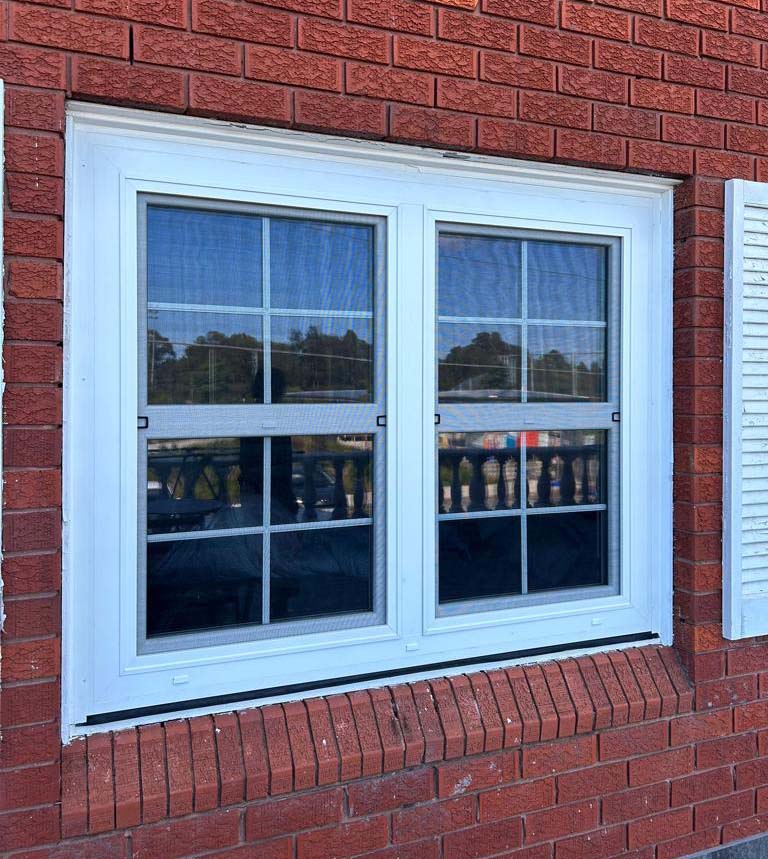
The Glass May Not Have Been Specified for Your Noise Problem
One of the most common reasons for disappointing acoustic performance is that the glazing was chosen primarily for thermal performance rather than noise.
A standard double-glazed unit can improve comfort substantially, but a difficult noise source may require a different glass configuration.
Traffic is a good example.
It contains a mixture of frequencies, including lower-frequency sounds from engines, buses and trucks that can be more difficult to reduce.
Voices, barking dogs and high-frequency street sounds behave differently again.
That means the ideal glass configuration depends partly on the type of noise outside.
Simply adding another pane is not the same as designing the glazing specifically for acoustic performance.
Using Different Glass Thicknesses Can Matter
Sound causes glass to vibrate.
When two panes have similar characteristics, they can respond to some frequencies in similar ways.
Using panes with different thicknesses can help reduce this resonance effect.
For example, rather than using identical panes on both sides of the cavity, an acoustic configuration may use different thicknesses or incorporate laminated glass.
The precise configuration should be selected around the required performance and the complete window system.
This is one reason a standard thermal double-glazed unit and an acoustically oriented unit can produce very different results even though both are technically “double glazed”.
Our older guide to glass for noise reduction explains why the glazing itself is only one part of the system.
Laminated Glass Can Help With Difficult Noise
Laminated glass contains layers bonded together with an interlayer.
That construction can help damp vibration and improve acoustic performance for certain noise frequencies.
It can therefore be useful when ordinary glass does not provide the result required.
But laminated glass is not a magic upgrade that automatically solves every noise problem.
Its effect still depends on the thicknesses, cavity, other pane, frame and installation.
A supplier should therefore understand the noise source before recommending a glazing configuration.
Triple Glazing Is Not Automatically Better for Noise
It is easy to assume that three panes must always block more sound than two.
For thermal insulation, additional glazing can provide significant benefits.
Acoustically, however, the result depends on how the entire glass unit is designed.
Three similar panes with poorly selected cavity sizes are not automatically a better acoustic solution than a carefully specified double-glazed unit using different glass thicknesses or laminated glass.
The question should not be:
“Is triple glazing better?”
It should be:
“What is the acoustic performance of this complete glazing configuration for the type of noise I have?”


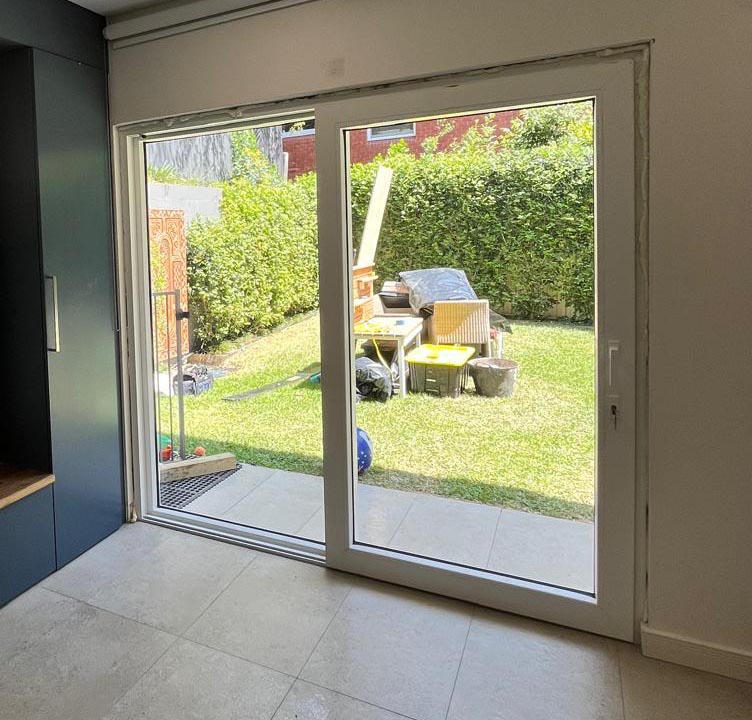

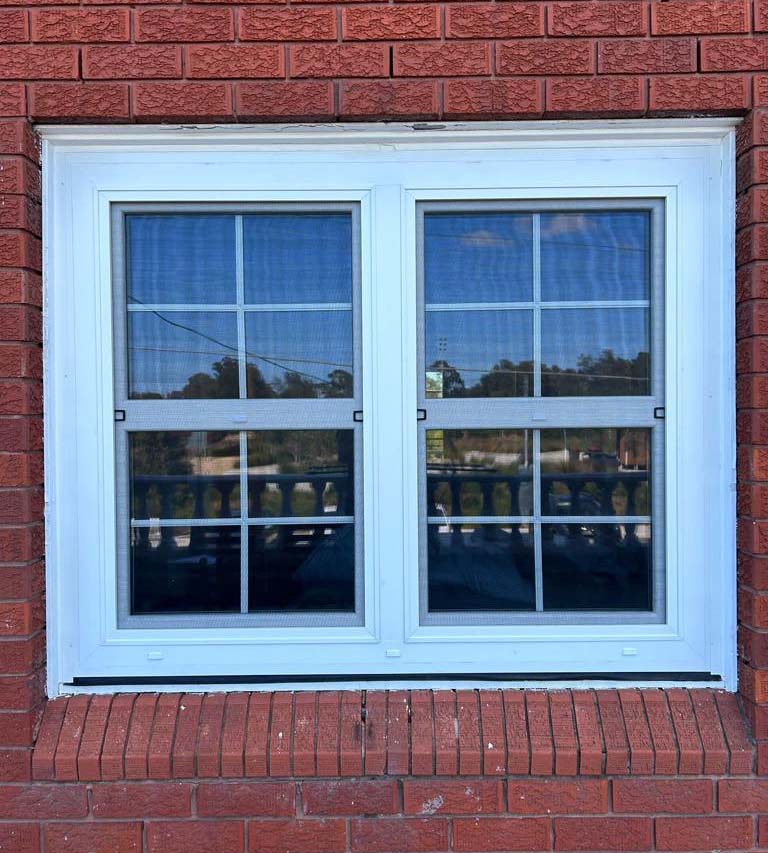

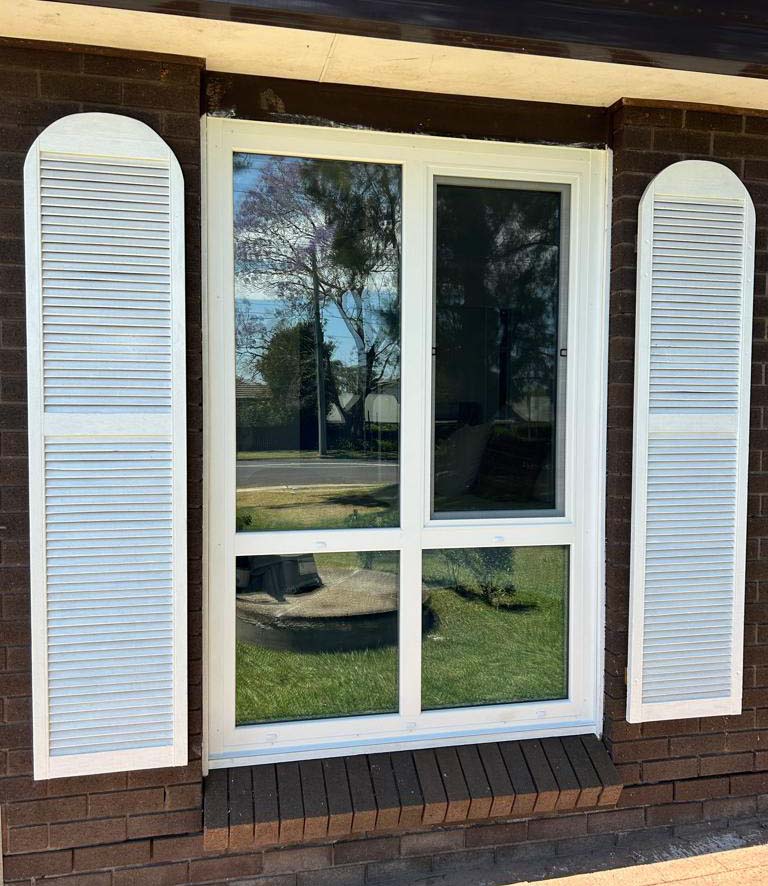








The Window May Be Letting Sound Through the Seals
Sound does not only travel through glass.
It also travels through air.
Even a relatively small gap can undermine the performance of an otherwise good window.
Check whether the sash closes firmly against the seals.
Possible warning signs include:
- drafts around the sash;
- rattling;
- a noticeable change in noise when you press against the frame;
- damaged or displaced seals;
- areas where the sash does not seem to close evenly.
Poor clamping pressure, worn hardware or damaged seals can allow both air and external noise to pass around the sash.
If the glass is good but the window does not seal correctly, upgrading the glazing alone will not solve the problem.
Opening Style Can Affect Acoustic Performance
Different window configurations seal differently.
A compression-sealed casement or tilt-and-turn sash can close tightly around its perimeter.
Sliding systems need tracks and moving interfaces that work differently.
That does not make sliding windows “bad” for noise reduction, but it does mean the actual seal design matters.
If one window in the house seems significantly noisier than another despite similar glazing, compare how each window opens and seals.
The problem may be the complete window configuration rather than the glass.
Installation Gaps Can Undo Good Window Performance
A high-performance window can still perform poorly if the installation around it allows sound to bypass the frame.
Noise will look for the easiest path.
If there are poorly sealed gaps between the frame and the wall, sound can travel around the window rather than through the glazing.
Installation quality is therefore part of acoustic performance.
Prestige Plus has a separate guide explaining why window installation quality matters.
For noise problems, this is particularly important because a small air path can make a noticeable difference.
Check the Area Around the Window, Not Just the Window
Sometimes the window receives the blame because it is the most obvious glazed surface in the room.
But sound may be entering elsewhere.
Possible paths include:
- gaps around the frame;
- wall penetrations;
- ventilation openings;
- roof or ceiling construction;
- lightweight wall sections;
- doors;
- gaps around other windows;
- external vents.
If the new window is much better acoustically than the surrounding construction, another part of the room may become the weakest point.
Replacing the window improves one pathway but does not strengthen the entire facade.
Ventilation Openings Can Be a Weak Point
A room still needs ventilation.
Any intentional opening between inside and outside can also provide a path for sound.
If your windows include ventilation devices, or the room has wall vents or other openings, check whether the noise seems strongest near them.
This does not mean ventilation should simply be blocked.
The goal is to identify whether it is contributing to the problem and, if necessary, use a solution designed to balance airflow with acoustic performance.
Your Door May Be the Real Problem
Large glazed doors can occupy as much external wall area as windows.
If a room contains newly installed acoustic windows but an older patio or balcony door with weaker sealing, that door may become the dominant sound path.
Stand near different parts of the room and listen.
If noise seems clearly stronger near the door, improving the windows further may produce very little additional benefit.
The acoustic performance of the room is limited by its weakest significant opening.
Need a consultation?
Our operators will answer any questions
Low-Frequency Noise Is Particularly Difficult
Not all noise is equally easy to reduce.
Higher-frequency sounds can often be reduced effectively by good glazing and sealing.
Low-frequency noise from trucks, buses, aircraft or heavy machinery is more difficult because longer sound waves can travel through and around building elements differently.
That is why a room can become dramatically quieter after new windows are installed while some deep rumbling remains noticeable.
This does not necessarily mean the glazing has failed.
It may mean that the remaining sound sits in a frequency range that requires a more specialised acoustic design.
The Direction and Distance of the Noise Source Matter
The same window can produce a different subjective result in two rooms.
A bedroom directly facing a road receives sound differently from a room at the rear of the house.
Upper floors may also have fewer physical barriers between the window and the noise source.
Nearby hard surfaces can reflect sound.
A courtyard can behave differently from an open garden.
Before deciding that the window is not performing, compare where the room sits in relation to the source.
This is particularly useful if some new windows in the property seem much quieter than others.
Your Expectations May Have Been Higher Than the Specification
The phrase “soundproof windows” can create unrealistic expectations.
Residential windows reduce sound; they do not normally create complete silence.
If the outside environment is very loud, a substantial reduction may still leave audible noise indoors.
For example, reducing loud traffic to a much lower level can make a room considerably more comfortable even though cars can still be heard.
This is why acoustic performance should ideally be discussed before ordering.
The objective should be defined in practical terms:
- Which noise is causing the problem?
- When is it most noticeable?
- Which rooms are affected?
- Is the priority sleep, work or general comfort?
- How quiet does the room realistically need to become?
That information is more useful than simply asking for “double glazing”.
How Can You Tell Where the Noise Is Getting In?
You can do a basic assessment without specialised equipment.
Start by standing in different parts of the room while the noise source is active.
Listen near:
- the centre of the glass;
- the sash edges;
- the window-to-wall junction;
- the sill;
- nearby doors;
- wall vents.
Then compare windows in different rooms.
If pressing the sash against the seal noticeably changes the sound, the sealing or adjustment may deserve attention.
If the noise appears concentrated around the edges of the frame rather than through the glass, installation should be checked.
If it seems equally strong across walls, ceiling and windows, the problem may not be window-specific.
This will not replace an acoustic test, but it can help identify where further investigation should begin.
What Should You Check With the Window Supplier?
If the result is significantly worse than expected, ask for the original specification.
You should be able to identify:
- glass thicknesses;
- cavity configuration;
- whether laminated glass was included;
- window opening type;
- seals;
- installation specification;
- any stated acoustic performance.
Then compare that information with what was originally discussed.
If acoustic performance was a key requirement, the supplier should be able to explain why that particular configuration was selected.
The question is not simply whether the window contains two panes.
It is whether the complete window was appropriate for the noise problem.
Should You Replace the Windows Again?
Usually, that should not be the first response.
First identify the weakest point.
If the problem is adjustment or a worn seal, replacement may not be necessary.
If the installation perimeter has gaps, correcting the installation may help.
If ventilation or another opening is responsible, replacing the glass will achieve little.
If the existing glazing was never designed for acoustic performance, changing the glass specification may be worth investigating.
Only once the actual sound path is understood does it make sense to decide whether replacement or modification is justified.
What a Good Acoustic Window Solution Should Consider
A good noise-reduction solution is not just a pane of glass.
It considers:
- the actual noise source;
- glass thickness and composition;
- cavity design;
- laminated glass where appropriate;
- frame construction;
- opening style;
- seals;
- installation;
- other weak points in the room.
That is also why two homes beside the same road may need different solutions.
The building, room layout and existing openings are part of the problem.
So Why Is the House Still Noisy?
If your home is still noisy after installing double glazing, one of three situations is usually involved.
First, the window may be working correctly, but the glazing was not specifically selected for the noise you are trying to reduce.
Second, the glass may be appropriate, but sound is bypassing it through seals, installation gaps or another opening.
Third, the window may already have reduced the noise substantially, but the remaining low-frequency or very loud sound is still noticeable.
The important point is not to assume immediately that you need “more glazing”.
Find the weakest acoustic path first.
Then decide whether the solution is adjustment, sealing, installation correction, a different glass configuration or improvement elsewhere in the room.
If outside noise is an important part of your window replacement project, Prestige Plus can help assess the opening and specify a complete window system rather than looking at the glass alone.
Get a quote
FAQ
Why can I still hear traffic through double glazing?
Double glazing reduces traffic noise but does not eliminate it. The result depends on the glass configuration, seals, frame, installation and the frequencies produced by the traffic.
Does double glazing completely block outside noise?
No. Residential double glazing can significantly reduce outside noise, but complete sound isolation requires much more than simply adding another pane of glass.
Can poor installation make double glazing noisy?
Yes. Gaps around the frame can allow sound to travel around the window and reduce the benefit of high-performance glazing.
Can window seals affect noise reduction?
Yes. Damaged, worn or poorly compressed seals can allow both air and sound to pass through the window.
Is laminated glass better for noise reduction?
Laminated glass can improve acoustic performance because the interlayer helps damp vibration, but the result depends on the complete glazing and window specification.
Is triple glazing always quieter than double glazing?
No. Acoustic performance depends on the thickness and combination of glass panes, cavity sizes, seals and installation. A well-designed double-glazed acoustic unit can outperform a poorly configured triple-glazed unit for some noise frequencies.
Why is traffic rumble still audible after replacing my windows?
Low-frequency noise from trucks, buses and other heavy vehicles can be particularly difficult to reduce and may also travel through walls or other parts of the building.
How do I know if noise is entering around the frame?
Listen near the perimeter of the window while the noise is active. Drafts, rattling or a change in sound when pressing the sash against the seals can indicate a sealing problem.
Should I replace my double-glazed windows if the room is still noisy?
Not immediately. First check the glazing specification, seals, window adjustment, installation perimeter and other openings in the room to identify the real sound path.
What should I tell a window supplier if noise reduction is important?
Describe the noise source, affected rooms, when the noise is worst and what level of improvement you expect. This helps the supplier specify the complete window system rather than simply offering standard double glazing.