
In this article:
The Window Frame (Profile)
The Insulated Glass Unit
Reinforcement and Structural Strength
Seals and Airtightness
Hardware and Opening Mechanisms
Window Size and Structural Considerations
How Structure Affects Overall Performance
How Window Systems Differ
Learn More About Choosing the Right Windows
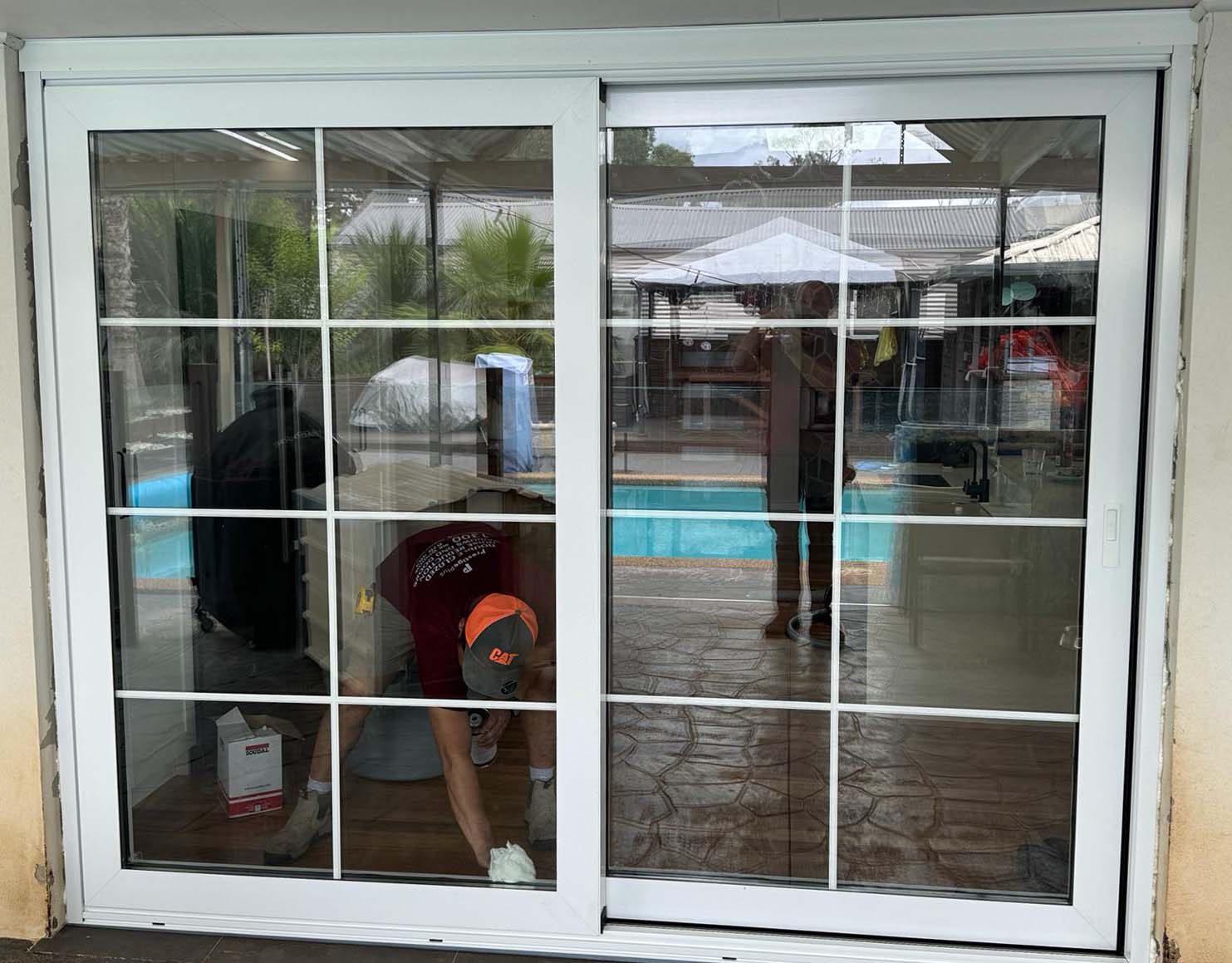
Double glazed windows may look simple from the outside, but their performance depends on a carefully designed internal structure. Each component — from the frame to the glazing unit and hardware — plays a role in how the window insulates, reduces noise and operates over time.
Understanding how a double glazed window is built can help you better evaluate quality, durability and long-term performance when comparing different systems
What Makes Up a Double Glazed Window
A modern window is not a single element but a system of components working together:
- Frame (profile)
- Insulated glass unit (double glazing)
- Reinforcement inside the frame
- Seals and gaskets
- Hardware and locking system
If you’re new to the topic, it’s helpful to start with a basic overview of how double glazing works.
The Window Frame (Profile)
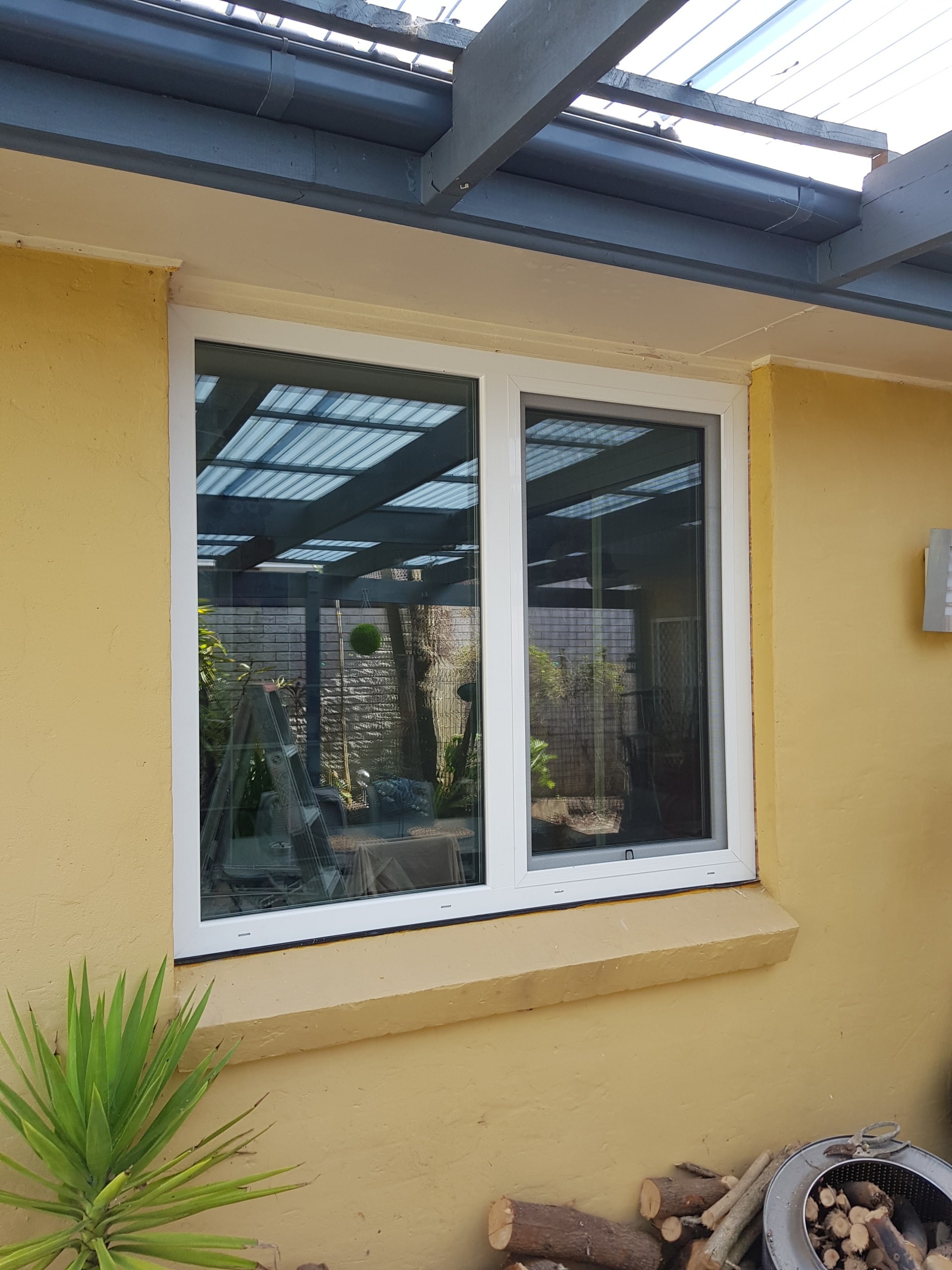
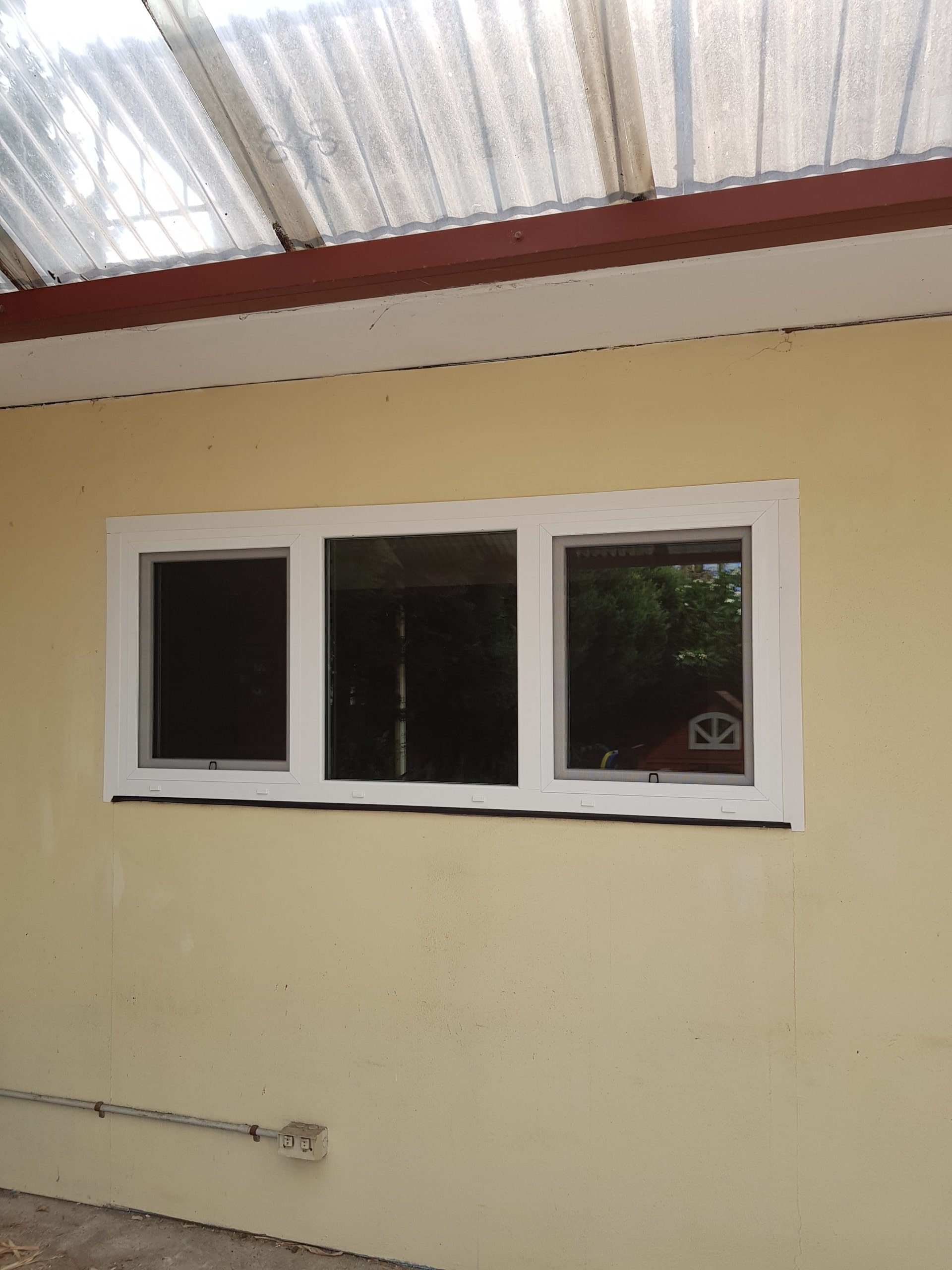
The frame forms the structural base of the window. It supports the glass unit, holds the hardware and connects the system to the building envelope.
In uPVC windows, the profile is typically designed with internal chambers that improve insulation while maintaining strength. A well-engineered frame contributes to long-term stability, helping the window resist deformation and maintain airtightness over time.
The Insulated Glass Unit
At the centre of every double glazed window is the insulated glass unit. It consists of two panes separated by a sealed cavity filled with air or gas, which significantly reduces heat transfer and improves sound insulation.
The performance of this unit depends on several factors working together — the thickness of the glass, the distance between panes, the type of gas used and the presence of coatings such as Low-E.
Reinforcement and Structural Strength
Inside the frame, reinforcement provides the strength needed to support the weight of the glazing and maintain structural integrity. This becomes especially important in larger windows, where additional loads can lead to bending or misalignment if the system is not properly designed.
Good reinforcement ensures that the window continues to open and close smoothly over time while maintaining its shape under external pressure such as wind.
Seals and Airtightness
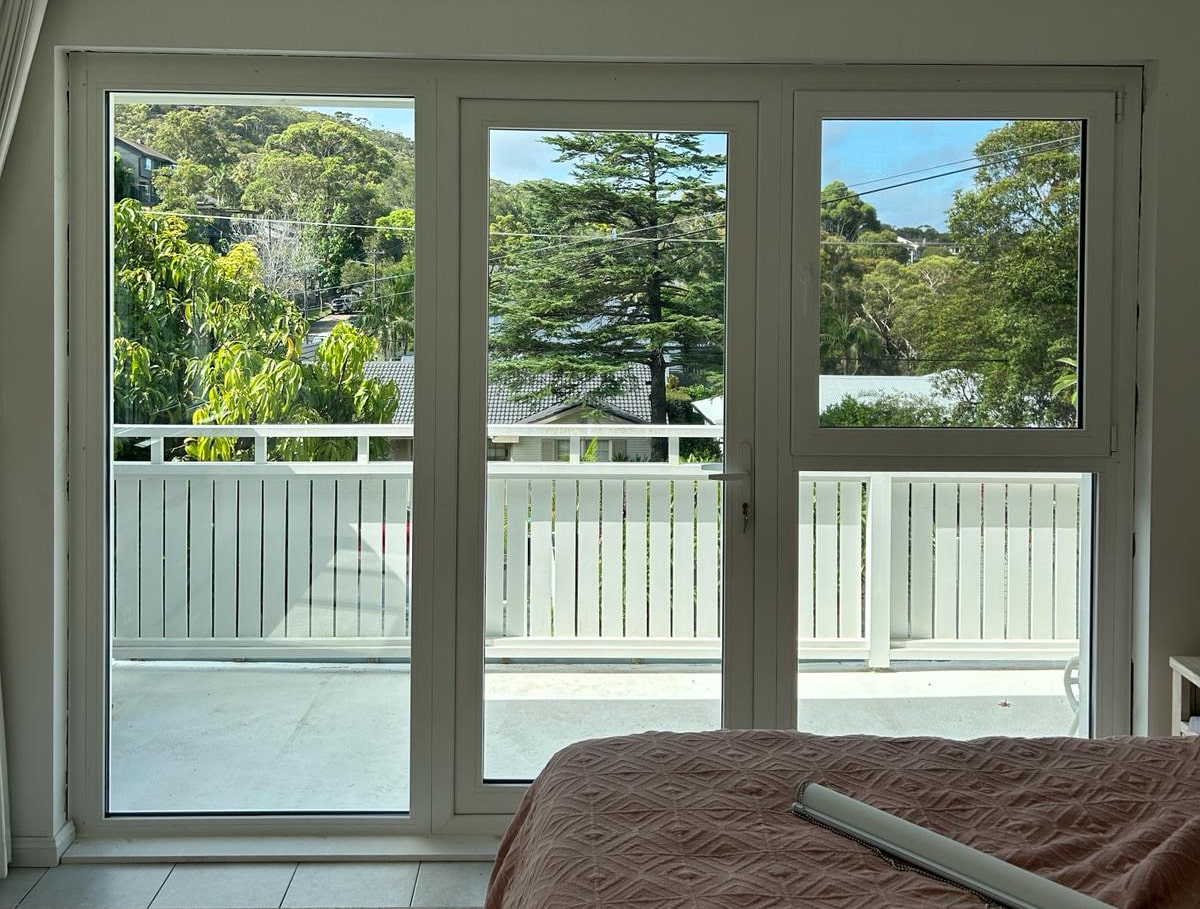
Seals play a critical role in how well a window performs. They create a barrier against air, moisture and dust, helping to maintain consistent indoor conditions.
High-quality systems use multiple sealing points to ensure even pressure when the window is closed. This contributes directly to thermal efficiency, noise reduction and weather resistance.
When sealing is compromised, issues such as drafts or condensation may occur.




Hardware and Opening Mechanisms
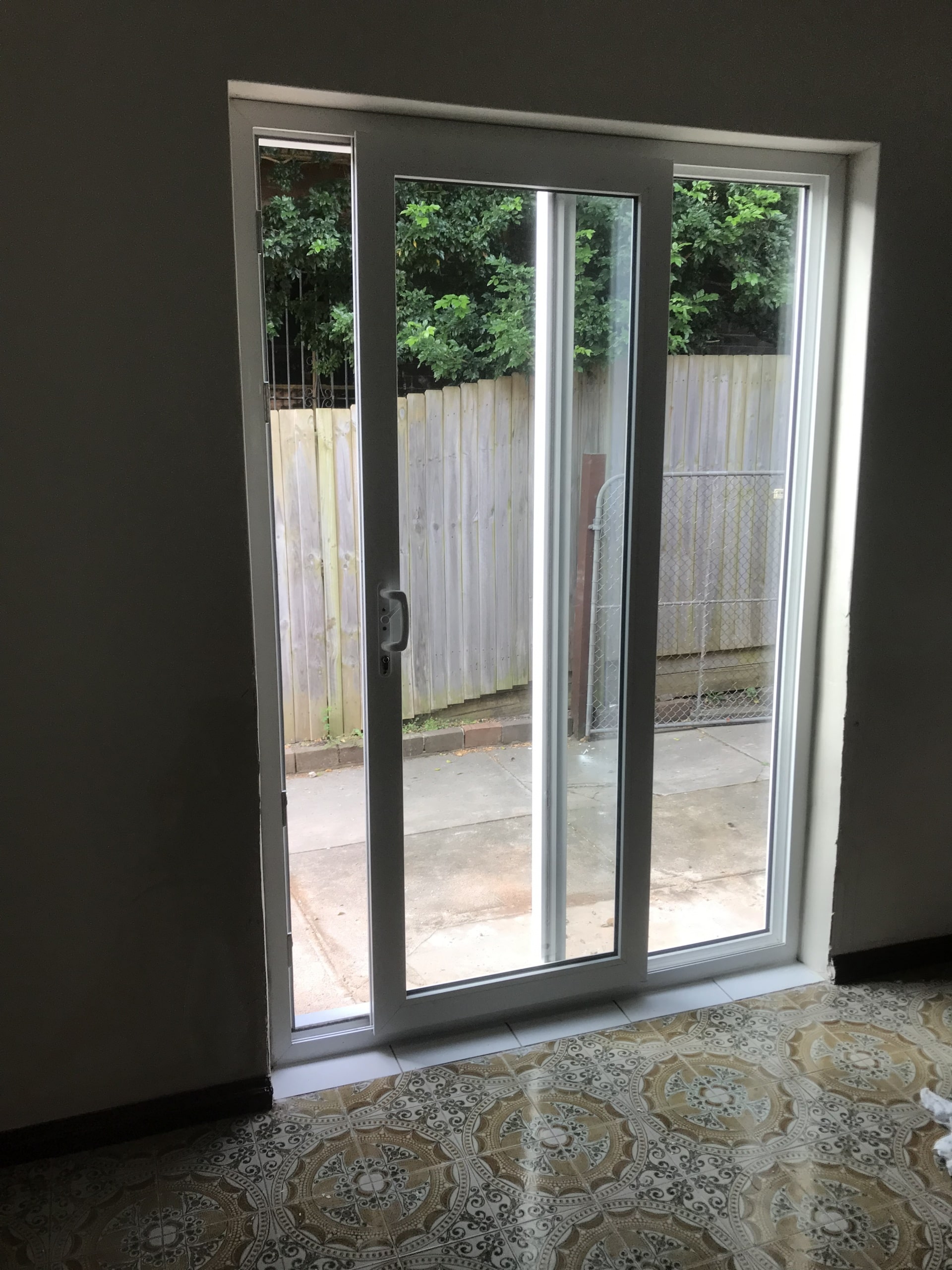
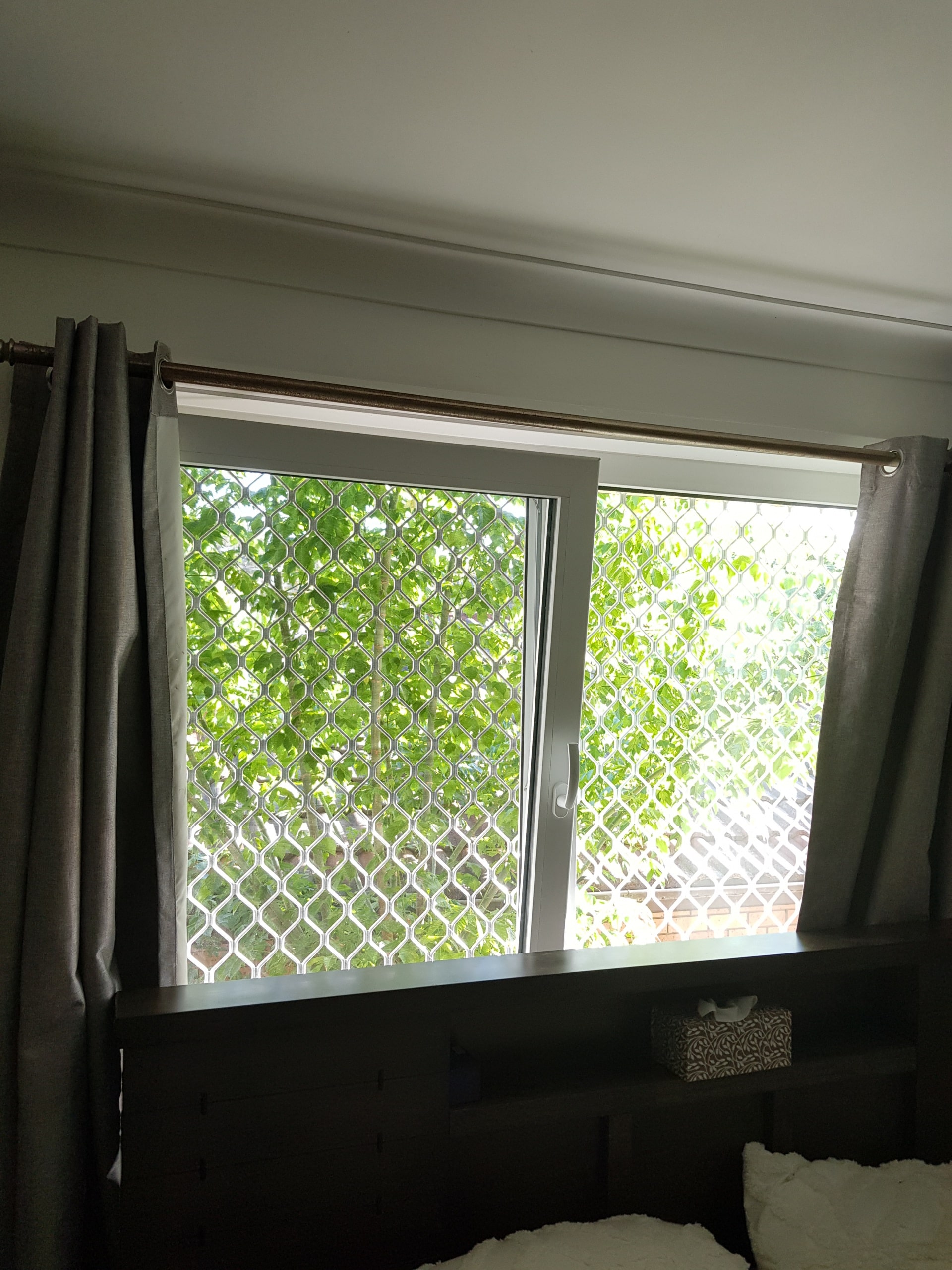
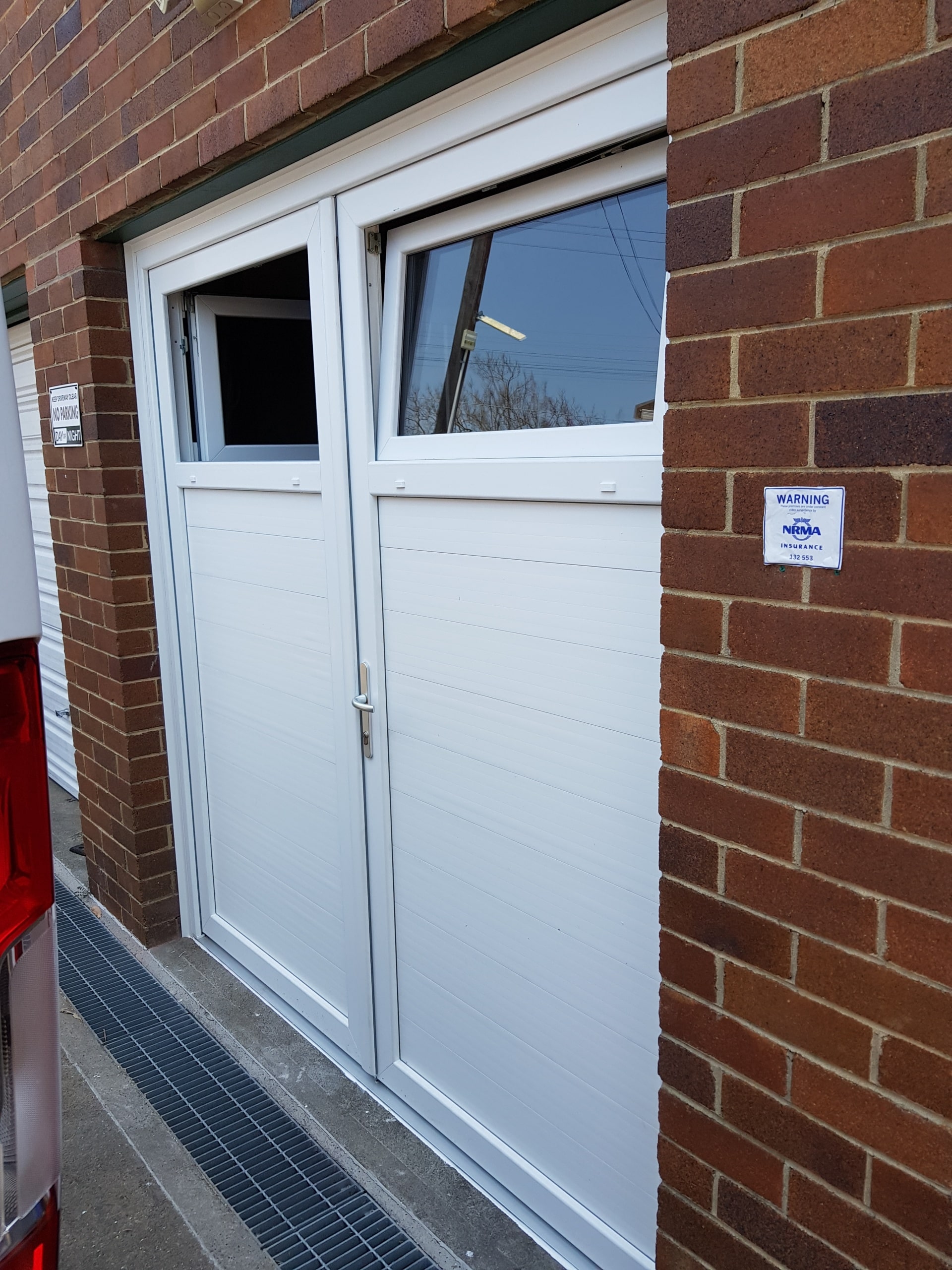
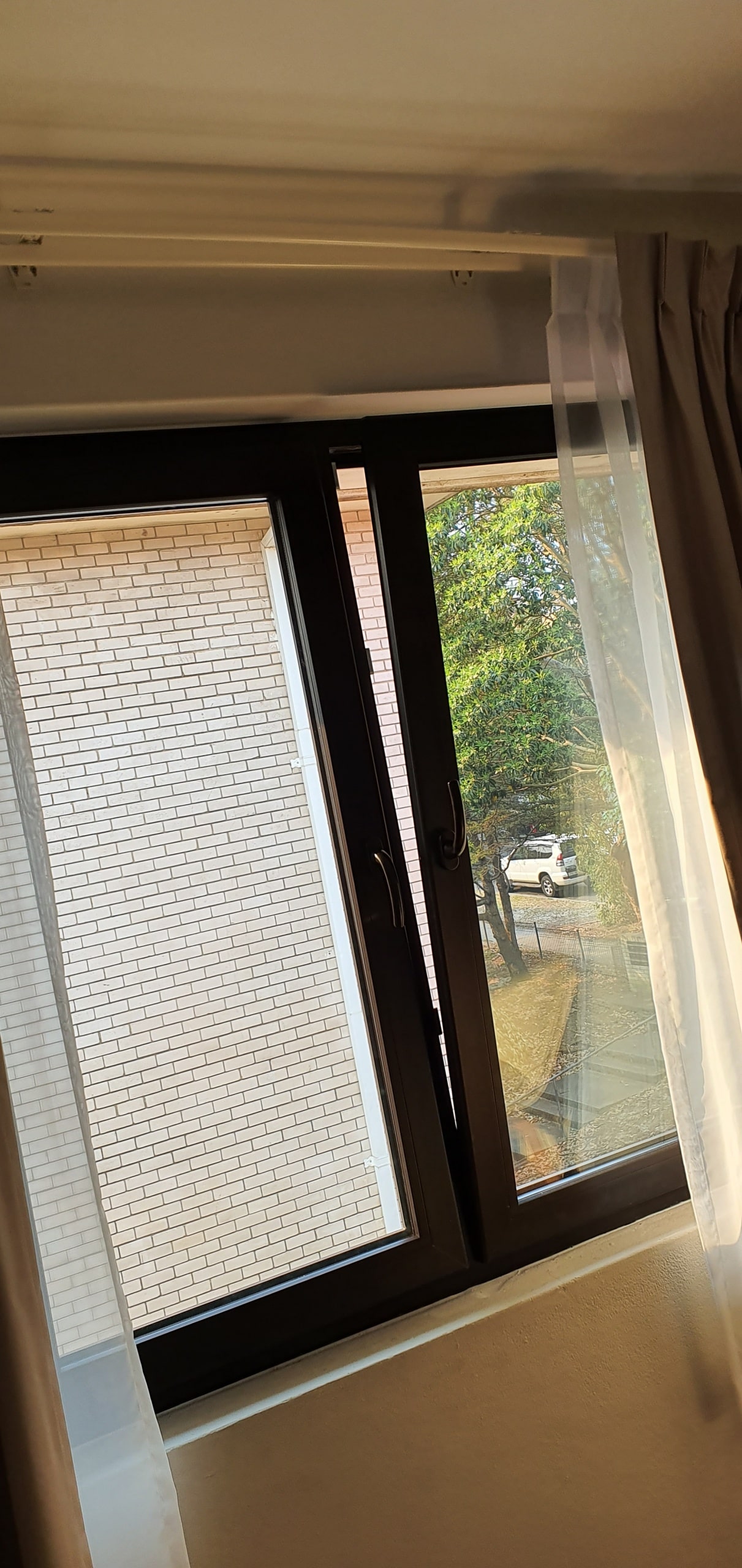
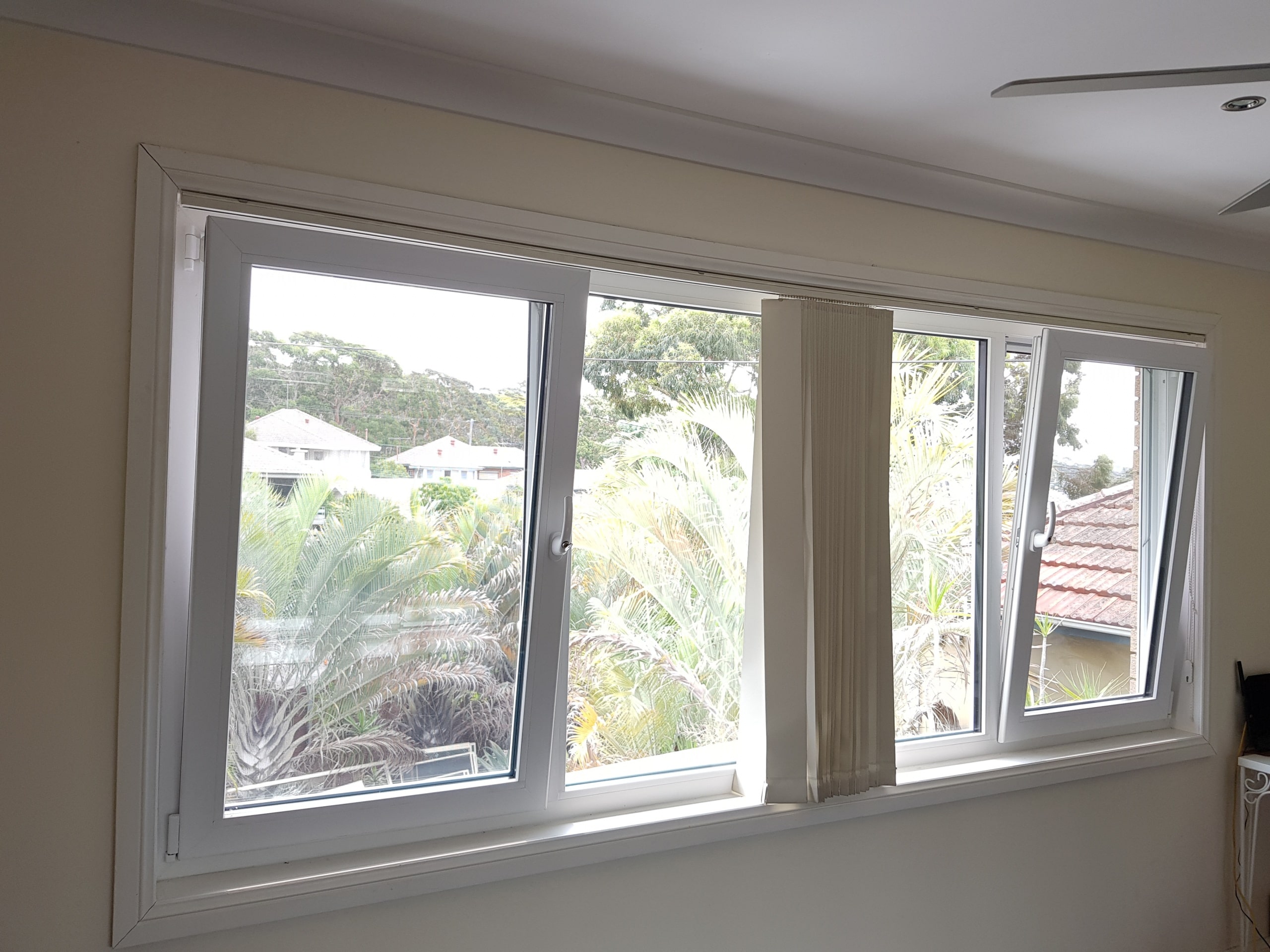
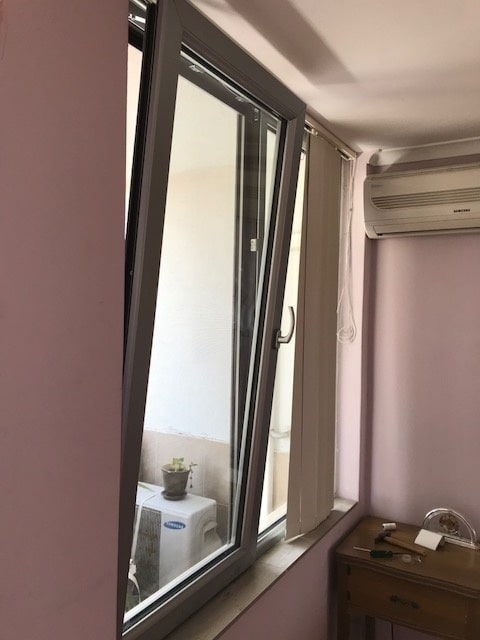
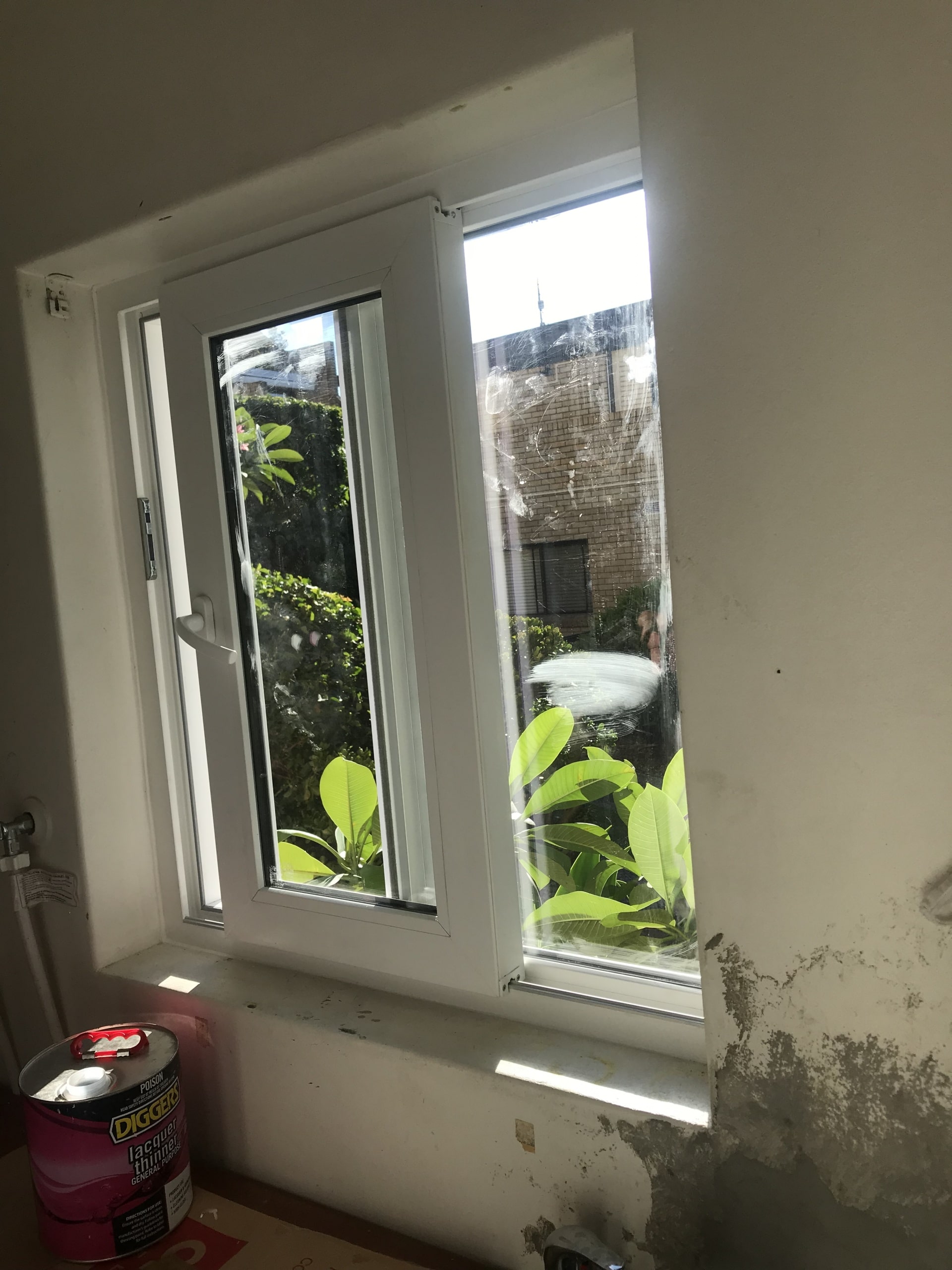
The hardware system allows the window to function in everyday use. Hinges, locks, handles and internal mechanisms must work together to support the weight of the glass and provide smooth, reliable operation.
Well-designed hardware not only improves usability but also contributes to security and sealing performance. Over time, these components must withstand repeated use without losing precision.
Window Size and Structural Considerations
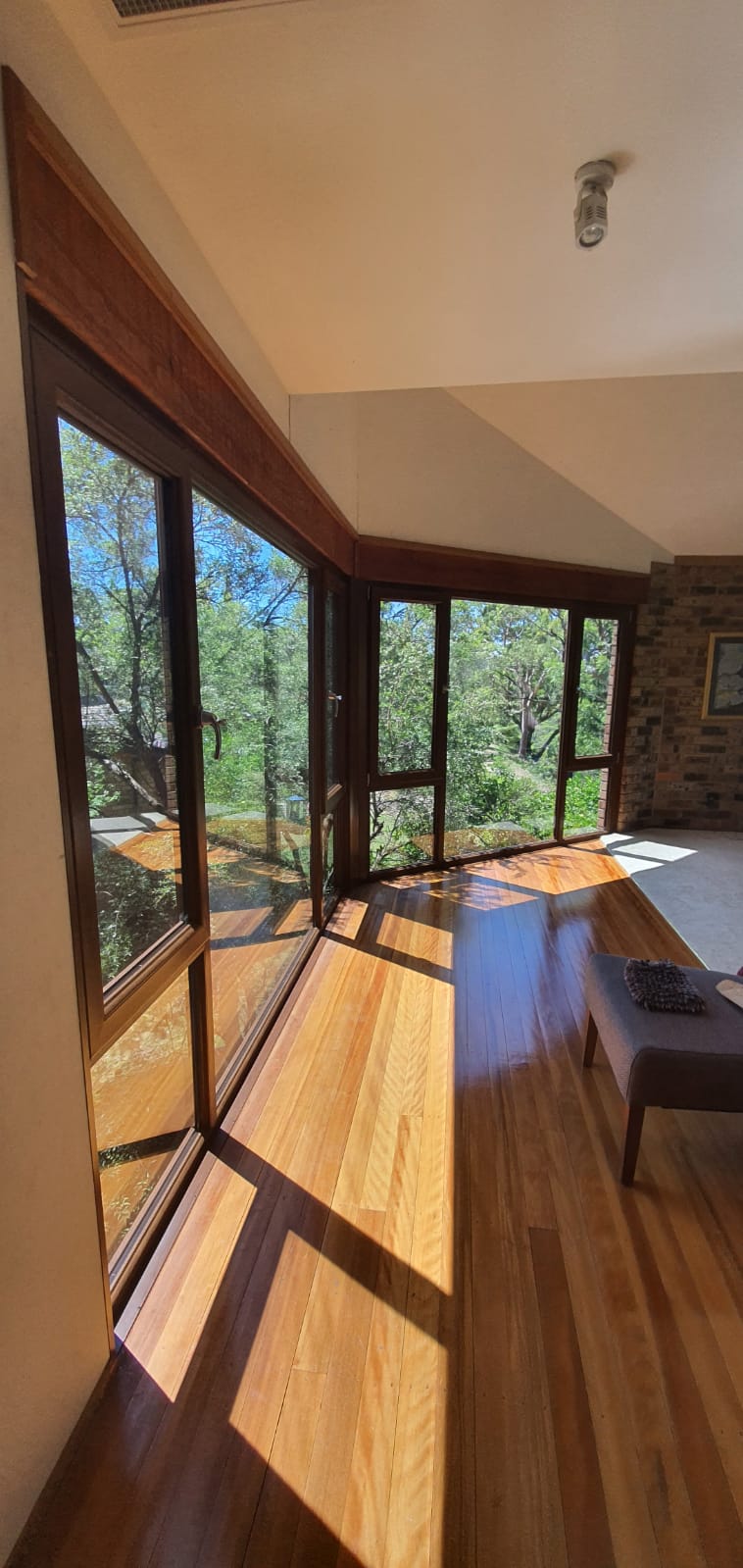
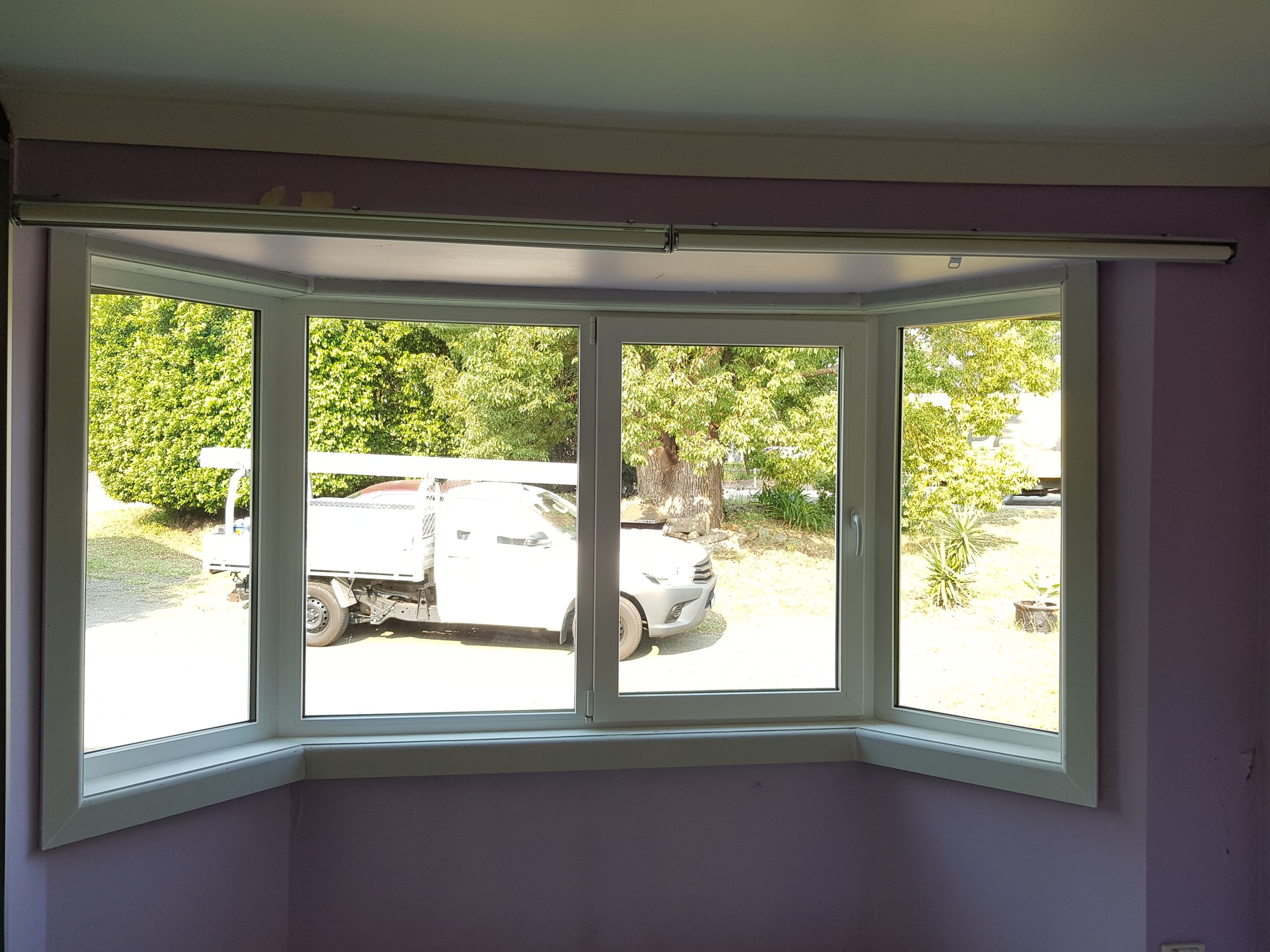
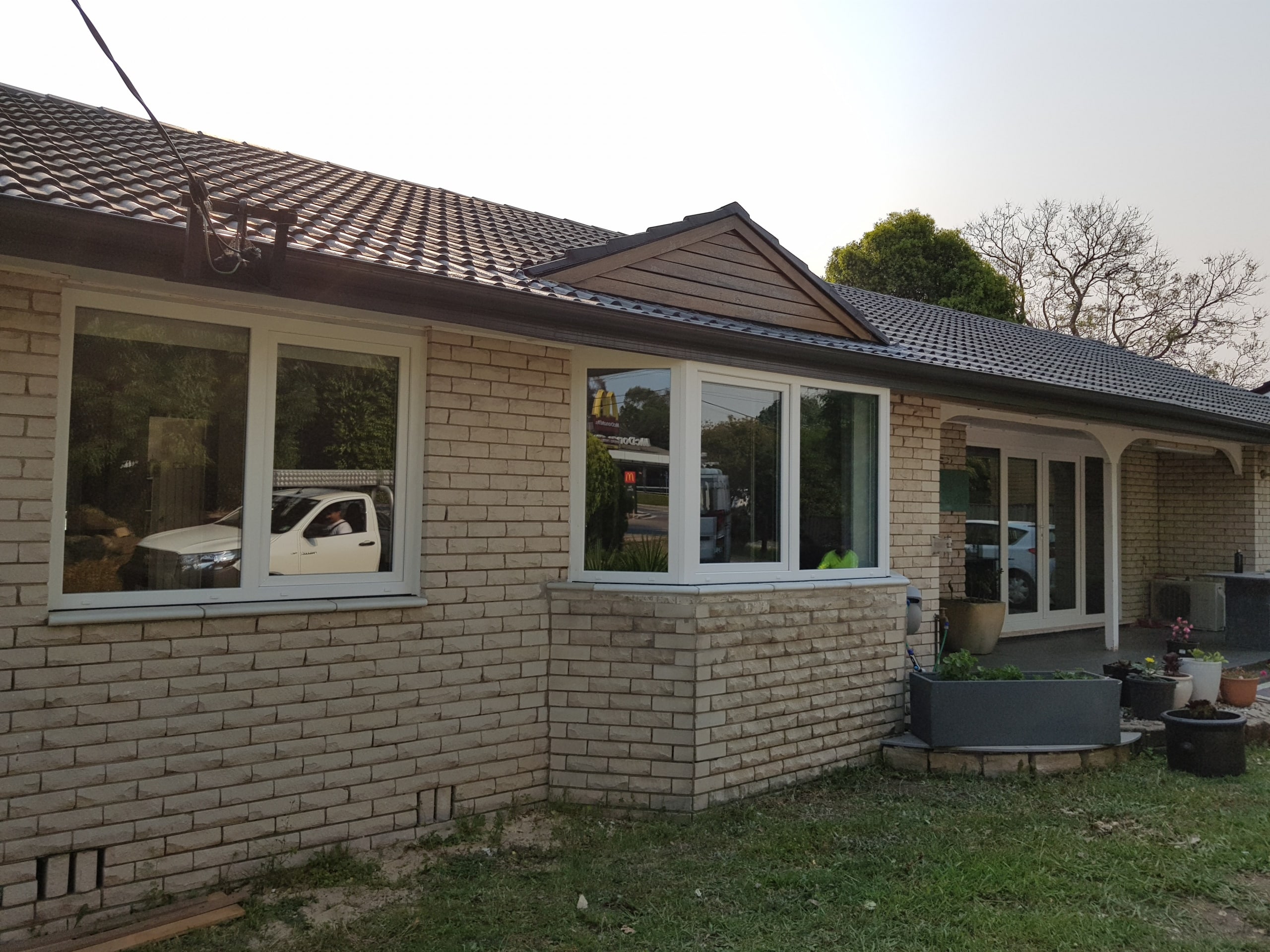
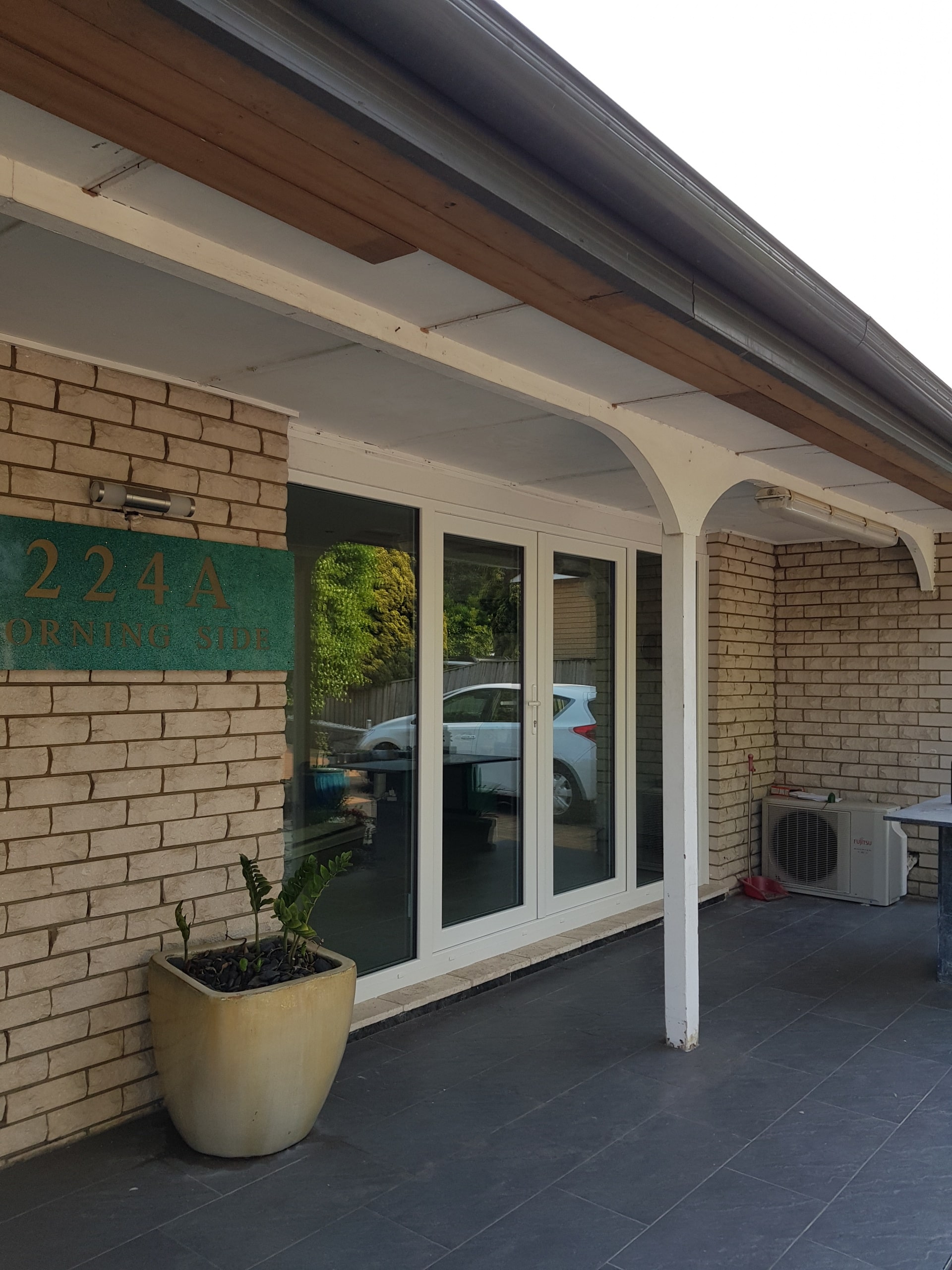
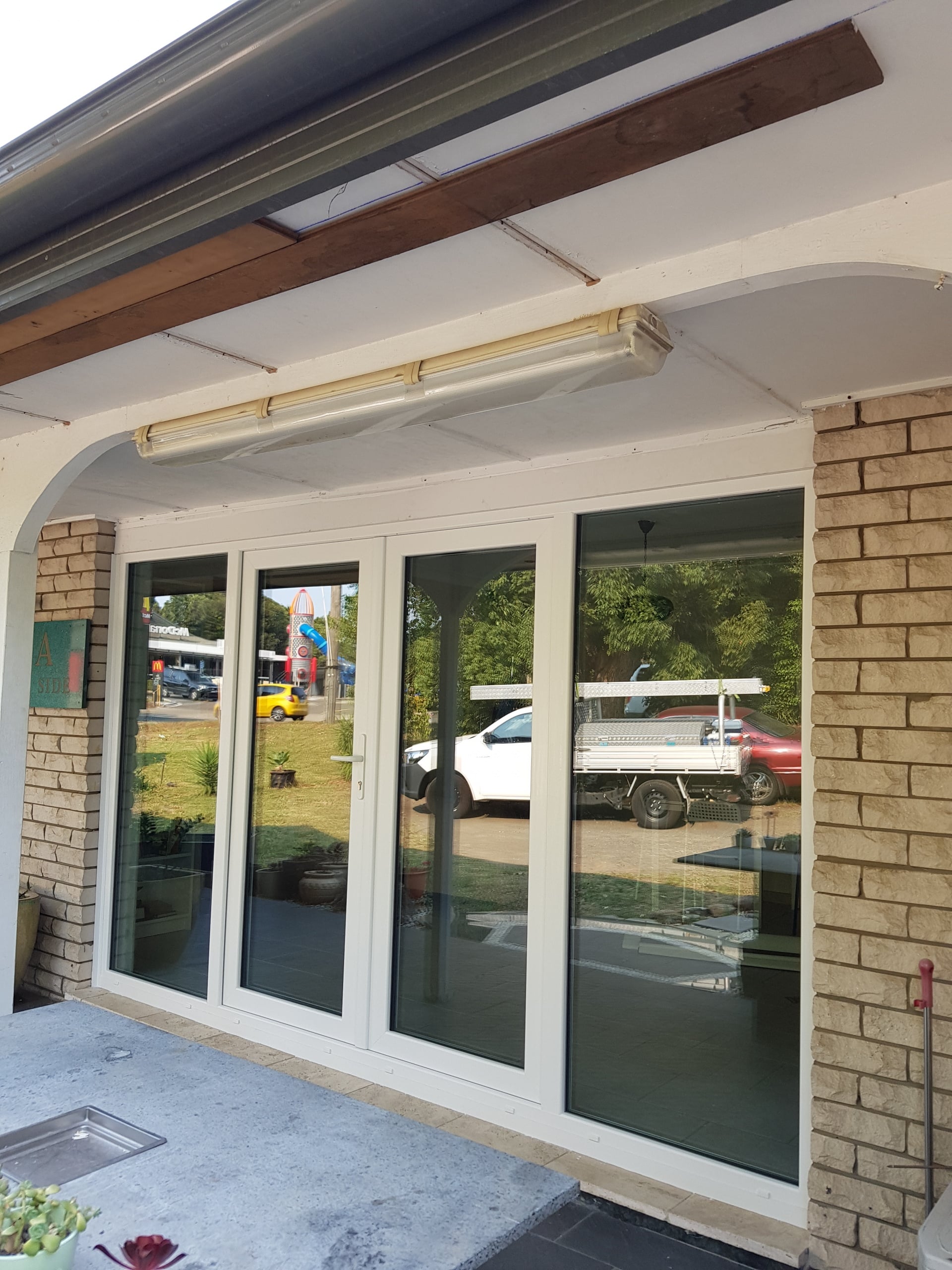
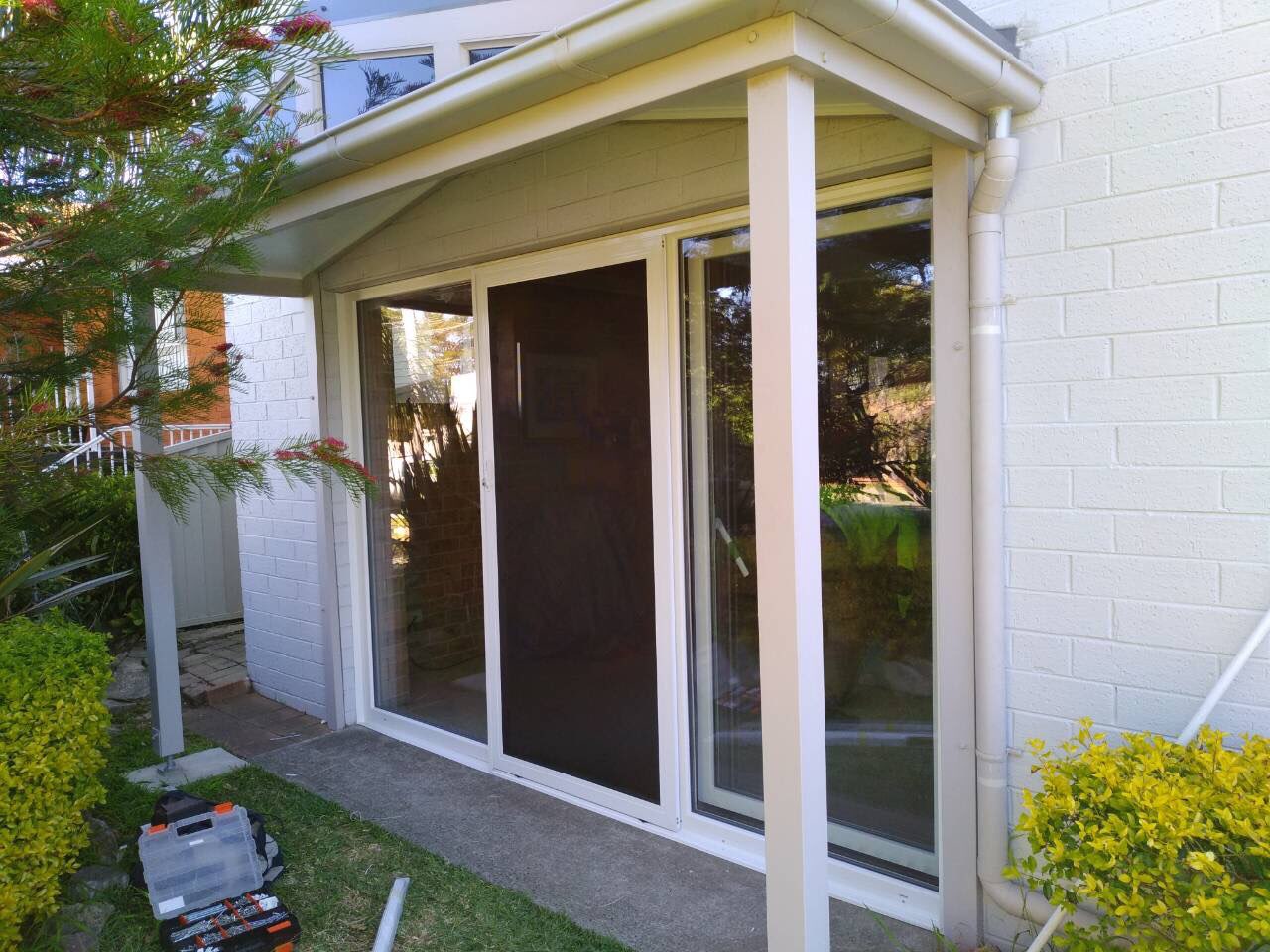
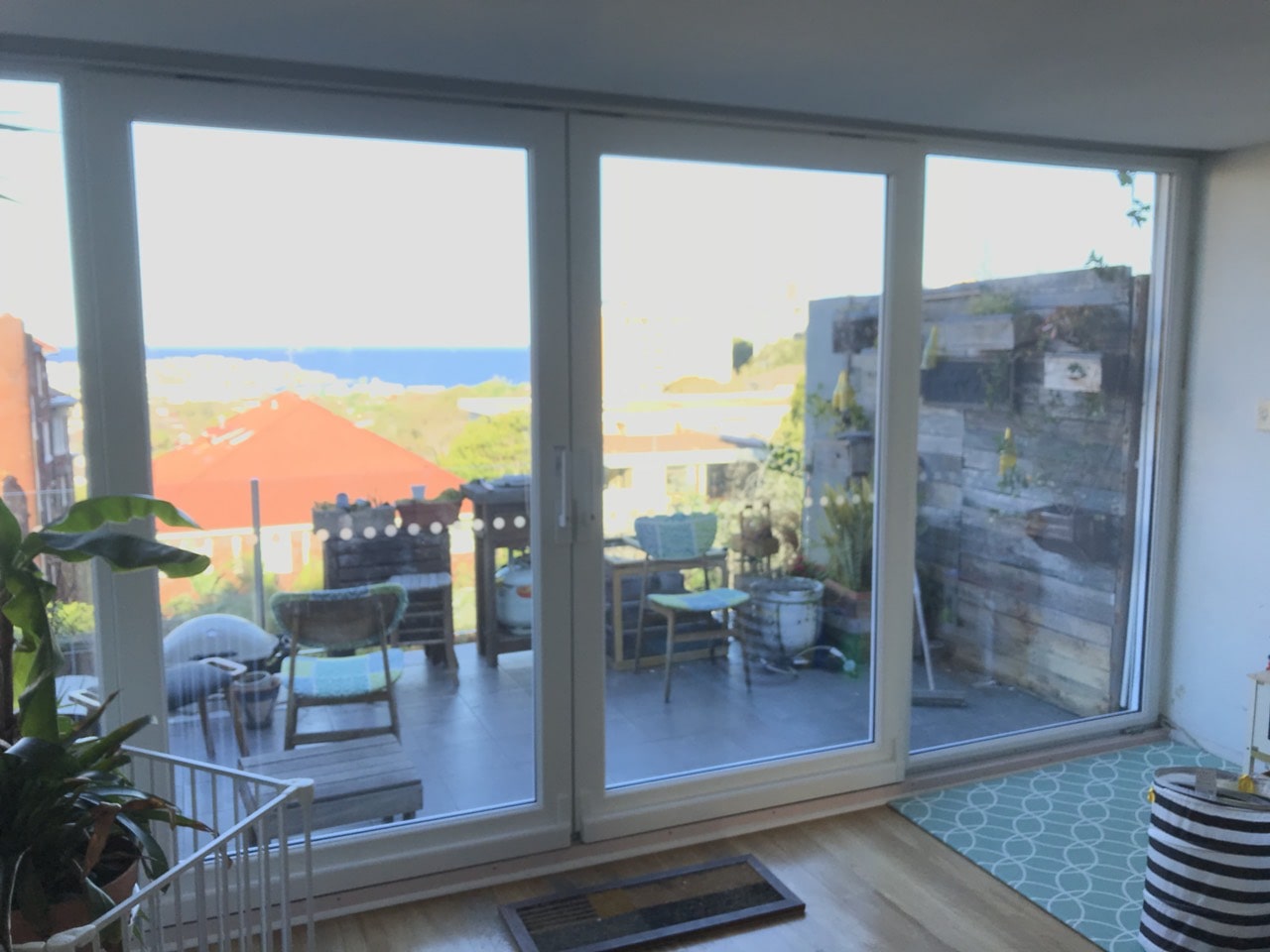
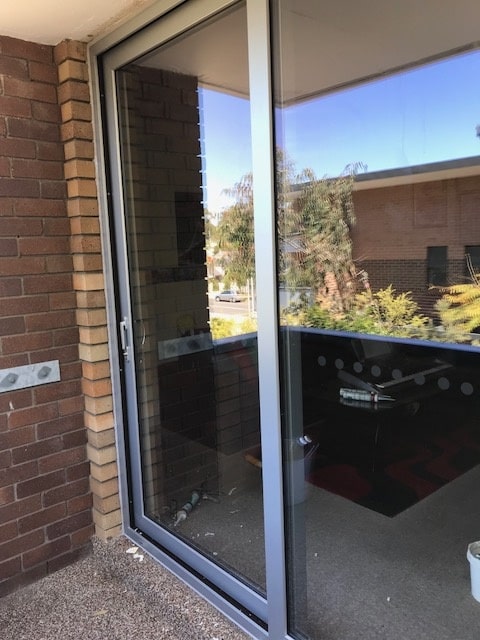
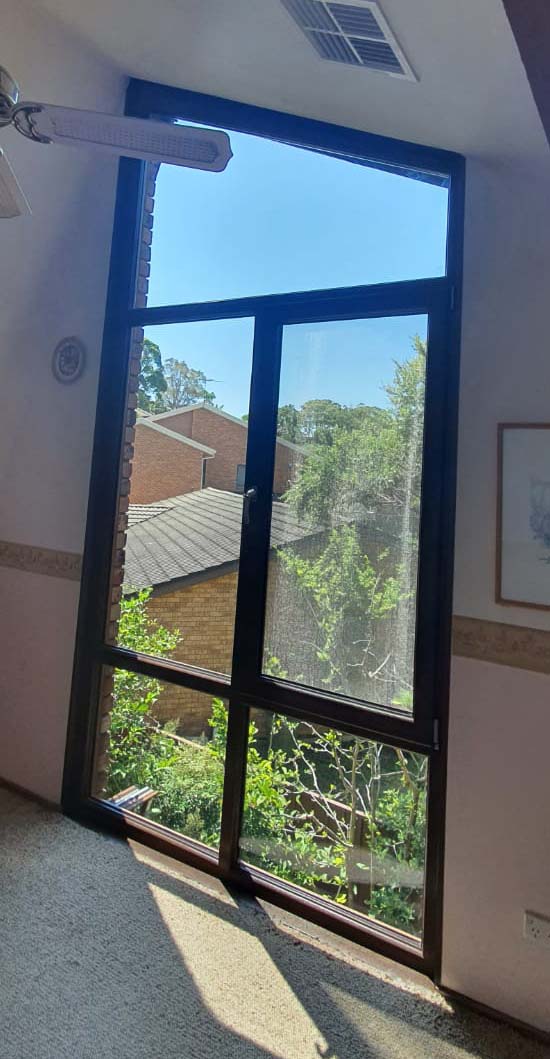
Window size has a direct impact on both design and performance. Larger glazing areas allow more natural light and create a stronger visual connection with the outside environment, but they also require careful structural planning.
Without proper reinforcement and correct glass specification, larger windows may become difficult to operate or lose efficiency over time.
Need a consultation?
Our operators will answer any questions
How Structure Affects Overall Performance
Each component of a window contributes to its overall performance, but no single element works in isolation. A well-designed glazing unit cannot compensate for poor sealing, and even the strongest frame will not perform correctly without reliable hardware.
The effectiveness of a double glazed window comes from how all parts work together as a complete system. This is why similar-looking windows can perform very differently in real conditions.
How Window Systems Differ
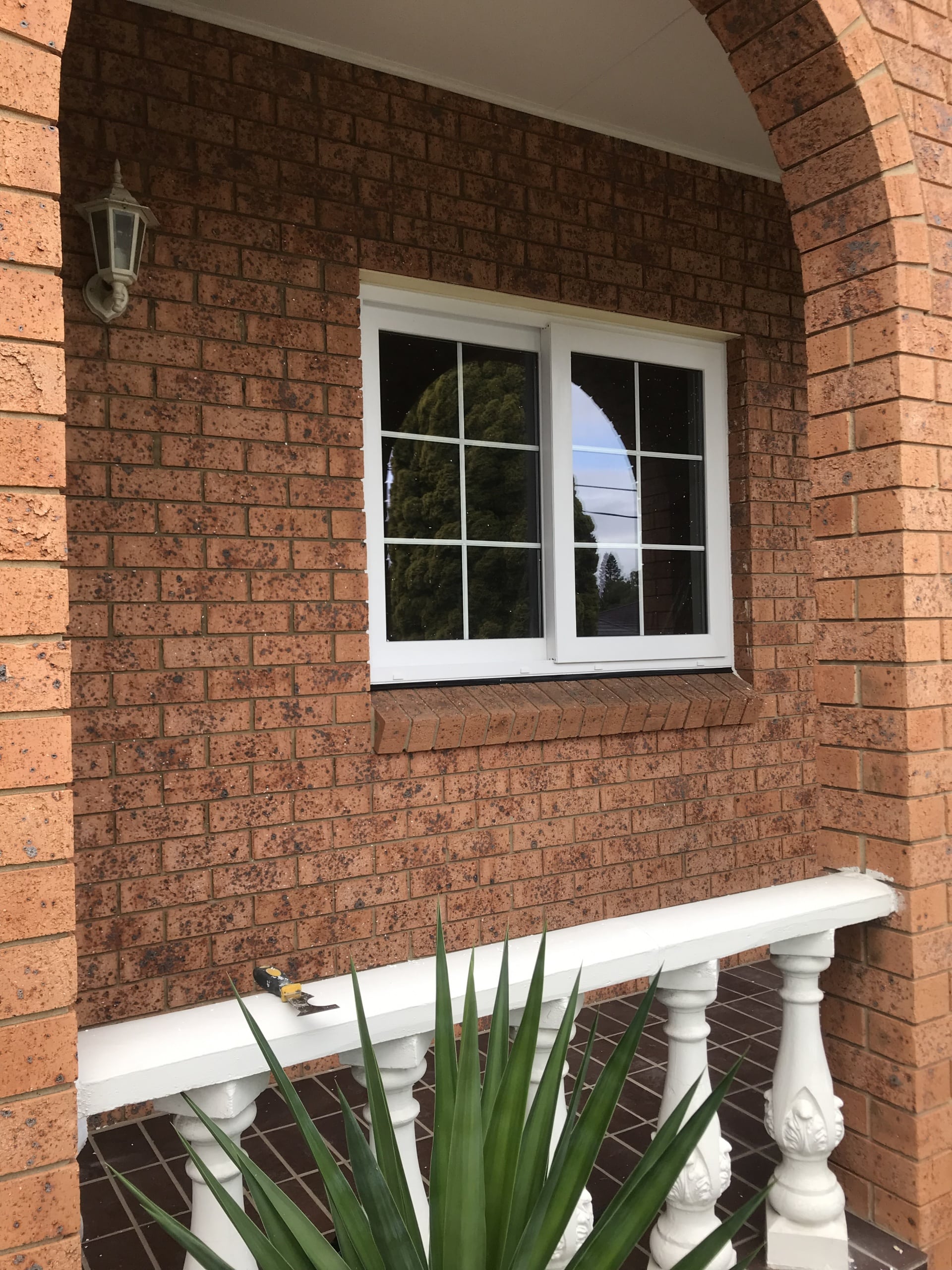
Not all double glazed windows are built the same. Differences in profile design, internal structure, glazing configuration and hardware quality all influence how a window performs over time.
Understanding these structural differences helps explain variations in insulation, durability and overall comfort.
Learn More About Choosing the Right Windows
If you are comparing different options, it is worth exploring a detailed guide that explains how to evaluate window systems based on your needs, budget and home layout.
Get a quote
Contact us today to find out how Prestige Plus specialists can help you solve your problem
FAQ
What are the main parts of a double glazed window?
A window typically includes a frame, glass unit, reinforcement, seals and hardware components.
Why is window structure important?
The structure determines how well the window performs in terms of insulation, durability and usability.
What is inside a uPVC window frame?
Most uPVC frames contain internal chambers and reinforcement for strength and insulation.
What affects the strength of a window?
Frame design, reinforcement and glass thickness all influence structural strength.
Do larger windows need stronger frames?
Yes. Larger windows require additional reinforcement and appropriate glazing to maintain stability.
What role do seals play?
Seals prevent air, moisture and dust from entering, improving insulation and comfort.
Can poor structure affect window performance?
Yes. Even small design issues can lead to drafts, noise or operational problems.
Are all double glazed windows built the same way?
No. Different systems vary in design, materials and overall quality.
What is the most important part of a window?
No single component is most important — performance depends on how all parts work together.
How can I compare window quality?
Look at the overall system, including frame design, glazing, hardware and installation quality.