
In this article:
Timber and uPVC: Two Very Different Materials
How Each Option Handles Temperature Changes
Why Noise Reduction Often Comes Down to Sealing
Maintenance Expectations Over the Life of the Window
Durability in Everyday Conditions
Moisture and Everyday Use
Balancing Appearance With Practical Performance
Looking at Cost Over Time
When Replacement Becomes the Better Option
Which Option Suits Most Homes Today
Final Thoughts
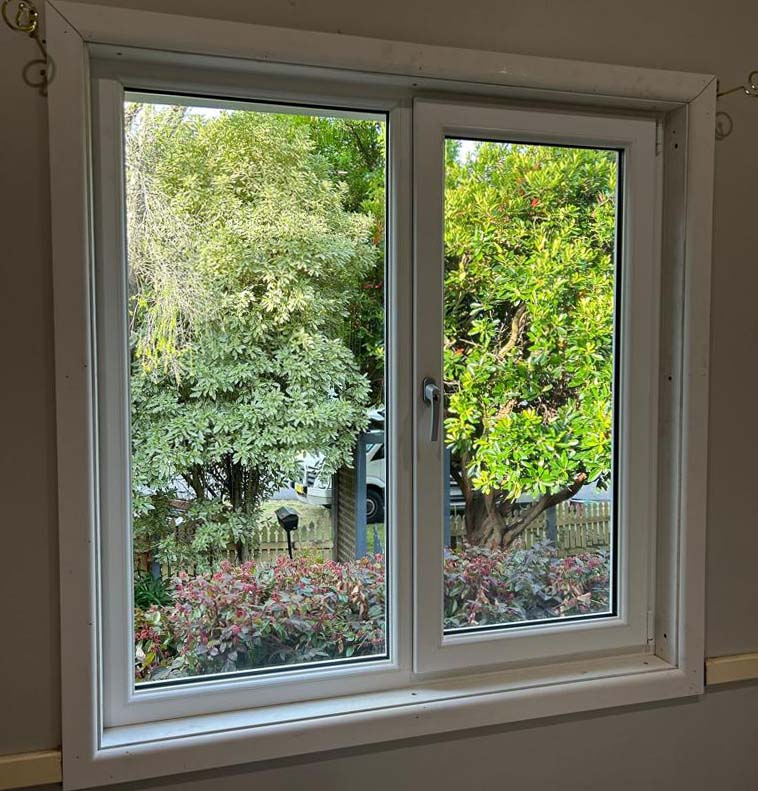
Why Window Material Affects More Than Just Appearance
When homeowners plan a renovation or consider replacing old windows, the first instinct is often to focus on how the frames will look. Timber is associated with traditional character, while uPVC is usually seen as a more modern option.
In practice, the material you choose affects much more than appearance. It influences how comfortable your home feels throughout the year, how much outside noise enters the space, and how much maintenance will be required over time.
In Sydney conditions — where strong sun, humidity, and urban activity all play a role — these differences tend to become noticeable quite quickly.
Timber and uPVC: Two Very Different Materials
Although both options serve the same purpose, they behave in fundamentally different ways.
Timber is a natural material that reacts to environmental conditions. Changes in temperature and moisture can cause subtle expansion and contraction, which may affect how the window performs over time.
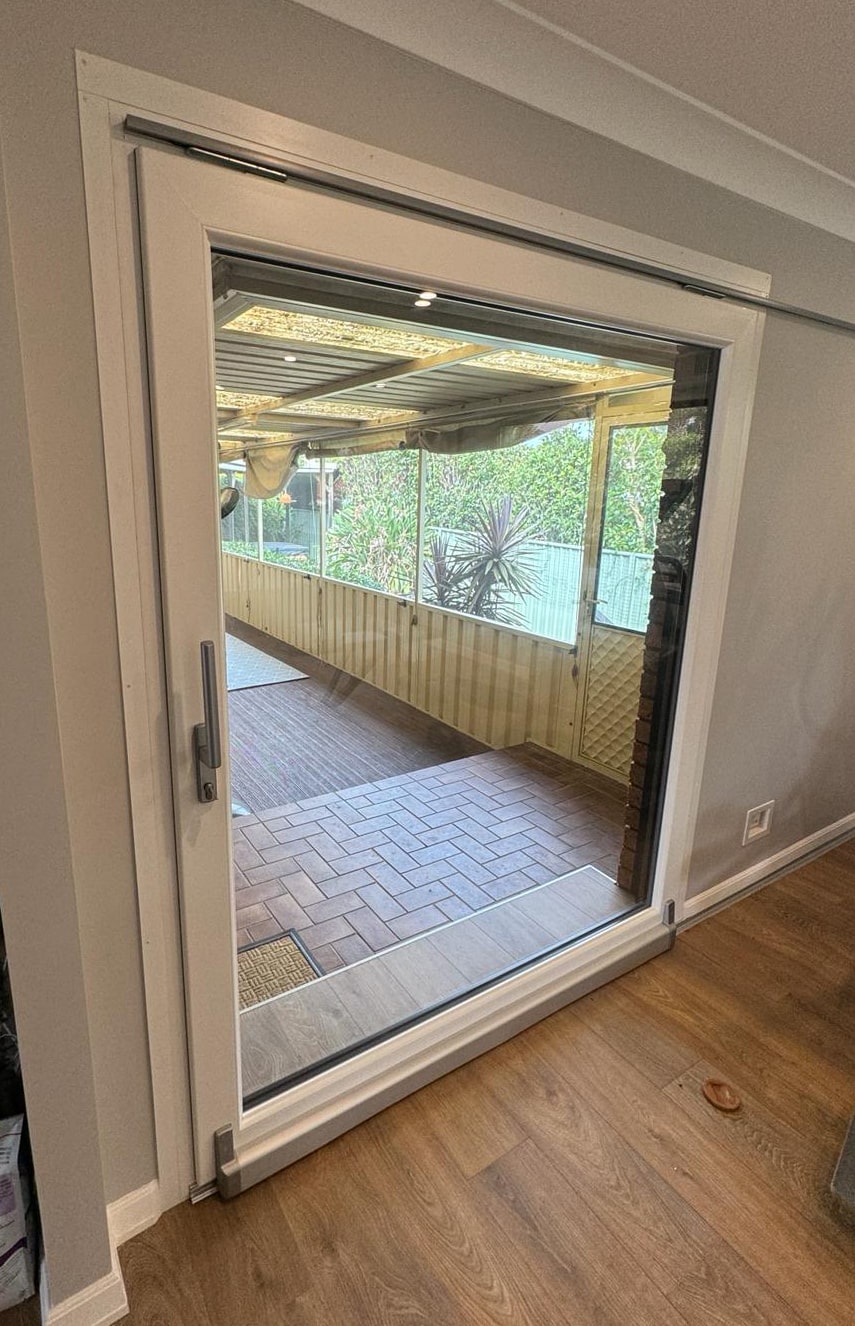
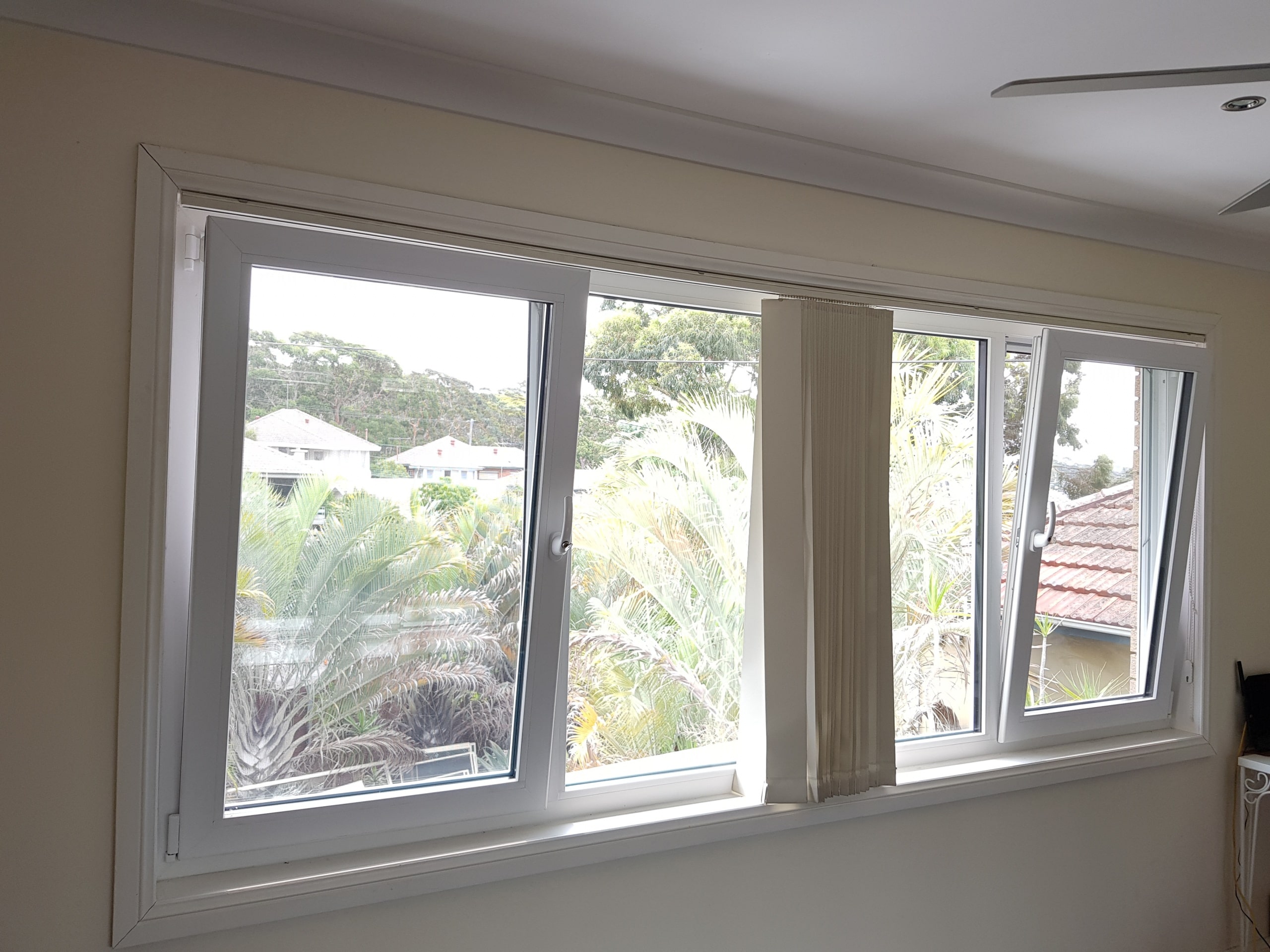
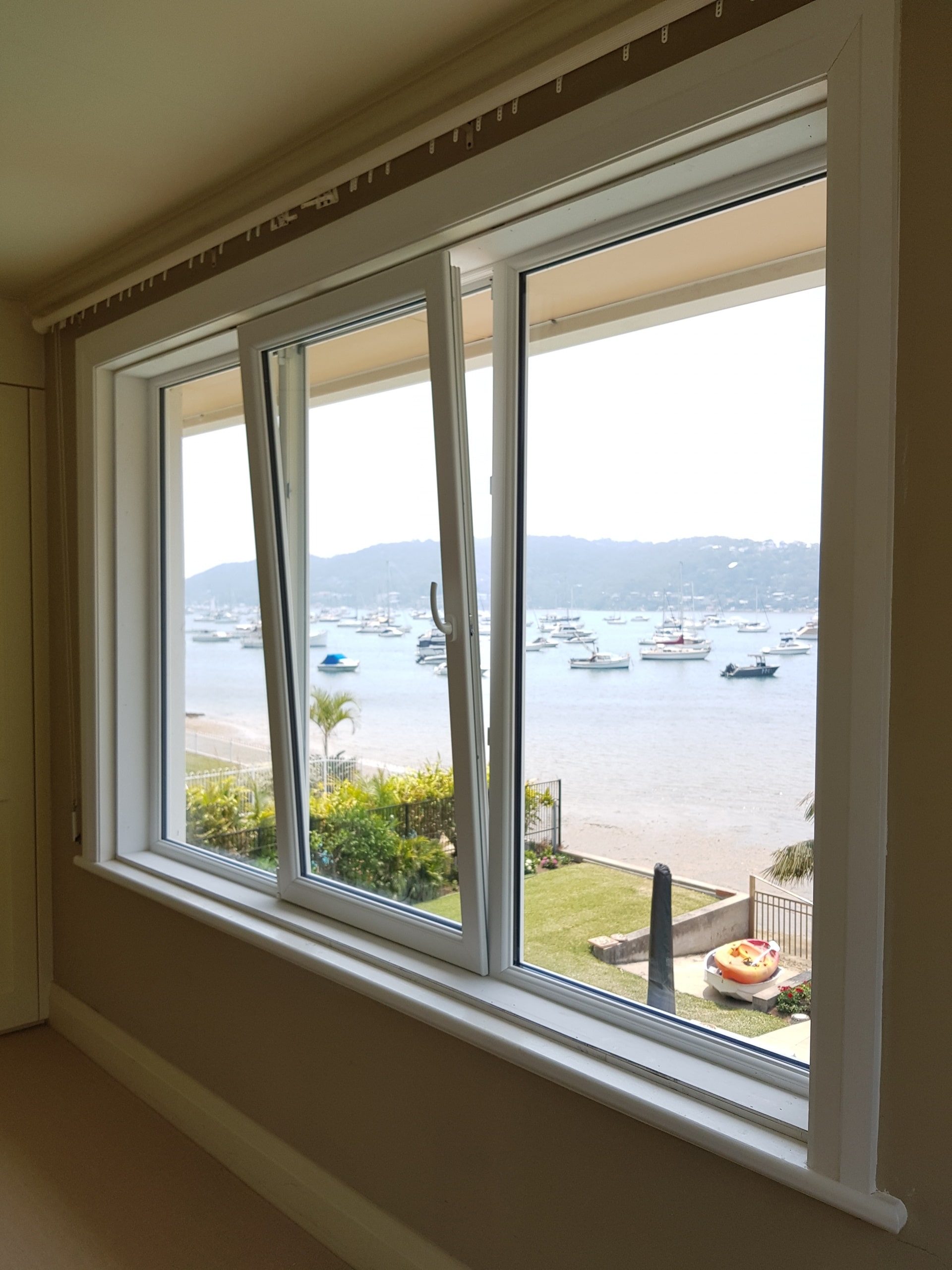
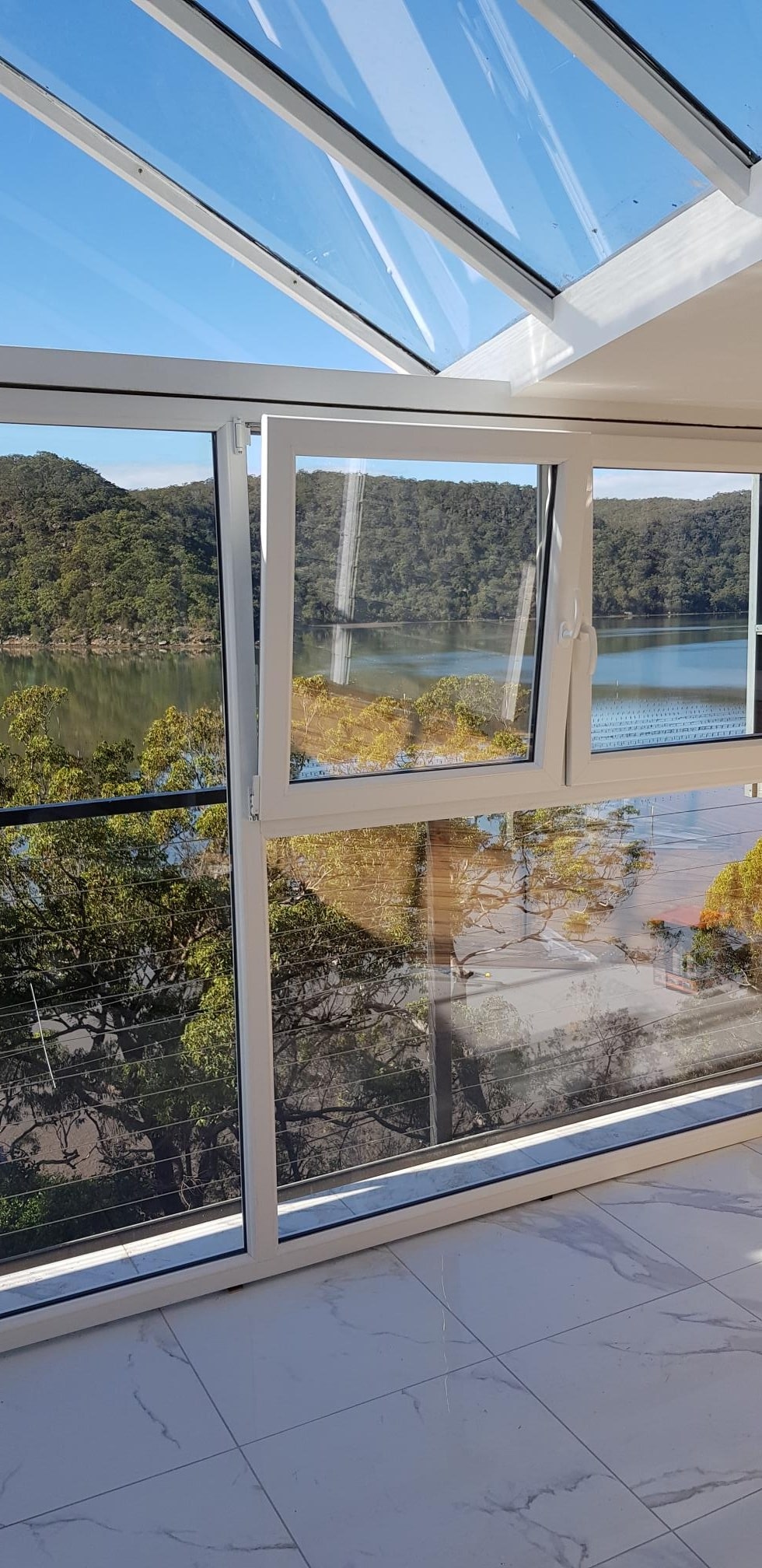
uPVC is an engineered material designed specifically for window systems. It is intended to remain stable under varying conditions and to maintain consistent sealing as part of a complete system.
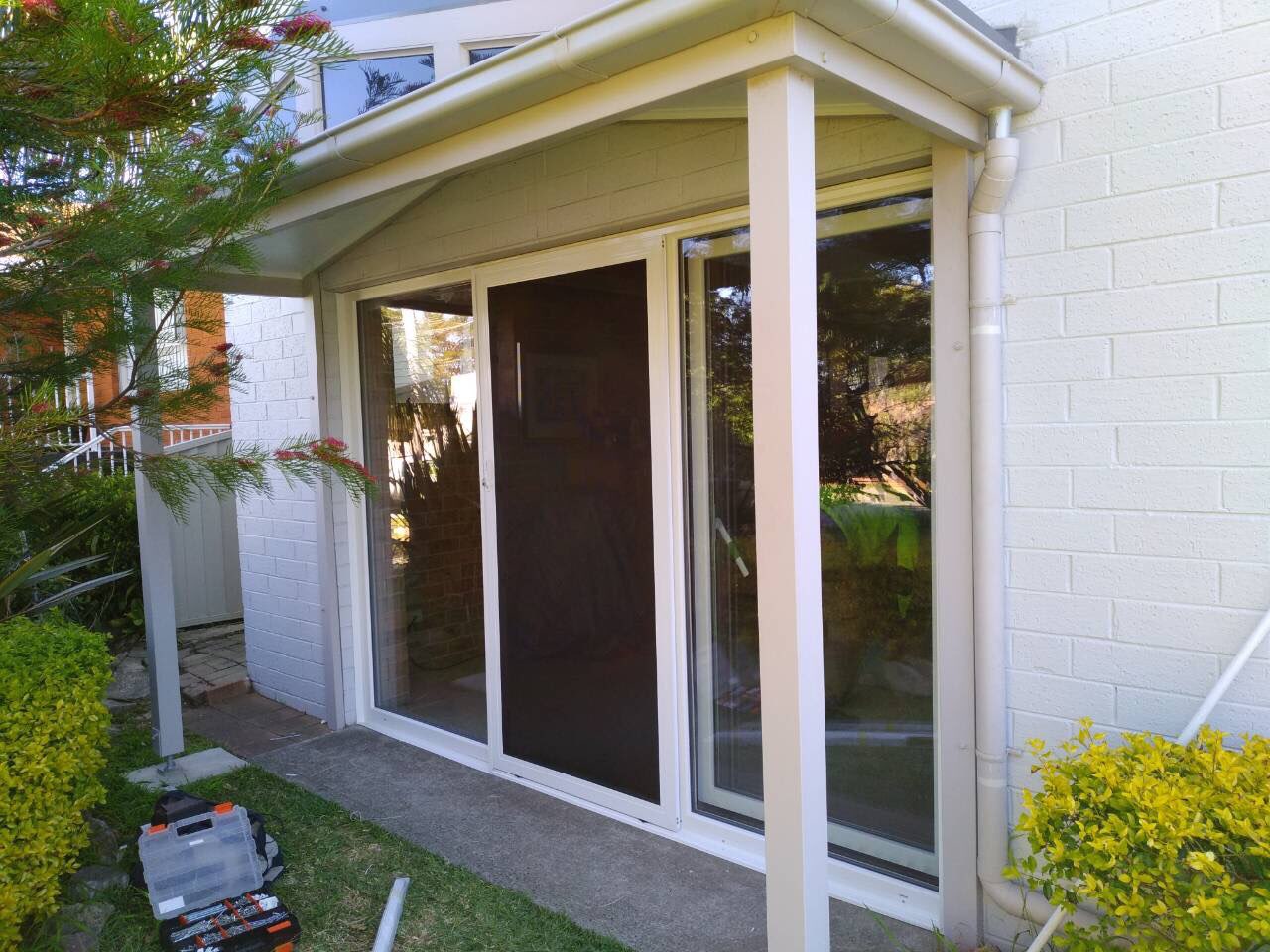
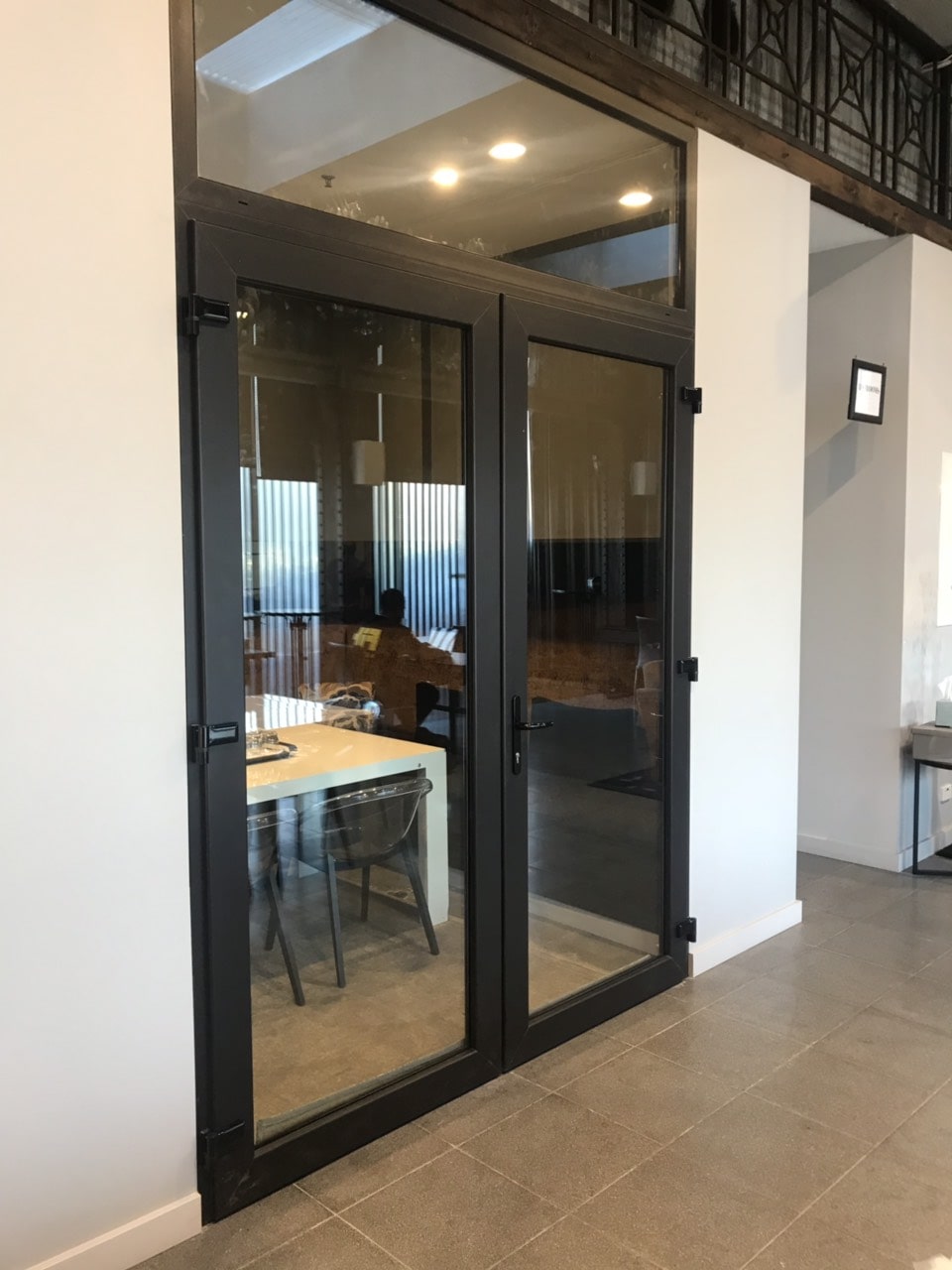
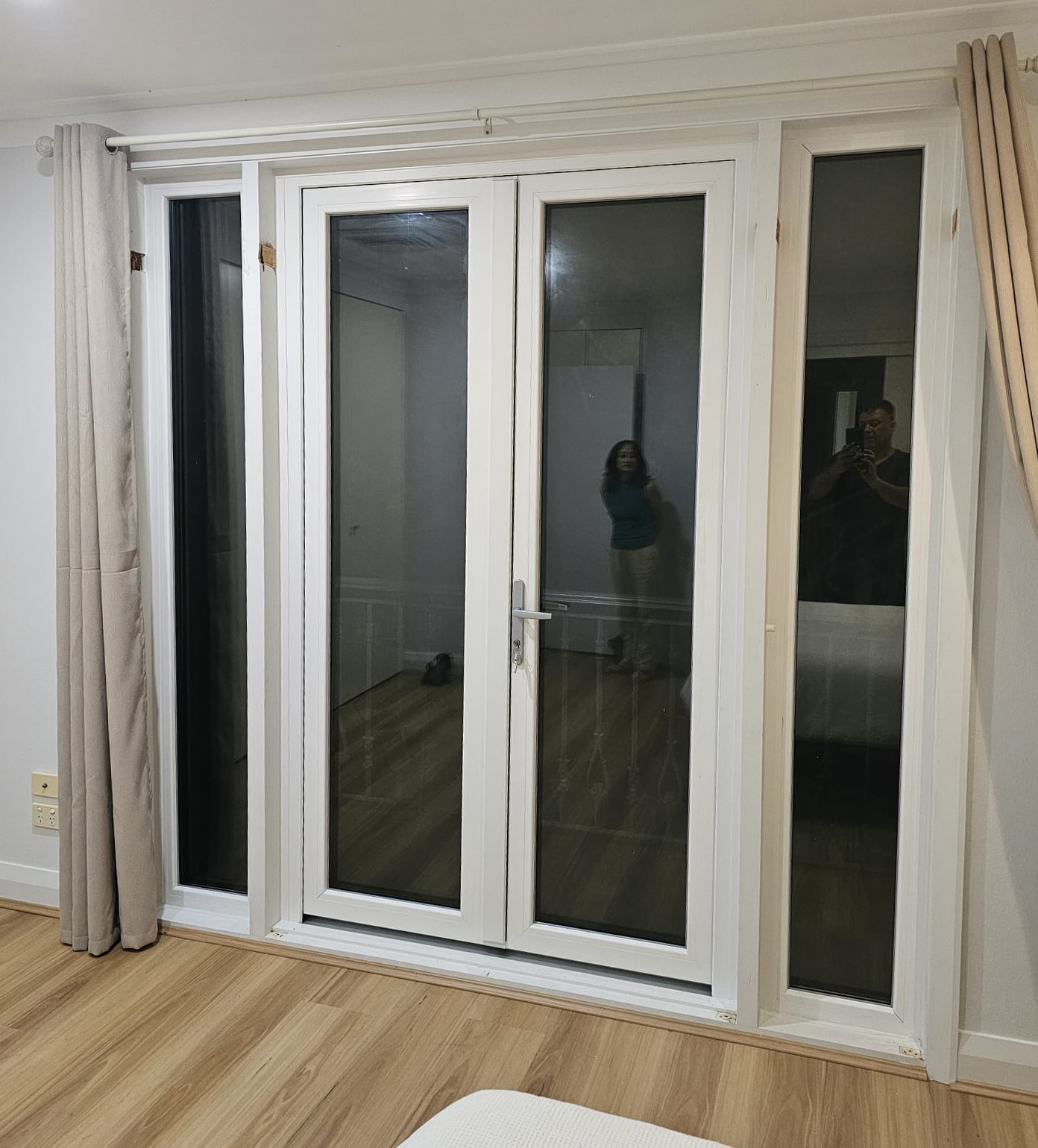
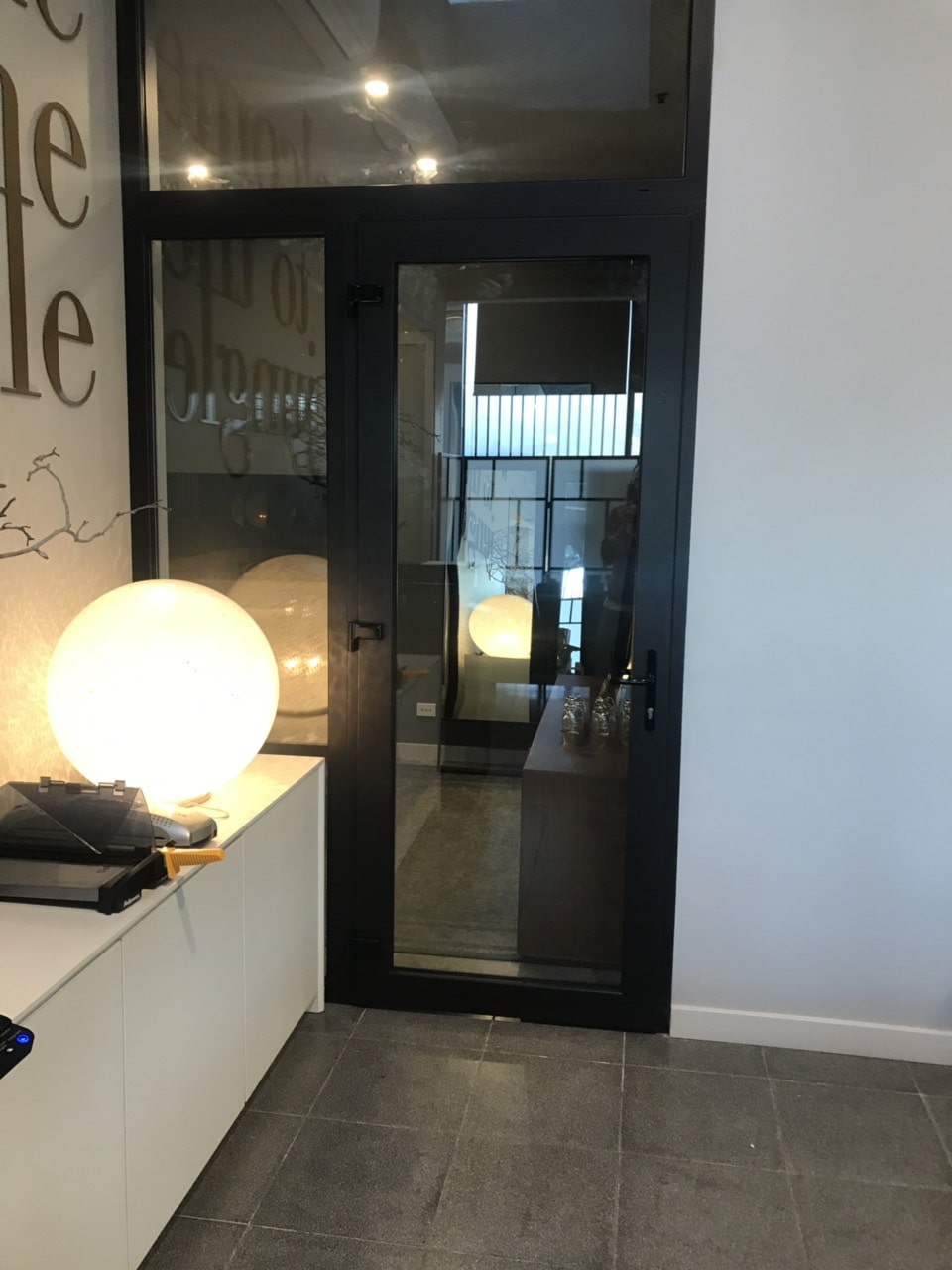
Modern uPVC windows in Sydney are built around this principle of stability, which is why they are commonly used in contemporary residential construction.
How Each Option Handles Temperature Changes
One of the most noticeable differences between timber and uPVC appears during seasonal changes.
Timber offers natural insulation, and when new, it can perform well. Over time, however, movement within the material can affect how tightly the window seals. Even small gaps may allow heat to escape during winter or enter during summer.
uPVC frames are designed to avoid this issue. Because they do not absorb moisture or shift significantly, the seal around the window tends to remain consistent.
With properly designed double glazed windows in Sydney, the frame and glazing work together to reduce heat transfer and support a more stable indoor environment.
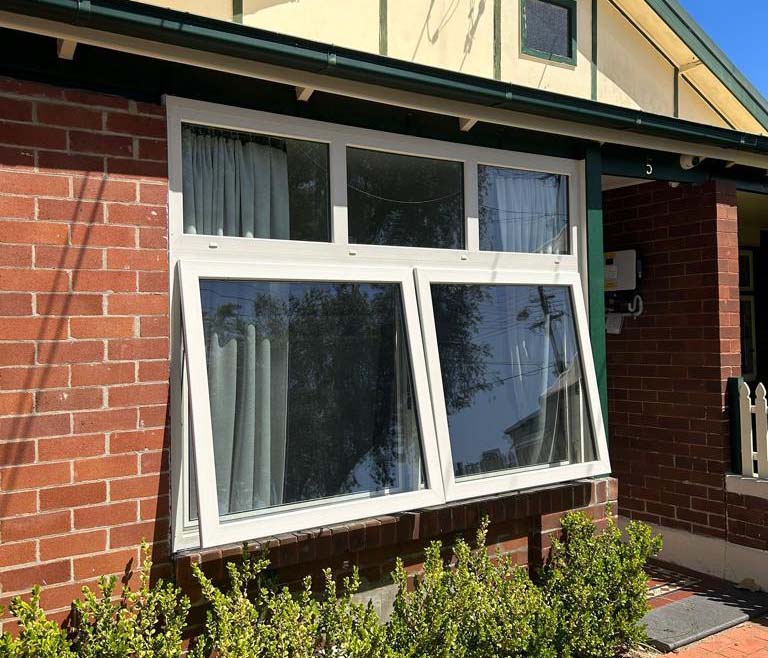
Why Noise Reduction Often Comes Down to Sealing
Noise reduction is often less about the material itself and more about how well the window is sealed.
Timber windows can perform well when properly maintained, but over time, natural movement in the material can affect airtightness. Even minor changes may allow sound to pass through more easily.
uPVC window systems are designed with compression seals that remain effective over time. This helps limit air leakage, which is one of the primary pathways for sound entering a home.
In areas affected by traffic or general suburban noise, this difference can have a noticeable impact on everyday comfort.
Maintenance Expectations Over the Life of the Window
Maintenance is often where the practical differences between timber and uPVC become most apparent.
Timber windows require ongoing care to maintain their appearance and protect the material. Paint or protective coatings gradually degrade under exposure to sun and moisture, and regular upkeep is necessary to prevent deterioration.
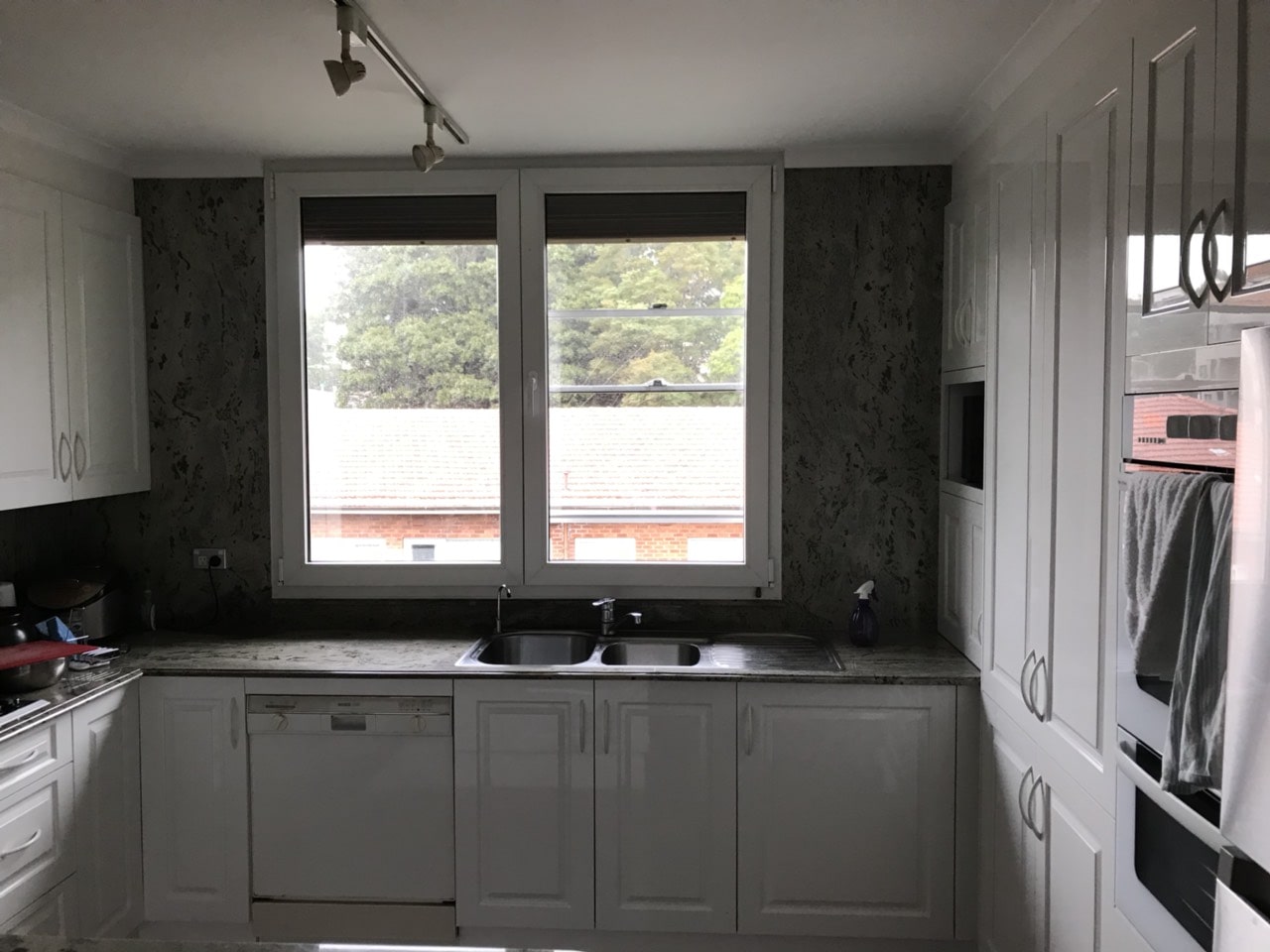
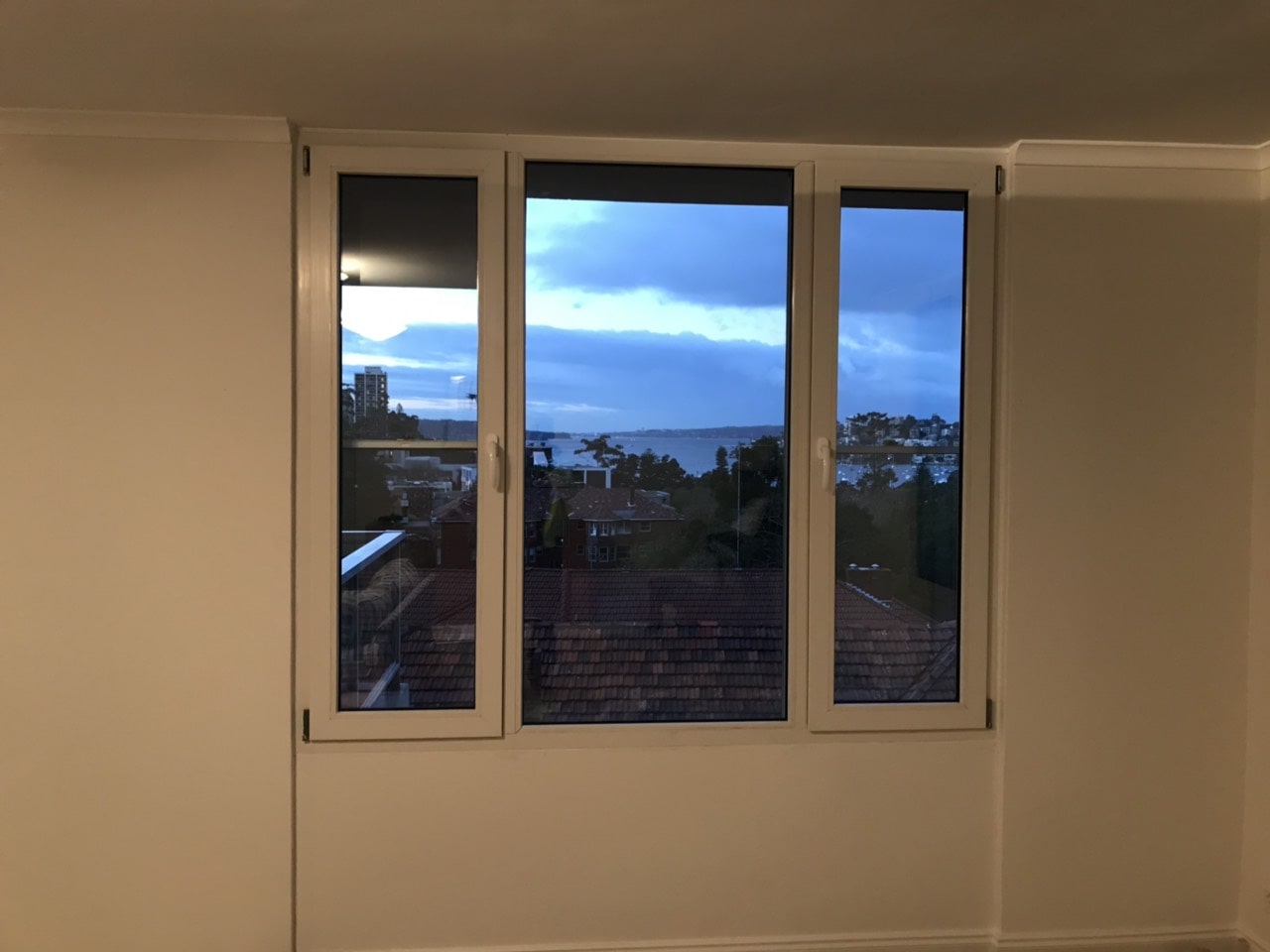
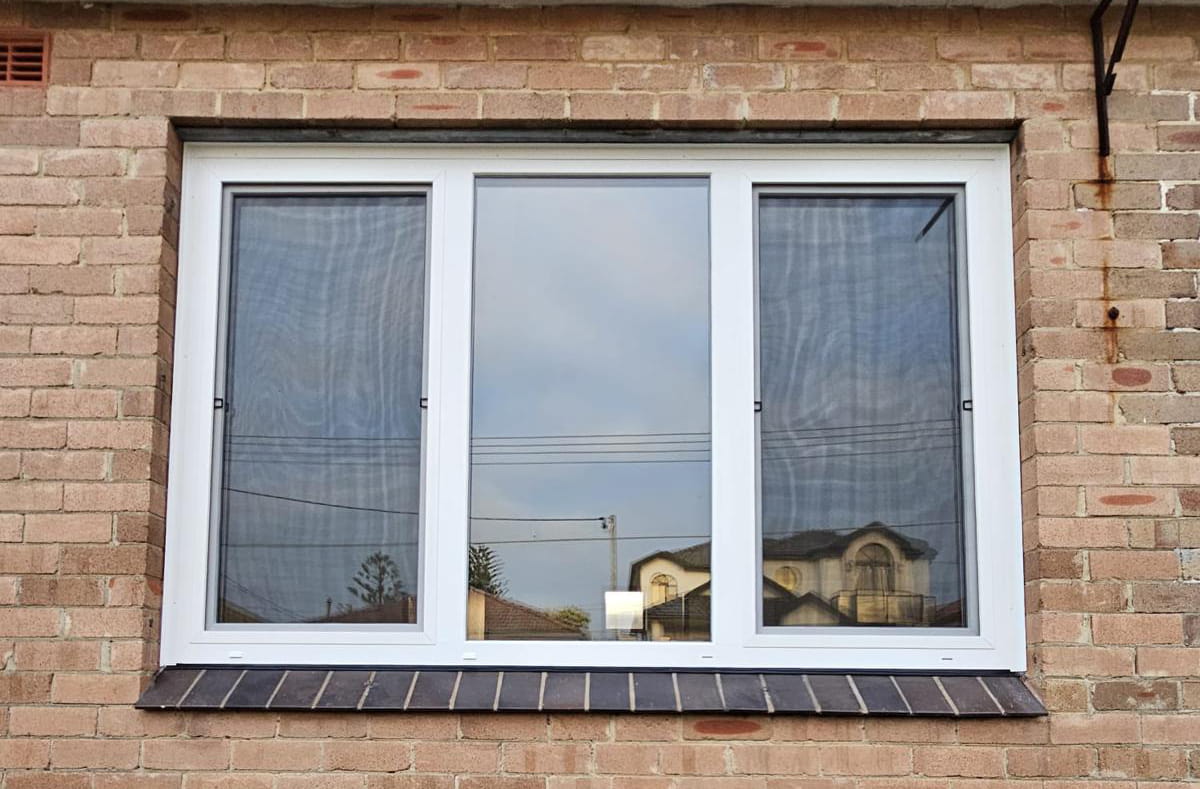
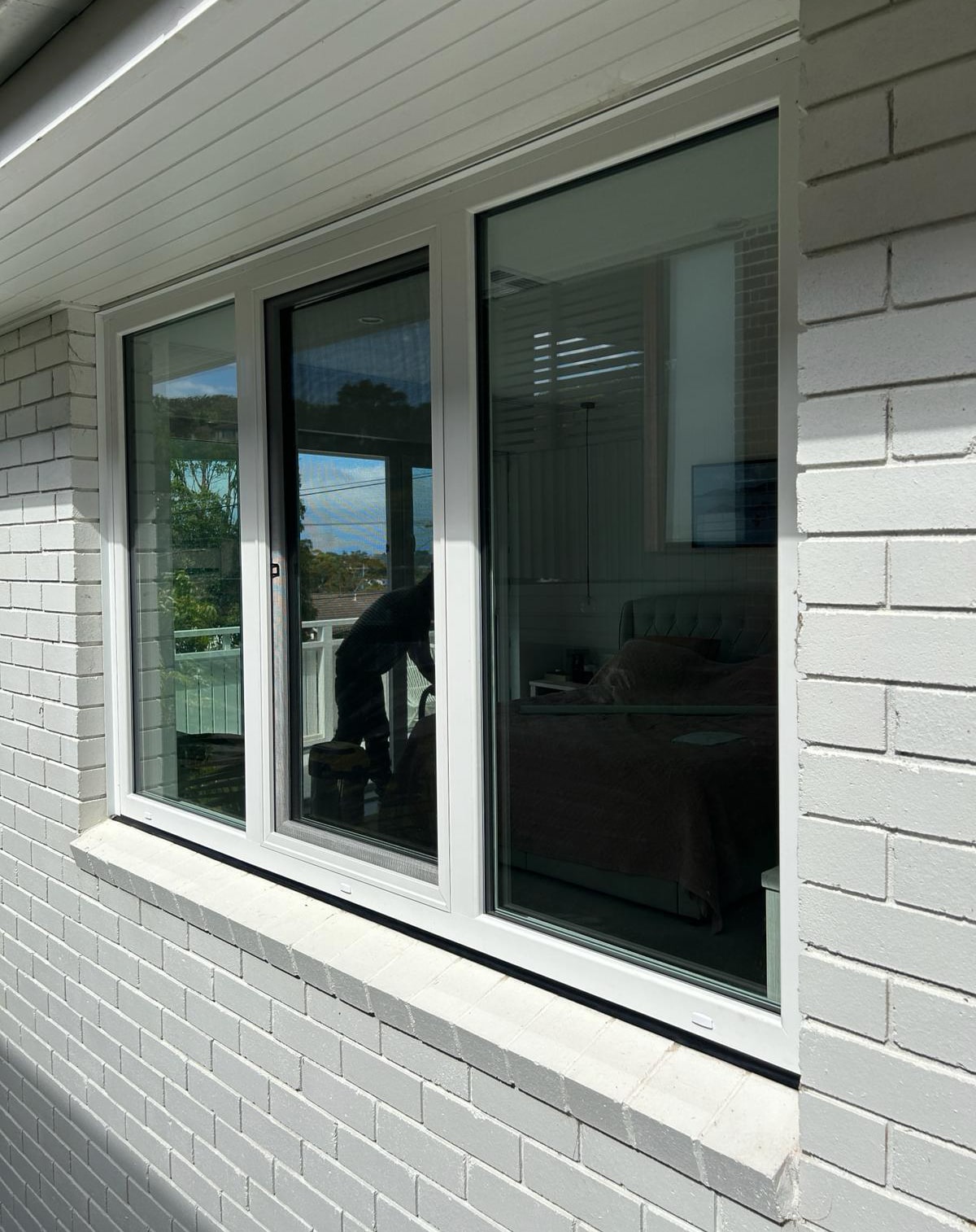
uPVC frames, by contrast, do not require repainting and are maintained through simple cleaning. Because the material does not absorb moisture, issues such as swelling or rot are not a concern. For many homeowners, this lower level of maintenance becomes a significant advantage.
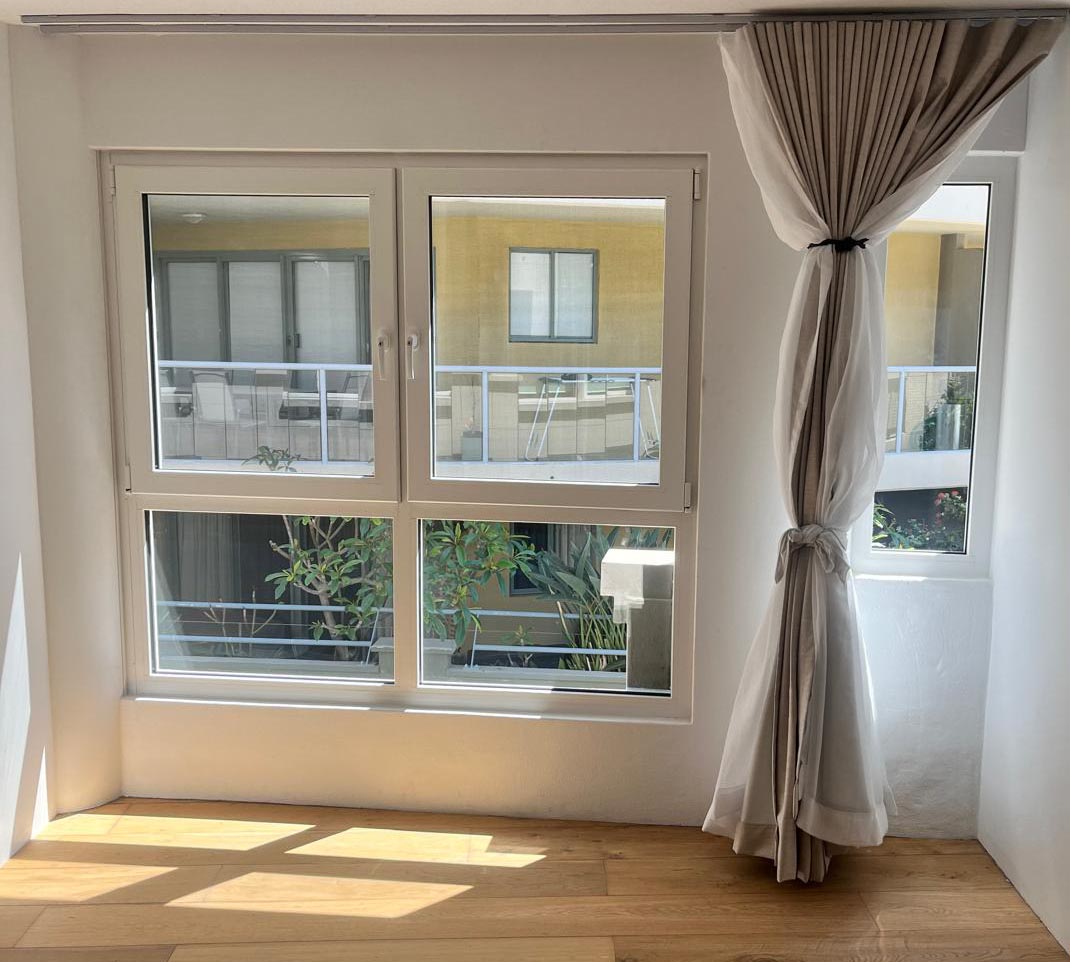
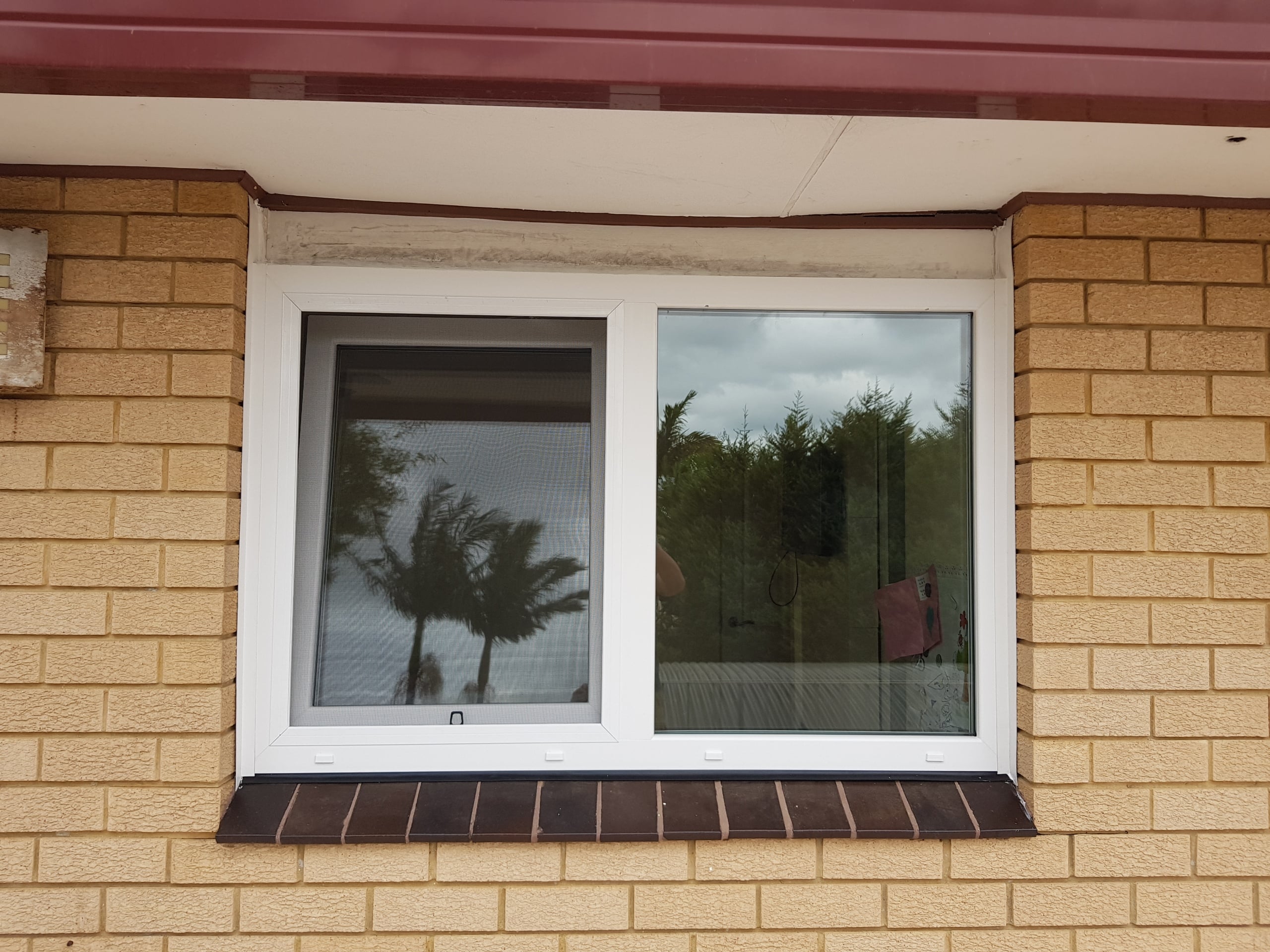



Durability in Everyday Conditions
Sydney’s climate places continuous stress on external materials. Sun exposure, humidity, and seasonal variation all influence how windows age.
With timber, long-term performance depends on factors such as the type of wood, the quality of the finish, and how consistently maintenance is carried out. As a result, outcomes can vary between homes.
uPVC offers a more predictable result. It does not rot, corrode, or warp, and it maintains structural stability over time. This supports consistent sealing and reliable operation across years of use.
Moisture and Everyday Use
In areas such as kitchens, bathrooms, and laundries, moisture becomes an important consideration.
Timber can absorb moisture if protective coatings are compromised, which may lead to changes in shape or surface condition. This can affect both operation and sealing.
uPVC is not affected by moisture in the same way. Its resistance to humidity helps maintain both functionality and appearance, even in conditions where condensation is more likely.
Need a consultation?
Our operators will answer any questions
Balancing Appearance With Practical Performance
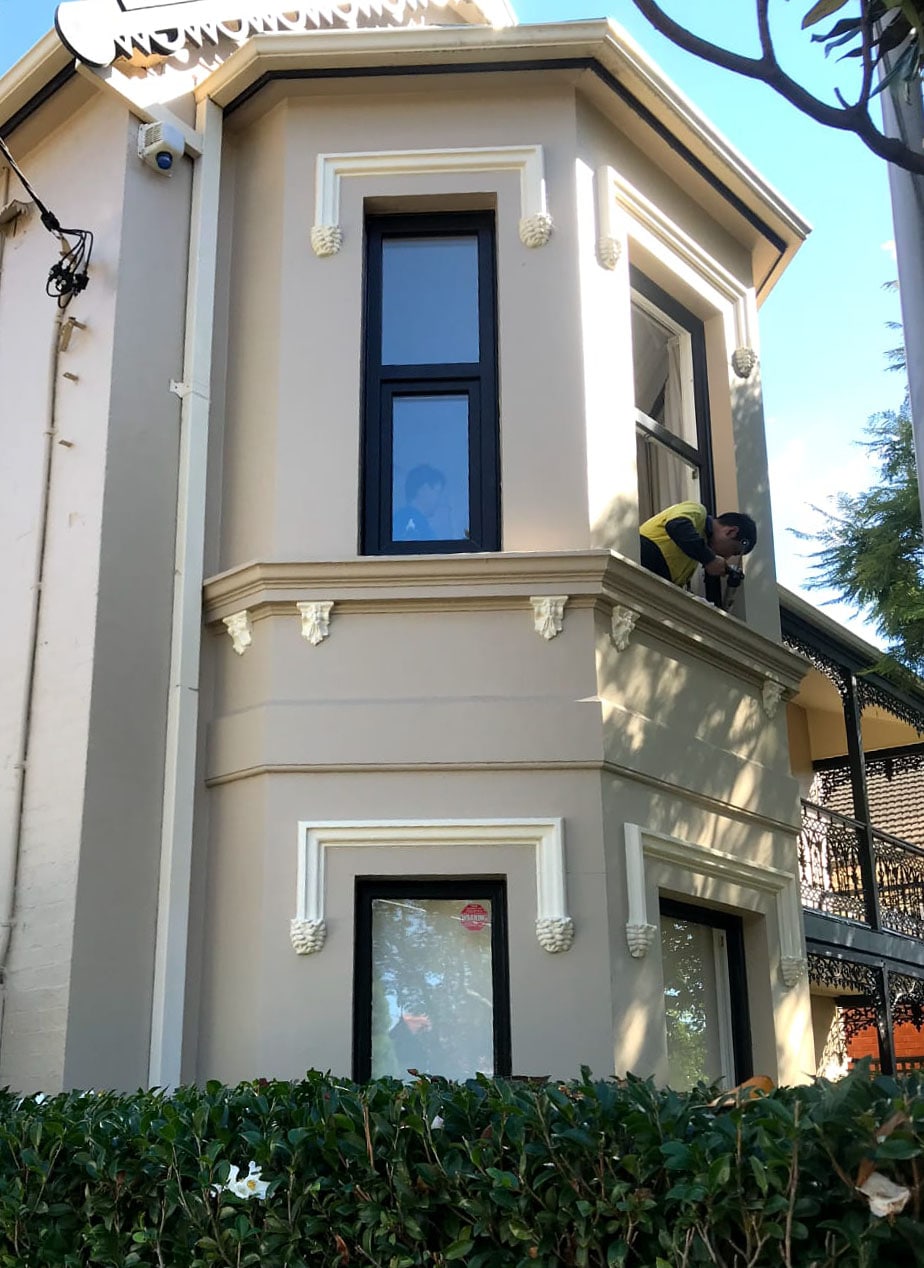
For some homes, particularly those with heritage elements, timber windows may be selected to match the architectural style.
In most modern residential settings, however, homeowners tend to balance appearance with performance and maintenance. uPVC systems are available in finishes that suit contemporary designs and integrate well into a wide range of homes.
Looking at Cost Over Time
Initial pricing is only one part of the overall decision.
Timber windows can involve higher upfront costs, particularly when custom joinery is required. Over time, maintenance adds to the overall investment.
uPVC windows often provide more predictable long-term costs. Without the need for ongoing surface treatment, the lifetime expense is typically easier to manage.
When Replacement Becomes the Better Option
There are situations where replacing windows provides better results than continuing to repair them. If drafts are noticeable, outside noise is increasing, or maintenance becomes frequent, replacement may offer a more practical long-term solution.
Upgrading to modern systems from Prestige Plus can significantly improve both comfort and performance.
Which Option Suits Most Homes Today
When insulation, noise control, durability, and maintenance are considered together, many homeowners prioritise solutions that offer consistent performance.
Timber windows may still be appropriate in specific architectural situations. In most everyday residential applications, however, uPVC double glazed systems provide a more stable and practical outcome.
Final Thoughts
Choosing between timber and uPVC is a long-term decision that affects how your home feels and functions.
Materials that remain stable, require less maintenance, and support modern glazing systems tend to deliver more predictable results.
If you are considering upgrading your windows, speaking with a specialist can help you determine the most suitable solution for your home.
Get a quote
Contact us today to find out how Prestige Plus specialists can help you solve your problem
FAQ
Are timber windows better than uPVC?
Timber can suit certain architectural styles, but uPVC windows generally provide more consistent performance in insulation, noise reduction, and maintenance.
Do timber windows require ongoing maintenance?
Yes, timber windows typically need repainting and protection to maintain durability and performance.
Which option lasts longer over time?
uPVC windows usually offer more predictable long-term durability due to their resistance to moisture and environmental changes.
Are uPVC windows energy efficient?
Which windows are better for noise reduction?
Do timber windows warp over time?
Are uPVC windows suitable for Australian climate conditions?
Yes, they are designed to handle UV exposure, humidity, and temperature variation.
Is uPVC cheaper than timber?
In many cases, yes, particularly when long-term maintenance costs are considered.
Can uPVC windows be installed in older homes?
Yes, they are commonly used in both renovation projects and new builds.
How do I choose the right option?
The best choice depends on your priorities, including performance, maintenance, budget, and design preferences.