
In this article:
Why Window Placement Matters More Than Window Size
How Window Direction Changes Indoor Light
Why Higher Windows Can Improve Daylight Distribution
Natural Light and Indoor Comfort Need to Work Together
How Window Frames Affect Daylight
Open-Plan Homes Depend Heavily on Good Window Positioning
Natural Light Can Make Rooms Feel Larger
Balancing Privacy With Natural Light
Natural Light and Energy Efficiency Are Closely Connected
Why Professional Window Planning Matters
Final Thoughts
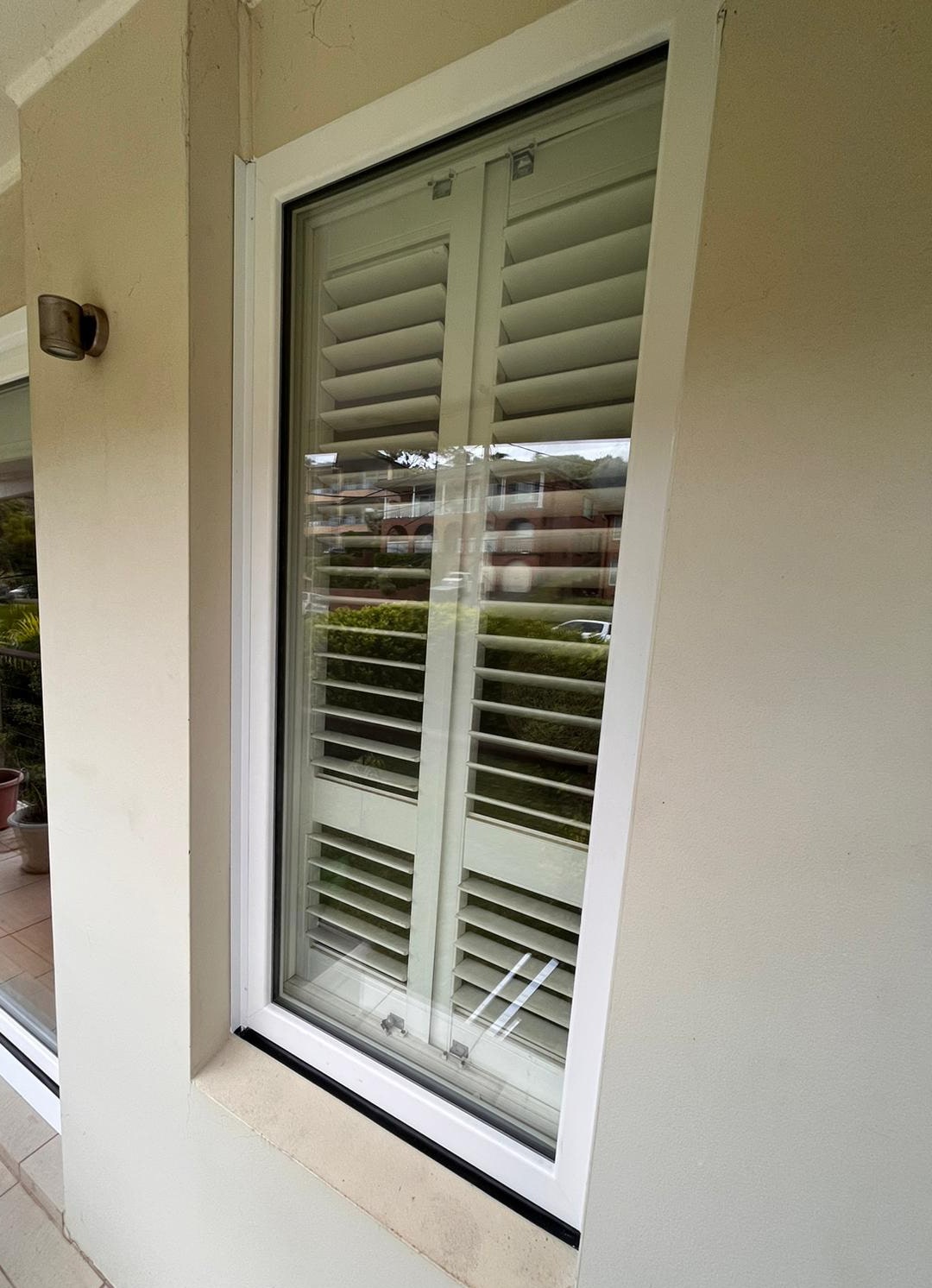
Why Natural Light Matters More Than Many Homeowners Realise
Natural light has a huge influence on how a home feels throughout the day. Bright interiors usually feel more open, comfortable, and welcoming compared with darker spaces that rely heavily on artificial lighting.
But daylight is not only about appearance.
The amount of natural light entering a room can also affect indoor comfort, energy use, and even how spacious the interior feels. In modern Australian homes, window placement plays a major role in how effectively daylight moves through the space.
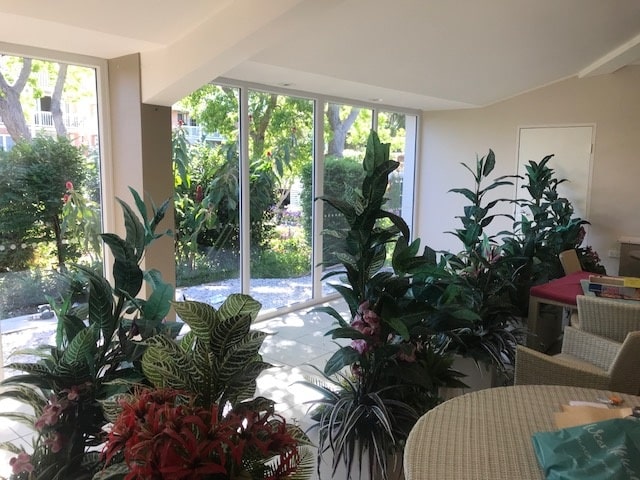
A lot of homeowners focus mainly on window size. In reality, the position of the window, the direction it faces, the glazing, and even the frame design all influence how natural light behaves indoors.
Understanding these factors helps create homes that feel brighter and more comfortable without creating excessive heat or glare.
Why Window Placement Matters More Than Window Size
Larger windows do not automatically guarantee better natural light.
In many situations, the location of the glazing has a greater impact than the overall glass area itself. A carefully positioned window can spread daylight evenly across a room, while a poorly positioned oversized window may create glare, harsh shadows, or overheating during warmer months.
The way daylight behaves indoors depends on several things, including window orientation, glazing height, room depth, ceiling height, and nearby buildings or landscaping.
This is why window placement is often considered early in modern home design rather than treated as a purely decorative feature later on.
How Window Direction Changes Indoor Light
The direction a window faces has a major effect on the type of daylight entering the room.
In Australian homes, north-facing windows generally receive the most consistent daylight throughout the year. East-facing windows tend to bring in softer morning light, while west-facing glazing is exposed to stronger afternoon sun that can increase indoor heat during summer.
South-facing windows usually receive softer and more indirect daylight. These spaces may feel cooler, although thoughtful placement can still keep the room bright and comfortable.
Because natural light changes throughout the day, modern window layouts are often planned differently for living areas, bedrooms, kitchens, and workspaces.
Why Higher Windows Can Improve Daylight Distribution
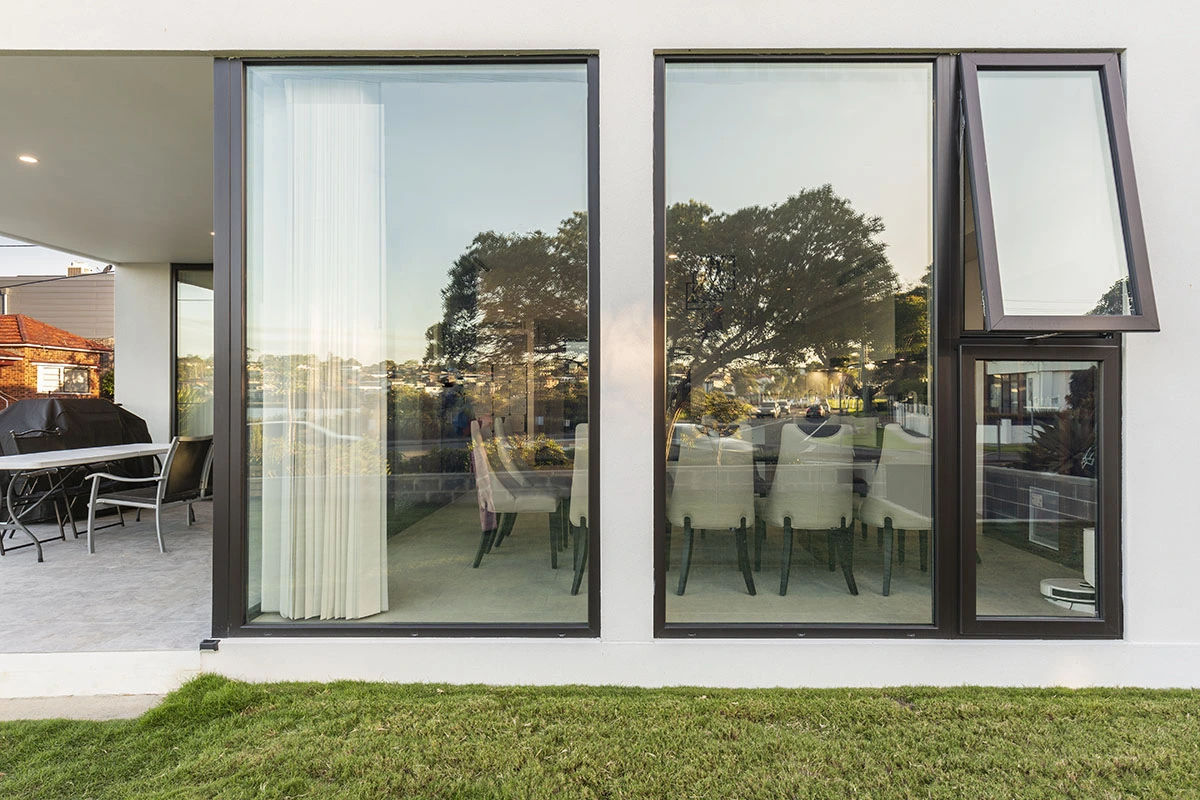
The height of a window also changes how light moves through the interior.
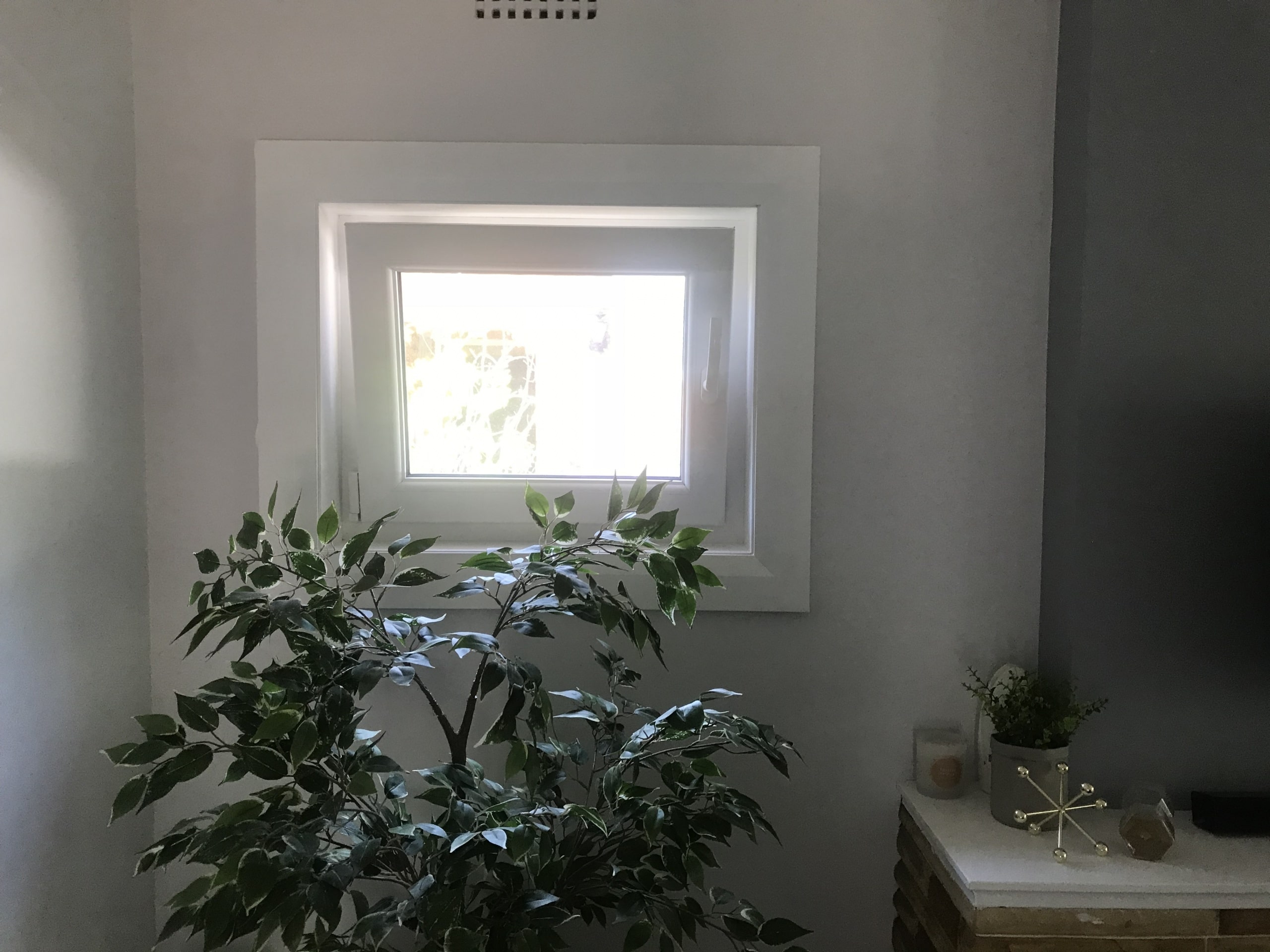
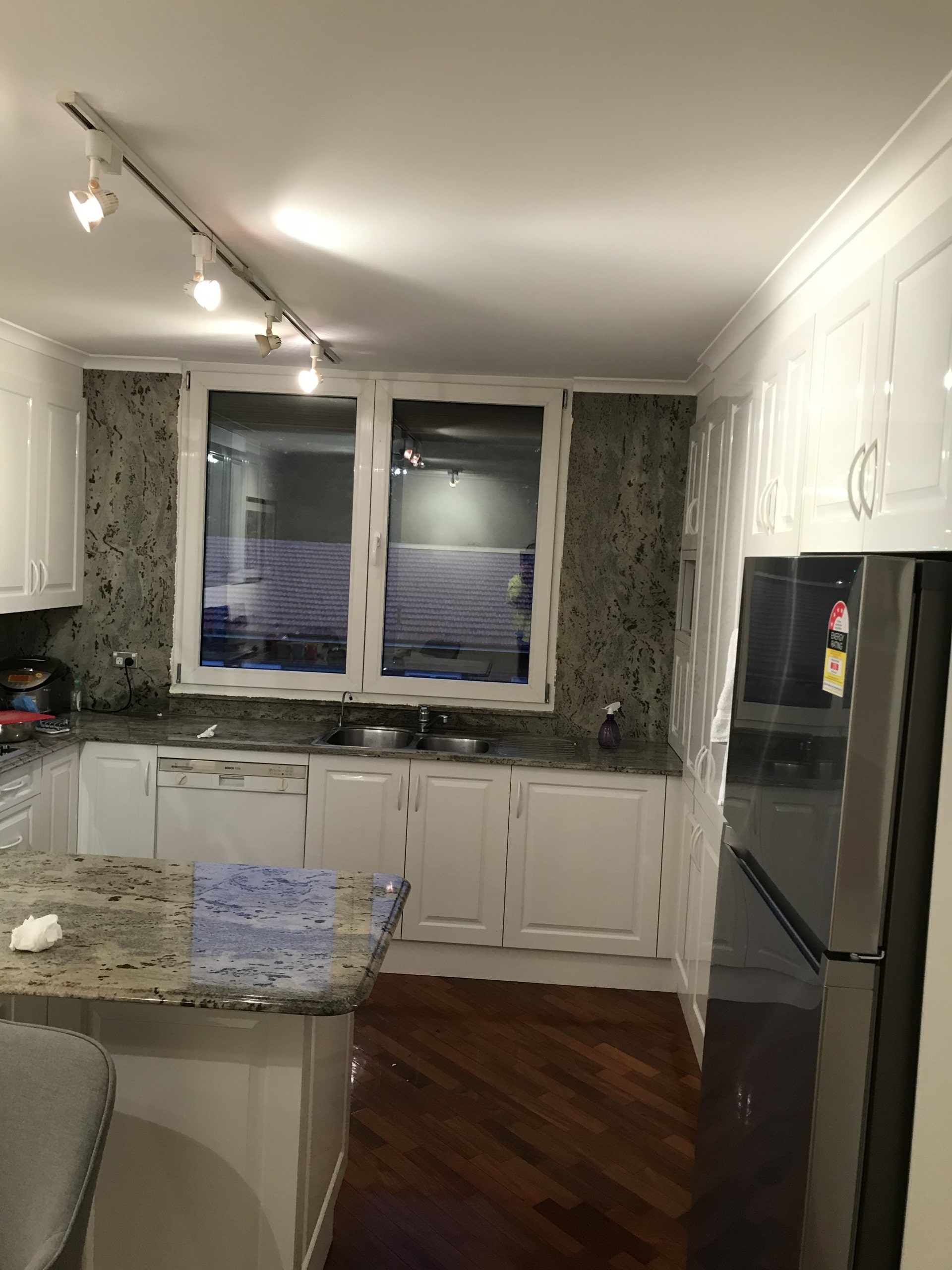
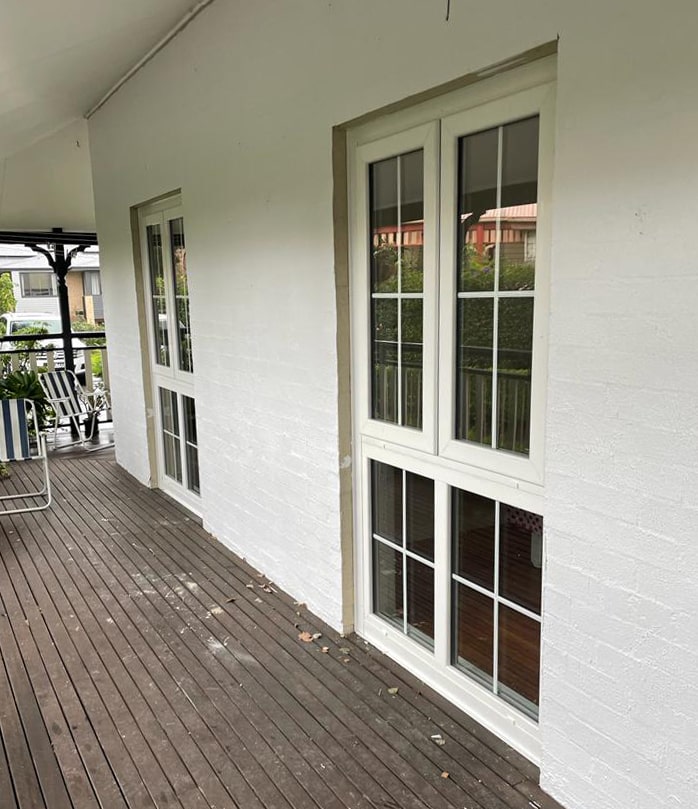
Windows positioned higher on the wall often allow daylight to travel further into the room, creating a more even spread of light instead of concentrating brightness close to the opening itself.
This approach is commonly used in open-plan homes, kitchens, stairwells, and modern living spaces where maintaining a bright atmosphere across a larger area is important.
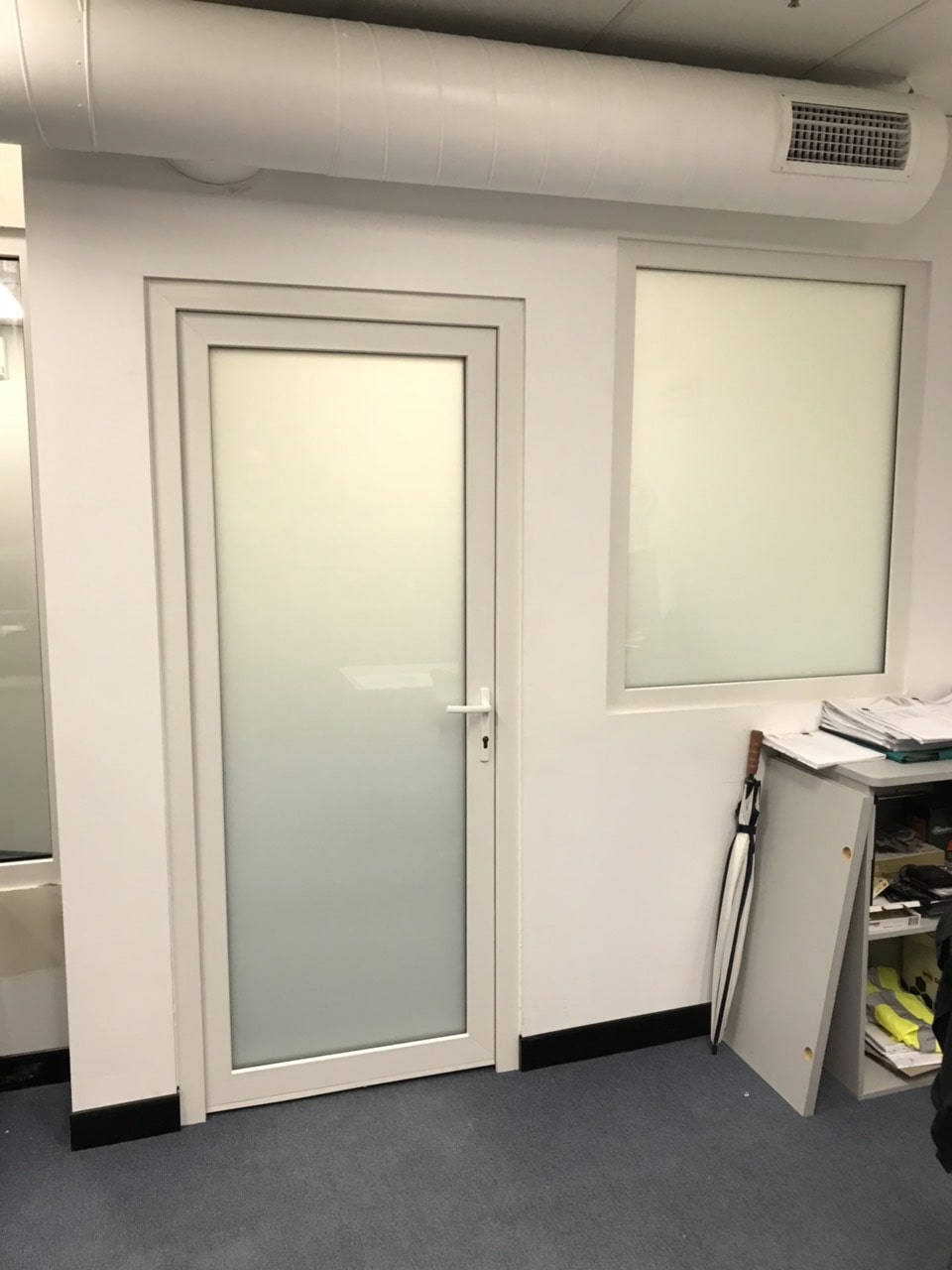
When combined with the right glazing, higher window placement can also improve privacy without making the room feel darker.
Natural Light and Indoor Comfort Need to Work Together
A bright home usually feels more comfortable, but too much direct sunlight can also create glare and overheating.
This is where modern glazing systems become important.
Older single glazed windows allowed significant heat transfer while offering very little insulation. Modern systems are designed differently.
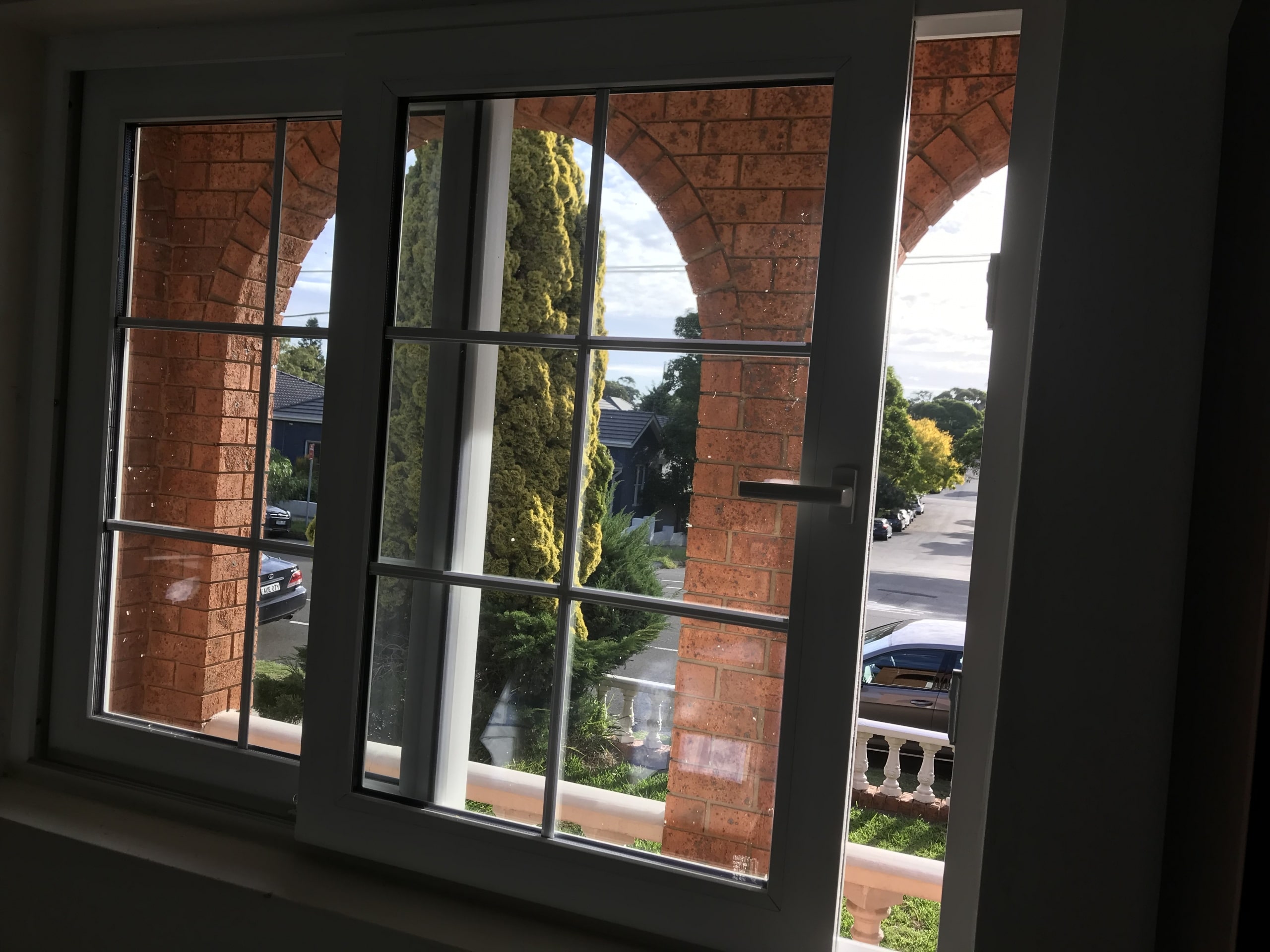
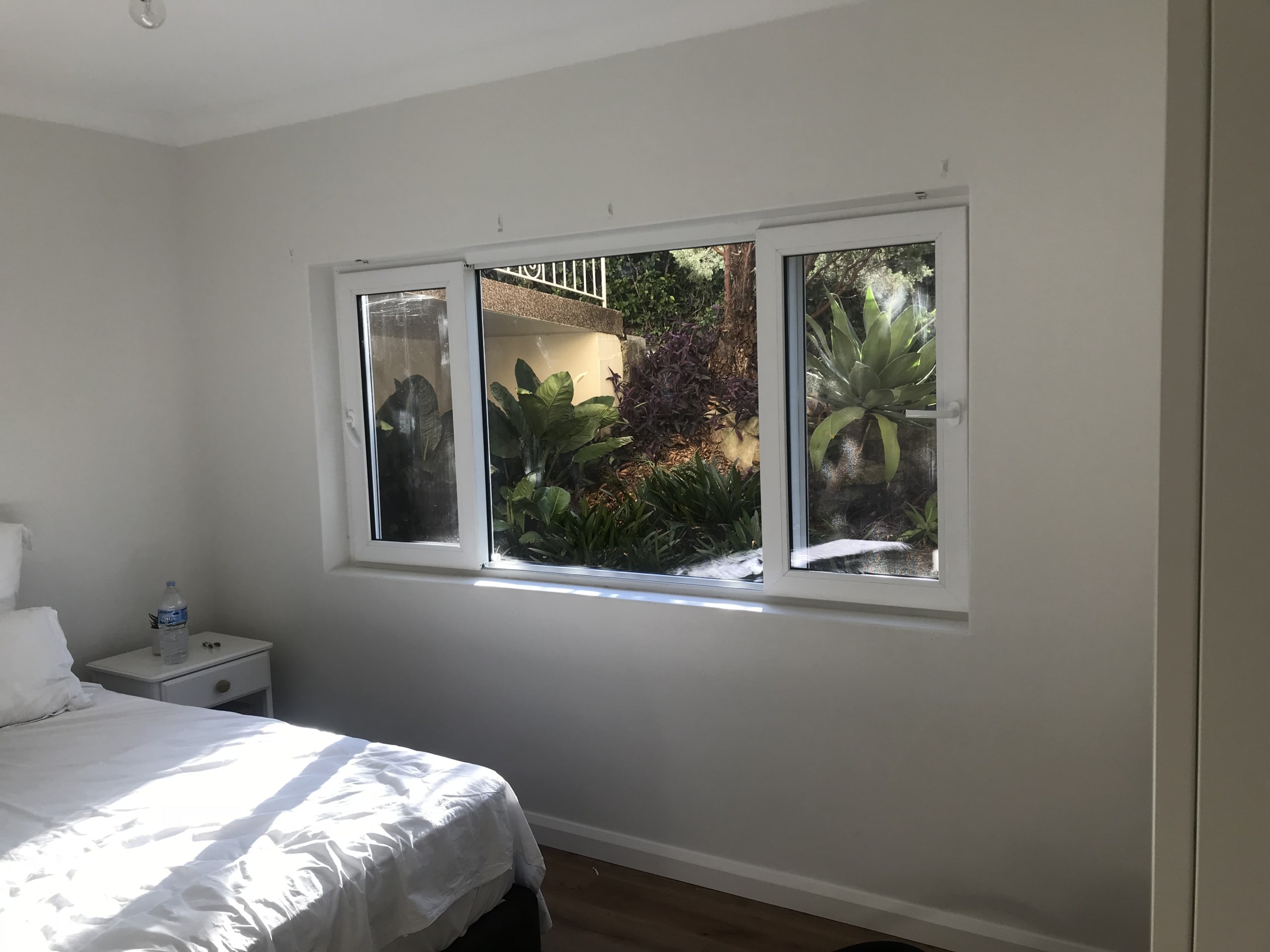
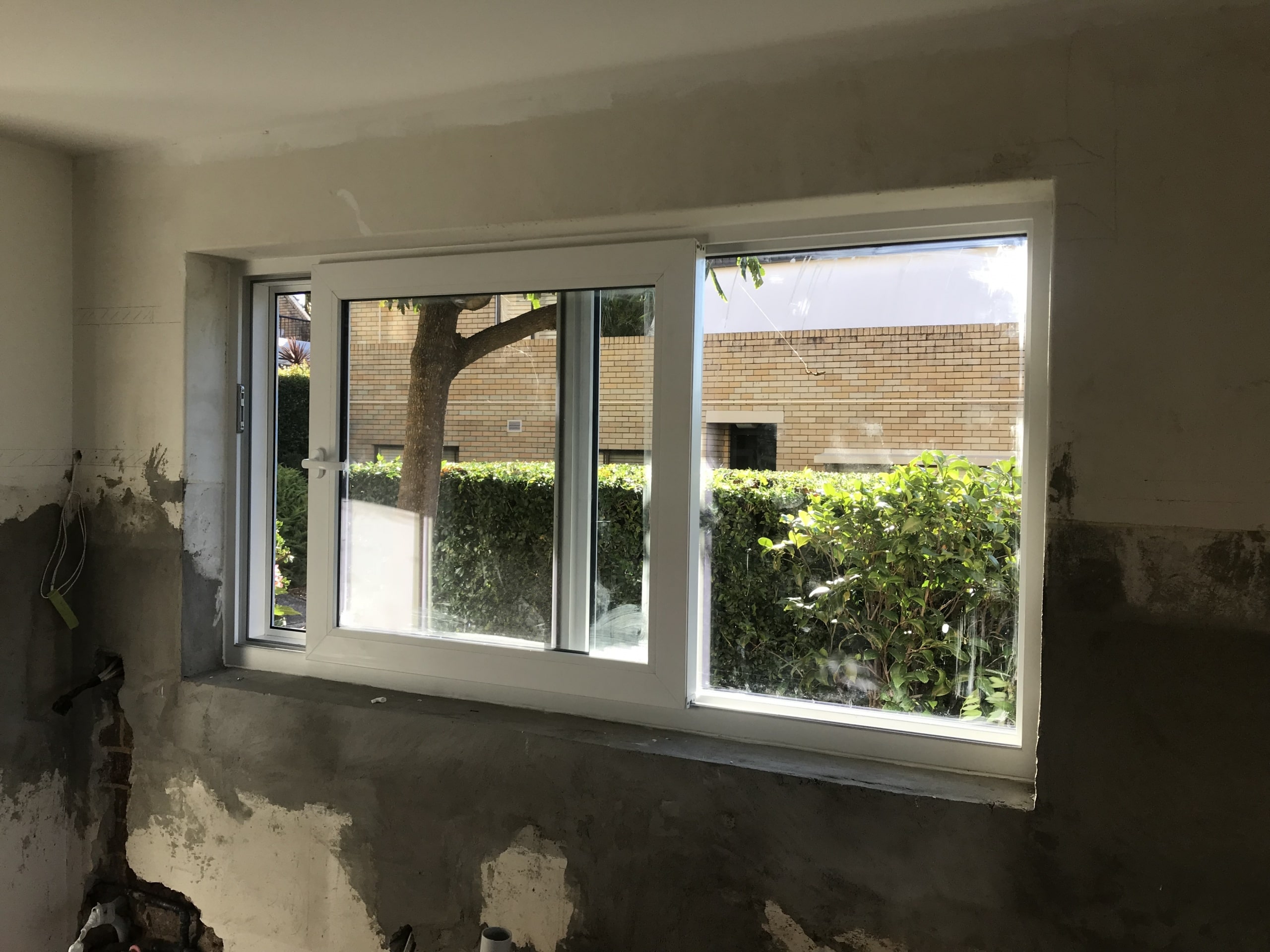
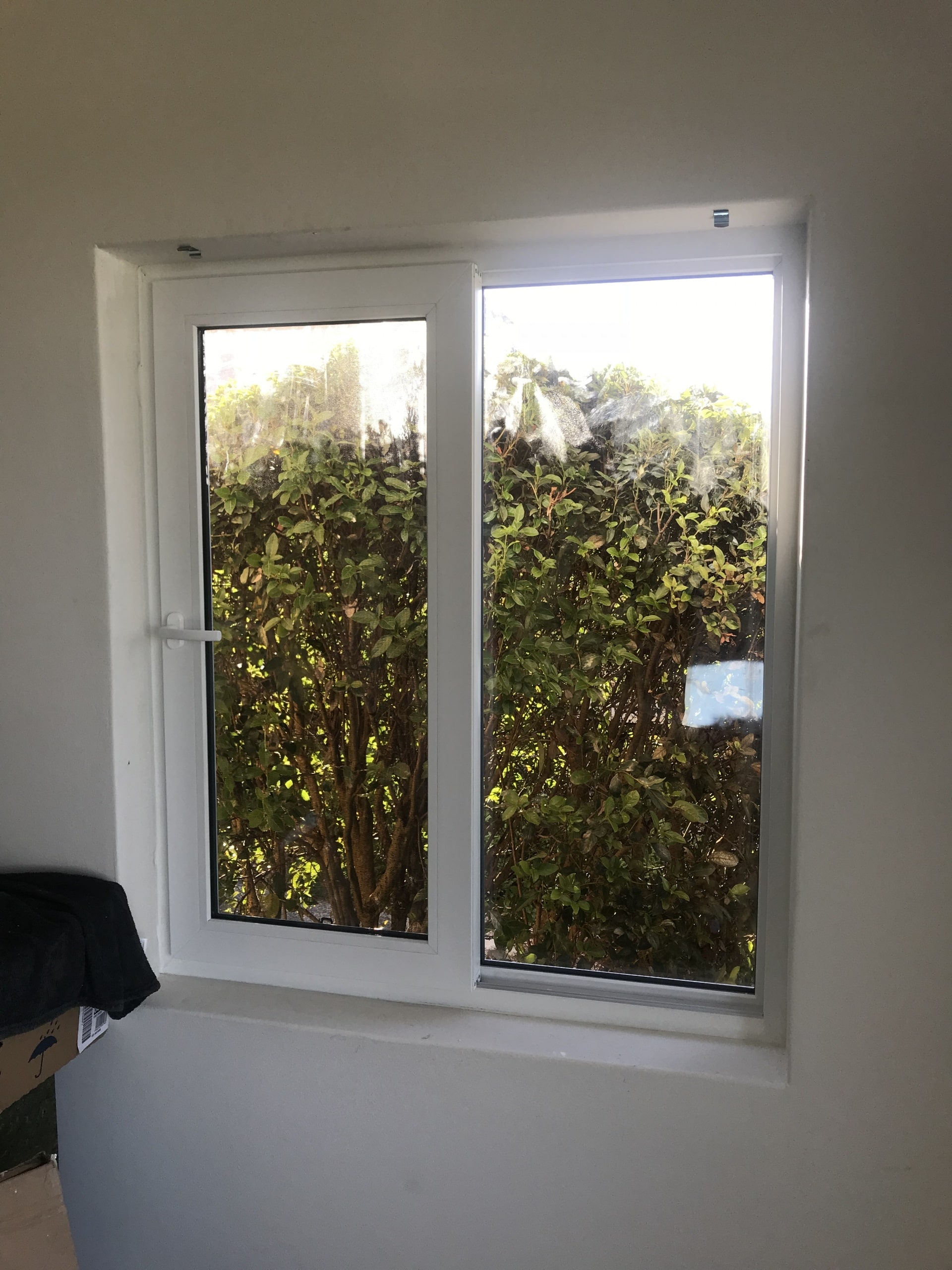
Modern double glazed windows in Sydney are designed to help manage heat transfer while still allowing plenty of natural light into the home. This helps maintain a more comfortable indoor environment during both summer and winter.
The goal is not simply to maximise sunlight, but to create balanced natural lighting that remains comfortable throughout the year.


How Window Frames Affect Daylight
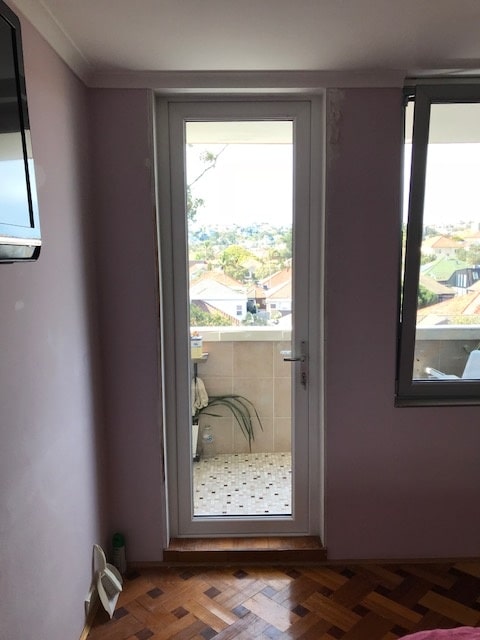
Frame design can also influence how much daylight enters the room.
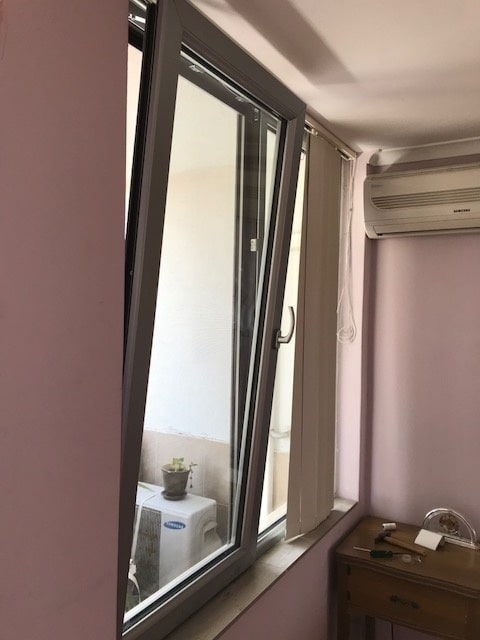
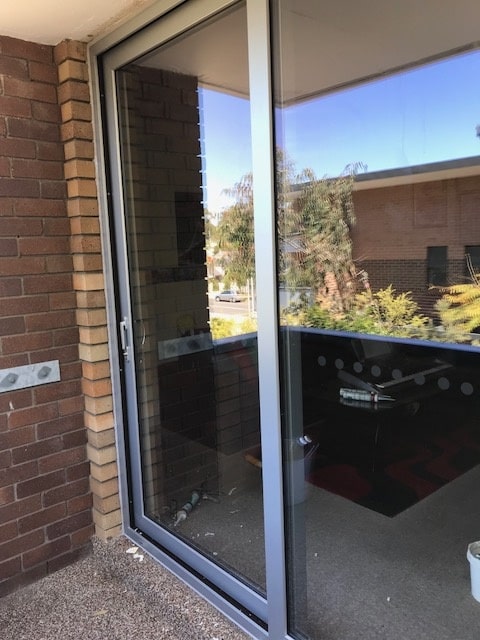
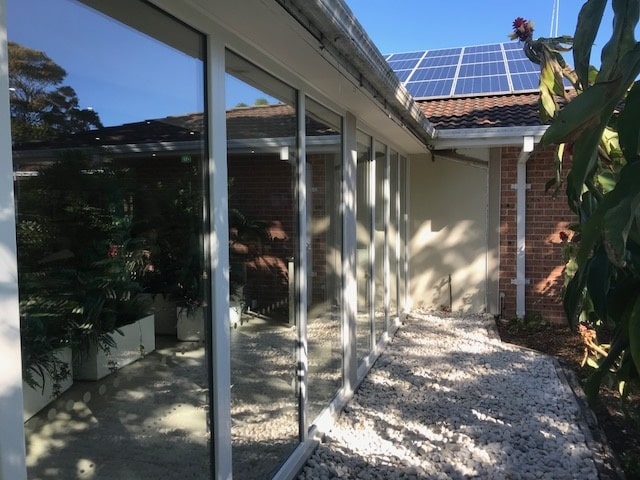
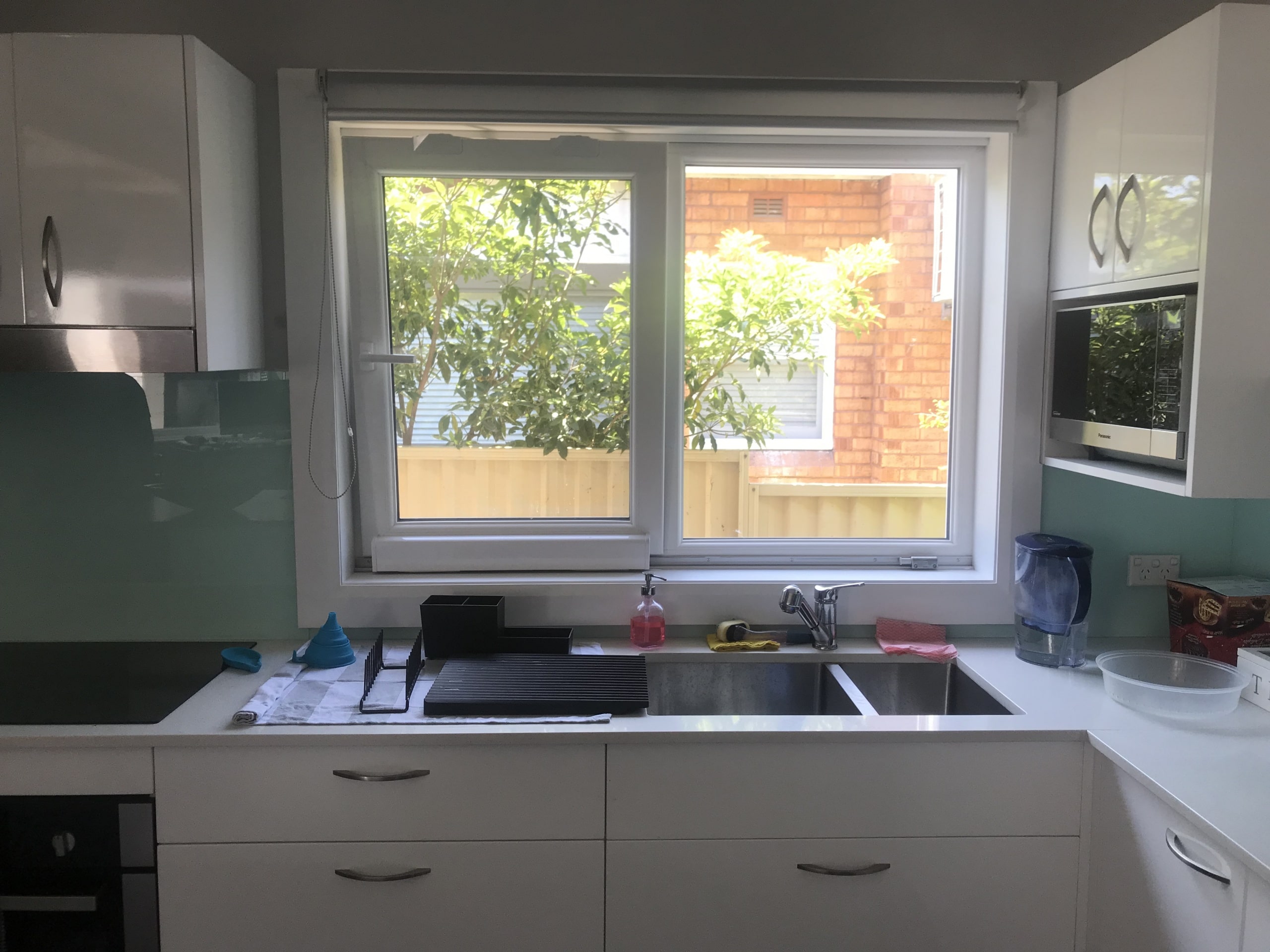
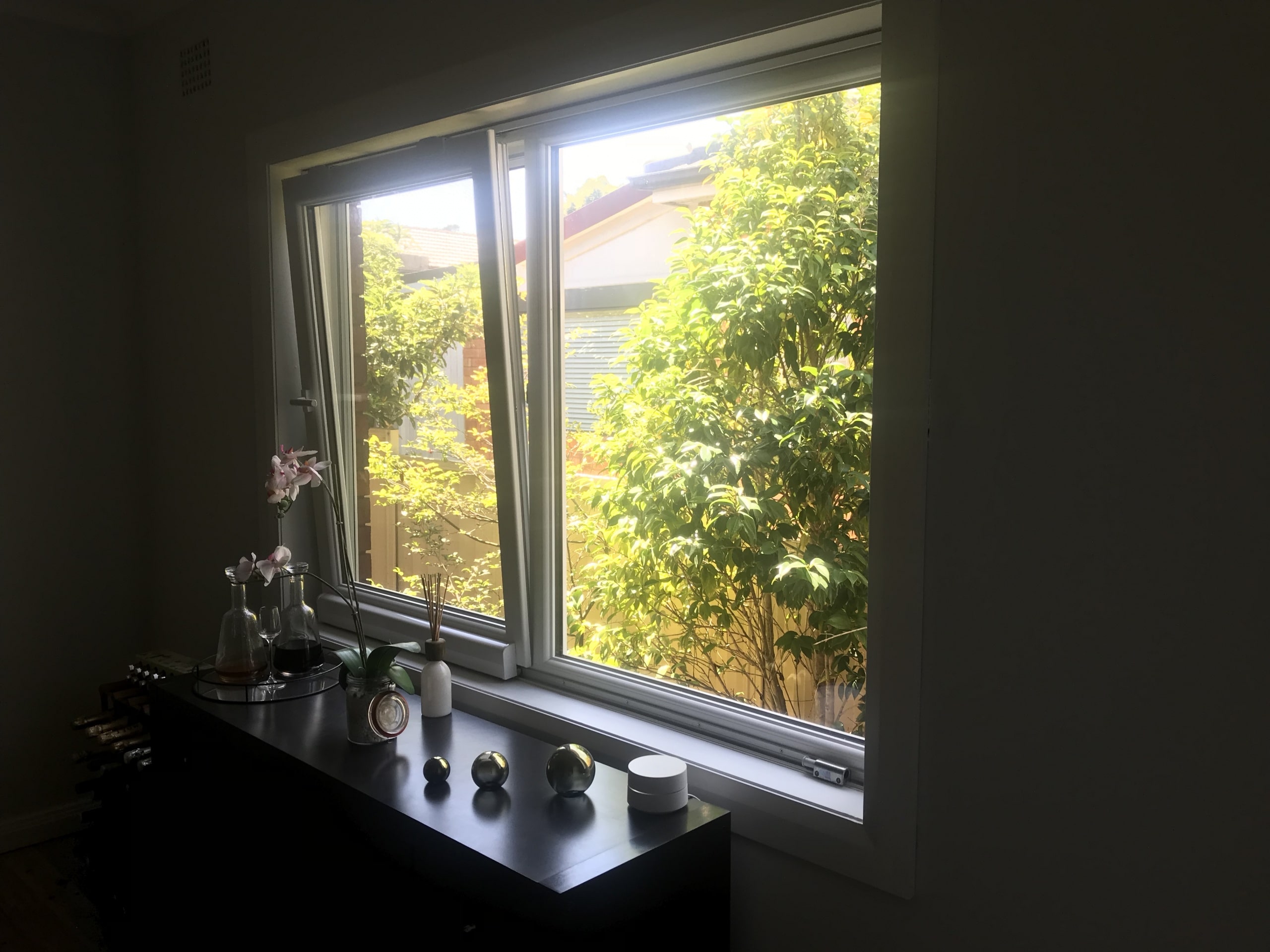
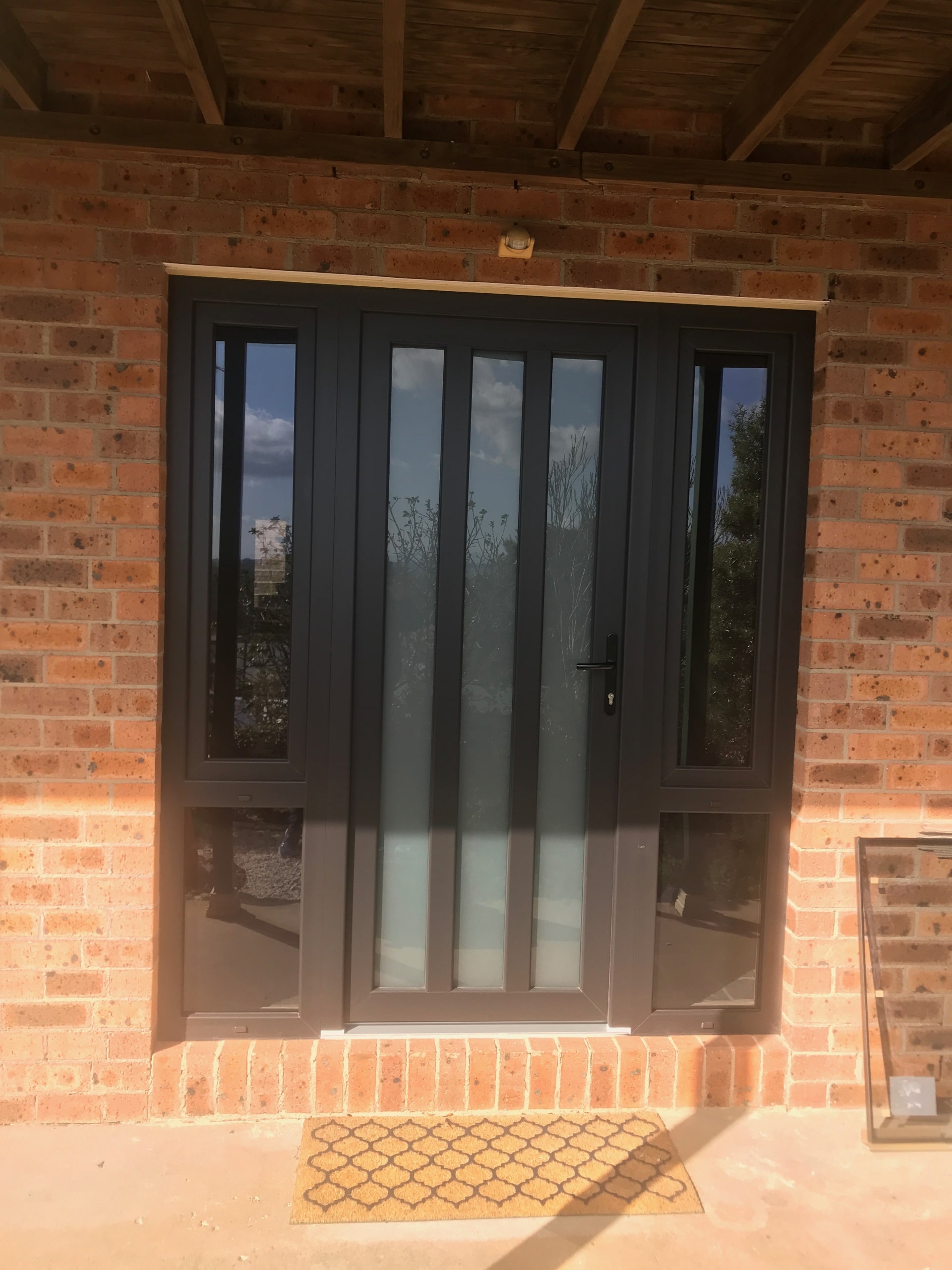
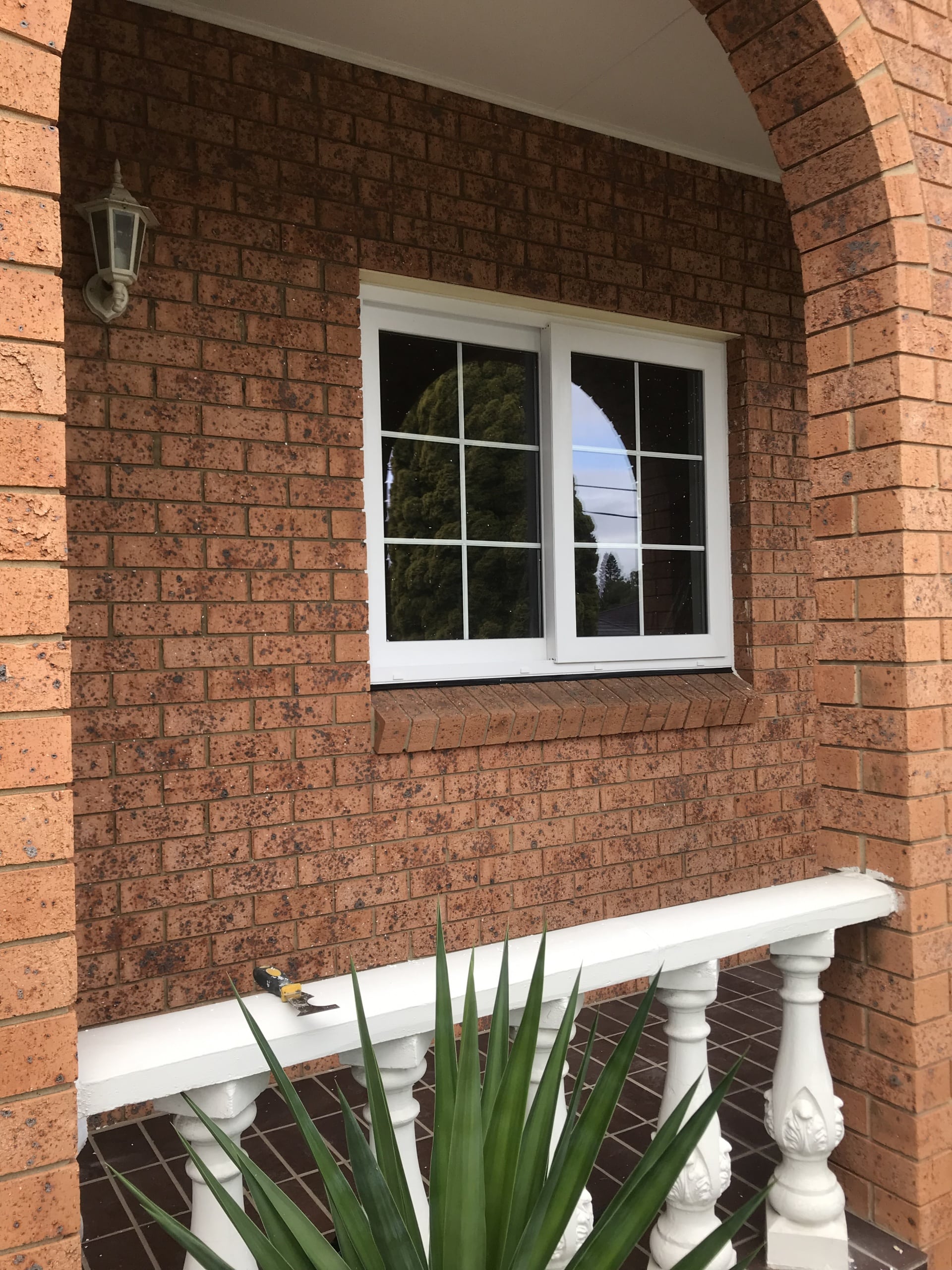
Bulkier frames reduce the visible glazing area, while slimmer modern systems allow more glass within the same opening size. This can noticeably improve the amount of natural light entering the interior without increasing the overall dimensions of the window itself.
Modern uPVC systems are often designed to balance structural stability, thermal performance, and larger visible glazing areas at the same time.
Modern uPVC windows in Sydney are designed to combine energy efficiency with clean glazing proportions suited to contemporary Australian homes.
Open-Plan Homes Depend Heavily on Good Window Positioning
Open-plan layouts have become very common in modern Australian homes. Because these spaces combine multiple functions into one larger area, the way daylight spreads through the room becomes much more important.
Poorly positioned windows can leave some parts of the interior feeling darker even when the home has a large amount of glazing overall.
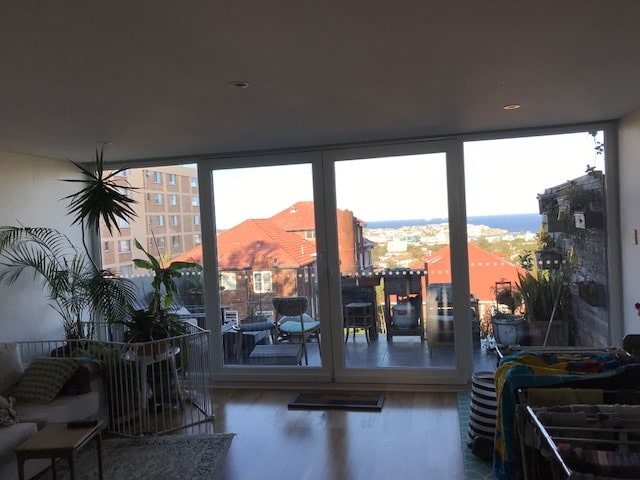
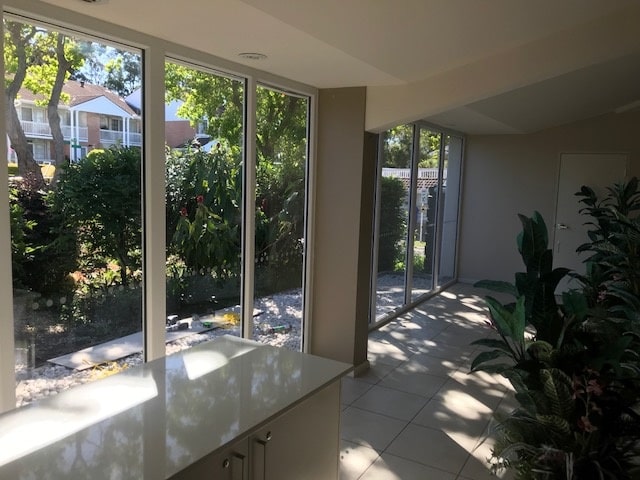
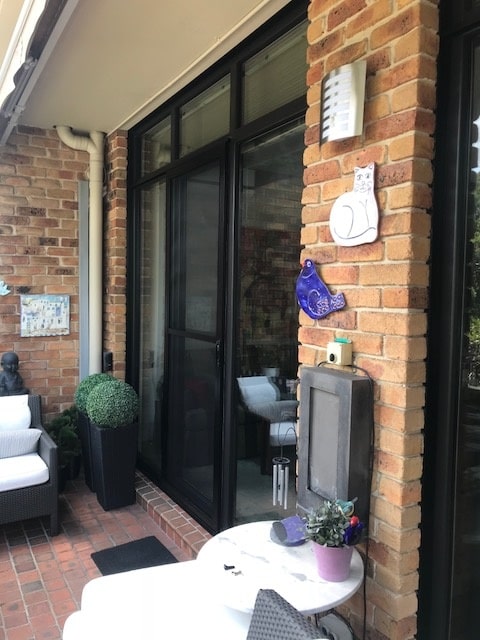
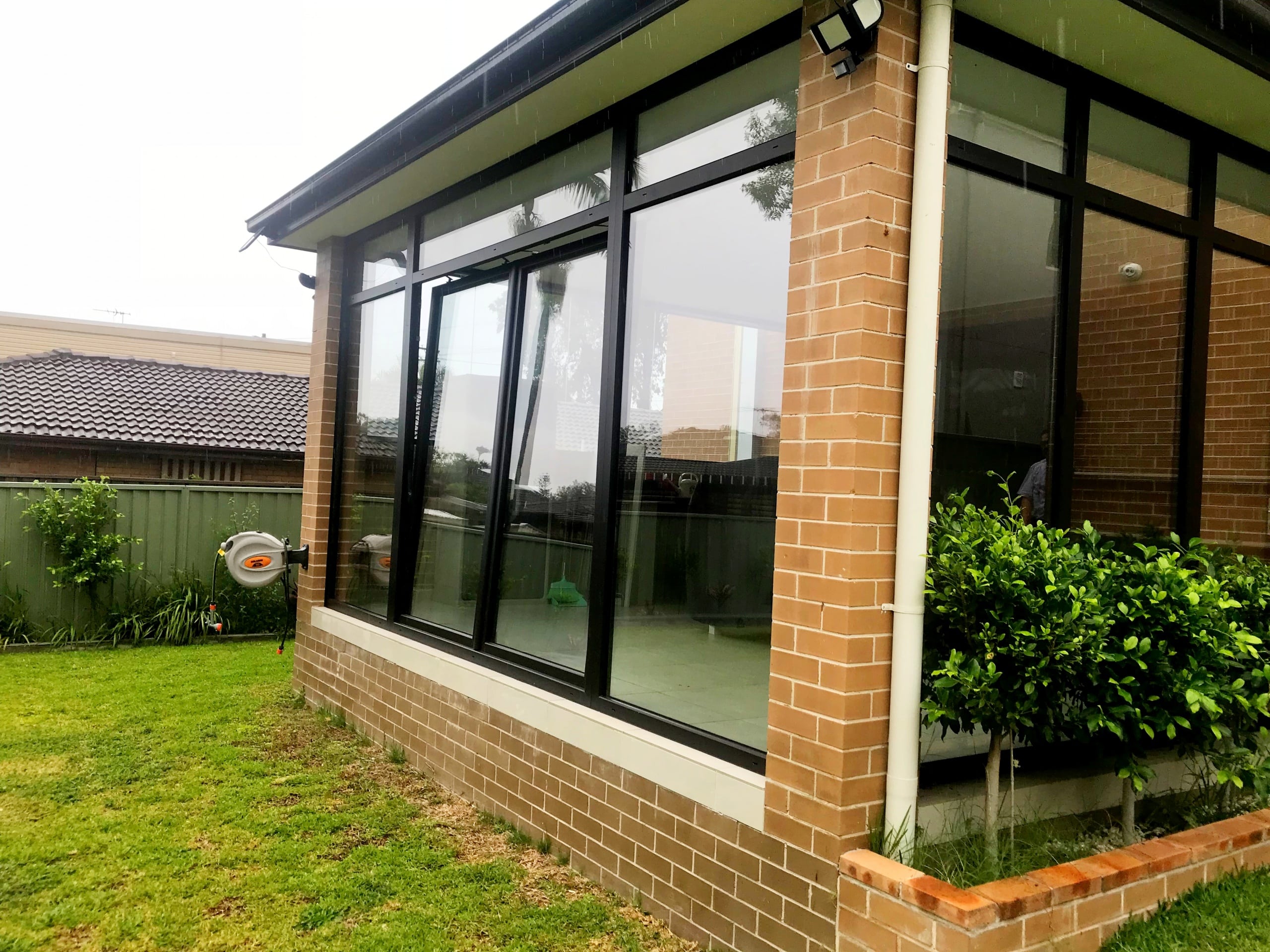
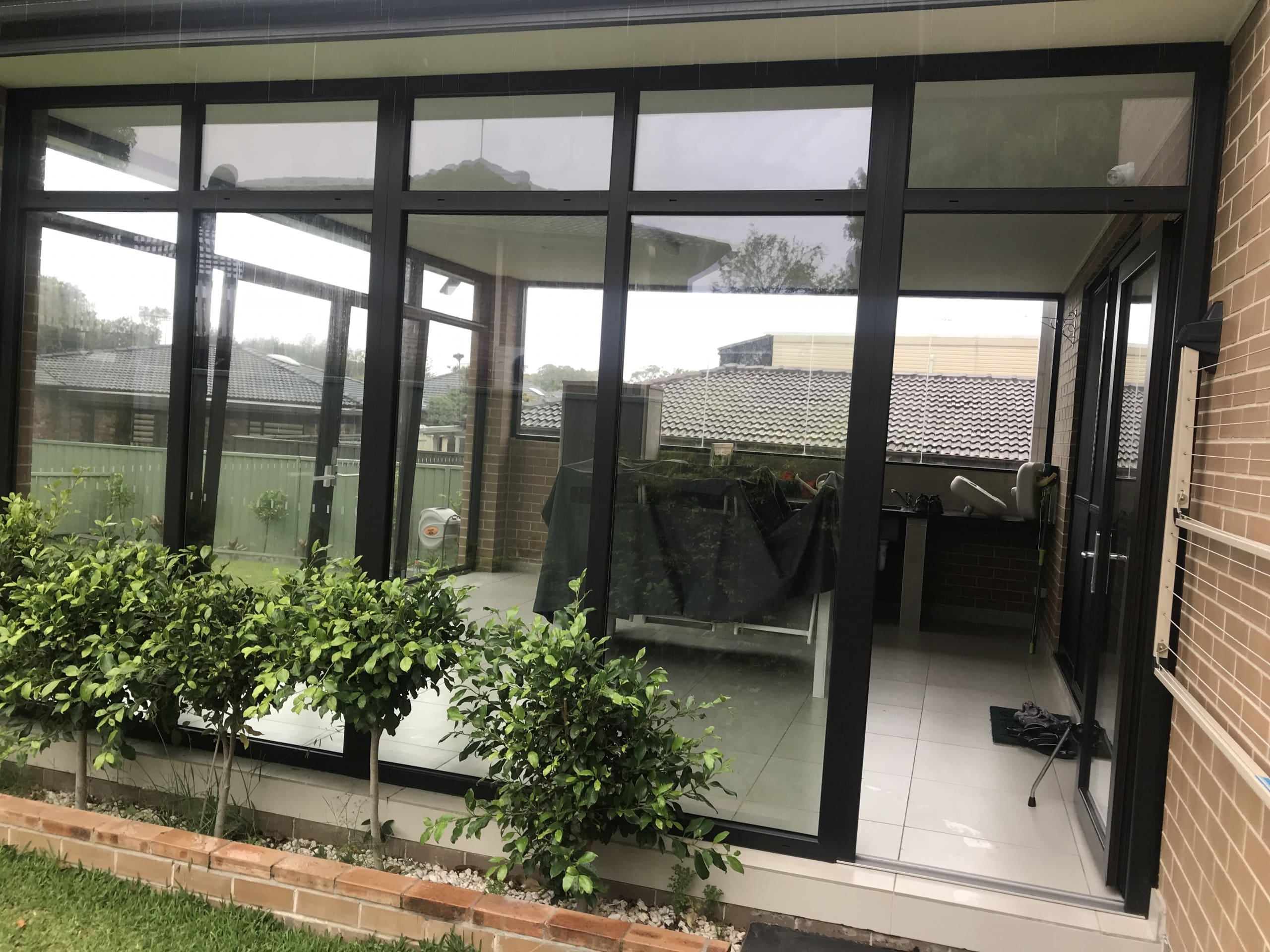
Modern designs often combine fixed windows, sliding doors, highlight glazing, and larger openings to spread daylight more evenly through the space.
Need a consultation?
Our operators will answer any questions
Natural Light Can Make Rooms Feel Larger
Natural light also affects how spacious a room feels visually.
Bright interiors usually appear larger, more open, and less enclosed than darker rooms. This effect is especially noticeable in compact bedrooms, hallways, kitchens, and smaller living spaces.
Even relatively small changes to window placement can significantly improve how open a room feels during the day.
Balancing Privacy With Natural Light
One challenge many homeowners face is maintaining privacy without making the home feel dark.
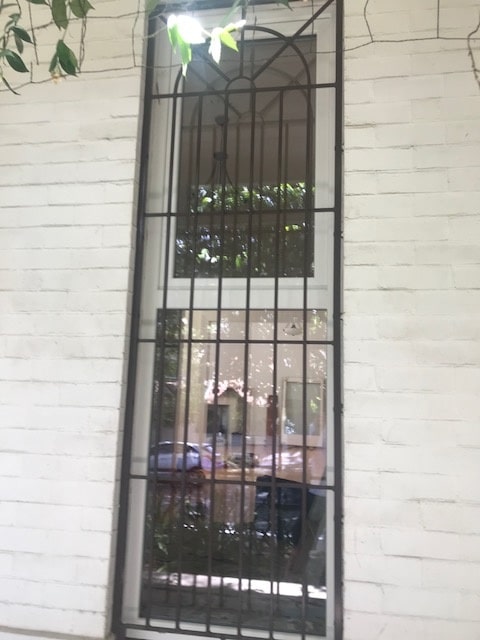
Modern window layouts often solve this by using higher glazing placement, obscured glass, strategic orientation, or combinations of fixed and operable windows.
This allows natural light to enter the home while limiting direct visibility from neighbouring properties or busy streets.
Natural Light and Energy Efficiency Are Closely Connected
Natural light and energy efficiency work together more closely than many people realise.
A well-planned window layout can reduce reliance on artificial lighting during the day, while modern glazing systems help control heat transfer and indoor temperatures.
This balance is especially important in Australian homes where both cooling and heating costs can affect long-term energy use.
Modern window systems are increasingly designed to improve insulation, indoor comfort, daylight access, and overall residential efficiency rather than focusing only on appearance.
Why Professional Window Planning Matters
Choosing windows is no longer only about appearance from the street.
The placement of the windows, the glazing specification, the orientation of the home, and the installation quality all influence how comfortable the house feels every day.
Well-designed window systems can help create brighter interiors, more stable temperatures, reduced glare, and better overall comfort.
At Prestige Plus, we help homeowners choose window systems designed to improve natural light, comfort, and long-term energy performance in Australian homes.
Final Thoughts
Natural light has a major influence on how comfortable and inviting a home feels.
While larger windows can certainly increase brightness, the real difference often comes from thoughtful window placement, glazing selection, and overall system design.
Modern uPVC double glazed systems allow homeowners to bring more daylight into the home while still maintaining insulation, energy efficiency, and indoor comfort.
If you are planning a renovation or replacing older windows, understanding how window placement affects natural light can help you make better long-term decisions for your home.
Get a quote
Contact us today to find out how Prestige Plus specialists can help you solve your problem
FAQ
Does bigger window size always mean more natural light?
Not necessarily. Window placement, orientation, and room layout often influence daylight more than size alone.
Which window direction provides the most natural light in Australia?
North-facing windows generally provide the most consistent daylight throughout the year in Australian homes.
Can double glazing still allow enough natural light inside?
Yes. Modern double glazed systems are designed to maintain natural light while improving insulation and indoor comfort.
Do window frames affect the amount of daylight entering a room?
Yes. Slimmer frame designs can increase visible glazing area and allow more natural light into the home.
Why do some bright rooms still feel uncomfortable?
Excessive glare, poor orientation, or heat gain can make a room uncomfortable even when it receives a lot of daylight.
Can window placement affect energy efficiency?
Yes. Well-positioned windows can improve natural lighting while helping manage indoor temperatures more effectively.
Are higher windows better for daylight distribution?
In many cases, yes. Higher glazing placement can help daylight spread further into the room.
Can natural light make small rooms appear larger?
Yes. Bright interiors often feel more open and spacious during the day.
How can homeowners balance privacy and natural light?
Modern designs may use higher glazing, obscured glass, or strategic window placement to maintain privacy while allowing daylight inside.
Why is professional window planning important?
Because glazing choice, orientation, frame design, and placement all affect comfort, lighting, and energy performance.